It might feel like “just a hysterectomy” to some, but to others, it’s the loss of something deeply personal. This post explores the emotional and physical weight of the decision many women face.
Hysterectomy / Canva
Table of Contents
When "Just a Hysterectomy" Hits Home
You never think you’ll be the one weighing the odds between a D&C and a hysterectomy. Yet here you are, waiting for test results, silently hoping for the lesser of two invasive procedures. Maybe you’ve already heard well-meaning comments from friends or even other women: “At least you won’t have to deal with periods anymore!”
But for you, it’s not that simple. Losing your uterus isn’t just a medical decision. It’s the loss of cycles, of a rhythm that has marked the passage of time for decades. It can feel like surrendering a part of your identity. So why do some women seem so at ease with this choice, even relieved?
Understanding the Emotional Divide
There’s a strange duality when it comes to hysterectomy conversations. For some women, it’s seen as a welcome solution to years of pain, unpredictable bleeding, or persistent endometrial hyperplasia. For others, it stirs up a complex grief, especially if the decision is being made before they feel ready.
This emotional divide isn’t uncommon. Women who’ve endured chronic conditions like endometriosis or fibroids often come to see hysterectomy as a relief. Laparoscopic techniques and quicker recovery times have made it seem like less of a big deal, medically. Yet the emotional aspect? Still deeply personal.
What Research Says About the Real Impact
Let’s clear something up: hysterectomy is not minor surgery. It’s a major abdominal or laparoscopic surgery that may involve the removal of the uterus, cervix, fallopian tubes, and in some cases, ovaries.
According to the New England Journal of Medicine, hysterectomy for benign conditions like hyperplasia or fibroids remains one of the most common surgeries in women, but outcomes vary widely depending on the type of surgery and whether ovaries are preserved (Farrell et al., 1993).
A more recent 2023 study in Menopause Review emphasized that while many women report an improved quality of life after hysterectomy, the surgery also comes with risks: hormonal shifts, potential for pelvic floor dysfunction, and psychological impacts that are often under-discussed (Archer & Chien, 2023).
That last point is critical. You’re not being dramatic if the idea of losing an organ brings up anxiety, grief, or confusion. The National Library of Medicine notes that women undergoing hysterectomy — even those who keep their ovaries — may experience psychological effects related to identity, sexuality, and aging (Dicker, 2021).
When It’s a Medical Necessity
For women diagnosed with complex endometrial hyperplasia or early endometrial cancer risk, hysterectomy may be the recommended route. And yes, it can be life-saving. But there’s room to both respect the medical need and honor the emotional weight of the decision.
Even women who chose hysterectomy and never looked back often acknowledge that it wasn’t a decision made lightly. It came after years of discomfort, uncertainty, and multiple treatments that didn’t work. One woman’s relief doesn’t invalidate another’s grief.
Supporting Your Body During Recovery
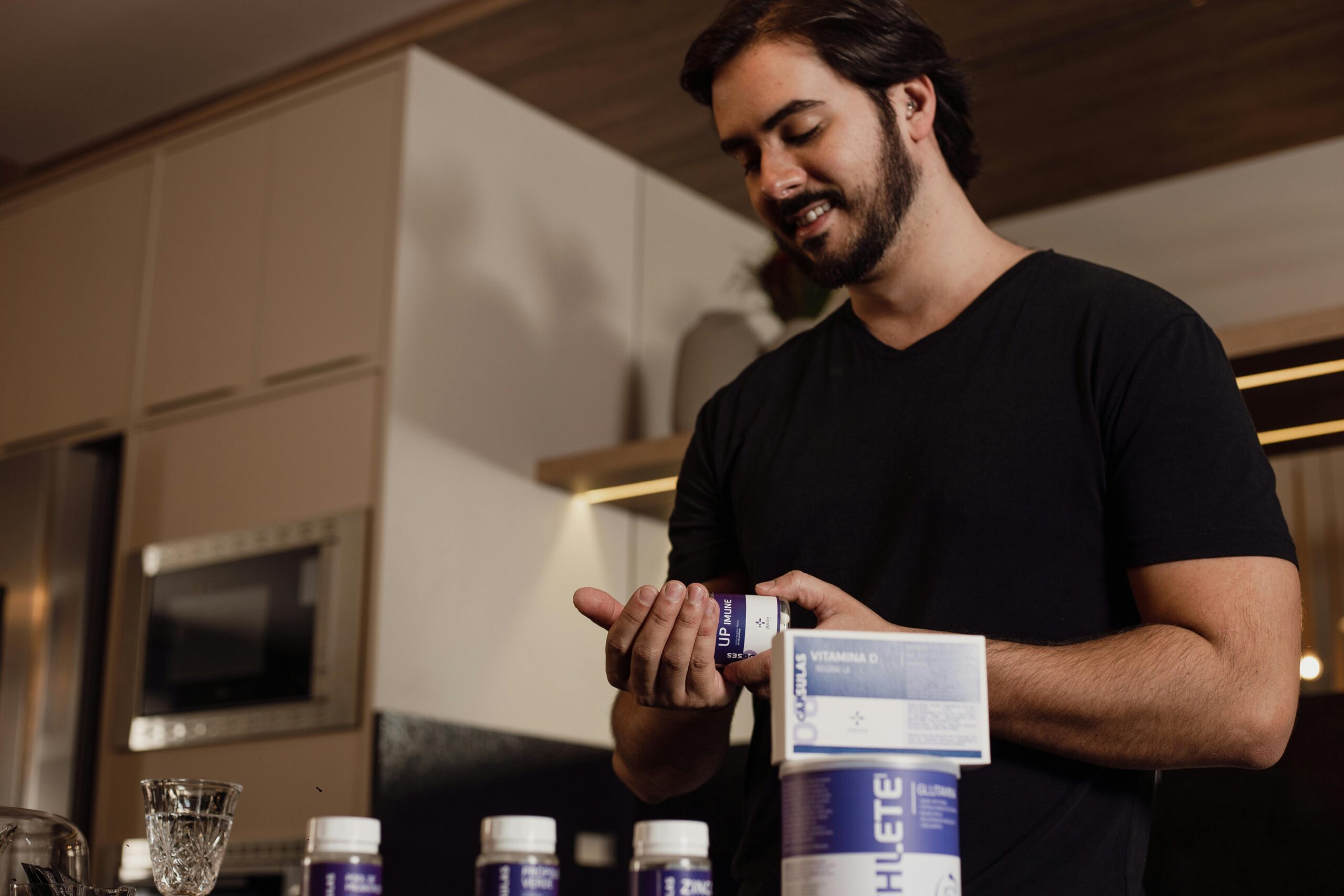
If hysterectomy becomes your path, supporting your body during recovery is just as important as the decision itself. Nutrition, movement, and supplementation all play key roles. One helpful addition? Magnesium.
Magnesium glycinate, in particular, is often recommended for women post-surgery to help with muscle relaxation, sleep quality, and mood regulation. Many find it calming during hormonally turbulent times, whether or not their ovaries were removed.
Another gentle support option is ashwagandha. While it’s not a hormone, it helps modulate the stress response, which can be especially useful when navigating both physical recovery and emotional transitions. If you’re considering supplements like these, always check with your healthcare provider first, especially when managing post-op medications.
If someone close to you seems to brush off your concerns with, “It’s not that bad,” they may be speaking from their own experience, one that brought them relief. But your story is yours. There’s no universal reaction to surgery, no one-size-fits-all emotion.
Some women will grieve the loss of their cycles, especially if they were tied to fertility, femininity, or even spiritual practice. Others will welcome the end of pain and inconvenience. Both are valid. What matters most is giving yourself permission to feel what you feel.
A Word From Vitamins For Woman
Hysterectomy is never “just” anything. It can be a medical necessity, a life-saving intervention, or a long-awaited relief. But it can also bring up grief, identity shifts, and uncertainty — and all of those reactions are real.
If you’re navigating a diagnosis like endometrial hyperplasia or facing tough decisions, know that you’re not alone. Empowered health starts with informed choices and compassionate care for your body, mind, and spirit.