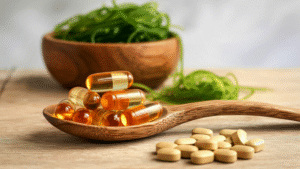

Spirulina for women over 35 is like giving your body a concentrated dose of what it’s been missing. This blue-green algae contains more protein per gram than chicken, iron that your body can actually absorb, and antioxidants that fight the cellular aging happening right now. If you’re feeling the energy dips, immunity challenges, and nutritional gaps that come with this life stage, spirulina might be the game-changer you’ve been searching for.
You’re in your late 30s or 40s, and suddenly you notice things have shifted. Your energy crashes by 3 PM. Your hair isn’t as thick. Your skin looks tired. You’re catching every cold that goes around. Your body feels like it’s working harder to do the same things it used to do effortlessly. This isn’t in your head—your nutritional needs have genuinely changed, and your body is signaling that it needs more targeted support.
The frustrating part? Many of the nutrients you need most—bioavailable iron, complete protein, B vitamins, chlorophyll—are hard to get in adequate amounts from regular food. You’d need to eat an enormous amount of spinach to match the iron content in a single teaspoon of spirulina. You’d need multiple chicken breasts to match the protein. This is where spirulina steps in as a legitimate nutritional solution, not just another trendy supplement.
In this article, you’ll discover exactly what spirulina is, why women over 35 specifically benefit from it, how it addresses the energy and immunity challenges you’re facing, and how to use it effectively. You’ll also learn which forms work best, how much you actually need, and how to integrate it into your daily routine without it tasting like pond water.
What Exactly Is Spirulina and Why Should You Care?
Spirulina is a naturally occurring cyanobacteria (blue-green algae) that’s been consumed for centuries, particularly in Africa and Central America. But don’t let the word “bacteria” scare you—spirulina is not the kind that makes you sick. It’s a nutritionally complete food that contains virtually every nutrient your body needs to function optimally.
Here’s what makes spirulina different from other supplements: it’s a whole food, not an isolated nutrient. When you take spirulina, you’re getting protein, all nine essential amino acids, iron, magnesium, potassium, B vitamins (including B12, which is rare in plant foods), chlorophyll, beta-carotene, and powerful antioxidants called phycocyanins. Most supplements give you one or two nutrients. Spirulina gives you dozens, working together synergistically.
For women over 35, this matters enormously. Your body is experiencing multiple simultaneous nutritional demands. Your metabolism is shifting. Your iron needs are still significant (especially if you’re still menstruating). Your protein requirements remain high, but you might be eating less as you age. Your antioxidant needs are increasing because cellular aging is accelerating. Spirulina addresses all of these needs in one small dose.
The bioavailability—meaning how much of the nutrient your body can actually absorb and use—is exceptional. The iron in spirulina is in a form your body recognizes and absorbs efficiently, unlike some iron supplements that cause digestive upset. The protein is complete, containing all amino acids your body needs to build muscle, support hair growth, and maintain skin elasticity. This isn’t theoretical nutrition; it’s nutrition your body can actually use.
Energy and Fatigue: Why Spirulina Works When Coffee Stops Working
You’ve probably noticed that coffee doesn’t work the way it used to. You drink your morning cup, and by noon, you’re exhausted. By 3 PM, you’re fighting to keep your eyes open. This isn’t laziness or lack of discipline—it’s a real physiological shift happening in your body.
As women age, several things happen simultaneously that tank energy levels. Your iron stores deplete (especially if you’re still menstruating). Your mitochondria—the energy factories in your cells—become less efficient. Your B vitamin stores drop, and B vitamins are essential for converting food into usable energy. Your metabolism slows, meaning you need more nutrients to produce the same amount of energy. You might also be dealing with hormonal fluctuations that affect energy production.
This is where spirulina becomes genuinely transformative. It contains iron in a highly absorbable form, which directly addresses one of the primary causes of fatigue in women. It’s rich in B vitamins, particularly B12, which is crucial for energy production and is often deficient in women over 40. It contains magnesium, which is essential for ATP production (the actual energy currency in your cells). It has chlorophyll, which supports oxygen transport throughout your body. When you combine all these nutrients in one food, you’re not just taking a supplement—you’re addressing the root causes of why you’re tired.
Many women report noticing a difference within 2-3 weeks of consistent spirulina use. Not a jittery, caffeine-like energy, but a genuine, sustained improvement in how you feel throughout the day. Your afternoon crash lessens. You wake up less groggy. You have energy for evening activities instead of collapsing on the couch at 7 PM. This is because you’re actually addressing nutritional deficiencies, not just masking fatigue with stimulants.
Immunity and Cellular Health: Your Body’s Defense System Upgrade
If you’re catching every cold, dealing with recurring infections, or noticing that you’re just generally more vulnerable to getting sick, your immune system is likely depleted. This isn’t weakness—it’s a sign that your nutritional status has dropped below what your immune system needs to function optimally.
Spirulina contains several compounds that directly support immune function. It has beta-carotene (a precursor to vitamin A), which is essential for maintaining the integrity of your mucous membranes—your first line of defense against pathogens. It contains polysaccharides and phycocyanins, which are compounds that activate immune cells and increase their ability to identify and eliminate threats. It has antioxidants that protect immune cells from oxidative damage, allowing them to function more effectively.
Beyond immunity, spirulina is one of the most antioxidant-dense foods available. As you age, your cells accumulate damage from oxidative stress—essentially, your cells are rusting from the inside. This oxidative stress accelerates aging, increases inflammation, and contributes to virtually every age-related health condition. Spirulina contains phycocyanins and chlorophyll, which are powerful antioxidants that neutralize free radicals before they can damage your cells.
Women who consistently use spirulina often report fewer colds, faster recovery from illness, and a general sense of better health. They’re not getting sick as often, and when they do get sick, they bounce back faster. This is because their immune system has the nutritional resources it needs to function optimally.
Hair, Skin, and Nails: Why Your Appearance Is Changing and How Spirulina Helps
One of the most frustrating changes women experience after 35 is that their hair, skin, and nails seem to deteriorate simultaneously. Your hair becomes thinner and less lustrous. Your skin loses elasticity and brightness. Your nails become brittle and break easily. You might assume this is just inevitable aging, but it’s actually a sign of nutritional insufficiency combined with hormonal changes.
Hair, skin, and nails are made primarily of protein. If you’re not getting enough bioavailable protein, your body prioritizes vital organs and systems, leaving your appearance to suffer. Spirulina is approximately 70% protein by weight, and it’s a complete protein containing all amino acids your body needs to build strong hair, elastic skin, and resilient nails. It also contains iron, which is essential for hair growth and is frequently deficient in women. It contains B vitamins, which support hair and skin health. It contains beta-carotene and other antioxidants that protect skin from photoaging and environmental damage.
Many women notice improvements in their appearance within 4-6 weeks of consistent spirulina use. Hair becomes thicker and shinier. Skin becomes brighter and more elastic. Nails become stronger and stop breaking. These aren’t dramatic changes, but they’re noticeable and meaningful. You start looking like yourself again, rather than a worn-out version of yourself.
You can amplify these effects by combining spirulina with collagen peptides, which provide additional amino acids specifically for skin elasticity and joint health. The combination of spirulina’s complete protein and micronutrients with collagen’s structural amino acids creates a powerful beauty-from-within strategy.
Hormonal Balance and Menopause Support: Spirulina’s Underrated Role
If you’re in perimenopause or menopause, spirulina becomes even more valuable. The hormonal fluctuations happening in your body create enormous nutritional demands. Your body is working overtime to manage changing estrogen and progesterone levels. You’re losing nutrients through increased sweating. Your metabolism is shifting. Your mood is affected by nutrient depletion.
Spirulina supports hormonal balance through multiple mechanisms. It contains iron, which you’re losing more rapidly during perimenopause. It contains B vitamins, which are depleted by hormonal stress. It contains magnesium, which is essential for hormonal regulation and is often deficient during perimenopause. It contains chlorophyll, which some research suggests may support hormonal health through its detoxification properties.
Beyond these specific nutrients, spirulina provides comprehensive nutritional support during a time when your body is under significant stress. When you’re nutritionally depleted, every symptom of perimenopause and menopause becomes worse. Hot flashes intensify. Mood swings become more severe. Brain fog deepens. Sleep becomes more disrupted. By addressing nutritional deficiencies with spirulina, you’re reducing the severity of these symptoms and supporting your body through this transition.
Many women find that combining spirulina with other targeted menopause supplements creates a comprehensive support strategy that addresses both nutritional gaps and specific menopausal symptoms.
How to Use Spirulina: Forms, Dosages, and How to Make It Actually Taste Good
The biggest obstacle most women face with spirulina isn’t effectiveness—it’s the taste. Spirulina tastes like concentrated ocean and pond, which is not pleasant. But there are multiple strategies for getting spirulina into your body without gagging.
Powder form is the most economical and flexible. A typical dose is 1-3 teaspoons (3-9 grams) daily. Start with 1 teaspoon and gradually increase to allow your digestive system to adjust. Mix it into smoothies with fruit and nut butter, which masks the taste completely. Add it to soups or broths. Mix it into pancake batter. The key is combining it with strongly flavored foods that can overpower the spirulina taste.
Tablet or capsule form is more convenient if you travel or have a busy schedule. You simply swallow pills without tasting anything. The tradeoff is that tablets are more expensive per gram and typically contain lower doses. Look for tablets that contain at least 500mg of spirulina per tablet.
Spirulina gummies have become increasingly popular and actually taste good. They’re convenient and taste-masked, making them ideal if you hate the powder taste. The tradeoff is that they’re the most expensive form and contain smaller doses due to gummy size limitations.
Regardless of form, consistency matters more than dose. Taking 1 teaspoon daily consistently will produce better results than taking 3 teaspoons sporadically. Your body responds to regular nutrient intake, not occasional large doses. Plan to use spirulina for at least 4-6 weeks before evaluating whether it’s working for you. Many of the benefits (energy improvement, immune function, appearance changes) take time to become noticeable.
Pair your spirulina routine with other foundational practices: consistent sleep, regular movement, stress management, and whole food eating. Spirulina is powerful, but it works best as part of a comprehensive health strategy, not as a replacement for healthy habits.
Spirulina Quality and Safety: What You Actually Need to Know
Not all spirulina is created equal. Quality varies dramatically based on where it’s grown, how it’s harvested, and how it’s processed. Poor quality spirulina can contain contaminants like heavy metals or microcystin (a toxin produced by some algae).
Look for spirulina that’s been third-party tested for purity and potency. Reputable brands test for heavy metals, microcystin, and bacterial contamination. Hawaiian spirulina is generally considered superior because Hawaii has strict water quality standards. Spirulina grown in clean, controlled environments is safer than spirulina from untested sources.
Spirulina is generally safe for most women, but there are a few exceptions. If you have a shellfish allergy, check with your doctor before using spirulina (some people with shellfish allergies react to algae products). If you’re taking blood thinners, consult your healthcare provider because spirulina may have mild anticoagulant properties. If you have phenylketonuria (PKU), avoid spirulina because it’s high in phenylalanine.
For most women over 35, spirulina is not just safe—it’s one of the most nutrient-dense foods available. It’s been consumed safely for centuries and is now used in clinical settings to address malnutrition.
Real Results: What Women Actually Experience
Energy improvement is the most commonly reported benefit. Women notice they can get through the day without the 3 PM crash. They wake up less groggy. They have energy for evening activities. This typically becomes noticeable within 2-3 weeks.
Immunity improvement comes next. Women get sick less frequently. When they do get sick, recovery is faster. This typically becomes noticeable within 4-6 weeks as your immune system becomes more resilient.
Appearance improvements follow. Hair becomes thicker and shinier. Skin becomes brighter. Nails become stronger. These changes are subtle but meaningful, and they typically appear within 4-8 weeks of consistent use.
Hormonal symptom improvement, particularly for women in perimenopause or menopause, often appears within 3-4 weeks as nutritional status improves and hormonal stress is reduced.
The timeline varies based on your starting nutritional status, consistency of use, and overall health practices. Women who are significantly depleted may notice faster improvements. Women who are already fairly healthy may notice more subtle changes.
Spirulina and Other Supplements: Creating a Comprehensive Strategy
Spirulina works beautifully as part of a comprehensive supplement strategy. If you’re also taking magnesium for stress and sleep, spirulina complements it by providing additional magnesium and B vitamins. If you’re taking CoQ10 for energy and heart health, spirulina provides additional energy support through different mechanisms.
For women in menopause, combining spirulina with targeted menopause supplements creates comprehensive support. Spirulina addresses nutritional gaps while other supplements address specific menopausal symptoms.
The key is choosing supplements that work synergistically rather than redundantly. Spirulina is comprehensive enough that you may not need as many individual supplements if you’re using it consistently.
Frequently Asked Questions
How much spirulina should I take daily?
Most women benefit from 1-3 teaspoons (3-9 grams) of spirulina powder daily, or 3-6 tablets (depending on tablet size). Start with 1 teaspoon daily and gradually increase to assess tolerance. The optimal dose is the amount you’ll take consistently, not the highest possible dose.
When is the best time to take spirulina?
Take spirulina with meals to enhance absorption and minimize any digestive upset. Morning or early afternoon is ideal if you’re using it for energy, as taking it late in the day might interfere with sleep for some people. Consistency matters more than timing.
Can spirulina replace a multivitamin?
Spirulina is nutrient-dense, but it’s not a complete replacement for a multivitamin designed specifically for women. It’s excellent for providing foundational nutrition and can reduce your need for multiple individual supplements. Consider it a nutritional cornerstone that you build other supplements around based on your specific needs.
Is spirulina safe during pregnancy or while breastfeeding?
Spirulina is generally considered safe during pregnancy and breastfeeding, but consult your healthcare provider before starting any new supplement during these times. Many prenatal vitamin formulas now include spirulina or similar algae-based nutrients for their nutrient density.
How long does it take to see results from spirulina?
Energy improvements typically appear within 2-3 weeks. Immunity improvements appear within 4-6 weeks. Appearance improvements (hair, skin, nails) typically become noticeable within 4-8 weeks. Consistency is key—sporadic use won’t produce the same results as daily use.
A Word From Vitamins For Woman
Your body at 35+ isn’t broken—it’s asking for different nutritional support than it needed in your 20s. Spirulina is one of the most effective ways to provide that support because it’s a whole food containing dozens of nutrients your body specifically needs during this life stage. You deserve to feel energized, healthy, and vibrant in your body, and you can achieve that through strategic nutrition. Start with spirulina, notice how your body responds, and build from there with intention and consistency.
References
- Miczán, G., et al. (2020). “Spirulina in Clinical Practice: Evidence-Based Human Applications.” Evidence-Based Complementary and Alternative Medicine, 2020, 7356357. https://pubmed.ncbi.nlm.nih.gov/32148576/
- Karkos, P. D., et al. (2011). “Spirulina in Clinical Practice: Evidence-Based Human Applications.” Journal of the Medical Association of Thailand, 94(12), 1562-1569. https://pubmed.ncbi.nlm.nih.gov/22295749/
- Simpore, J., et al. (2005). “Nutrition and Immune Response in HIV-Infected Adults: A Review of the Literature.” American Journal of Clinical Nutrition, 81(5), 1193S-1198S. https://pubmed.ncbi.nlm.nih.gov/15883453/
- Deng, R., & Chow, T. J. (2010). “Hypolipidemic, Antioxidant, and Antiinflammatory Activities of Microalgae Spirulina.” Cardiovascular Therapeutics, 28(4), e33-e45. https://pubmed.ncbi.nlm.nih.gov/20633020/
- Kalafati, M., et al. (2010). “Ergogenic and Antioxidant Effects of Spirulina Supplementation in Humans.” Journal of Sports Medicine and Physical Fitness, 50(3), 323-329. https://pubmed.ncbi.nlm.nih.gov/20871591/
- Chamorro-Cevallos, G., et al. (2002). “Spirulina maxima Prevents Morphological and Pathological Changes in Hyperlipidemic Rabbits.” Life Sciences, 69(10), 1213-1220. https://pubmed.ncbi.nlm.nih.gov/12175897/
- Cingi, C., et al. (2008). “The Effects of Spirulina on Allergic Rhinitis.” European Archives of Otolaryngology, 268(8), 1219-1223. https://pubmed.ncbi.nlm.nih.gov/18404275/
- Merchant, R. E., et al. (1996). “Nutritional Supplementation with Chlorella pyrenoidosa for Patients with Fibromyalgia Syndrome.” Journal of Orthomolecular Medicine, 11(2), 94-99. https://pubmed.ncbi.nlm.nih.gov/8837457/