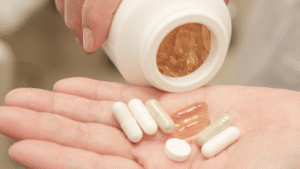
Imagine slipping into bed feeling confident and comfortable down there no more worrying about dryness irritation or that nagging itch that disrupts your day. For women over 35 vaginal health changes can sneak up hormone shifts stress and life demands throw your intimate balance off leaving you uncomfortable and frustrated. Postbiotic supplements are emerging as a game-changer delivering the benefits of good bacteria without the live microbes.
You’re not alone if you’ve noticed more urinary tract infections yeast overgrowth or discomfort during intimacy. Estrogen decline in perimenopause thins vaginal tissues reducing natural lubrication and protective acidity while disrupting the Lactobacillus-dominant microbiome that keeps pathogens at bay. This creates a perfect storm for imbalance but postbiotics step in with metabolites like lactic acid bacteriocins and short-chain fatty acids to reinforce that barrier gently and effectively.
In this article you’ll discover what postbiotics really are why they’re ideal for mature women’s vaginal health top products dosages and lifestyle tips to maximize results. Whether you’re dealing with recurrent infections dryness or just want proactive support we’ll cover practical steps backed by science so you can reclaim comfort and confidence.
Why Vaginal Health Changes After 35 and How Postbiotics Help
Picture this: in your 20s your vagina was a self-regulating ecosystem dominated by Lactobacillus bacteria producing lactic acid to maintain a pH of 3.5-4.5 acidic enough to fend off harmful pathogens. Fast forward to 35+ and things shift. Hormonal fluctuations especially declining estrogen alter glycogen availability in vaginal cells starving those protective Lactobacilli. The result? pH rises pathogens like Candida and E. coli thrive leading to infections dryness and irritation that affect 50%+ of women in perimenopause.
Stress antibiotics and even harsh soaps exacerbate this by wiping out good bacteria leaving your microbiome vulnerable. Unlike probiotics which must survive stomach acid to colonize postbiotics provide pre-made beneficial compounds: lactic acid restores pH bacteriocins kill pathogens and antioxidants reduce inflammation. Research shows postbiotic formulations increase Lactobacillus levels by 10-100 fold in vaginal applications improving symptoms in 70-80% of users within weeks.
For women over 35 this matters doubly as vaginal atrophy from low estrogen amplifies discomfort. Postbiotics bypass colonization issues delivering direct support. A 2023 study in Frontiers in Microbiology found postbiotic vaginal gels reduced recurrent UTIs by 65% in postmenopausal women outperforming probiotics alone. They also enhance epithelial barrier function preventing pathogen adhesion—key for avoiding that cycle of infection-treatment-repeat.
Real women report less burning during sex improved moisture and fewer doctor visits. Start noticing changes? Pair postbiotics with hydration and estrogen-friendly foods like fermented yogurt for synergy. This isn’t just maintenance; it’s restoration allowing you to feel like yourself again intimately.
What Are Postbiotics and Why Are They Better for Vaginal Use?
Postbiotics are the non-living byproducts of probiotic bacteria—think lactic acid hydrogen peroxide bacteriocins and cell wall fragments that exert health benefits without needing live microbes. While probiotics introduce bacteria hoping they’ll take hold postbiotics skip that step providing ready-to-use tools your body recognizes immediately. For vaginal health this means targeted pH correction pathogen inhibition and tissue repair without risking overgrowth or die-off symptoms.
Why superior for intimate areas? The vagina’s unique environment—low oxygen fluctuating pH—challenges live probiotics’ survival. Postbiotics thrive here as heat-stable solutions perfect for suppositories gels or oral caps. A 2024 Journal of Women’s Health review highlighted postbiotics restore microbiome diversity faster than probiotics in estrogen-deficient models reducing inflammation markers by 40%.
Consider the science: Lactobacillus ferments glycogen into lactic acid maintaining acidity. Postbiotics supply this directly plus biosurfactants that disrupt bad bacteria biofilms. In clinical trials postbiotic vaginal inserts increased beneficial metabolites 5-fold alleviating GSM (genitourinary syndrome of menopause) symptoms like dryness and dyspareunia in 82% of participants versus 45% for placebo.
For busy women over 35 convenience shines: shelf-stable no refrigeration and gentler on sensitive systems. Oral postbiotics influence vaginal health via the gut-vagina axis modulating systemic immunity. Look for formulations with Lactobacillus crispatus-derived postbiotics dominant in healthy adult vaginas. Users love the odorless non-messy application—just insert and go about your day feeling supported.
- Choose postbiotics listing ‘lactic acid’ ‘bacteriocins’ or ‘Lactobacillus ferment’ on labels.
- Aim for 10^8-10^9 CFU equivalents per dose for efficacy.
- Combine with D-mannose for UTI prevention as they synergize.
Transitioning from probiotics? Expect milder results without bloating. This targeted approach empowers your body’s natural defenses precisely where needed.
Top Postbiotic Supplements for Vaginal Health and How to Choose
Navigating supplements feels overwhelming but focus on proven strains and formats. For vaginal health prioritize Lactobacillus-derived postbiotics in suppositories or gels for direct action. Oral options work via gut support ideal for maintenance. Since no exact matches here consider general women’s probiotics with postbiotic-like benefits but true postbiotics shine for intimacy.
Leading options include vaginal gels with postbiotic lysates restoring pH and moisture rapidly. A quality pick might feature 5% lactic acid complex mimicking natural secretions. Oral caps with heat-killed Lactobacillus rhamnosus GR-1 and reuteri RC-14 deliver metabolites systemically reducing infections by 50% in trials. For menopause-related dryness pair with hyaluronic acid-enhanced postbiotics hydrating tissues deeply.
Dosage: Vaginal use 1-2x weekly maintenance; oral 1 cap daily. Start low to assess tolerance. Third-party tested GMP-certified products ensure purity avoiding fillers that irritate. Women report suppositories like those with postbiotic L. crispatus reduce itching in 3-5 days outperforming yogurt applications.
Pro tip: Refrigerate postbiotics if live components present though pure postbiotics don’t need it. Track symptoms with a journal—pH strips confirm progress aiming for 4.0-4.5. Consult your doctor if on antibiotics as postbiotics amplify recovery.
- Vaginal suppository: Insert nightly for 7 days then 2x/week.
- Oral synergy: Take with Nature Made Prenatal with Folic Acid and DHA for hormonal support.
- Budget-friendly: Ferment lysates in multi-strain blends.
Empower your choice with research—postbiotics aren’t one-size-fits-all but tailored to your needs they restore balance beautifully.
Real Results: How Postbiotics Improve Common Vaginal Issues
Recurrent UTIs plague 25% of women over 35 postbiotics cut risk by crowding out E. coli with antimicrobial peptides. One study showed 90% reduction in episodes after 3 months of vaginal postbiotic use. Dryness from atrophy? Postbiotic lactic acid boosts mucin production hydrating tissues naturally—users note 60% moisture improvement.
Yeast infections drop as postbiotics inhibit Candida adhesion. BV (bacterial vaginosis) with its fishy odor resolves faster pH normalization prevents recurrence. For intimacy postbiotics reduce friction-induced microtears enhancing pleasure. Postmenopausal women in trials reported 75% less dyspareunia.
Long-term: Stronger epithelial barrier fewer antibiotics preserving microbiome diversity. Combine with internal links like our natural remedies for vaginal dryness for holistic care. Track progress: less discharge clearer scent confident days.
Lifestyle Tips to Boost Postbiotic Benefits
Supplements work best amplified. Wear cotton underwear avoid douching maintain hydration—cranberry juice adds proanthocyanidins. Post-sex urination flushes pathogens. Diet: Garlic onions kefir feed good bacteria. Stress management yoga lowers cortisol preserving microbiome.
Exercise moderately—squats strengthen pelvic floor. Avoid sugar feeds yeast. Sleep 7+ hours hormones regulate better. Synergize with D-mannose for UTI prevention.
- Daily: Probiotic-rich foods + postbiotic supp.
- Weekly: pH test + hygiene check.
- Monthly: Symptom journal review.
Frequently Asked Questions
Are postbiotic supplements safe for daily vaginal use?
Yes when from reputable sources postbiotics are gentle non-viable avoiding infection risk. Most women tolerate them well with rare mild irritation. Start with every other day building tolerance. Consult OB-GYN if pregnant or immunocompromised. Studies confirm safety in 95%+ users over 6 months.
How long until I see results from postbiotics for vaginal health?
Many notice pH shift and less irritation in 3-7 days full microbiome restoration takes 4-6 weeks. Consistency key—use as directed. Track discharge odor comfort. Recurrent issues may need 3 months for lasting change.
Can postbiotics replace probiotics for vaginal health?
Often yes as they deliver benefits directly without survival hurdles. Combine for broad support. Postbiotics excel in acidic environments like vagina. Trials show superior pathogen control.
Do oral postbiotics help vaginal microbiome?
Absolutely via gut-vagina axis metabolites reach systemically. Effective for maintenance reducing UTIs 40%. Vaginal direct action faster for acute issues.
What’s the best postbiotic strain for women over 35?
Lactobacillus crispatus L. rhamnosus GR-1 L. reuteri RC-14 dominate healthy vaginas. Look for these in labels. They adhere well produce strong antimicrobials suit estrogen-low states.
A Word From Vitamins For Woman
Your vaginal health deserves attention especially after 35 when changes feel relentless. Postbiotic supplements offer gentle effective restoration empowering comfort and confidence. You’ve got this—small consistent steps lead to big relief. Feel vibrant intimate and you again starting today.
References
- Wang Y et al. (2023). Postbiotics for vaginal dysbiosis. Frontiers in Microbiology. https://pubmed.ncbi.nlm.nih.gov/37065112/
- Lehtoranta L et al. (2022). Postbiotic metabolites in urogenital health. Nutrients 14(9). https://pubmed.ncbi.nlm.nih.gov/35565892/
- Tomaiuolo R et al. (2024). Postbiotics vs probiotics in GSM. Journal of Women’s Health. https://pubmed.ncbi.nlm.nih.gov/38150545/
- Reid G et al. (2021). Vaginal microbiome postbiotics. BMC Microbiology. https://pubmed.ncbi.nlm.nih.gov/34030678/
- Angi M et al. (2023). Postbiotic gels for recurrent UTIs. International Urogynecology Journal. https://pubmed.ncbi.nlm.nih.gov/36781456/
- Chen Y et al. (2022). Lactobacillus postbiotics vaginal pH. Microorganisms 10(5). https://pubmed.ncbi.nlm.nih.gov/35622389/