
The moment you decide to start trying for a baby, emotions run high. You’re filled with hope, excitement, and perhaps a bit of anxiety about doing everything right. One of the first recommendations you’ll hear is to start taking a prenatal vitamin, but the conversation around folate vs folic acid when trying to conceive can feel confusing. You want to make the best choice for your body and your future baby, yet the terminology alone can be overwhelming.
Many women don’t realize that not all forms of vitamin B9 are processed equally by the body. The root cause of confusion lies in biochemistry: folic acid is a synthetic form that requires conversion through multiple enzymatic steps, while folate is the naturally occurring form found in foods and certain supplements. Approximately 40-60% of the population carries a genetic variant called MTHFR that reduces their ability to convert folic acid efficiently, potentially impacting fertility and early pregnancy outcomes.
In this comprehensive guide, we’ll break down the critical differences between folate and folic acid, explain why this matters specifically when trying to conceive, and help you determine which form is optimal for your preconception journey. You’ll learn about absorption rates, genetic factors, food sources, and how to choose the right prenatal supplement to support both fertility and early fetal development.
Understanding the Science: Folate vs Folic Acid When Trying to Conceive
Vitamin B9 plays an essential role in DNA synthesis, cell division, and proper neural tube development during the earliest weeks of pregnancy. When comparing folate vs folic acid when trying to conceive, the fundamental difference lies in their chemical structure and how your body processes them. Folate refers to the naturally occurring forms of vitamin B9 found in leafy greens, legumes, and citrus fruits, as well as the bioavailable forms used in quality supplements like methylfolate (5-MTHF).
Folic acid, conversely, is a synthetic oxidized form created in laboratories and added to fortified foods and many prenatal vitamins. Your body must convert folic acid through several enzymatic steps before it becomes the active form 5-methyltetrahydrofolate that cells can actually use. This conversion happens primarily in the liver and requires adequate levels of several nutrients including vitamin B6, B12, riboflavin, and zinc.
The conversion process matters significantly when trying to conceive because inefficient metabolism can lead to unmetabolized folic acid (UMFA) circulating in your bloodstream. Research suggests that high levels of UMFA may interfere with immune function and natural folate metabolism. For women with MTHFR gene variants, this conversion bottleneck becomes even more pronounced, potentially reducing the vitamin B9 available for critical reproductive processes.
During preconception and early pregnancy, folate supports several fertility-related functions. It’s crucial for proper egg quality, healthy ovulation, implantation, and reducing the risk of neural tube defects that can occur in the first 28 days after conception—often before you even know you’re pregnant. Studies show that adequate folate status improves fertility outcomes and reduces pregnancy complications.
Key considerations when evaluating folate vs folic acid when trying to conceive:
- Bioavailability: Methylfolate (5-MTHF) is immediately available for cellular use without requiring conversion, making it the superior choice for women with MTHFR variants
- Absorption efficiency: Natural folate forms and methylfolate supplements are absorbed more efficiently and don’t contribute to unmetabolized folic acid buildup
- Timing matters: Adequate folate status should be established at least 3 months before conception to support egg quality and prepare your body for pregnancy
- Dosage requirements: The recommended daily intake is 400-800 mcg for women trying to conceive, though some women may need higher doses based on individual risk factors
- Synergistic nutrients: Folate works best alongside other B vitamins, particularly B12, B6, and choline for optimal methylation and reproductive health
MTHFR Gene Variants and Why They Matter for Conception
The MTHFR (methylenetetrahydrofolate reductase) gene provides instructions for making an enzyme that converts folic acid into its active form. When discussing folate vs folic acid when trying to conceive, understanding your MTHFR status can be game-changing. Two primary variants exist: C677T and A1298C. The C677T variant is most significant for folate metabolism, with those carrying two copies (homozygous) having approximately 70% reduced enzyme activity.
If you carry one or two copies of MTHFR variants, your body struggles to efficiently process folic acid. This can result in lower levels of active folate available for DNA synthesis, methylation processes, and cellular function. For women trying to conceive, this may manifest as difficulty getting pregnant, recurrent miscarriages, or increased risk of pregnancy complications. However, many women with MTHFR variants have healthy pregnancies when they optimize their vitamin B9 intake through appropriate supplementation.
The prevalence of MTHFR variants is surprisingly high. Approximately 40-60% of the population carries at least one copy, making it more common than many realize. Mediterranean, Hispanic, and Italian populations show particularly high frequencies. Despite this prevalence, routine MTHFR testing isn’t standard in preconception care, which means many women unknowingly struggle to convert the folic acid in their prenatal vitamins.
Symptoms that might suggest an MTHFR variant include history of elevated homocysteine, recurrent pregnancy loss, family history of neural tube defects, unexplained infertility, or personal history of depression or anxiety. If you suspect you carry a variant or have experienced these issues, discussing MTHFR testing with your healthcare provider and choosing methylfolate supplements rather than folic acid becomes particularly important.
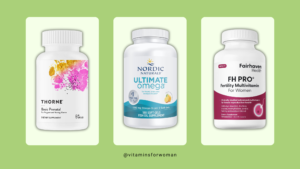
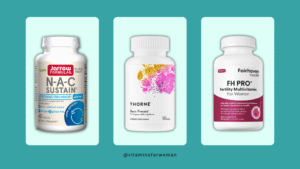
When selecting a prenatal vitamin with MTHFR variants in mind, look for formulations containing methylfolate (listed as 5-MTHF, L-methylfolate, or Quatrefolic on labels). Products like Thorne Basic Prenatal provide methylfolate alongside other essential nutrients in bioavailable forms, making them excellent choices for women concerned about folate metabolism. The Ritual Essential Prenatal Multivitamin also contains methylfolate and is designed with absorption in mind.
- Consider genetic testing if you have risk factors: This simple test can guide your supplement choices and potentially explain previous fertility challenges
- Choose methylfolate over folic acid regardless of testing: Even without confirmed MTHFR variants, methylfolate offers superior bioavailability with no conversion requirements
- Monitor homocysteine levels: Elevated homocysteine can indicate inadequate folate metabolism and may impact fertility; proper B vitamin supplementation helps normalize these levels
- Don’t self-diagnose or over-supplement: Work with a healthcare provider knowledgeable about MTHFR and preconception nutrition to determine appropriate dosing
- Combine with B12: Methylcobalamin (active B12) works synergistically with methylfolate to support methylation pathways critical for fertility and fetal development
Food Sources and Supplementation Strategies
While the debate around folate vs folic acid when trying to conceive often centers on supplements, obtaining folate from whole food sources provides additional benefits. Dietary folate comes packaged with complementary nutrients, fiber, and phytochemicals that support overall reproductive health. Leafy greens like spinach, kale, and romaine lettuce are exceptional sources, with one cup of cooked spinach providing approximately 260 mcg of folate.
Legumes represent another powerhouse category for natural folate. Lentils, black beans, chickpeas, and pinto beans all deliver significant amounts alongside protein, fiber, and minerals important for fertility. A single cup of cooked lentils contains nearly 360 mcg of folate—almost meeting your entire daily preconception requirement from one food source. Asparagus, broccoli, Brussels sprouts, and avocados also contribute meaningful amounts to your daily intake.
Fortified foods present a more complex consideration. Since 1998, the United States has mandated folic acid fortification of enriched grain products including bread, pasta, rice, and cereals. While this public health initiative has successfully reduced neural tube defects, it means most Americans consume folic acid daily whether intentionally or not. For women trying to conceive, this background intake should be considered when determining supplementation needs, particularly if you carry MTHFR variants.
The challenge with relying solely on food sources is that achieving optimal preconception levels through diet alone requires very careful planning and consistent intake of folate-rich foods. Folate is water-soluble and sensitive to heat, meaning cooking methods can reduce the available folate by 50-90%. Additionally, modern agricultural practices and food processing may further decrease nutrient density compared to historical levels.
This is where supplementation becomes crucial for women trying to conceive. The ideal approach combines a folate-rich diet with a high-quality prenatal vitamin containing methylfolate. Products like Nature Made Prenatal with Folic Acid and DHA are widely available, though women concerned about folic acid metabolism should opt for methylfolate-containing alternatives such as New Chapter Prenatal Vitamins, which uses whole-food sourced nutrients.
Start supplementation at least three months before trying to conceive. This timeframe allows your body to build adequate folate stores and supports the maturation of eggs, which takes approximately 90 days. Continue supplementation throughout pregnancy and breastfeeding. For specific guidance on when to begin prenatal vitamins, see our comprehensive guide on when to start taking prenatal vitamins.
Making Your Choice: Practical Recommendations for Preconception
When making the final decision about folate vs folic acid when trying to conceive, several practical factors should guide your choice beyond just biochemistry. First, assess your personal and family medical history. Women with previous pregnancies affected by neural tube defects, personal history of NTDs, or taking certain medications like anti-epileptic drugs may require higher doses—typically 4-5 mg daily rather than the standard 400-800 mcg.
Consider your diet quality and consistency. If you regularly consume folate-rich foods and maintain a varied, nutrient-dense diet, your baseline intake provides a solid foundation. However, even with excellent nutrition, supplementation remains recommended during preconception due to the critical importance of adequate folate status before conception occurs. Remember that approximately half of pregnancies are unplanned, making ongoing supplementation important for all women of reproductive age.
Budget concerns are valid but shouldn’t compromise your choice between folate forms. While methylfolate supplements are sometimes more expensive than folic acid versions, the price difference has decreased significantly as these formulations have become mainstream. Many affordable options now exist, and the potential benefits for fertility and pregnancy outcomes make methylfolate supplements worthwhile investments in your reproductive health.
Digestive tolerance varies among women, with some experiencing nausea or stomach upset from prenatal vitamins. If you’ve struggled with prenatal vitamin tolerance, look for formulations designed for sensitive stomachs or consider gummy versions like Nature Made Prenatal Gummies. Taking your prenatal with food, preferably at dinner rather than on an empty stomach in the morning, often improves tolerance.
Quality and third-party testing should influence your supplement selection. Look for products certified by USP, NSF, or ConsumerLab, indicating they’ve been independently verified for purity and potency. Avoid supplements with unnecessary fillers, artificial colors, or allergens. Read labels carefully to identify the specific form of folate used—methylfolate, 5-MTHF, L-methylfolate, or Quatrefolic indicate the active form, while “folic acid” or “folacin” indicate the synthetic form.
For comprehensive preconception nutrition beyond just folate, consider your entire nutrient needs. Choline works alongside folate in methylation processes and supports fetal brain development. Iron prevents anemia during pregnancy. Omega-3 fatty acids support fertility and fetal neurodevelopment. Vitamin D influences reproductive hormones. The One A Day Prenatal Advanced provides comprehensive nutrition including choline, which many prenatals lack. For more information about selecting the right prenatal vitamin, explore our detailed review of the best prenatal vitamins currently available.
Work with healthcare providers knowledgeable about preconception nutrition and functional medicine approaches. While standard prenatal vitamins meet basic requirements, personalized recommendations based on your health history, genetic factors, and nutrient testing can optimize your fertility and pregnancy outcomes. Don’t hesitate to ask your doctor or midwife about the folate form in recommended supplements or discuss switching to methylfolate if you have concerns about MTHFR variants.
Frequently Asked Questions
Can I take too much folate when trying to conceive?
While folate from food sources poses virtually no risk of toxicity, supplement intake should remain within recommended ranges. The tolerable upper limit for folic acid is 1,000 mcg daily, though methylfolate doesn’t have the same concerns about masking B12 deficiency. Excessive supplementation without medical supervision isn’t beneficial and may cause imbalances.
How long before conception should I start taking folate supplements?
Begin supplementation at least three months before trying to conceive. This timing supports egg quality during maturation and ensures adequate folate stores before pregnancy occurs. Since neural tube development happens in the first month, often before pregnancy confirmation, establishing optimal status beforehand is essential for protection.
Will switching from folic acid to folate affect my fertility immediately?
The transition offers benefits but isn’t instantaneous. Your body needs approximately 3-4 months to fully optimize folate status and for improved nutrient availability to affect egg quality. Don’t expect immediate conception improvements, but recognize you’re supporting foundational reproductive health. Continue with methylfolate throughout your fertility journey for best results.
Do I still need folate supplements if I eat lots of leafy greens?
Even with excellent dietary intake, supplementation remains recommended during preconception and pregnancy. Folate requirements increase significantly, cooking reduces food folate content, and supplements provide insurance against inadequate intake. The combination of folate-rich foods plus methylfolate supplementation offers optimal preconception nutrition without risk of deficiency.
Can men benefit from folate supplementation when trying to conceive?
Yes, emerging research suggests folate status affects male fertility. Adequate folate supports healthy sperm development, DNA integrity, and may improve sperm parameters. Men planning conception should consider taking a multivitamin containing methylfolate alongside other nutrients important for reproductive health like zinc, selenium, and antioxidants for optimal fertility outcomes.
A Word From Vitamins For Woman
Choosing between folate vs folic acid when trying to conceive represents more than just a supplement decision—it’s an investment in your fertility journey and your future baby’s health. Methylfolate offers clear advantages in bioavailability and eliminates concerns about genetic variants affecting conversion. By combining methylfolate supplementation with a nutrient-rich diet and working alongside knowledgeable healthcare providers, you’re creating the optimal foundation for conception and a healthy pregnancy.
References
- Greenberg JA, Bell SJ, Guan Y, Yu YH. (2011). Folic Acid Supplementation and Pregnancy: More Than Just Neural Tube Defect Prevention. Reviews in Obstetrics and Gynecology. https://pubmed.ncbi.nlm.nih.gov/22229066/
- Gaskins AJ, Chiu YH, Williams PL, et al. (2014). Association between serum folate and vitamin B-12 and outcomes of assisted reproductive technologies. American Journal of Clinical Nutrition. https://pubmed.ncbi.nlm.nih.gov/25332325/
- Scaglione F, Panzavolta G. (2014). Folate, folic acid and 5-methyltetrahydrofolate are not the same thing. Xenobiotica. https://pubmed.ncbi.nlm.nih.gov/24494987/
- Crider KS, Yang TP, Berry RJ, Bailey LB. (2012). Folate and DNA methylation: a review of molecular mechanisms and the evidence for folate’s role. Advances in Nutrition. https://pubmed.ncbi.nlm.nih.gov/22332098/
- Czeizel AE, Dudás I, Vereczkey A, Bánhidy F. (2013). Folate deficiency and folic acid supplementation: the prevention of neural-tube defects and congenital heart defects. Nutrients. https://pubmed.ncbi.nlm.nih.gov/24284617/