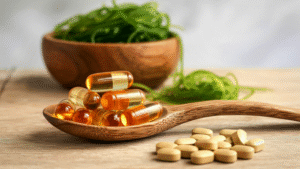

D-mannose for women is a natural, science-backed approach to UTI prevention that works differently than antibiotics. This simple sugar helps stop bacteria from sticking to your urinary tract, reducing infection risk. If you’re tired of recurring UTIs, understanding d-mannose dosage and how to use it properly could be a game-changer for your health.
If you’re a woman over 35, you’ve probably experienced the frustration of a urinary tract infection. That burning sensation, the constant urge to urinate, the urgency—it’s miserable. And if you’re one of the millions of women who get them repeatedly, you know how exhausting it is to cycle through antibiotics, worry about antibiotic resistance, and wonder if there’s a better way to prevent them from happening in the first place.
Here’s what many women don’t realize: your body has natural defenses against UTI-causing bacteria, and there’s a simple compound that can strengthen those defenses without a prescription. D-mannose is a naturally occurring sugar that works in a completely different way than antibiotics—it doesn’t kill bacteria; it prevents them from attaching to your urinary tract walls in the first place.
In this guide, we’ll walk you through everything you need to know about d-mannose for UTI prevention: how it works, the right dosage for women, how to use it effectively, and what the research actually shows about its effectiveness.
What Is D-Mannose and How Does It Work?
D-mannose is a simple sugar (a monosaccharide) that occurs naturally in fruits like cranberries, apples, and peaches. Unlike glucose, which your body metabolizes for energy, d-mannose passes through your system largely unchanged and is excreted in your urine.
Here’s where it gets interesting: about 90% of UTIs are caused by E. coli bacteria, which have tiny hair-like structures called fimbriae that allow them to cling to the cells lining your urinary tract. Once bacteria attach to these cells, they can multiply and cause infection. D-mannose works by binding to the fimbriae on E. coli bacteria, essentially coating them so they can’t stick to your urinary tract walls. Instead, the bacteria are flushed out naturally when you urinate.
Think of it this way: d-mannose acts like a decoy. The bacteria grab onto the d-mannose molecules floating in your urine instead of latching onto your bladder and urethra. This mechanism is fundamentally different from antibiotics, which kill bacteria outright. That’s why d-mannose can be used preventatively without creating antibiotic-resistant bacteria—a growing concern in modern medicine.
This approach is particularly valuable for women dealing with recurrent UTIs, also called recurrent uncomplicated UTIs (rUTIs). If you’ve had three or more UTIs in a year, or two in the past six months, you understand how disruptive this pattern can be to your life and your confidence.
D-Mannose Dosage for Women: What Does Research Show?
The dosage of d-mannose matters significantly for effectiveness. Too little won’t provide adequate protection; too much may cause digestive discomfort. Most research on d-mannose has examined specific dosing protocols, and here’s what the evidence suggests.
For UTI prevention in women, the most commonly studied and recommended dose is 2 grams (2,000 mg) daily, typically taken once in the morning or divided into two 1-gram doses. Some studies have used doses up to 3 grams daily, but 2 grams appears to be the sweet spot for effectiveness without excessive side effects.
If you’re using d-mannose to treat an active UTI or during a high-risk period (like after sexual activity, which is a common UTI trigger), some practitioners recommend increasing the dose to 2-3 grams taken every 2-3 hours for the first day or two, then returning to the standard 2-gram daily dose for prevention. However, it’s important to consult with your healthcare provider before using d-mannose therapeutically, especially if you have an active infection.
The timing of d-mannose also matters. Most recommendations suggest taking it in the morning on an empty stomach or with light food, as this allows better absorption and ensures it reaches your urinary system effectively. Some women also take a dose before bed to maintain protection throughout the night.
Duration matters too. D-mannose isn’t a one-time fix—it works best as a consistent preventative measure. Studies examining its effectiveness typically ran for 3-6 months, suggesting you should use it regularly for at least this long to assess whether it’s working for your individual situation.
How to Use D-Mannose Effectively for UTI Prevention
Understanding dosage is only half the battle. How you use d-mannose—and what you combine it with—significantly impacts its effectiveness. Here are practical strategies for getting the best results.
Start with hydration as your foundation. D-mannose only works if bacteria are being flushed out of your system. This means drinking adequate water is non-negotiable. Most experts recommend at least 2-3 liters of water daily, more if you’re prone to UTIs. When you’re well-hydrated, you urinate more frequently, which naturally helps prevent bacterial overgrowth.
Take it consistently. D-mannose works best as a preventative when taken daily, not sporadically. Set a reminder on your phone if needed. Many women find it helpful to take their d-mannose dose at the same time each day, paired with another daily habit like brushing their teeth or having their morning coffee.
Consider timing around high-risk activities. If you notice UTIs often follow sexual activity, take an extra dose of d-mannose before or immediately after intercourse. Similarly, if you travel frequently or experience stress-related UTIs, increase your intake during those periods.
Combine with other supportive practices. While d-mannose is effective on its own, combining it with other evidence-based UTI prevention strategies amplifies results. This includes urinating after sexual activity, wiping front-to-back, avoiding irritating feminine products, and wearing breathable cotton underwear.
Monitor your response. Keep track of UTI frequency before and after starting d-mannose. Give it at least 3 months before deciding whether it’s working for you. Some women see results within weeks; others need longer. If you’re not seeing improvement after 3-6 months of consistent use, d-mannose may not be your answer, and other approaches should be explored with your healthcare provider.
D-Mannose vs. Cranberry: Which Is Better for UTI Prevention?
You’ve probably heard about cranberry for UTI prevention—it’s been a folk remedy for decades. But how does it compare to d-mannose, and should you use one, both, or neither?
Cranberry contains proanthocyanidins (PACs), compounds that work similarly to d-mannose by preventing bacteria from adhering to urinary tract cells. However, the concentration of active compounds in cranberry products varies widely, and you’d need to consume large quantities of cranberry juice (with all its sugar) or take multiple capsules to get therapeutic doses.
D-mannose has several advantages over cranberry: it’s more concentrated (you get a specific dose rather than variable amounts), it doesn’t contain added sugars like cranberry juice does, and research specifically on d-mannose is more straightforward. That said, some women find that combining both approaches works best for them, as they have slightly different mechanisms and may work synergistically.
The bottom line: d-mannose is generally considered more practical and effective for UTI prevention, but individual responses vary. If cranberry has worked for you, there’s no need to switch. If you’re looking for something new or more concentrated, d-mannose is worth trying.
What Does the Research Actually Show About D-Mannose Effectiveness?
It’s important to be honest about what science tells us regarding d-mannose. The research is promising but not perfect, and it’s important to have realistic expectations.
Several clinical studies have examined d-mannose for UTI prevention. A notable study published in the World Journal of Urology found that women taking 2 grams of d-mannose daily had significantly fewer recurrent UTIs compared to those taking a placebo. Another study comparing d-mannose to the antibiotic nitrofurantoin found similar effectiveness, suggesting d-mannose could be a viable alternative for prevention in women who want to avoid antibiotics.
However, the research base isn’t as extensive as we might like. Most studies have been relatively small, and more large-scale research is needed to fully understand d-mannose’s effectiveness across different populations. Additionally, d-mannose appears to work best for prevention rather than treatment of active infections—if you already have a UTI, antibiotics are typically necessary.
What’s clear is that d-mannose is safe, well-tolerated, and has a logical mechanism of action. For many women, especially those dealing with recurrent UTIs who want to avoid repeated antibiotic use, it’s worth trying under professional guidance.
Potential Side Effects and Safety Considerations
One of d-mannose’s major advantages is its excellent safety profile. Because it’s a naturally occurring sugar that your body doesn’t metabolize, serious side effects are rare. However, there are some considerations to keep in mind.
Digestive effects: The most common side effect is mild gastrointestinal discomfort—bloating, gas, or loose stools. This typically occurs at higher doses or when first starting d-mannose. Starting with a lower dose and gradually increasing can minimize this. Taking it with food may also help.
Blood sugar considerations: If you have diabetes or prediabetes, discuss d-mannose with your healthcare provider. While d-mannose doesn’t significantly raise blood glucose like regular sugar does, it’s still a sugar and should be monitored in diabetic individuals.
Pregnancy and breastfeeding: D-mannose is generally considered safe during pregnancy and breastfeeding, as it’s a naturally occurring compound. However, always consult your healthcare provider before starting any new supplement during these periods.
Drug interactions: D-mannose doesn’t typically interact with medications, but if you’re taking antibiotics, some practitioners suggest spacing them apart (taking d-mannose several hours before or after antibiotics) to avoid any potential interference.
Choosing a Quality D-Mannose Supplement
Not all d-mannose supplements are created equal. Here’s how to choose one that will actually work for you.
Look for pure d-mannose. Check the ingredient list—ideally, you want d-mannose as the primary or only active ingredient. Some products add fillers, sweeteners, or other compounds that aren’t necessary and may cause digestive upset.
Verify the dose per serving. Make sure each serving provides enough d-mannose to reach the therapeutic 2-gram daily dose without taking excessive capsules or powder.
Check for third-party testing. Look for products tested by NSF International, USP, or ConsumerLab to verify purity and that the product contains what the label claims.
Consider the form. D-mannose comes as capsules, powder, or tablets. Powder is often more economical and allows dose flexibility, while capsules are convenient for travel. Choose based on your preference and lifestyle.
Popular options include d-mannose supplements available on Amazon, which offer various brands and price points. Read reviews from other women with recurrent UTIs to see what’s worked for them.
D-Mannose for Women Over 35: Special Considerations
Women over 35 face unique UTI challenges. Hormonal changes, particularly declining estrogen, can affect urinary tract health. Additionally, women in this age group often have busier, more stressful lives, which can impact hydration and overall immune function.
For women over 35, d-mannose can be particularly valuable because it offers a non-hormonal, non-invasive approach to UTI prevention. It doesn’t interact with hormonal birth control or hormone replacement therapy, making it compatible with most treatment plans women in this age group are using.
If you’re approaching or in perimenopause, you might notice UTI frequency increasing. This is partly due to estrogen’s role in maintaining healthy urinary tract tissue. D-mannose can be especially helpful during this transition, particularly when combined with other supportive strategies like adequate hydration and regular urination.
Frequently Asked Questions
How long does it take for d-mannose to work for UTI prevention?
Most women notice a reduction in UTI frequency within 3-6 months of consistent daily use. However, some experience benefits within weeks. It’s important to give it at least 3 months before deciding whether it’s effective for you, as prevention works gradually rather than providing immediate relief like antibiotics do for active infections.
Can I use d-mannose if I have an active UTI?
D-mannose is designed for prevention, not treatment of active infections. If you have symptoms of a UTI—burning during urination, urgency, frequency, or pelvic pain—see your healthcare provider for proper diagnosis and treatment, which typically requires antibiotics. You can start d-mannose after the infection is cleared to help prevent recurrence.
Is d-mannose safe to take long-term?
Yes, d-mannose is safe for long-term use. Because it’s a naturally occurring sugar that your body doesn’t metabolize, it doesn’t accumulate in your system or cause the concerns associated with long-term antibiotic use. Many women take it indefinitely for UTI prevention without issues.
Will d-mannose work for everyone with recurrent UTIs?
D-mannose works well for many women, particularly those whose UTIs are caused by E. coli (which accounts for about 90% of cases). However, if your UTIs are caused by other bacteria, d-mannose may be less effective. If d-mannose hasn’t helped after 3-6 months of consistent use, discuss other approaches with your healthcare provider.
Can I take d-mannose with antibiotics?
Yes, d-mannose and antibiotics can be used together. Some practitioners recommend spacing them a few hours apart to avoid any potential interference, but they’re not contraindicated. In fact, using d-mannose after completing an antibiotic course can help prevent recurrence.
A Word From Vitamins For Woman
Recurrent UTIs are frustrating, disruptive, and can make you feel like your body is working against you. The good news is that you have options beyond the antibiotic cycle, and d-mannose represents a natural, evidence-supported approach that empowers you to take control of your urinary health. Whether you choose d-mannose, cranberry, or another strategy, the key is finding what works for your unique body and sticking with it consistently. Your health matters, and you deserve solutions that fit your values and lifestyle.
References
- Kranjčec, B., Papeš, D., & Altarac, S. (2014). D-mannose powder for prophylaxis of recurrent urinary tract infections in women: a randomized clinical trial. World Journal of Urology, 32(1), 79-84. https://pubmed.ncbi.nlm.nih.gov/23633128/
- Porru, D., Parmigiani, A., Tinelli, C., et al. (2014). Oral D-mannose in recurrent urinary tract infections in women: a pilot study. Journal of Clinical Urology, 7(3), 208-213. https://pubmed.ncbi.nlm.nih.gov/28540094/
- Cormio, L., Battaglia, M., Cormio, G., et al. (2015). Oral D-mannose and microorganism-derived proanthocyanidins for recurrent urinary tract infections: a randomized double-blind study. European Review for Medical and Pharmacological Sciences, 19(11), 2209-2220. https://pubmed.ncbi.nlm.nih.gov/26121547/
- Altarac, S., & Papeš, D. (2014). Use of D-mannose in prophylaxis of recurrent urinary tract infections (UTIs) in women. BJU International, 113(1), 9-10. https://pubmed.ncbi.nlm.nih.gov/24053309/
- Maki, K. C., Kaspar, K. L., Khoo, C., et al. (2016). Consumption of cranberry juice beverage lowered the number of clinical urinary tract infection episodes in women. American Journal of Clinical Nutrition, 103(6), 1434-1442. https://pubmed.ncbi.nlm.nih.gov/27146014/
- Gupta, K., Hooton, T. M., Naber, K. G., et al. (2011). International clinical practice guidelines for the treatment of acute uncomplicated cystitis and pyelonephritis in women. Clinical Infectious Diseases, 52(5), e103-e120. https://pubmed.ncbi.nlm.nih.gov/21292654/
- Nicolle, L. E. (2014). Urinary tract infection in the elderly. Current Opinion in Infectious Diseases, 27(5), 413-417. https://pubmed.ncbi.nlm.nih.gov/25101554/
- Beerepoot, M. A., ter Riet, G., Nys, S., et al. (2012). Cranberries vs antibiotics to prevent urinary tract infections: a randomized double-blind noninferiority trial in premenopausal women. Archives of Internal Medicine, 171(14), 1270-1278. https://pubmed.ncbi.nlm.nih.gov/21788540/