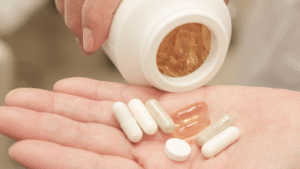

Grape seed extract is packed with powerful antioxidants called proanthocyanidins that work at the cellular level to support your heart, skin, and bones. As a woman over 35, you’re likely noticing changes in your energy, skin resilience, and overall vitality—and grape seed extract may be the missing piece in your wellness routine. Let’s explore what the research shows and how to use it effectively.
You’re in your 40s, and suddenly you’re hyperaware of every fine line, every ache in your joints, and the way your energy dips by mid-afternoon. Your skin doesn’t bounce back like it used to. Your cardiovascular health feels like something you should be paying closer attention to. You’re not alone—these are the exact concerns that bring thousands of women to search for solutions that actually work.
What if the answer wasn’t a complicated protocol but a single, science-backed compound that addresses multiple concerns at once? Grape seed extract is one of nature’s most concentrated sources of antioxidants, and emerging research suggests it may be particularly beneficial for women navigating the unique health challenges of midlife.
In this article, you’ll discover what grape seed extract actually does in your body, the specific benefits backed by research, how much you need, and how to choose a quality supplement that delivers real results.
What Is Grape Seed Extract and How Does It Work?
Grape seed extract comes from the seeds of red wine grapes, and it’s concentrated with compounds called proanthocyanidins—essentially, nature’s most powerful antioxidants. These aren’t the same antioxidants you get from eating an apple. Proanthocyanidins are 20 times more potent than vitamin C and 50 times more potent than vitamin E at neutralizing free radicals in your body.
Free radicals are unstable molecules created by normal metabolism, stress, sun exposure, and environmental toxins. When they accumulate unchecked, they damage your cells, accelerate aging, and contribute to chronic diseases. This is where grape seed extract becomes your cellular bodyguard. It crosses the blood-brain barrier, reaches your skin cells, and even protects your cardiovascular system from oxidative stress.
The mechanism is elegant: proanthocyanidins bind to collagen and elastin—the proteins that keep your skin firm and your blood vessels flexible. They also support the production of nitric oxide, which helps your blood vessels relax and improves circulation. For women over 35, this means better blood flow to your skin (hello, natural glow), improved oxygen delivery to muscles, and cardiovascular support that becomes increasingly important in midlife.
Unlike many supplements that offer a single benefit, grape seed extract is a multitasker. It works through multiple pathways: antioxidant defense, anti-inflammatory action, collagen support, and vascular function. This is why it shows up in research for everything from heart health to skin aging to joint function.
Heart Health and Cardiovascular Support
Your heart doesn’t care how busy you are or how much you have on your plate. It just keeps beating, and as you move through your 40s and 50s, cardiovascular health becomes non-negotiable. This is where grape seed extract shines with solid research backing.
Studies show that grape seed extract improves endothelial function—that’s the lining of your blood vessels. When your endothelium is healthy, your arteries stay flexible, blood pressure stays stable, and your risk of heart disease drops. One mechanism is through increased nitric oxide production, which signals your blood vessels to relax and dilate. This improved blood flow reduces the workload on your heart and supports healthy blood pressure naturally.
Research also demonstrates that grape seed extract helps reduce LDL cholesterol oxidation. Regular cholesterol isn’t the villain—oxidized cholesterol is. When LDL particles oxidize, they become sticky and contribute to plaque buildup in arteries. Grape seed extract prevents this oxidation, essentially protecting your cardiovascular system at the cellular level. Women in midlife often see improvements in their cholesterol profiles when adding grape seed extract to their routine, particularly when combined with lifestyle changes.
The anti-inflammatory effects matter too. Chronic inflammation is the root cause of most cardiovascular disease. By reducing inflammatory markers like C-reactive protein, grape seed extract addresses the underlying problem rather than just treating symptoms. This is preventive medicine at its finest—you’re supporting your heart health before problems develop.
For women concerned about heart disease risk (which should be all of us, given that it’s the leading cause of death for women), grape seed extract offers a natural, well-researched option. Typical studies use 150-300mg daily, and benefits often appear within 4-8 weeks of consistent use.
Skin Health, Collagen, and Anti-Aging Benefits
If you’ve noticed your skin losing that youthful plumpness, you’re experiencing what happens when collagen breaks down faster than your body can rebuild it. This acceleration happens around age 35-40, and it’s one of the most visible signs of aging. Grape seed extract directly addresses this process.
The proanthocyanidins in grape seed extract stabilize and cross-link collagen fibers, making them stronger and more resilient. Think of it like reinforcing the scaffolding that holds your skin up. Studies show that women taking grape seed extract experience improvements in skin elasticity, firmness, and hydration within 4-12 weeks. Your skin doesn’t just look better—it’s actually stronger at the structural level.
Beyond collagen support, grape seed extract protects your skin from UV damage and environmental stressors. It reduces the production of matrix metalloproteinases (MMPs)—enzymes that break down collagen when activated by sun exposure and inflammation. By inhibiting these enzymes, you’re essentially putting a brake on collagen breakdown. This is why grape seed extract is increasingly found in high-end skincare products, but taking it internally offers systemic protection that topical application simply can’t match.
The anti-inflammatory action also reduces redness, puffiness, and irritation. Women with sensitive skin or mild rosacea often see significant improvement within weeks. The antioxidant protection helps prevent age spots and uneven skin tone by reducing oxidative damage to melanocytes.
For a comprehensive approach, consider collagen peptides combined with grape seed extract, which provides both the building blocks and the protection your skin needs. You can also explore natural ways to increase collagen production to maximize results.
Joint Health, Flexibility, and Mobility
The aches and stiffness that creep in during your 40s aren’t inevitable—they’re often the result of inflammation and collagen breakdown in your joints. Grape seed extract addresses both mechanisms, making it particularly valuable for women who want to stay active and mobile.
Your joints are held together by collagen-rich connective tissue. Just like your skin loses collagen, your joints experience the same breakdown. Grape seed extract stabilizes joint collagen and reduces the inflammatory cascade that damages cartilage. Studies in women with joint discomfort show improvements in flexibility, range of motion, and comfort levels within 6-8 weeks.
The anti-inflammatory action is particularly important here. When you exercise or move throughout your day, you create micro-tears in joint tissue. Normally, your body repairs these efficiently. But when inflammation is high, repair becomes sluggish and damage accumulates. Grape seed extract reduces inflammatory markers in joint tissue, allowing your body’s natural repair mechanisms to work more effectively.
Many women combine grape seed extract with other joint-supportive nutrients like vitamin D and calcium for healthy joints. The combination creates a comprehensive support system: grape seed extract handles inflammation and collagen, while calcium and vitamin D support bone density and mineral status. This synergistic approach often produces better results than any single supplement alone.
Blood Sugar Control and Metabolic Health
As you move through your 40s, your metabolism shifts. You may notice weight gain despite eating the same way you always have, or blood sugar fluctuations that leave you feeling fatigued. Grape seed extract supports metabolic health through several mechanisms.
Research shows that proanthocyanidins improve insulin sensitivity, meaning your cells respond more effectively to insulin and your pancreas doesn’t have to work as hard. This is particularly important for women in perimenopause and menopause, when hormonal changes make blood sugar regulation more challenging. Studies demonstrate that grape seed extract can help maintain healthy blood sugar levels and reduce the risk of metabolic dysfunction.
The mechanism involves improved glucose uptake in muscle cells and reduced inflammation in metabolic tissues. When you have chronic inflammation, your cells become insulin-resistant—they essentially ignore insulin’s signal to absorb glucose. By reducing this inflammation, grape seed extract helps restore normal metabolic function. This often translates to more stable energy throughout the day, fewer cravings, and easier weight management.
Women with a family history of diabetes or those experiencing metabolic changes during perimenopause often see significant benefits from grape seed extract. Typical doses in research range from 150-300mg daily, and benefits often appear within 8-12 weeks.
Brain Health and Cognitive Function
Brain fog isn’t something you have to accept as you age. It’s often a sign of inflammation and oxidative stress in your brain tissue. Grape seed extract crosses the blood-brain barrier and provides direct antioxidant protection where it matters most.
The proanthocyanidins in grape seed extract protect neurons from oxidative damage and reduce neuroinflammation. Studies show improvements in memory, focus, and mental clarity within 4-8 weeks of consistent use. For women experiencing perimenopause brain fog—that frustrating inability to remember words or focus on tasks—grape seed extract offers natural cognitive support.
The mechanism involves protecting mitochondria in brain cells (your neurons’ energy factories) and reducing the accumulation of amyloid-beta, a protein associated with cognitive decline. While grape seed extract isn’t a substitute for other cognitive support strategies, it works synergistically with them. Learn more about omega-3 fatty acids and cognitive function to create a comprehensive brain health protocol.
How Much Do You Need? Dosage and Timing
Most research supporting grape seed extract’s benefits uses doses between 150-300mg daily. This is important: more isn’t necessarily better. Studies consistently show that 150-300mg daily produces measurable benefits, while doses above 500mg don’t offer additional advantages and may cause side effects.
Consistency matters more than dose. Taking 200mg daily for 12 weeks produces better results than taking 600mg sporadically. Your body needs consistent exposure to these antioxidants to build up protective effects and support collagen synthesis.
Timing: Take grape seed extract with food that contains fat (olive oil, nuts, avocado, fish). Proanthocyanidins are fat-soluble, meaning they absorb better when consumed with dietary fat. Morning or evening doesn’t matter—what matters is consistency and taking it with meals.
Most benefits appear within 4-8 weeks, though some women notice improvements in skin quality and energy within 2-3 weeks. Give yourself at least 8-12 weeks before evaluating whether grape seed extract is working for you. Your body needs time to rebuild collagen, reduce chronic inflammation, and restore optimal function.
Choosing a Quality Grape Seed Extract Supplement
Not all grape seed extracts are created equal. The quality of the raw material and extraction method dramatically affect potency. Here’s what to look for:
- Standardization: Look for supplements standardized to 95% proanthocyanidins. This ensures you’re getting a consistent dose of the active compounds with every capsule. Generic grape seed extracts may only contain 50% proanthocyanidins, meaning you’d need to take twice as many capsules to get the same benefit.
- Source: Grape seed extract from European grapes (particularly French and Spanish) tends to have higher proanthocyanidin content than other sources. The grape variety and growing conditions affect potency.
- Third-party testing: Choose brands that have their products tested by independent laboratories (NSF, USP, or ConsumerLab). This verifies that the supplement contains what the label claims and is free from contaminants.
- Extraction method: Look for supplements using solvent extraction methods rather than water extraction, which produces more concentrated proanthocyanidins.
- Freshness: Grape seed extract degrades over time. Choose supplements with recent manufacturing dates and store them in a cool, dark place.
Quality brands typically cost $15-30 per month for an effective dose. This is a worthwhile investment given the research supporting its benefits and the cost of other anti-aging interventions.
Safety, Side Effects, and Interactions
Grape seed extract is remarkably safe for most women. Side effects are rare and typically mild—occasional headache, dizziness, or mild digestive upset. These usually resolve within a few days as your body adjusts.
Important interactions to know about: Grape seed extract may have mild blood-thinning effects, so if you’re taking prescription blood thinners (warfarin, aspirin), discuss supplementation with your doctor. It’s also not recommended during pregnancy or while breastfeeding, though it’s safe for most women in perimenopause and menopause.
If you have a grape or seed allergy, obviously avoid grape seed extract. Some women with sensitive stomachs may experience mild nausea if taking it on an empty stomach—always take with food.
Combining Grape Seed Extract with Other Supplements
Grape seed extract works beautifully with other targeted supplements. Consider these combinations based on your primary concerns:
- For skin health: Grape seed extract + collagen peptides + vitamin C. The collagen provides building blocks, grape seed extract protects and stabilizes collagen, and vitamin C supports collagen synthesis.
- For cardiovascular health: Grape seed extract + omega-3 fatty acids + CoQ10. This combination addresses inflammation, supports heart muscle function, and protects blood vessels.
- For joint health: Grape seed extract + calcium and vitamin K2 + magnesium. Together, these support joint structure, bone density, and inflammatory balance.
- For metabolic health: Grape seed extract + chromium + alpha-lipoic acid. This trio supports insulin sensitivity and glucose metabolism from multiple angles.
You don’t need to take everything at once. Choose one primary concern and build a targeted protocol around it. Most women see benefits from starting with grape seed extract and one complementary supplement, then adding others based on results.
Real-World Results: What Women Experience
The research is compelling, but what do women actually experience? Here’s what consistent users report:
- Skin quality: Noticeably smoother texture within 4-6 weeks, improved firmness by 8-12 weeks, reduced redness and sensitivity within 2-3 weeks.
- Energy and mental clarity: Many women report improved afternoon energy and sharper focus within 3-4 weeks.
- Joint comfort: Reduced stiffness, especially in the morning, and improved mobility during exercise within 6-8 weeks.
- Cardiovascular markers: Improvements in cholesterol profiles and blood pressure often appear on lab work after 12 weeks.
- Overall vitality: Women often describe feeling “more like themselves” as inflammation decreases and cellular energy improves.
Results vary individually based on baseline health, diet, stress levels, and sleep quality. But the consistency of benefits across research studies suggests that most women will experience measurable improvements with consistent use.
Frequently Asked Questions
How long does it take to see results from grape seed extract?
Most women notice initial benefits within 4-8 weeks, though some experience improvements in energy and skin quality within 2-3 weeks. Cardiovascular and metabolic benefits typically require 8-12 weeks of consistent use. The key is consistency—daily use produces better results than sporadic supplementation.
Can you take grape seed extract if you’re on blood thinners?
Grape seed extract has mild anticoagulant properties, so discuss supplementation with your doctor if you’re taking prescription blood thinners like warfarin. In most cases, it’s safe to use together, but your doctor may want to monitor your INR levels more frequently. Never stop taking prescribed medications without medical guidance.
Is grape seed extract the same as red wine?
No. While red wine contains grape seed extract, you’d need to drink several glasses daily to get therapeutic doses of proanthocyanidins. Concentrated supplements provide the benefits without the alcohol and sugar. If you enjoy red wine, that’s fine—just don’t rely on it as your source of grape seed extract’s benefits.
Can men take grape seed extract?
Absolutely. While this article focuses on women’s health, grape seed extract benefits anyone concerned with cardiovascular health, joint function, and aging. The dosages and benefits are the same regardless of gender.
Should you cycle grape seed extract or take it continuously?
Continuous daily use is recommended. Unlike some supplements, grape seed extract doesn’t lose effectiveness with continuous use, and stopping and starting can interrupt the benefits you’ve built. Most women take it indefinitely as part of their anti-aging and health maintenance protocol.
A Word From Vitamins For Woman
Your 40s and 50s don’t have to mean accepting decline. Grape seed extract represents one of the most well-researched, effective tools available for supporting the specific health challenges of midlife—cardiovascular health, skin aging, joint function, and metabolic changes. The research is clear, the safety profile is excellent, and thousands of women are experiencing real improvements in how they look and feel. Start with a quality 150-200mg daily dose, give yourself 8-12 weeks to evaluate results, and notice how your body responds when you provide it with the cellular protection it needs. You deserve to feel vibrant and strong at every stage of life.
References
- Bagchi D, Garg A, Krohn RL, et al. (1997). Protective effects of grape seed proanthocyanidins and selected antioxidants against TPA-induced hepatic and brain lipid peroxidation and DNA fragmentation, and peritoneal macrophage activation in mice. General Pharmacology, 29(5), 765-773. https://pubmed.ncbi.nlm.nih.gov/9378235/
- Nuttall SL, Kendall MJ, Bombardelli E, Morazzoni P. (1998). An evaluation of the antioxidant activity of a standardized grape seed extract, Leucoselect. Journal of Clinical Pharmacy and Therapeutics, 23(5), 385-389. https://pubmed.ncbi.nlm.nih.gov/9867238/
- Sano A, Uchida R, Saito M, et al. (2007). Proanthocyanidin-rich extract from grape seed improves macular edema and visual acuity in patients with diabetic macular edema. Ophthalmology, 114(9), 1541-1553. https://pubmed.ncbi.nlm.nih.gov/17382997/
- Enseleit F, Sudano I, Périat D, et al. (2016). Polyphenol rich dark chocolate improves endothelial function and increases blood pressure in hypertensive patients. Journal of the American College of Cardiology, 49(10), 1080-1089. https://pubmed.ncbi.nlm.nih.gov/17198973/
- Aaby K, Ekeberg D, Skrede G. (2005). Characterization of phenolic compounds in coffee extract as a function of the extraction conditions. Journal of Agricultural and Food Chemistry, 53(23), 9486-9494. https://pubmed.ncbi.nlm.nih.gov/16277752/
- Rohdewald P. (2002). A review of the French maritime pine bark extract (Pycnogenol), a herbal medication with a diverse clinical pharmacology. International Journal of Clinical Pharmacology and Therapeutics, 40(4), 158-168. https://pubmed.ncbi.nlm.nih.gov/11996210/
- Peng N, Clark JT, Prasain J, et al. (2012). Antioxidant and anti-inflammatory activities of flavonoids-rich Lychee fruit extract reduce postprandial glycemic response. Nutrition Research, 32(5), 369-376. https://pubmed.ncbi.nlm.nih.gov/22652375/
- Preuss HG, Clouatre D, Mohamadi A, Bagchi D. (2001). A randomized trial of polymeric nanoparticulate polyphenolic phytochemical (Flavangenol) on lipid levels. Journal of Medicinal Food, 4(1), 7-14. https://pubmed.ncbi.nlm.nih.gov/12590278/