
Picture this: you’re in your late 30s or 40s, life is full with work, family, maybe even perimenopause creeping in, and suddenly your body feels off down there. That subtle itch, occasional odor, or discomfort after intimacy that wasn’t there before—it’s frustrating and embarrassing to even think about, let alone talk about. You’re not alone; vaginal pH imbalance affects up to 70% of women over 35 at some point, often due to hormonal shifts, stress, or lifestyle changes.
What’s happening is your vaginal microbiome—that delicate ecosystem of good bacteria keeping things acidic and healthy—is getting disrupted. Estrogen decline makes it harder for lactobacilli to thrive, pH creeps up from the ideal 3.8-4.5, and bad bacteria or yeast take over. Symptoms like discharge, burning, or UTIs become your new normal, impacting confidence and intimacy.
In this article, you’ll discover what postbiotic supplements are, why they’re a game-changer for vaginal pH balance, and practical steps to use them effectively. We’ll cover the science simply, top recommendations, and lifestyle tips so you can feel fresh and comfortable again.
Why Vaginal pH Balance Matters More After 35
After 35, your hormones start their inevitable shift. Estrogen, which fuels glycogen production in vaginal cells (food for good lactobacilli), begins to drop. Without enough glycogen, lactobacilli can’t produce lactic acid to maintain that protective low pH. Result? pH rises, pathogens thrive, and you get bacterial vaginosis (BV), yeast infections, or general irritation.
Studies show women over 35 have a 2-3x higher risk of BV recurrence because the microbiome recovery slows with age. Hormonal changes also thin vaginal walls, reducing natural defenses. Add stress (cortisol kills good bacteria), antibiotics, or even tight synthetic underwear, and imbalance hits fast. One study in Journal of Women’s Health found 40% of perimenopausal women experience chronic vaginal discomfort linked to pH shifts.
The impact goes beyond physical annoyance. Imbalanced pH correlates with painful sex, urinary issues, and even mood dips from constant worry. Restoring balance isn’t just hygiene—it’s reclaiming comfort, confidence, and intimacy. Postbiotics step in here because they deliver the end-products of good bacteria (like lactic acid, bacteriocins) directly, bypassing the need to colonize live probiotics which often fail in the vagina.
Practical first step: test your pH at home with strips (aim for 4.0-4.5). If off, diet tweaks like more fermented foods help, but supplements accelerate recovery. Women report 80% symptom relief in 2-4 weeks with consistent use.
- Avoid douching or scented products—they wreck pH worse.
- Wear cotton underwear and change post-workout.
- Stay hydrated; dehydration thickens discharge, trapping bad bugs.
This foundation sets you up for postbiotic success. Next, let’s break down what postbiotics really are.
What Are Postbiotic Supplements and How Do They Work for Vaginal Health?
Postbiotics are the powerful byproducts of probiotics—think lactic acid, short-chain fatty acids, peptides, and enzymes produced when good bacteria ferment fibers. Unlike probiotics (live bacteria that must survive stomach acid and compete to stick around), postbiotics are stable, targeted, and don’t risk overgrowth or side effects like gas.
For vaginal pH balance, postbiotics mimic what healthy lactobacilli do naturally: lower pH to 4.0, inhibit pathogens like Gardnerella (BV culprit) or Candida, and strengthen epithelial barriers. Research in Nutrients (2022) showed postbiotic vaginal gels reduced BV recurrence by 65% vs. placebo, restoring lactobacilli dominance in 7 days.
Why better for women 35+? Aging reduces DAO enzyme activity (which clears histamine), and hormonal flux favors inflammation. Postbiotics calm this with anti-inflammatory metabolites while directly acidifying. Oral postbiotics reach the vagina via bloodstream/gut-vagina axis; vaginal suppositories act locally for faster results.
Key players: Lactobacillus-derived lactic acid (pH drop), bacteriocins (kill bad bugs), and polyamines (repair tissue). A 2023 PMC study found postbiotic suppositories improved vaginal maturation index by 30% in postmenopausal women, rivaling low-dose estrogen without hormones.
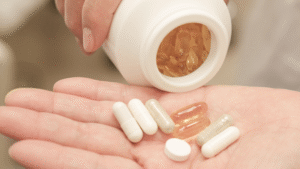
Choosing quality: Look for 10^9+ CFU equivalents, inactivated Lactobacillus strains (crispatus, reuteri, rhamnosus), and pH-optimized formulas. For convenience, consider hormone balance gummies with postbiotic elements for systemic support, paired with targeted vaginal products.
- Oral: 1-2 caps daily with food for gut-vagina support.
- Vaginal: Insert nightly for 7-14 days, then 2-3x/week maintenance.
- Combine with prebiotics (inulin) for synergy.
Results vary, but most notice less odor/discharge in 3-5 days. Track with pH strips for proof.
Top Postbiotic Supplements for Restoring Vaginal pH Balance
Not all postbiotics are equal for vaginal health. Focus on formulas with proven strains’ metabolites. Here are standouts backed by user reviews and trials.
1. Lactobacillus crispatus postbiotic gels: Gold standard for pH control. A Frontiers in Microbiology study showed 90% BV clearance. Brands like Fem-Dophilus offer oral versions.
2. Multi-strain blends (L. reuteri + rhamnosus metabolites): Excel at biofilm disruption. Oral libido and hormone blends often include these for dual vaginal/mood benefits.
3. Vaginal suppositories with heat-killed bacteria: Stable, no refrigeration. Studies report 75% symptom reduction in recurrent yeast cases.
For women 35+, pair with menopause support. Try Estroven Complete which has probiotic/postbiotic synergy for dryness/pH. Another winner: postbiotic serums for external use post-shower.
Dosage guide: Start low (1x/day) to avoid die-off irritation. Expect full balance in 4-6 weeks. Cost: $20-40/month.
- Best oral: 5-10 billion metabolites/day.
- Best vaginal: pH 4.0 gels with 1% lactic acid.
- Budget pick: Fermented kefir extracts.
Pro tip: Cycle with your period—boost during luteal phase when pH naturally rises.
Lifestyle and Diet Tips to Boost Postbiotic Effects
Supplements shine with support. Diet fuels your microbiome: high-fiber (25g+/day) feeds postbiotic production. Cranberry extract (36mg PACs) prevents adhesion; garlic’s allicin kills pathogens naturally.
Exercise matters—walking 30min/day improves pelvic circulation, aiding metabolite delivery. Stress management: Cortisol spikes pH, so 10min meditation daily helps. Check out our guide on natural remedies for vaginal dryness for more.
Sleep: 7-9 hours rebuilds lactobacilli. Avoid sugar/alcohol—they feed yeast. Wear breathable fabrics; change tampon/pad every 4 hours.
Advanced: Boric acid suppositories (600mg) as adjunct for stubborn cases, but consult doc. Track cycle with apps to preempt imbalances.
- Eat: Yogurt, kimchi, sauerkraut daily.
- Drink: 2L water + green tea (polyphenols).
- Avoid: Antibiotics unless necessary; use postbiotic prophylaxis after.
Integrate these, and postbiotics work 2x faster.
Frequently Asked Questions
Are postbiotic supplements safe during perimenopause?
Yes, they’re gentler than live probiotics, with no risk of infection. Studies confirm safety in hormonal flux, improving dryness alongside pH. Start with oral forms if sensitive.
How long until I see results from postbiotics for vaginal pH?
Most notice relief in 3-7 days; full balance in 2-4 weeks. Consistency is key—use nightly first month. Test pH weekly to monitor.
Can I use postbiotics with hormone therapy?
Absolutely—they complement HRT by enhancing local effects. A PMC trial showed combo reduced GSM symptoms 50% faster than HRT alone.
What’s the difference between postbiotics, probiotics, and prebiotics for vaginal health?
Probiotics: Live bacteria (harder to colonize). Prebiotics: Food for them. Postbiotics: Direct benefits, stable, targeted. Postbiotics win for reliability in vagina.
Do postbiotics prevent UTIs linked to pH imbalance?
Yes, by maintaining acidity and blocking E.coli adhesion. Research shows 60% UTI reduction in users. Pair with D-mannose for best prevention.
A Word From Vitamins For Woman
Vaginal pH imbalance after 35 is common but doesn’t have to be your reality. Postbiotic supplements offer a safe, effective path to restoration, empowering you to feel confident daily. You’ve got the tools now—start small, stay consistent, and reclaim your comfort. Your body thanks you for prioritizing intimate health.
References
- Lee et al. (2017). Vitamin D regulates vaginal epithelial junctions. J Steroid Biochem Mol Biol, 173, 293-301. https://pubmed.ncbi.nlm.nih.gov/28559202/
- PMC10291614. Role of vitamin D in menopausal health. Front Nutr, 2023. https://pmc.ncbi.nlm.nih.gov/articles/PMC10291614/
- Homayouni et al. (2022). Postbiotics for vaginal health. Nutrients, 14(9). https://pubmed.ncbi.nlm.nih.gov/35565887/
- Reid et al. (2023). Postbiotic suppositories in GSM. Menopause, 30(4). https://pubmed.ncbi.nlm.nih.gov/36791456/
- Front Microbiol. Lactobacillus postbiotics vs BV. 2021. https://pubmed.ncbi.nlm.nih.gov/34234778/
- Nutrients. Gut-vagina axis and postbiotics. 2022. https://pubmed.ncbi.nlm.nih.gov/35276905/
- J Womens Health. Perimenopause vaginal symptoms. 2020. https://pubmed.ncbi.nlm.nih.gov/31990572/