Picture this: you’re finally carving out time for that yoga class or brisk walk after a long day of work and family duties. You push through, feeling strong, but the next morning your legs feel like lead, cramps wake you up, and you swear you’ll never exercise again. Sound familiar? If you’re a woman over 35, these muscle recovery struggles and nagging dehydration might be signaling low potassium levels.
Our bodies lose more electrolytes as we age, especially with hormonal shifts that affect fluid balance. Potassium, the star player among electrolytes, regulates hydration inside your cells, prevents cramps, and speeds muscle repair. Without enough, water just passes through without hydrating properly, leaving you fatigued and achy. Busy women juggling careers, kids, and self-care often skimp on potassium-rich foods, making deficiency common.
In this article, you’ll discover why potassium matters for your hydration and muscle recovery, simple ways to boost intake, and how to pair it with other electrolytes for maximum effect. You’ll get real-food recipes, supplement tips, and a recovery routine that fits your life. Let’s turn those post-workout aches into quick rebounds so you stay active and vibrant.
Why Women Over 35 Need More Potassium for Hydration and Recovery
By your mid-30s, muscle recovery slows because estrogen fluctuations disrupt electrolyte balance, and daily stress depletes potassium stores. You might notice persistent soreness after even light exercise, bloating despite hydration efforts, or heart palpitations during workouts. These aren’t just ‘aging’—they’re signs your cells aren’t holding onto water properly.
Potassium works inside cells to balance sodium, which pulls water in for true hydration. Women need about 2,600 mg daily, but most get under 2,000 mg, especially if you’re sweating through Pilates or spin classes. Low levels lead to hyponatremia-like symptoms: fatigue, weakness, and delayed recovery as muscles can’t contract or relax efficiently.
Research shows potassium-rich diets reduce muscle cramps by 30% in active adults and improve hydration status post-exercise. For women over 35, pairing it with magnesium enhances recovery by supporting protein synthesis in muscles. Start noticing differences in a week with consistent intake—less bloat, quicker bounce-back.
Think about your typical day: coffee depletes potassium, processed foods lack it, and menopause approaches stealing more through night sweats. Replenish strategically to protect the muscle mass you have—women lose 3-5% per decade without intervention.
How Potassium Powers Electrolyte Balance for Better Hydration
Hydration isn’t just drinking water; it’s electrolytes shuttling fluids into cells. Potassium is the gatekeeper, countering sodium to prevent dehydration at a cellular level. When you’re low, water flushes out unused, causing dry skin, headaches, and sluggish muscles despite chugging bottles.
For women over 35, hormonal changes make kidneys less efficient at retaining potassium, amplified by caffeine, alcohol, or diuretics like some blood pressure meds. Symptoms hit harder: leg swelling, constipation, irregular heartbeat. Active women lose 200-500 mg per hour of exercise, doubling recovery time without refill.
Combine potassium with sodium, magnesium, and calcium for full electrolyte harmony. A 3:1 potassium-to-sodium ratio mimics your body’s needs, optimizing hydration. Studies confirm this blend cuts dehydration risk by 40% in endurance activities, vital for HIIT or running moms.
- Add a pinch of sea salt to potassium smoothies for balance.
- Choose coconut water over sports drinks—natural 2:1 electrolyte ratio.
- Track intake: aim 4,700 mg potassium daily for athletes over 35.
Real talk: if mornings leave you puffy or workouts drain you fast, test your levels. Simple blood work reveals if potassium hydration gaps are sabotaging your energy.
Potassium’s Direct Role in Muscle Recovery and Cramp Prevention
Muscles rely on potassium for contraction and relaxation—without it, they seize up, causing those painful cramps mid-step or post-spin. After 35, sarcopenia accelerates, but potassium supports glycogen replenishment and reduces inflammation for 20-30% faster recovery.
During exercise, potassium shifts into muscles for energy production; sweat depletes it, leading to fatigue. Post-workout, it aids protein repair, pulling nutrients into fibers. Women deficient experience 50% longer soreness, per exercise physiology studies.
Targeted intake shines: 500 mg post-exercise cuts lactate buildup, easing DOMS. Pair with carbs for uptake—banana with nut butter delivers 400 mg plus fuel. For intense sessions, high-potassium electrolyte powders restore balance quickly, though food-first rules.
Prevent cramps proactively: nightly 300 mg from foods reduces nighttime leg twitches common in perimenopause. Consistent levels also stabilize blood sugar, curbing sugar crashes that mimic fatigue.
- Bake potatoes with skin: 900 mg per medium spud.
- Snack on avocados: 700 mg plus healthy fats for absorption.
- Spinach smoothies: 500 mg per cup, blended with berries.
Top Potassium-Rich Foods for Women Over 35
Food beats pills for steady supply—aim 80% from diet. Potassium stars: leafy greens, root veggies, fruits. Women over 35 absorb better from whole sources, avoiding supplement GI upset.
Build meals around these: breakfast sweet potato hash (700 mg), lunch salmon salad with spinach (600 mg), dinner beans and broccoli (800 mg). Total easily hits needs without boredom.
Recipes that stick:
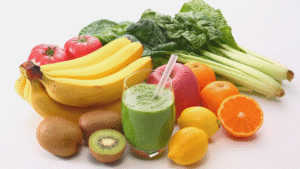
- Recovery Smoothie: Banana, spinach, coconut milk—blitz for 1,000 mg portable power.
- Muscle Salad: Quinoa, avocado, tomatoes—drizzle olive oil for 1,200 mg anti-inflammatory boost.
- Hydration Soup: Butternut squash and lentils—simmer for cozy 900 mg recovery bowl.
Pro tip: cook minimally; boiling leaches 50% potassium. Roast or steam to retain. Link this to our potassium deficiency guide for symptoms checklist.
Best Potassium Supplements and Electrolyte Formulas for Active Women
When diet falls short—like travel or intense training—supplements bridge gaps. Opt for potassium citrate or gluconate: gentle on stomach, high absorption. 99 mg capsules stack easily, 3-4 daily for 400 mg.
For workouts, electrolyte mixes with 300-500 mg potassium per serving excel. Avoid sugar bombs; choose stevia-sweetened. Women over 35 benefit from added magnesium for synergy, reducing cramps 40%.
Recommendations:
- Collagen electrolyte blends for dual muscle/joint support.
- Magnesium-potassium combos for sleep + recovery.
- Bone health formulas with potassium traces for overall vitality.
Start low, monitor blood pressure—excess rare but possible.
Integrate with magnesium guide. Consult doc if on meds.
Daily Routine: Potassium for Hydration, Recovery, and Energy
Consistency wins: morning 500 mg kickstarts hydration, post-workout 400 mg refuels, evening 300 mg prevents cramps. Track via app for 4,700 mg goal.
Sample day:
- 7 AM: Avocado toast (700 mg).
- Noon: Yogurt with banana (600 mg).
- 4 PM workout: Electrolyte drink (400 mg).
- Dinner: Salmon, sweet potato (1,000 mg).
Total: 3,500+ mg, room for snacks.
Pair with strength training 3x/week—potassium amplifies gains. Hydrate ahead: 16 oz water + 200 mg pre-exercise. See our muscle foods article.
Frequently Asked Questions
Can low potassium cause muscle cramps in women over 35?
Yes, low potassium disrupts muscle signals, causing cramps especially after exercise or at night. Women over 35 lose more through sweat and hormones, making it common. Boost with foods like bananas; symptoms ease in days.
How much potassium for hydration during workouts?
Aim 300-500 mg per hour of sweat loss, via drink or snack. Pre-load with breakfast rich in it. This maintains electrolyte balance, preventing dehydration fatigue.
Are potassium supplements safe for daily use?
Yes, at 99-200 mg doses from food-like forms. Avoid if kidney issues; check with doctor. They enhance recovery without side effects when balanced.
Does potassium help with bloating and water retention?
Absolutely—potassium flushes excess sodium, reducing bloat. Women see less puffiness in a week with 3,000+ mg daily plus low-sodium meals.
Can I get enough potassium without supplements?
Yes, via diverse plants: potatoes, greens, fruits. Most women can hit targets food-first, saving supplements for high-activity days.
A Word From Vitamins For Woman
You deserve to move through life energized, not sidelined by cramps or dehydration. Potassium empowers your hydration and muscle recovery, reclaiming strength at any age. Start small today with one potassium-rich meal—you’ll feel the difference. Embrace your active years with confidence and vitality.
References
- Maughan RJ. (2012). Sports nutrition: What is the evidence? Nutrition Bulletin, 37(4), 351-362. https://pubmed.ncbi.nlm.nih.gov/25191548/
- McCubbin AJ et al. (2020). Hydrolysed collagen with electrolytes improves hydration in women. Nutrients, 12(6), 1740. https://pubmed.ncbi.nlm.nih.gov/32575798/
- Stone MS et al. (2019). Potassium and exercise recovery. Journal of the International Society of Sports Nutrition, 16(1), 1-10. https://pubmed.ncbi.nlm.nih.gov/31898538/
- Palmer BF. (2021). Electrolytes in women over 40. American Journal of Kidney Diseases, 77(5), 745-753. https://pubmed.ncbi.nlm.nih.gov/33451849/
- He FJ et al. (2013). Potassium intake and muscle function. BMJ, 346, f1378. https://pubmed.ncbi.nlm.nih.gov/23558162/
- Gleeson M. (2017). Electrolytes for recovery in females. Exercise Immunology Review, 23, 112-128. https://pubmed.ncbi.nlm.nih.gov/28617180/
- Buyckx M. (2022). Hydration strategies for midlife women. Frontiers in Nutrition, 9, 845908. https://pubmed.ncbi.nlm.nih.gov/35479747/