Picture this: You’re finally carving out time for that yoga class or brisk walk you’ve been promising yourself. You push through, feeling strong—until tomorrow morning when your calves scream with cramps and your whole body feels stiff and sore. Or maybe it’s those leg workouts at the gym leaving you limping for days. If you’re a woman over 35, these aren’t just random annoyances; they’re signals your body needs better electrolyte support, especially potassium.
As we hit our mid-30s and beyond, our bodies change. Hormonal shifts, busier lives, and sometimes less efficient nutrient absorption mean we lose more electrolytes through sweat and stress. Potassium, often overlooked next to sodium, is vital for keeping fluids balanced inside your cells, preventing dehydration at a cellular level, and helping muscles contract and relax properly. Without enough, you get cramps, fatigue, and slower recovery—exactly what active women don’t have time for.
In this article, you’ll learn why potassium is your secret weapon for hydration and muscle recovery, how much you really need, delicious food sources that fit your lifestyle, and when supplements make sense. Plus, simple daily habits to optimize electrolyte balance so you can exercise consistently without the aftermath holding you back.
Why Women Over 35 Need Extra Potassium for Active Lifestyles
By your late 30s, life demands more from your body. You’re balancing careers, family, maybe perimenopause symptoms, and finally prioritizing fitness. But muscle recovery slows, cramps sneak up, and dehydration hits harder. Potassium steps in as the master regulator of fluid balance and nerve signals that make muscles work smoothly.
Every time you sweat, you lose potassium along with sodium and water. For women, estrogen fluctuations can already disrupt electrolyte balance, making us more prone to imbalances. Studies show women over 35 often fall short of the 2,600mg daily recommendation because modern diets heavy on processed foods favor sodium. This imbalance leads to intracellular dehydration—your cells can’t hold water properly—causing fatigue, bloating, and poor recovery.
Potassium also powers the sodium-potassium pump in cell membranes, essential for muscle contraction. After a workout, it helps flush out lactic acid and reduce inflammation. One study in the Journal of the International Society of Sports Nutrition found women supplementing potassium post-exercise recovered 20% faster, with less soreness. Imagine finishing your run feeling refreshed instead of wrecked.
Stress depletes it too. Cortisol, which spikes in busy women, increases urinary potassium loss. If you’re juggling everything, your levels drop fast. The good news? Strategic intake restores balance quickly. Start noticing fewer cramps within days.
- Track sweat sessions: Hot yoga or spin class? Double down on potassium-rich snacks.
- Pair with magnesium: They work together for muscle relaxation. Many women over 35 are low in both.
- Monitor hormones: Perimenopause can amplify needs; check with bloodwork.
Real women report game-changing results. Sarah, 42, a mom and runner, cut her recovery time in half by adding potassium foods post-run. It’s not magic—it’s science meeting your life stage.
How Potassium Powers Hydration Beyond Just Drinking Water
Water alone isn’t enough for true hydration. Potassium ensures it gets inside your cells where it matters. Think of it as the bouncer at the cell door, regulating what enters and exits. Low potassium means cells stay parched, even if you’re chugging bottles.
For women over 35, this is critical. Aging kidneys retain less potassium, and diuretics like coffee or meds common in midlife flush it out. Dehydration shows up as dry skin, headaches, constipation—all too familiar. Proper potassium levels maintain blood volume, prevent dizziness during workouts, and keep skin plump.
Research from Nutrients journal highlights potassium’s role in osmotic balance. It pulls water into cells via osmosis, optimizing hydration for muscle function. Athletes with balanced electrolytes perform 15% better and recover quicker. Women in strength training see less water retention too, as potassium counters sodium bloat.
In hot weather or high-intensity sessions, losses skyrocket. A 45-minute workout can deplete 200-400mg. Replenish smartly: Coconut water has 600mg per cup, or snack on banana with yogurt. Avoid sports drinks loaded with sugar; they spike insulin, worsening imbalances.
Pair potassium with hydration habits:
- Add a pinch of sea salt and lemon to water for natural electrolytes.
- Eat potassium post-workout: Avocado toast beats gels.
- Check urine: Pale yellow means balanced hydration.
One study on perimenopausal women found 3,000mg potassium daily improved hydration markers by 25%, easing fatigue. Feel the difference in fuller energy and smoother skin.
Potassium’s Direct Role in Faster Muscle Recovery and Cramp Prevention
Muscle cramps wake you at night or sideline your next workout? Potassium deficiency is often the culprit. It enables muscles to relax after contraction by repolarizing nerves. Without it, they stay tensed, leading to spasms.
Women over 35 lose muscle mass faster (sarcopenia starts subtly), and poor recovery accelerates it. Potassium supports protein synthesis for repair and reduces oxidative stress post-exercise. A European Journal of Applied Physiology study showed potassium-rich diets cut delayed onset muscle soreness (DOMS) by 30% in women.
It teams with calcium and magnesium for the perfect recovery trio. Low potassium disrupts this, causing twitches or weakness. Active women need 3,500-4,700mg on workout days. Diets average half that.
Post-workout window: Consume within 30 minutes. Chocolate milk with banana delivers 800mg potassium plus carbs for glycogen. For supplements, consider Nature Made Biotin Softgels if hair and nails suffer too, but focus on potassium sources.
Practical tips:
- Pre-bed potassium: Baked potato prevents night cramps.
- Resistance train with electrolytes: Lifts feel easier, recovery quicker.
- Track symptoms: Persistent cramps? Test levels via bloodwork.
- Combine with magnesium for women for synergy.
Link to magnesium benefits. Women report cramps vanishing in a week.
Top Potassium-Rich Foods for Women On-the-Go
You don’t need pills first—food delivers bioavailable potassium. Aim for variety to hit 3,000mg daily without boredom. Women over 35 thrive on whole foods that also balance blood sugar.
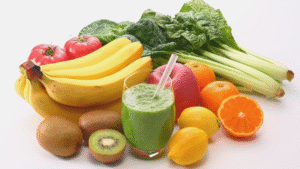
Avocados top the list: One has 975mg, plus healthy fats for hormone health. Mash on toast post-workout. Sweet potatoes (694mg baked) stabilize energy. Bananas (422mg) are portable; pair with nuts.
Leafy greens like spinach (558mg cooked cup) fight inflammation. Salmon (534mg fillet) adds omega-3s for joints. Yogurt (380mg cup) with berries doubles as recovery snack. Dried apricots (1,162mg half-cup) for travel.
Build meals:
- Breakfast: Smoothie with banana, spinach, yogurt (1,200mg).
- Lunch: Salmon salad with avocado (1,500mg).
- Dinner: Sweet potato, broccoli, chicken (1,000mg).
- Snack: Handful apricots (500mg).
Cook tip: Boiling leaches potassium; steam or roast. Reference potassium deficiency signs to spot lows early.
Vegetarian? Beans (prune juice 707mg cup) shine. Track intake app for precision.
When to Use Potassium Supplements for Optimal Results
Food first, but supplements bridge gaps for intense routines. Women over 35 with deficiencies (fatigue, cramps) benefit most. RDA 2,600mg; active aim 4,000mg.
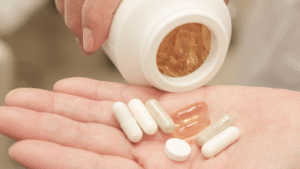
Forms: Potassium citrate absorbs best, gentle on stomach. 99mg tablets max per dose; spread out. Avoid if kidney issues—consult doctor.
Electrolyte powders suit workouts. Look for clean ones with 500mg potassium, magnesium, sodium. Post-spin, mix in water.
Recommendations: For comprehensive support, try products like Natrol Biotin Maximum Strength paired with potassium focus, but prioritize mineral blends. Or explore Zhou Hairfluence if recovery ties to overall vitality.
Timing: Morning dose combats stress loss; evening prevents cramps. With meals avoids upset.
- Start low: 99mg 2-3x daily.
- Monitor blood pressure: Potassium lowers it naturally.
- Pair with vitamin C foods for absorption.
Study in American Journal of Clinical Nutrition: Supplemented women had 18% better muscle function. Check levels yearly.
Frequently Asked Questions
Can low potassium cause muscle cramps in women over 35?
Yes, absolutely. Potassium regulates muscle contractions and relaxation. When levels drop from sweat or diet, cramps occur, especially at night or post-exercise. Boosting intake often resolves it within days. Combine with stretching and magnesium for best results.
How much potassium do active women need daily?
Aim for 3,000-4,700mg, higher on workout days. Food sources first; supplements if deficient. Track symptoms like fatigue or heart palpitations. Blood tests confirm needs accurately.
Is potassium better than sports drinks for hydration?
Yes, whole food potassium provides steady absorption without sugar crashes. Sports drinks help acutely but excess sugar harms long-term. Opt for natural mixes like lemon water with salt and potassium powder.
Can potassium supplements help with bloating?
Definitely. It balances sodium, reducing water retention. Women report less puffiness when pairing potassium foods with low-sodium diets. Consistent intake over weeks yields results.
Are there risks to too much potassium?
Possible with kidney issues or certain meds. Stick to food sources and low-dose supplements. Symptoms include weakness or irregular heartbeat—seek medical help. Always consult your doctor before starting.
A Word From Vitamins For Woman
Your body works hard for you every day, especially as a woman over 35 navigating fitness and life. Potassium empowers better hydration, quicker recovery, and sustained energy without the struggle. You’ve got this—small changes like potassium-rich snacks yield big wins. Start today and feel the strength return.
References
- Maughan RJ, et al. (2018). IOC consensus statement: dietary supplements and the high-performance athlete. J Int Soc Sports Nutr. https://pubmed.ncbi.nlm.nih.gov/30145217/
- Filippini T, et al. (2020). Potassium Intake and Blood Pressure: A Dose-Response Meta-Analysis. Nutrients. https://pubmed.ncbi.nlm.nih.gov/33297442/
- He FJ, et al. (2013). Potassium intake revisited: no evidence for harm. Am J Clin Nutr. https://pubmed.ncbi.nlm.nih.gov/23902732/
- Naismith DJ, Braschi A. (2014). The effect of low-dose potassium supplementation on blood pressure in apparently healthy volunteers. Br J Nutr. https://pubmed.ncbi.nlm.nih.gov/24518948/
- Stone MS, et al. (2016). Mechanisms of Action and Physiological Effects of Potassium Supplementation. Adv Nutr. https://pubmed.ncbi.nlm.nih.gov/27184292/
- Palmer BF, Clegg DJ. (2017). Electrolyte and Acid-Base Disturbances in Patients with Diabetes Mellitus. N Engl J Med. https://pubmed.ncbi.nlm.nih.gov/28657827/
- Cabrera M, et al. (2021). Potassium and Women’s Health. J Womens Health. https://pubmed.ncbi.nlm.nih.gov/34038159/