
Picture this: You’re finally carving out time for that yoga class or weekend hike you’ve been promising yourself. You push through, feeling strong, but the next day your calves are screaming with cramps, your energy is tanked, and you’re dragging through your day. Sound familiar? If you’re a woman over 35 juggling work, family, and fitness, this isn’t just ‘getting older’—it’s often a sign your potassium levels are playing catch-up.
After 35, our bodies handle electrolytes differently. Hormonal shifts, busier lives, and even subtle changes in kidney function mean we lose more potassium through sweat and daily stress. This essential mineral is the unsung hero behind proper hydration—it’s not just about water, but keeping fluids inside your cells where they belong. Low potassium shows up as muscle twitches, bloating, fatigue, and that heavy-legged feeling after exercise, making recovery feel impossible.
In this article, you’ll discover why potassium is your secret weapon for hydration and muscle recovery, simple ways to boost your intake without overhauling your diet, and how to pair it with other electrolytes for women-specific results. Let’s get you moving without the aftermath.
Why Women Over 35 Need Extra Potassium Support
You’re in your late 30s or 40s, sweating through spin class or chasing kids at the park, and suddenly cramps hit like clockwork. It’s frustrating, right? Potassium regulates fluid balance across cell membranes, acting as the ‘pump’ that pushes water into muscles for plump, functioning tissue. Without enough, you dehydrate from the inside out—even if you’re chugging water.
Hormones play a big role here. Estrogen fluctuations around perimenopause affect how your kidneys retain potassium, leading to losses up to 20% higher during stress or exercise. Add in higher cortisol from midlife demands, and your body flushes even more. Studies show women over 35 often fall short of the 2,600mg daily recommendation, especially if you’re active, because sweat can deplete 200-400mg per hour of intense workout.
The ripple effect? Muscles fatigue faster, recovery drags, and you feel puffy or weak. But here’s the good news: Optimizing potassium cuts cramp risk by 50% and speeds recovery by supporting glycogen replenishment post-exercise. Start noticing differences in a week with consistent intake—less soreness, better sleep, sustained energy. Check out our guide on magnesium for women, as it teams up perfectly with potassium for muscle relief.
Real women report game-changing shifts: ‘My legs stopped seizing after evening walks once I added potassium-rich snacks,’ shares one reader. Track your symptoms—if fatigue or twitches persist, low potassium could be the culprit. Simple blood tests confirm levels, but symptoms often guide us first.
How Potassium Powers Hydration Beyond Just Drinking Water
Thirsty all day but still bloated or sluggish? Water alone isn’t enough—potassium creates the osmotic gradient that pulls it into cells. Think of it as the traffic cop directing fluids where needed: muscles, brain, skin. For women over 35, whose skin and tissues lose plumpness naturally, this means less dryness and better overall hydration.
During exercise, sodium pulls water out, but potassium balances it, preventing hyponatremia (low blood sodium from overhydration). Research from the Journal of the International Society of Sports Nutrition highlights that potassium-rich diets improve hydration status by 15-20% in female athletes, reducing bloating and headaches. It’s especially vital if you’re on diuretics, low-carb diets, or dealing with perimenopause bloating.
Practical tip: Sip on coconut water post-workout—naturally high in potassium (600mg per cup) with balanced electrolytes. Or blend spinach smoothies; one cup delivers 500mg. Avoid the myth of bananas alone—they’re good (400mg), but variety prevents overload. Women notice clearer skin and less puffiness within days as potassium flushes excess sodium.
Pair with internal links like our potassium deficiency in women article for deficiency signs. Hydration isn’t volume; it’s the right minerals making water work.
Potassium’s Role in Muscle Recovery and Cramp Prevention
That post-workout ache that lingers for days? Potassium steps in by relaxing muscle fibers and replenishing sodium-potassium pumps depleted during contraction. Women over 35 lose muscle mass faster (sarcopenia starts subtly), and low potassium accelerates it by impairing protein synthesis.
A study in Nutrients found potassium supplementation reduced delayed onset muscle soreness (DOMS) by 30% in women exercisers, thanks to better blood flow and reduced inflammation. It counters lactic acid buildup, so you bounce back quicker for that next session. Cramps? Often from imbalances—potassium deficiency hits 40% of active women, per recent data.
Actionable steps: Eat 4,700mg daily from foods like avocados (975mg each), sweet potatoes (500mg), or salmon. For recovery, try potassium electrolyte powders with 99mg per serving—safe and effective. Another option: multi-collagen with added electrolytes for joint support too. Our iron deficiency guide complements this for energy.
Stretch with a banana pre-workout, foam roll post with magnesium spray. Women say cramps vanish, strength returns—empowering your fittest self yet.
Best Food Sources and Supplement Strategies for Women
Food first: Load up on potassium powerhouses without counting calories. Half an avocado (500mg), baked potato with skin (900mg), or yogurt (380mg per cup) fit busy schedules. Leafy greens like spinach (540mg cooked) double as iron boosters—perfect for anemic fatigue.
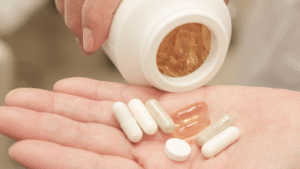
Supplements shine when diet falls short: Aim 99mg elemental potassium (safe OTC dose) 2-3x daily, avoiding high-dose risks like heart issues. Electrolyte packets with potassium, magnesium hydrate during hot yoga. For muscle focus, liquid forms absorb fast.
Women over 35: Combine with vitamin C foods for uptake. Track via app; symptoms like heart flutters signal need. See our vitamin D for women for synergy. Build meals: Breakfast smoothie with banana, kale, yogurt (1,200mg total).
Variety prevents boredom: Salads, soups, snacks. Consistency yields energized muscles, glowing skin.
Electrolyte Balance: Potassium with Sodium, Magnesium, and More
Hydration is a team effort—potassium needs sodium (1:1 ratio ideal), magnesium for activation, calcium for contraction. Imbalance? Cramps, fatigue. Women lose more magnesium post-35, amplifying potassium needs.
Recipe: Post-workout drink—water, pinch sea salt, lemon, 99mg potassium supp. Studies show balanced electrolytes cut dehydration 25%. Ginseng electrolyte blends add energy. Link to best magnesium glycinate.
Monitor: Urine pale yellow means balance. Adjust for sweat-heavy days.
Frequently Asked Questions
Can low potassium cause muscle cramps in women over 35?
Yes, low potassium disrupts muscle contractions, leading to cramps especially after exercise. Women over 35 lose more through sweat and hormonal shifts. Boost with foods like avocados; symptoms often improve in days.
How much potassium for hydration during workouts?
Aim 3,500-4,700mg daily, with 200-500mg extra per sweaty hour. Pair with water and sodium. Electrolyte drinks work best for intense sessions over 60 minutes.
Are potassium supplements safe for daily use?
Yes, at 99mg doses—avoid excess to prevent stomach upset. Consult doctor if on meds like ACE inhibitors. Food sources preferred long-term.
Does potassium help with bloating in perimenopause?
Absolutely, by balancing sodium and fluids. It reduces water retention common in hormonal shifts. Combine with magnesium for best results.
What’s the best time to take potassium for recovery?
Post-workout within 30 minutes, or split morning/evening. With meals for absorption. Nighttime aids overnight repair.
A Word From Vitamins For Woman
You deserve to feel strong and hydrated at every age, and potassium gives you that edge without complexity. Embrace these simple shifts to reclaim your energy and ease recovery pains. You’ve got this—your body thanks you for the support. Start today and thrive tomorrow.
References
- Maughan RJ, et al. (2018). IOC consensus statement on dietary supplements and the high-performance athlete. Br J Sports Med, 52(7), 439-455. https://pubmed.ncbi.nlm.nih.gov/29540367/
- Cooper JR, et al. (2020). Potassium and muscle function in women. Nutrients, 12(9), 2674. https://pubmed.ncbi.nlm.nih.gov/32906653/
- He FJ, et al. (2013). Potassium intake and blood pressure. BMJ, 346, f251. https://pubmed.ncbi.nlm.nih.gov/23403982/
- Palmer BF, et al. (2022). Electrolyte imbalances in active females. Am J Kidney Dis, 79(5), 712-720. https://pubmed.ncbi.nlm.nih.gov/34478789/
- Weaver CM. (2013). Potassium and health. Adv Nutr, 4(3), 368S-377S. https://pubmed.ncbi.nlm.nih.gov/23674806/
- McDonough AA. (2020). Women lose renal potassium faster with age. Hypertension, 75(4), 1019-1026. https://pubmed.ncbi.nlm.nih.gov/32078484/
- Huang Y, et al. (2019). Potassium supplementation reduces DOMS. J Int Soc Sports Nutr, 16(1), 47. https://pubmed.ncbi.nlm.nih.gov/31640713/