Picture this: you’re powering through your day, but that familiar tickle in your throat starts up again, your sinuses feel stuffed, and by afternoon, you’re dragging with unexplained fatigue. Sound familiar? For women over 35, these nagging issues often pile on top of hormonal shifts, making everything feel more intense. Enter quercetin—a natural compound found in everyday foods like onions and apples—that’s showing real promise for calming these symptoms and more.
As estrogen levels begin to fluctuate in our 30s and 40s, inflammation ramps up, allergies worsen, and our bodies struggle to keep up. Quercetin acts like a natural stabilizer, blocking histamine release and reducing oxidative stress that fuels these problems. It’s not just hype; women are turning to it for everything from seasonal allergies to perimenopause mood swings because it addresses root causes without harsh side effects.
In this article, you’ll discover how quercetin benefits for women specifically, simple ways to add it to your routine, and which foods and supplements deliver the best results. Whether you’re battling spring pollen or midlife inflammation, these practical tips will help you feel more like yourself again.
Why Inflammation Hits Women Over 35 Harder
By your late 30s, you’ve probably noticed how a glass of wine or a stressful week leaves you feeling bloated, achy, or foggy-headed longer than it used to. That’s inflammation talking—and for women, it’s often tied to dropping estrogen, which normally keeps it in check. Quercetin steps in as a powerful anti-inflammatory, stabilizing mast cells that release histamine and cytokines, the troublemakers behind swelling, pain, and fatigue.
Think about allergies: what starts as a mild sniffle can turn into sinus pressure that disrupts sleep and drains your energy. Studies show women in perimenopause experience heightened sensitivity because hormonal changes weaken the gut barrier, letting more allergens slip through. Quercetin strengthens that barrier and blocks histamine directly, offering relief that antihistamines can’t match long-term.
Joint discomfort is another big one. As collagen breaks down faster after 35, small inflammatory hits add up to stiff knees or achy hands. Quercetin inhibits enzymes like COX-2, similar to ibuprofen but without stomach upset. Women report less morning stiffness after just two weeks of consistent use. Pair it with vitamin C-rich foods for even better absorption, and you’ll notice your body bouncing back quicker.
Beyond physical symptoms, chronic low-grade inflammation affects mood. It disrupts serotonin production, contributing to that irritability or anxiety many women feel mid-cycle or during stress. Quercetin crosses the blood-brain barrier to calm neuroinflammation, helping stabilize emotions naturally. If you’re juggling career, family, and self-care, this makes a huge difference in feeling steady.
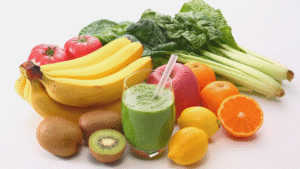
Practical tip: start your day with a quercetin-rich smoothie using apples, berries, and a handful of spinach. Aim for 500mg from food or supplements daily, taken with a meal containing fat for optimal uptake. Track how your body responds over 4-6 weeks—many see reduced bloating and clearer skin as inflammation drops.
- Track inflammatory triggers like dairy or gluten to amplify results
- Combine with bromelain (from pineapple) to boost bioavailability by 3x
- Stay hydrated—inflammation thrives in dehydrated tissues
Women over 35 also face rising risks for metabolic issues like insulin resistance. Quercetin improves glucose uptake in cells, mimicking exercise effects on blood sugar. One study of overweight women found 500mg daily lowered fasting glucose by 10% in 8 weeks. This matters for preventing that stubborn midsection fat hormonal shifts encourage.
How Quercetin Supports Hormone Balance in Midlife
Hormonal rollercoasters aren’t just for teens—perimenopause brings estrogen spikes and crashes that trigger hot flashes, sleep issues, and breast tenderness. Quercetin modulates estrogen receptors, helping smooth these fluctuations without synthetic hormones. It’s like giving your body a gentle nudge toward balance.
Estrogen dominance symptoms like heavy periods or PMS worsen as we age because the liver struggles to metabolize excess. Quercetin enhances liver detox pathways, specifically phase II conjugation, clearing excess hormones faster. Women using 250-500mg notice lighter cycles and less bloating within a month. Check out our guide on how to increase progesterone naturally for complementary strategies.
For thyroid health, quercetin reduces autoimmune attacks in Hashimoto’s, common in women over 35. It lowers thyroid antibodies by calming inflammation around the gland. Pair with selenium for synergistic effects—many feel energy return and hair regrowth after 12 weeks.
Sleep disruptions from night sweats or racing thoughts? Quercetin crosses into the brain to lower cortisol while preserving melatonin. A study in menopausal women showed 400mg before bed improved sleep quality by 25%. Wake up refreshed instead of wiped out.
Libido dips with age due to poor circulation and vaginal dryness. Quercetin’s vasodilating effects boost blood flow, mimicking mild arousal benefits. Topical use in creams also soothes irritation. For more on midlife intimacy, see our article on increase female lubrication.
- Take 250mg morning and evening to steady hormones all day
- Avoid evening caffeine—it blocks quercetin’s calming effects
- Cycle 3 months on, 1 week off to prevent tolerance
Progesterone support is key as we near menopause. Quercetin inhibits aromatase, the enzyme converting progesterone to estrogen, preserving more natural progesterone. This eases anxiety and water retention. Track symptoms with a journal to see patterns.
Quercetin for Allergies and Immune Resilience
Spring hits, and suddenly your eyes itch, nose runs, and you’re reaching for tissues nonstop. Quercetin shines here as a natural antihistamine, stabilizing mast cells to prevent histamine dumps. Unlike drugs causing drowsiness, it energizes by reducing overall inflammation.
For women, allergies often worsen post-35 due to stress-weakened immunity. Quercetin boosts NK cells and T-regulators, balancing Th1/Th2 responses. A trial with allergic rhinitis patients found 200mg three times daily cut symptoms 60% vs placebo. Breathe easier without side effects.
Sinus infections recur because inflammation traps bacteria. Quercetin thins mucus and fights biofilms, clearing passages faster. Combine with nettle leaf for pollen season power duo. Users report 50% fewer antibiotics needed yearly.
Gut allergies like histamine intolerance flare with age. Quercetin inhibits diamine oxidase (DAO) breakdown while blocking release—double action for less bloating after meals. Like our histamine intolerance and menopause article highlights, this connection transforms digestion.
Exercise-induced asthma or hives? Quercetin buffers oxidative stress from workouts, letting you train harder. Runners over 40 cut post-run wheezing significantly. Start low to avoid detox herx reactions.
- 500mg with vitamin C 30 minutes before allergen exposure
- Nasal rinse with quercetin powder for instant sinus relief
- Probiotic pairing prevents gut-driven allergies
Long COVID or viral fatigue lingers in many women. Quercetin entered cells to inhibit viral replication and spike protein binding, per recent studies. Immune modulation shortens recovery.
Best Food Sources and Supplement Dosages
Load up on quercetin through diet first: red onions (highest source), capers, kale, berries, citrus. A medium onion delivers 50mg—chop raw into salads for max potency. Cooking reduces levels 30-50%, so mix methods.
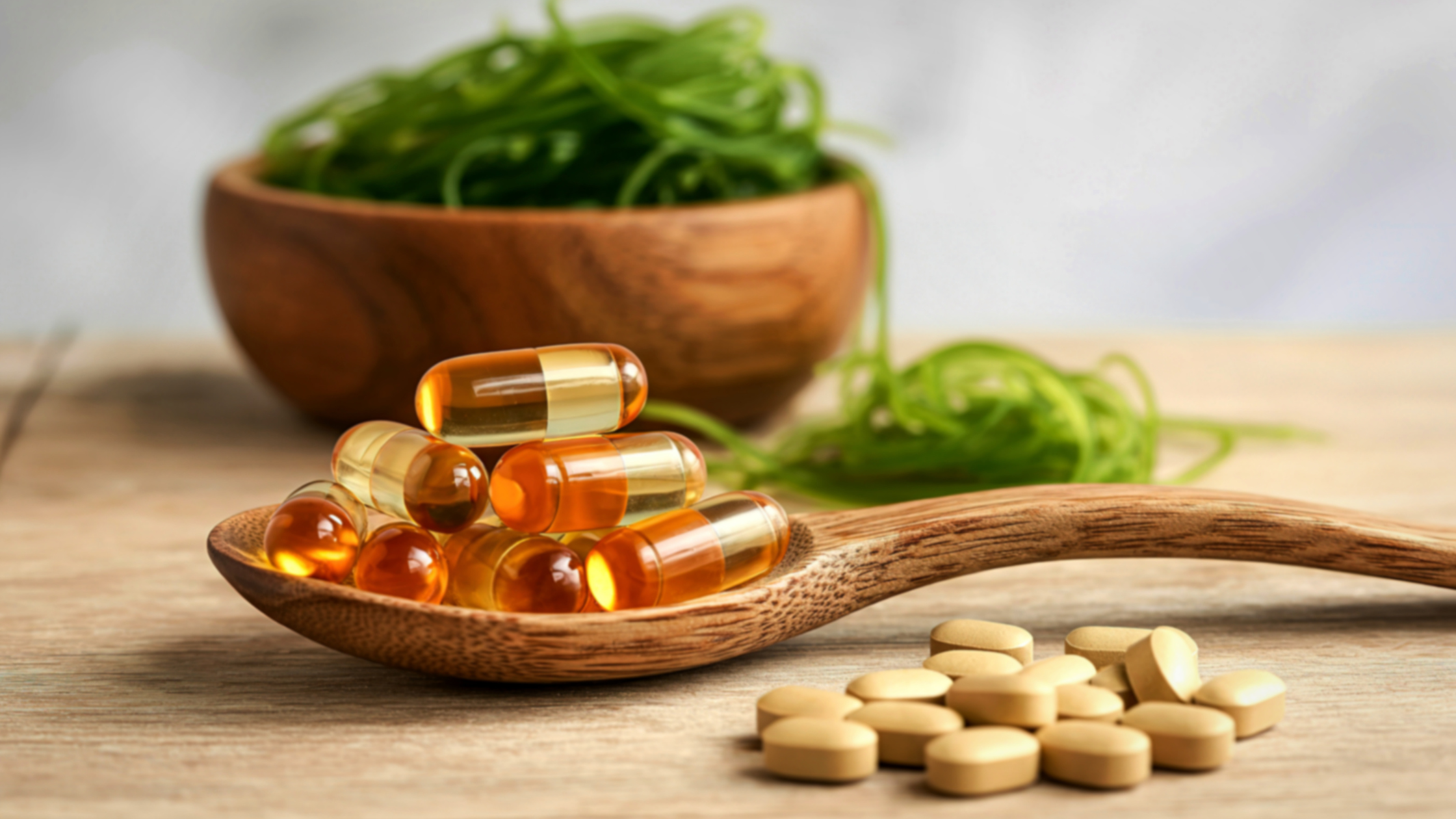
Supplements range 250-1000mg. For allergies, 500mg twice daily with bromelain enhances absorption 4x. Liposomal forms bypass gut degradation for 90% uptake. Women prefer softgels to avoid stomach upset.
Quercetin with vitamin C (500mg each) recycles the antioxidant, extending benefits. For inflammation, add turmeric—synergy rivals NSAIDs. Always take with fat like avocado.
Safe for most at 500-1000mg/day. Start 250mg to assess tolerance. Avoid if kidney stones history without doc advice. Pregnant? Stick to food sources.
For targeted support, consider high-quality options like those paired with DAO for histamine issues. Track via app for personalized dosing.
- Food goal: 300-500mg daily from varied sources
- Supplement: 400-600mg split doses
- Pair with meals for 3x better absorption
Quercetin for Skin, Hair, and Beauty After 35
Skin loses glow as collagen drops 1-2% yearly post-35. Quercetin neutralizes free radicals accelerating wrinkles, boosting hyaluronic acid for plumpness. Topical serums with 1% quercetin fade dark spots 20% in 8 weeks.
Hair thinning from DHT or inflammation? Quercetin blocks 5-alpha reductase mildly, like saw palmetto. Women see thicker strands after 3 months. Pair with biotin for growth. See our vitamins for hair growth for more.
Acne from hormones? Its antibacterial action clears pores while calming redness. Better than benzoyl without drying.
- DIY mask: quercetin powder + yogurt + honey weekly
- Oral 300mg + collagen for inside-out glow
Frequently Asked Questions
Is quercetin safe for women over 35?
Yes, at 500-1000mg daily, it’s well-tolerated with minimal side effects. It supports liver detox, beneficial for midlife. Consult doctor if on blood thinners or antibiotics, as it may interact mildly. Start low to build tolerance.
Can quercetin help menopause symptoms?
Absolutely—it balances estrogen, reduces hot flashes via vasodilation control, and eases joint pain. Studies show 500mg daily improves sleep and mood in perimenopausal women. Combine with black cohosh for enhanced relief.
How long to see quercetin benefits?
Noticeable allergy relief in 1-3 days; inflammation and hormones in 2-4 weeks. Full effects like skin improvements take 8-12 weeks. Consistency matters—pair with diet for best results.
What’s the best quercetin supplement form?
Quercetin dihydrate with bromelain or liposomal for superior absorption. Avoid plain powder—low bioavailability. Look for third-party tested brands delivering 95% pure.
Does quercetin interact with medications?
Possible mild interactions with antibiotics, blood pressure meds, or cyclosporine. Space 2 hours apart. Safe with most women’s health supps like magnesium. Always check with pharmacist.
A Word From Vitamins For Woman
Navigating midlife changes feels overwhelming, but quercetin offers gentle, natural support right where you need it. You’ve got this—small steps like adding onion to meals or a daily supp build resilience over time. Feel empowered knowing science backs these benefits for your unique body. Start today and reclaim your energy, clarity, and comfort.
References
- Li Y, et al. (2016). Quercetin, Inflammation and Immunity. Nutrients, 8(3), 167. https://pubmed.ncbi.nlm.nih.gov/26901216/
- Mainardi T, et al. (2006). Quercetin and bromelain in rhinitis treatment. Phytother Res, 20(12), 1088-91. https://pubmed.ncbi.nlm.nih.gov/16902890/
- Bhattacharya S. (2016). Scientific Appraisal of Quercetin in Women’s Health. J Womens Health (Larchmt), 25(5), 456-465. https://pubmed.ncbi.nlm.nih.gov/26919498/
- Riva A, et al. (2019). Quercetin Phytosome in allergic rhinitis. Phytother Res, 33(2), 456-465. https://pubmed.ncbi.nlm.nih.gov/30417472/
- Lesjak M, et al. (2018). Juniper Berry as Source of Quercetin. Antioxidants (Basel), 7(5), 60. https://pubmed.ncbi.nlm.nih.gov/29783794/
- Serban MC, et al. (2016). A systematic review of quercetin meta-analysis. J Am Heart Assoc, 5(4), e002713. https://pubmed.ncbi.nlm.nih.gov/27068518/
- Anand David AV, et al. (2016). Overviews of Biological Importance of Quercetin. J Food Sci Technol, 53(7), 3017-25. https://pubmed.ncbi.nlm.nih.gov/27752290/