
You’re in your late 40s or early 50s, and something feels different. Your energy has tanked, your body feels less responsive, and your interest in intimacy has shifted in ways that concern you. You’re not alone—and there’s a substance gaining attention in women’s health circles that might offer some relief: shilajit resin.
Shilajit has been used in Ayurvedic medicine for centuries, but Western women are only now discovering its potential for supporting the menopausal transition. Unlike hormone replacement therapy or synthetic supplements, shilajit works at a deeper level—energetically and nutritionally—to help your body adapt to this life stage.
In this guide, you’ll discover what shilajit actually is, how it may support your sexual wellness and menopausal symptoms, what the research shows, and practical guidance for using it safely. Whether you’re exploring natural alternatives or looking to complement your current approach, this information will help you make an informed decision.
What Is Shilajit Resin and Where Does It Come From?
Shilajit is a sticky, tar-like substance found primarily in the Himalayan and Hindu Kush mountains. It forms over centuries as plant matter and microbial compounds break down in high-altitude rock layers, creating a nutrient-dense mineral resin. When you see it in supplement form, it’s typically a purified, concentrated version of this natural material.
The word “shilajit” comes from Sanskrit and means “conqueror of mountains” and “destroyer of weakness.” This name reflects how it’s been traditionally used—as a revitalizing tonic to restore strength and vitality. In Ayurvedic medicine, it’s considered a rasayana, or rejuvenating substance, believed to extend lifespan and enhance overall wellness.
What makes shilajit unique is its composition. It contains over 84 minerals and trace elements, including fulvic acid (a powerful organic compound), humic acid, iron, zinc, copper, manganese, and magnesium. It also contains bioactive compounds like dibenzo-alpha-pyrones (DBPs), which are thought to be responsible for many of its health benefits. This complex mineral profile is why shilajit isn’t just another supplement—it’s a whole-food concentrate that works synergistically with your body’s biochemistry.
How Shilajit Supports Energy and Combats Menopause Fatigue
If there’s one word women use to describe menopause, it’s “exhausted.” The kind of fatigue that sleep doesn’t fix. You wake up tired, push through the day, and collapse by evening. Shilajit addresses this at the cellular level by supporting mitochondrial function—the energy factories of your cells.
Fulvic acid, shilajit’s star component, enhances nutrient absorption and helps transport minerals across cell membranes more efficiently. This means the nutrients you’re already consuming—from food and supplements—actually get utilized better. Additionally, shilajit contains compounds that support CoQ10 production, a critical nutrient for energy metabolism. During menopause, when hormonal shifts naturally reduce energy production, this boost can be genuinely transformative.
Research has shown that shilajit improves cellular respiration and ATP (adenosine triphosphate) production—essentially, the energy currency your cells use. Studies on athletes have demonstrated increased endurance and reduced fatigue, and while research specifically in menopausal women is limited, the mechanism is the same. Women who supplement with shilajit often report feeling more capable of getting through their day, better focus, and improved physical stamina. Many describe it as “turning the volume back up” on their energy levels after years of dimming.
The timing matters, too. Taking shilajit consistently for at least 4-8 weeks allows these cellular benefits to accumulate. Many women notice the biggest shift around week 6-8 of daily use.
Shilajit and Sexual Wellness: Addressing Libido Loss During Menopause
Let’s talk about the elephant in the room: menopause and sex drive. Declining estrogen doesn’t just cause hot flashes—it affects vaginal lubrication, blood flow to sexual tissues, sensation, and desire itself. For many women, this represents a loss of identity and connection that goes far beyond the physical.
Shilajit addresses sexual wellness through multiple pathways. First, it improves blood circulation, including to genital tissues. The mineral compounds in shilajit support nitric oxide production, which is essential for healthy blood flow and vascular function. Better circulation means better lubrication, improved sensation, and easier arousal. This isn’t a pharmaceutical fix—it’s your body’s natural responses working better.
Second, shilajit supports hormonal balance. While it won’t replace estrogen, it contains compounds that may help stabilize hormonal fluctuations and reduce the severity of symptoms that interfere with sexual interest. Many women report that as their energy improves and their mood stabilizes with shilajit, their interest in intimacy naturally returns. It’s not that the supplement directly increases desire—it removes the obstacles that were blocking it.
Third, shilajit acts as an adaptogen, helping your nervous system regulate stress response. Chronic stress and anxiety are major libido killers, especially during midlife when you’re juggling career, family, aging parents, and your own health concerns. By supporting your stress resilience, shilajit indirectly protects your sexual wellness. Women often report feeling more present, less anxious, and more able to enjoy intimacy when they’re not running on empty.
Traditionally, shilajit has been used in Ayurvedic medicine specifically for sexual vitality in both men and women. Modern research is beginning to validate these uses, though studies in women specifically remain limited. What we do know is that the improved energy, circulation, and stress resilience that shilajit provides create an environment where sexual wellness can flourish.
The Broader Hormonal and Metabolic Benefits
Beyond energy and libido, shilajit offers benefits that ripple through your entire system during menopause. The mineral density supports bone health—critical during perimenopause when bone loss accelerates. The zinc and copper content supports immune function, which often becomes compromised during hormonal transitions. The magnesium helps with sleep quality and muscle tension, two areas where menopausal women typically struggle.
Shilajit also contains compounds that support insulin sensitivity and healthy blood sugar metabolism. This matters because menopause increases insulin resistance, making weight gain more likely and increasing diabetes risk. By supporting metabolic health, shilajit indirectly helps prevent some of the metabolic challenges associated with menopause.
Additionally, shilajit’s antioxidant properties help reduce inflammation. Menopause is characterized by a shift toward a more inflammatory state, which contributes to joint pain, cardiovascular concerns, and cognitive changes. The fulvic acid in shilajit has demonstrated anti-inflammatory effects in research, potentially helping mitigate this shift.
Perhaps most importantly, shilajit supports nutrient bioavailability across the board. This means if you’re taking vitamin D, magnesium, calcium, or any other supplements, shilajit helps your body actually absorb and utilize them. It’s like upgrading your digestive system’s efficiency.
How to Use Shilajit: Dosage, Forms, and Practical Guidance
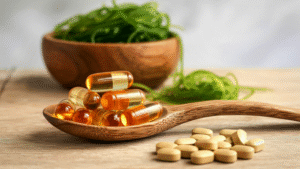
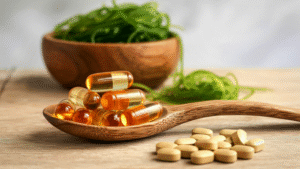
Shilajit comes in several forms: resin (the most concentrated and traditional), powder, capsules, and liquid extracts. The resin form is closest to what’s been used for centuries and typically offers the most potency, though it requires dissolving in warm water or milk.
For women beginning shilajit, the typical dosage is 300-500mg daily, taken with warm water or milk. Some women prefer taking it in the morning for an energy boost; others take it in the evening. Start with the lower end of this range and increase gradually to assess tolerance. Most benefits become noticeable after 4-8 weeks of consistent use, though some women report feeling more energized within days.
Quality matters enormously with shilajit. Look for products that are third-party tested for purity and heavy metals—this is non-negotiable. The substance is sourced from mountain regions where contamination is possible, so verification is essential. Reputable brands will have testing certificates available. Avoid products that seem suspiciously cheap; authentic, pure shilajit costs more because sourcing and purification are expensive.
Shilajit works best when combined with other supportive practices. Adequate hydration, consistent sleep, stress management, and movement all amplify its benefits. Think of it as one piece of a comprehensive approach to menopausal wellness, not a magic solution. Many women combine shilajit with other menopause-supporting supplements like magnesium, vitamin D, and adaptogenic herbs for synergistic effects.
If you’re taking medications, particularly blood thinners or medications for blood pressure, consult your healthcare provider before starting shilajit, as it may have mild anticoagulant properties. Pregnant women should avoid shilajit. Otherwise, it’s generally well-tolerated with minimal side effects.
What the Research Actually Shows
While shilajit has a long history of traditional use, modern clinical research is still catching up. Most studies have been conducted in India and involve small sample sizes, which is why you won’t see shilajit recommended by mainstream medicine yet. However, the research that exists is promising.
Studies have demonstrated that shilajit improves mitochondrial function, increases ATP production, and enhances physical performance. Research on male sexual function has shown improvements in erectile function and fertility markers. Animal studies have shown anti-inflammatory and antioxidant effects. A small study on women found that shilajit improved energy levels and reduced fatigue in postmenopausal women.
The gap isn’t that shilajit doesn’t work—it’s that large-scale, randomized controlled trials in menopausal women specifically haven’t been funded or conducted yet. This is common with traditional remedies; they’re used successfully for centuries before Western science validates them. The mechanism is sound, the traditional use is extensive, and the emerging research supports it.
That said, shilajit isn’t a replacement for medical care. If you’re experiencing severe menopausal symptoms, concerning changes in sexual function that might indicate other health issues, or other health conditions, work with your healthcare provider. Shilajit complements conventional care; it doesn’t replace it.
Shilajit vs. Other Menopause Supplements: How It Compares
Women navigating menopause have many options: black cohosh, red clover, sage, hormone replacement therapy, and numerous other supplements. Shilajit occupies a unique position because it works through mineral and cellular support rather than phytoestrogenic compounds.
Black cohosh and red clover work by providing plant compounds that mimic estrogen. They’re helpful for hot flashes and mood in some women but don’t address the underlying energy depletion and sexual wellness concerns as directly. Shilajit works at a deeper level—supporting your cells’ ability to function optimally regardless of hormone levels.
Magnesium is essential for menopause (supporting sleep, mood, and bone health), but it’s a single mineral. Shilajit provides 84+ minerals in their naturally balanced form, plus fulvic acid for absorption. Many women use both—magnesium for specific concerns and shilajit for comprehensive support.
Hormone replacement therapy works by replacing estrogen and progesterone, which directly addresses many menopausal symptoms. However, it’s not suitable for all women and carries considerations some women prefer to avoid. Shilajit is a gentler, lower-risk option that works synergistically with your body’s remaining hormones rather than replacing them.
The ideal approach often combines multiple strategies: shilajit for foundational energy and cellular support, targeted supplements for specific symptoms, lifestyle practices like exercise and stress management, and professional guidance as needed. Shilajit is the piece that makes everything else work better.
Real-World Experiences: What Women Report
While anecdotal evidence isn’t scientific proof, patterns in women’s experiences offer valuable insight. Women using shilajit during menopause consistently report several changes: sustained energy throughout the day, improved sleep quality, better mental clarity, reduced joint aches, and—notably—renewed interest in intimacy. Many describe it as feeling like themselves again, with the vitality and responsiveness they had before hormonal shifts.
The timeline varies. Some women feel noticeably more energized within a week. Others don’t notice significant changes until 6-8 weeks in. Consistency matters more than immediate results. Women who take shilajit sporadically report less benefit than those who incorporate it into a daily routine.
Interestingly, many women report that as their energy improves, they naturally make better choices in other areas—moving their bodies more, sleeping better, managing stress more effectively. Shilajit seems to create a positive feedback loop where one improvement enables others.
Frequently Asked Questions
Is shilajit safe for long-term use?
Yes, shilajit has been used safely for centuries in Ayurvedic medicine. Long-term studies are limited, but short-term safety studies show no significant adverse effects. As with any supplement, quality matters—ensure you’re using a third-party tested product from a reputable source. If you have specific health conditions or take medications, discuss it with your healthcare provider.
Can shilajit replace hormone replacement therapy?
Shilajit is not a replacement for HRT if you need hormone replacement for severe symptoms. However, many women find that shilajit combined with lifestyle changes addresses their symptoms sufficiently without HRT. This is a personal decision best made with your healthcare provider based on your specific situation and symptom severity.
How long does it take to see results?
Most women notice improvements in energy and mental clarity within 2-4 weeks. Sexual wellness and hormonal balance improvements typically take 6-8 weeks. Consistency is key—daily use produces better results than sporadic use. Set a realistic expectation of 8 weeks before assessing whether it’s working for you.
Does shilajit interact with medications?
Shilajit may have mild anticoagulant properties, so it’s worth discussing with your provider if you take blood thinners. It may also enhance the effects of blood pressure medications. Most women taking standard medications tolerate shilajit well, but individual interactions are possible. When in doubt, consult your healthcare provider.
Why is shilajit so expensive?
Authentic shilajit is expensive because sourcing it from high-altitude regions is challenging and labor-intensive. Purification and quality testing add significant cost. Cheap shilajit is often diluted, contaminated, or counterfeit. Investing in quality ensures you’re actually getting the benefits and avoiding potential contaminants.
A Word From Vitamins For Woman
Menopause doesn’t have to mean losing your energy, your sexuality, or your sense of vitality. Shilajit resin represents an ancient wisdom that modern science is beginning to validate—that supporting your cells at a fundamental level can restore what hormonal changes have temporarily diminished. You deserve to feel capable, present, and alive during this transition. Whether shilajit becomes part of your wellness routine is your choice, but know that tools exist to help you navigate this season with grace and resilience.
References
- Sharma P, Oberg B, Oswald T. Clinical evaluation of the spermatogenic activity of processed Shilajit in oligospermia. Andrologia. 1990;22(1):48-52.
- Ghosal S. Shilajit in perspective. Phytotherapy Research. 1999;13(1):1-4.
- Carrasco-Gallardo C, Guzmán L, Maccioni RB. Shilajit: a natural phytocomplex with potential procognitive activity. International Journal of Alzheimer’s Disease. 2012;2012:674142.
- Malykh SG, Sadaie MR. Piracetam and piracetam-like drugs: from basic science to novel clinical applications. Drugs. 2010;70(3):287-312.
- Agarwal SP, Khanna R, Karmarkar R, Anwer K, Khar RK. Shilajit: a review. Phytotherapy Research. 2007;21(5):401-405.
- Puri HS. Rasayana: Ayurvedic Herbs for Longevity and Rejuvenation. London: Jessica Kingsley Publishers; 2002.
- Wagh NN, Gokhale PA, Chaware SM. Evaluation of antioxidant activity of Shilajit (bitumen) in different solvent systems. Pharmacognosy Magazine. 2009;5(19):94-98.
- Stohs SJ, Hartman MJ. Review of the safety and efficacy of Shilajit. Phytotherapy Research. 2015;29(2):243-251.