
Trying to conceive can feel like an emotional marathon, filled with hope, disappointment, and countless questions. Each negative pregnancy test brings a wave of frustration, especially when you’re doing everything right—eating well, exercising, and managing stress. Yet one critical factor often goes unnoticed: your vitamin D levels. This sunshine vitamin plays a far more significant role in fertility than most women realize.
The root causes of vitamin D deficiency are surprisingly common in modern life. Limited sun exposure due to indoor work environments, sunscreen use, living in northern latitudes, darker skin pigmentation, and dietary insufficiency all contribute to widespread deficiency. Research shows that up to 40% of women of reproductive age have insufficient vitamin D levels, directly impacting ovarian function, hormone production, and embryo implantation. The problem intensifies because vitamin D receptors exist throughout the reproductive system, meaning deficiency disrupts multiple fertility pathways simultaneously.
This comprehensive guide explores the science-backed connection between vitamin D deficiency and infertility in women. You’ll discover how vitamin D influences ovulation, egg quality, and uterine health. We’ll examine evidence-based strategies for testing and optimizing your levels, dietary and supplement recommendations, and how vitamin D works synergistically with other nutrients essential for conception. Whether you’re just beginning your fertility journey or facing challenges conceiving, understanding this vital nutrient can transform your reproductive health.
Understanding Vitamin D’s Role in Female Reproductive Health
Vitamin D functions as both a hormone and a vitamin, making it uniquely powerful in regulating reproductive processes. Your ovaries, uterus, and placenta all contain vitamin D receptors, indicating this nutrient’s fundamental importance in fertility. When vitamin D binds to these receptors, it triggers gene expression that controls sex hormone production, including estrogen and progesterone—the hormones that orchestrate your menstrual cycle and prepare your body for pregnancy.
Research published in Human Reproduction demonstrates that women with adequate vitamin D levels have significantly higher pregnancy rates compared to those with deficiency. The mechanism involves vitamin D’s regulation of anti-Müllerian hormone (AMH), a marker of ovarian reserve. Women with sufficient vitamin D show better AMH levels, suggesting improved egg quality and quantity. Additionally, vitamin D modulates inflammation in the reproductive tract, creating a more hospitable environment for conception and implantation.
The endometrium, or uterine lining, requires optimal vitamin D for proper development and receptivity. Studies show that vitamin D deficiency correlates with thinner endometrial lining and reduced expression of implantation-related genes. This explains why some women experience recurrent implantation failure despite producing healthy embryos. Furthermore, vitamin D influences insulin sensitivity and metabolic function, both critical for women with polycystic ovary syndrome (PCOS), a leading cause of infertility affecting up to 10% of women of reproductive age.
Beyond direct reproductive effects, vitamin D supports thyroid function, immune regulation, and calcium metabolism—all interconnected with fertility. Women with autoimmune conditions affecting fertility, such as thyroiditis or endometriosis, often show marked vitamin D deficiency. Addressing this deficiency becomes part of a comprehensive approach to restoring reproductive health. For those exploring hormone balance supplements, understanding vitamin D’s foundational role is essential.
Key Ways Vitamin D Supports Fertility
- Regulates sex hormone production: Vitamin D influences the synthesis of estrogen, progesterone, and testosterone, ensuring proper menstrual cycle function and ovulation timing.
- Improves egg quality: Adequate vitamin D levels support mitochondrial function in eggs, reducing oxidative stress and chromosomal abnormalities that can prevent conception or cause early pregnancy loss.
- Enhances endometrial receptivity: Vitamin D promotes the expression of genes necessary for embryo implantation, increasing the likelihood of successful pregnancy establishment.
- Supports ovarian function: By modulating AMH and follicle-stimulating hormone (FSH) levels, vitamin D helps maintain healthy ovarian reserve and regular ovulation patterns.
- Reduces reproductive inflammation: Vitamin D’s anti-inflammatory properties create a more favorable environment in the fallopian tubes, uterus, and ovaries, reducing conditions like endometriosis that impair fertility.
Identifying and Testing for Vitamin D Deficiency
Recognizing vitamin D deficiency can be challenging because symptoms often appear nonspecific or absent entirely. Many women with severely low levels feel perfectly healthy, which is why routine testing becomes crucial when trying to conceive. Common subtle signs include persistent fatigue, muscle weakness, mood changes, frequent infections, and bone pain—but these symptoms overlap with many other conditions, making laboratory testing the only reliable diagnostic method.
The standard test for vitamin D status measures serum 25-hydroxyvitamin D [25(OH)D], the most stable form circulating in your blood. Optimal levels for fertility range between 40-60 ng/mL, according to reproductive endocrinology research, though conventional medicine often considers anything above 30 ng/mL sufficient. For women trying to conceive, aiming for the higher end of the optimal range appears most beneficial. Testing should occur at least three months before attempting conception to allow time for correction if levels prove insufficient.
Several factors increase your risk of vitamin D deficiency beyond limited sun exposure. Women with darker skin pigmentation require up to 10 times more sun exposure to produce equivalent vitamin D levels compared to lighter-skinned individuals. Obesity also affects vitamin D status because fat-soluble vitamin D gets sequestered in adipose tissue, reducing bioavailability. Digestive conditions affecting fat absorption, such as celiac disease or Crohn’s disease, further compromise vitamin D absorption. Additionally, certain medications including some anticonvulsants and steroids can accelerate vitamin D metabolism, increasing deficiency risk.
When testing reveals deficiency, the approach to supplementation depends on severity. Levels below 20 ng/mL typically require loading doses of 5,000-10,000 IU daily for 8-12 weeks, followed by maintenance dosing. Levels between 20-30 ng/mL may need 2,000-4,000 IU daily. However, individual response varies significantly, making retesting after 8-12 weeks essential to ensure levels reach the optimal range. Working with a healthcare provider experienced in fertility nutrition ensures appropriate dosing and monitoring. Many women also benefit from checking vitamins for hormonal imbalance alongside vitamin D testing for comprehensive evaluation.
Testing and Optimization Timeline
- Initial baseline testing: Request 25(OH)D testing from your doctor or use at-home testing kits, ideally 3-6 months before attempting conception to allow correction time.
- Retest after 8-12 weeks: After beginning supplementation, retest to verify levels are rising appropriately and adjust dosage as needed to reach 40-60 ng/mL target.
- Monitor seasonally: Vitamin D levels fluctuate with sun exposure; women in northern climates may need higher winter doses and can reduce supplementation during summer months.
- Consider cofactor testing: Vitamin D works synergistically with magnesium, vitamin K2, and calcium; testing these nutrients simultaneously provides comprehensive insight into bone and reproductive health.
- Track fertility markers concurrently: Monitor menstrual cycle regularity, basal body temperature, and cervical mucus changes alongside vitamin D optimization to observe improvements in fertility signs.
Optimizing Vitamin D Through Diet and Supplementation
While sunlight remains the most efficient vitamin D source, obtaining adequate amounts through sun exposure alone proves challenging for most women. Geographic location, season, time of day, skin pigmentation, and sunscreen use all dramatically affect vitamin D synthesis. Generally, exposing arms and legs to midday sun for 10-30 minutes several times weekly can boost production, but this becomes impractical during winter months in northern latitudes or for women concerned about skin cancer risk from unprotected sun exposure.
Dietary sources of vitamin D remain limited, making supplementation necessary for most women trying to conceive. Fatty fish like salmon, mackerel, and sardines provide the highest food-based vitamin D, with a 3-ounce serving of wild-caught salmon offering approximately 570 IU. Egg yolks contain about 40 IU each, while fortified foods like milk, orange juice, and cereals provide 100 IU per serving. However, reaching optimal fertility levels of 40-60 ng/mL through food alone requires consuming unrealistic quantities of these sources daily.
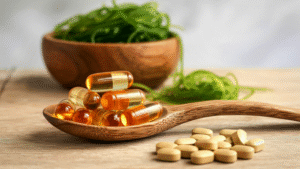
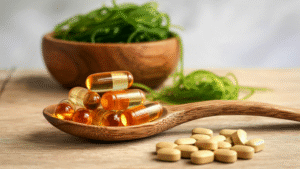
Supplementation offers the most reliable method for achieving and maintaining optimal vitamin D status. Vitamin D3 (cholecalciferol) proves more effective than D2 (ergocalciferol) at raising blood levels. Most fertility specialists recommend 2,000-4,000 IU daily for maintenance once optimal levels are achieved, though some women require higher doses. The Smarter Nutrition Vitamin K2 and D3 Hormonal and Bone Support combines vitamin D3 with K2, which directs calcium to bones rather than soft tissues, providing dual benefits for reproductive and skeletal health.
Timing and formulation matter for optimal absorption. Vitamin D is fat-soluble, meaning it absorbs best when taken with meals containing healthy fats like avocado, nuts, olive oil, or fatty fish. Some women prefer liquid drops over capsules for easier dose adjustment and potentially better absorption. Quality matters significantly—choose supplements tested by third parties like USP or NSF to ensure purity and potency. For comprehensive fertility support, consider pairing vitamin D with other essential nutrients found in the best fertility supplements for women.
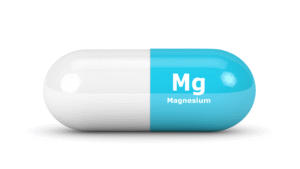
Magnesium deserves special attention because it’s required for vitamin D metabolism. Without adequate magnesium, your body cannot effectively convert vitamin D into its active form. Studies suggest that up to 50% of Americans are magnesium-deficient, potentially explaining why some women struggle to raise vitamin D levels despite supplementation. Including magnesium-rich foods like leafy greens, pumpkin seeds, almonds, and dark chocolate supports vitamin D function. Some practitioners recommend taking magnesium supplements alongside vitamin D, particularly for women with muscle cramps, sleep difficulties, or anxiety—all signs of potential magnesium insufficiency that also impact fertility.
The Vitamin D-Fertility Connection in Special Populations
Women with polycystic ovary syndrome face unique challenges regarding vitamin D and fertility. PCOS affects one in ten women and is characterized by insulin resistance, irregular ovulation, and hormonal imbalances. Research consistently shows that 67-85% of women with PCOS have vitamin D deficiency, significantly higher than the general population. The relationship appears bidirectional: vitamin D deficiency worsens PCOS symptoms, while PCOS may increase the risk of deficiency through metabolic dysfunction and obesity.
For women with PCOS, vitamin D supplementation offers multiple benefits. Studies demonstrate that correcting deficiency improves insulin sensitivity, reduces testosterone levels, promotes more regular menstrual cycles, and enhances ovulation rates. One randomized controlled trial found that women with PCOS who received vitamin D supplementation alongside metformin showed significantly improved menstrual regularity and pregnancy rates compared to those receiving metformin alone. The combination of vitamin D with inositol, found in supplements like Wholesome Story Myo Inositol and D Chiro Inositol for Hormone Balance, provides synergistic effects for managing PCOS-related infertility.
Women undergoing assisted reproductive technology (ART) procedures like IVF should pay particular attention to vitamin D status. Multiple studies indicate that women with sufficient vitamin D levels have higher implantation rates, clinical pregnancy rates, and live birth rates following embryo transfer. One meta-analysis found that women with vitamin D levels above 30 ng/mL were nearly twice as likely to achieve clinical pregnancy and live birth compared to those with deficiency. The mechanism involves vitamin D’s effects on endometrial receptivity and embryo quality, making optimization a simple yet powerful intervention to improve IVF success.
Age-related fertility decline intersects with vitamin D in important ways. As women age, particularly after 35, both fertility and vitamin D status naturally decline. Egg quality deterioration, the primary factor in age-related infertility, appears partially mediated by oxidative stress and mitochondrial dysfunction—processes that vitamin D helps regulate. While vitamin D supplementation cannot reverse chronological aging of eggs, maintaining optimal levels may slow decline and improve outcomes. Women over 35 trying to conceive should prioritize vitamin D testing and optimization alongside other strategies outlined in how to improve egg quality after 35.
Women with endometriosis, a painful condition affecting up to 10% of reproductive-age women and causing up to 50% of cases of infertility, also show high rates of vitamin D deficiency. Endometriosis involves immune dysregulation and chronic inflammation, both processes that vitamin D helps modulate. Emerging research suggests vitamin D supplementation may reduce endometriosis-related pain and inflammation, potentially improving fertility outcomes. While more research is needed, correcting deficiency represents a low-risk intervention with potential benefits for women with this challenging condition.
Integrating Vitamin D Into Your Comprehensive Fertility Plan
Optimizing vitamin D represents just one component of a holistic approach to fertility. The most successful conception strategies address multiple factors simultaneously: nutrition, lifestyle, stress management, environmental exposures, and underlying health conditions. Vitamin D works synergistically with other nutrients essential for reproduction, creating a foundation for optimal fertility when combined thoughtfully.
Folate and vitamin D work together in critical ways for fertility and pregnancy. Folate supports DNA synthesis and cell division, crucial for egg development and early embryo growth. Studies show that combined vitamin D and folate supplementation improves fertility outcomes more effectively than either nutrient alone. The NATURELO Plant-Based Calcium with D3, K2, Magnesium for Bone Strength provides vitamin D alongside other fertility-supporting minerals, though women trying to conceive should also ensure adequate folate intake through prenatal vitamins or dedicated supplements as discussed in folate vs folic acid when trying to conceive.
Omega-3 fatty acids complement vitamin D’s anti-inflammatory effects and support egg quality. Both nutrients reduce oxidative stress and inflammation in the reproductive system. Research indicates women with higher omega-3 intake and sufficient vitamin D status have better ovarian reserve markers and higher pregnancy rates. Including fatty fish twice weekly or supplementing with high-quality fish oil enhances vitamin D’s fertility benefits. The combination proves particularly valuable for women over 35 or those with inflammatory conditions affecting fertility.
Lifestyle factors significantly influence both vitamin D status and fertility outcomes. Regular moderate exercise improves insulin sensitivity and reduces inflammation, amplifying vitamin D’s beneficial effects. However, excessive exercise can suppress reproductive hormones, so balance is key. Stress management through practices like yoga, meditation, or counseling supports both vitamin D metabolism and hormonal balance. Sleep quality matters too—vitamin D influences circadian rhythms, and adequate sleep supports the hormonal cascade necessary for ovulation and conception.
Environmental toxins and endocrine disruptors deserve attention when optimizing fertility. Chemicals in plastics, personal care products, and pesticides can interfere with vitamin D receptors and hormone production. Choosing organic foods when possible, using glass food storage containers, selecting clean beauty products, and filtering drinking water reduces toxic burden. These simple changes create a cleaner internal environment where vitamin D and other nutrients can function optimally to support conception.
Timing vitamin D optimization appropriately in your fertility journey matters. Ideally, begin testing and supplementing at least three months before actively trying to conceive. This preconception period allows time to correct deficiency and ensure optimal levels when conception occurs. Continue vitamin D supplementation throughout pregnancy, as requirements increase and adequate levels support fetal development, reduce pregnancy complications, and may influence long-term health outcomes for your child. Working with a healthcare provider knowledgeable about fertility nutrition ensures personalized recommendations based on your specific situation, test results, and fertility goals.
Frequently Asked Questions
How quickly can vitamin D supplementation improve fertility?
Most women see vitamin D levels rise within 8-12 weeks of consistent supplementation, but fertility improvements may take 3-6 months as reproductive tissues respond to normalized levels. Some women notice more regular menstrual cycles within 2-3 months. Optimal conception outcomes require maintaining sufficient levels for at least one full menstrual cycle before attempting pregnancy.
Can you have too much vitamin D when trying to conceive?
Yes, though vitamin D toxicity is rare and typically only occurs with prolonged intake exceeding 10,000 IU daily. Levels above 100 ng/mL may cause hypercalcemia with symptoms like nausea, weakness, and kidney problems. For fertility, targeting 40-60 ng/mL proves optimal without risk. Always retest levels periodically when supplementing to ensure appropriate dosing and avoid excessive accumulation.
Does vitamin D improve male fertility as well?
Research strongly suggests vitamin D plays crucial roles in male reproductive health, affecting sperm quality, motility, and testosterone production. Men with vitamin D deficiency show reduced sperm counts and motility. Couples trying to conceive should consider testing and optimizing vitamin D levels for both partners, as male factor infertility contributes to 40-50% of cases. Supplementation improves sperm parameters within 3-6 months.
Should I continue vitamin D supplementation during pregnancy?
Absolutely. Vitamin D requirements increase during pregnancy to support fetal skeletal development, immune system maturation, and brain growth. Maternal deficiency increases risks of gestational diabetes, preeclampsia, preterm birth, and low birth weight. Most prenatal vitamins contain 400-800 IU vitamin D, often insufficient for women with prior deficiency. Continue your preconception dose or consult your provider about appropriate pregnancy dosing based on testing.
What’s the difference between vitamin D2 and D3 for fertility?
Vitamin D3 (cholecalciferol) is more effective than D2 (ergocalciferol) at raising and maintaining blood levels. D3 is the form your skin produces from sunlight and what’s found in animal foods. Research shows D3 increases serum 25(OH)D levels approximately 70% more effectively than equivalent doses of D2. For fertility optimization, always choose vitamin D3 supplements to ensure you reach therapeutic levels efficiently and maintain them long-term.
A Word From Vitamins For Woman
Understanding the connection between vitamin D deficiency and infertility in women empowers you to take concrete steps toward improving your reproductive health. While fertility challenges can feel overwhelming, optimizing vitamin D status represents a scientifically-supported, accessible intervention that may significantly enhance your chances of conception. Remember that everyone’s fertility journey is unique, and vitamin D optimization works best as part of a comprehensive approach addressing nutrition, lifestyle, stress, and any underlying health conditions. We encourage you to work with knowledgeable healthcare providers who can guide personalized testing, supplementation, and monitoring tailored to your individual needs and circumstances.
References
- Chu J, Gallos I, Tobias A, et al. (2018). Vitamin D and assisted reproductive treatment outcome: a systematic review and meta-analysis. Human Reproduction. https://pubmed.ncbi.nlm.nih.gov/29149263/
- Paffoni A, Ferrari S, Viganò P, et al. (2014). Vitamin D deficiency and infertility: insights from in vitro fertilization cycles. Journal of Clinical Endocrinology and Metabolism. https://pubmed.ncbi.nlm.nih.gov/24670086/
- Lerchbaum E, Obermayer-Pietsch B. (2012). Mechanisms in endocrinology: Vitamin D and fertility: a systematic review. European Journal of Endocrinology. https://pubmed.ncbi.nlm.nih.gov/22275473/
- Colonese F, Laganà AS, Colonese E, et al. (2015). The pleiotropic effects of vitamin D in gynaecological and obstetric diseases: an overview on a hot topic. BioMed Research International. https://pubmed.ncbi.nlm.nih.gov/26491681/
- Irani M, Merhi Z. (2014). Role of vitamin D in ovarian physiology and its implication in reproduction: a systematic review. Fertility and Sterility. https://pubmed.ncbi.nlm.nih.gov/24630080/