
The moment you see the single line on yet another pregnancy test, a familiar wave of disappointment washes over you. You’ve been doing everything right—tracking ovulation, eating well, managing stress—yet conception remains elusive. What if the answer lies in something as simple as a vitamin deficiency? For countless women struggling with fertility challenges, low vitamin D levels may be the missing piece of the puzzle.
Vitamin D deficiency affects approximately 40% of reproductive-age women in the United States, and emerging research reveals its profound impact on fertility. This fat-soluble hormone regulates over 200 genes in the body, including those critical for reproductive function. Low levels can disrupt ovulation, compromise egg quality, affect endometrial receptivity, and interfere with hormonal balance—all essential factors for successful conception.
In this comprehensive guide, we’ll explore the scientific connection between vitamin D deficiency and infertility in women, reveal how to identify if you’re at risk, and provide evidence-based strategies to optimize your levels. You’ll discover practical steps to support your fertility journey, from dietary sources to supplementation guidelines, and learn when to seek professional help for your reproductive health concerns.
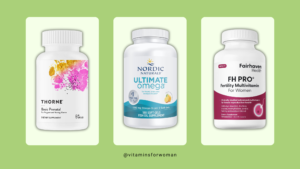
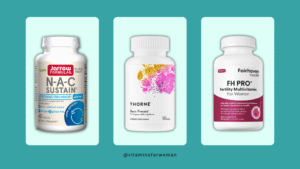
Read more: The Best Fertility Supplements For Women
Understanding the Vitamin D-Fertility Connection
Vitamin D is far more than just a bone health nutrient—it functions as a powerful hormone with receptors throughout the reproductive system. These vitamin D receptors (VDRs) are found in the ovaries, uterus, placenta, and pituitary gland, highlighting its essential role in female fertility. When vitamin D binds to these receptors, it influences the expression of genes that regulate ovarian function, hormone production, and embryo implantation.
Research published in the journal Reproductive Biology and Endocrinology demonstrates that women with sufficient vitamin D levels have significantly higher pregnancy rates compared to those with deficiency. The mechanism involves vitamin D’s ability to support anti-Müllerian hormone (AMH) production, which serves as a marker of ovarian reserve. Additionally, vitamin D helps regulate follicle-stimulating hormone (FSH) and luteinizing hormone (LH), both crucial for normal ovulation cycles.
The impact extends beyond natural conception. Studies show that women undergoing in vitro fertilization (IVF) with adequate vitamin D levels have improved embryo quality, better endometrial thickness, and higher implantation rates. A 2018 meta-analysis found that vitamin D sufficiency increased the odds of clinical pregnancy by 46% in women receiving assisted reproductive technology. For those dealing with conditions like polycystic ovary syndrome (PCOS), vitamin D plays an even more critical role in managing insulin resistance and restoring ovulatory function.
The deficiency epidemic stems from multiple factors: limited sun exposure due to indoor lifestyles, consistent sunscreen use, darker skin pigmentation requiring more UV exposure, geographic location in northern latitudes, and inadequate dietary intake. Understanding these risk factors helps identify whether you might be affected and need intervention.
Key ways vitamin D supports female fertility include:
- Regulating menstrual cycles: Vitamin D influences the hypothalamic-pituitary-ovarian axis, promoting regular ovulation and balanced cycle length
- Improving egg quality: Adequate levels support antioxidant activity in follicular fluid, protecting developing eggs from oxidative stress
- Enhancing endometrial receptivity: Vitamin D helps prepare the uterine lining for embryo implantation by modulating immune function and inflammation
- Supporting hormonal balance: It works synergistically with other reproductive hormones, including estrogen and progesterone, to optimize fertility potential
- Reducing inflammation: Vitamin D’s anti-inflammatory properties create a more favorable environment for conception and early pregnancy development
Identifying Vitamin D Deficiency and Its Fertility Impact
Recognizing vitamin D deficiency can be challenging because many symptoms are subtle or mistaken for other conditions. Women experiencing fertility challenges should pay attention to potential warning signs while understanding that blood testing remains the gold standard for diagnosis. The optimal vitamin D level for fertility is generally considered to be between 30-50 ng/mL, though some reproductive endocrinologists recommend targeting 40-60 ng/mL for women trying to conceive.
Common symptoms that may indicate vitamin D deficiency include persistent fatigue that doesn’t improve with rest, frequent infections or prolonged illness recovery, bone and back pain, mood changes including depression or anxiety, muscle weakness or aches, and hair loss. In the context of fertility, specific red flags include irregular or absent menstrual cycles, unexplained infertility after 12 months of trying, recurrent pregnancy loss, or diagnosis of conditions like PCOS or endometriosis that are associated with lower vitamin D levels.
Testing for vitamin D is straightforward and involves a simple blood test called 25-hydroxyvitamin D, or 25(OH)D. This test should ideally be performed before beginning fertility treatments or when you start actively trying to conceive. Results are interpreted as follows: deficient (below 20 ng/mL), insufficient (20-29 ng/mL), sufficient (30-50 ng/mL), and potentially high (above 100 ng/mL, though toxicity is rare).
The fertility consequences of vitamin D deficiency manifest in several ways. Research shows that deficient women have a 44% lower chance of conceiving compared to those with adequate levels. Deficiency is associated with anovulation (failure to release an egg), poor egg quality reflected in abnormal chromosome numbers, reduced endometrial thickness making implantation difficult, and increased miscarriage risk in early pregnancy. For women with PCOS, vitamin D deficiency exacerbates insulin resistance and androgen excess, further compromising ovulation.
Certain populations face higher risk for vitamin D deficiency and fertility problems. These include women with darker skin tones, who require up to six times more sun exposure to produce equivalent vitamin D; those living in northern climates above 37 degrees latitude; women who are overweight or obese, as vitamin D gets sequestered in fat tissue; individuals who consistently use sunscreen or cover their skin for religious or cultural reasons; and women with digestive disorders affecting fat absorption, such as Crohn’s disease or celiac disease.
If you’re experiencing fertility challenges, requesting a vitamin D test from your healthcare provider is a simple yet potentially impactful step. Many insurance plans cover this test, especially when there’s a documented fertility concern. Understanding your status allows for targeted intervention that could significantly improve your chances of conception.
Warning signs that warrant immediate vitamin D testing:
- Irregular menstrual cycles: Periods that vary by more than seven days each month or occur less frequently than every 35 days
- Unexplained infertility: Inability to conceive after 12 months of unprotected intercourse (or six months if over age 35)
- PCOS diagnosis: This condition is strongly associated with vitamin D deficiency in 67-85% of cases
- Recurrent pregnancy loss: Two or more consecutive miscarriages, which may be linked to immune dysfunction from low vitamin D
- Failed IVF cycles: Poor embryo quality or implantation failure despite otherwise favorable conditions
Optimizing Vitamin D Levels for Fertility Success
Once you’ve identified a vitamin D deficiency, the good news is that correction is relatively straightforward and can yield significant fertility improvements within three to six months. The approach involves a combination of safe sun exposure, dietary sources, and supplementation tailored to your individual needs and baseline levels. Consistency is key, as vitamin D takes time to accumulate in the body and exert its full reproductive benefits.
Sunlight remains the most effective way to boost vitamin D naturally. When UVB rays hit your skin, they trigger vitamin D3 synthesis. For optimal production, aim for 10-30 minutes of midday sun exposure (between 10 AM and 3 PM) several times weekly, exposing arms, legs, or back without sunscreen. The exact duration depends on skin tone, latitude, and season—lighter skin requires less time, while darker skin needs more. However, this must be balanced with skin cancer risk, making supplementation necessary for many women, especially during winter months or in northern regions.
Dietary sources provide modest amounts of vitamin D and should complement, not replace, supplementation for deficient women. Fatty fish like wild-caught salmon (570 IU per 3 ounces), mackerel, and sardines offer the highest concentrations. Other sources include cod liver oil (1,360 IU per tablespoon), egg yolks from pastured chickens (40-50 IU per yolk), fortified foods like dairy products and plant-based milk alternatives (100-150 IU per cup), and mushrooms exposed to UV light (400 IU per 3 ounces). While these foods support overall vitamin D status, they typically don’t provide enough to correct significant deficiency without supplements.
Supplementation is the most reliable method for achieving optimal vitamin D levels for fertility. For women with confirmed deficiency, reproductive endocrinologists often recommend 2,000-4,000 IU daily, though some cases require higher loading doses initially. Vitamin D3 (cholecalciferol) is preferred over D2 (ergocalciferol) because it’s more effective at raising blood levels. Taking vitamin D with a meal containing healthy fats improves absorption, as it’s a fat-soluble vitamin. High-quality supplements like NATURELO Plant-Based Calcium with D3, K2, and Magnesium provide comprehensive bone and reproductive support.
Cofactors enhance vitamin D’s fertility benefits. Magnesium is essential for converting vitamin D into its active form, with 300-400 mg daily recommended for reproductive-age women. Vitamin K2 works synergistically with vitamin D to regulate calcium metabolism and support uterine health. Vitamin A ensures proper vitamin D receptor function, though supplementation should be moderate during conception attempts due to teratogenic concerns at high doses. Products like New Chapter Bone Strength Organic Calcium with D3 and K2 offer balanced formulations with these important cofactors.
Monitoring and adjusting your levels is crucial. Retest 25(OH)D levels after three months of supplementation to assess response and adjust dosing. Most women see significant improvements with consistent supplementation, though individual absorption varies. Once you reach optimal levels (40-50 ng/mL for fertility), a maintenance dose of 1,000-2,000 IU daily typically preserves status. Continue supplementation throughout conception attempts and pregnancy, as vitamin D requirements increase during gestation.
For women pursuing fertility treatments, coordinating with your reproductive endocrinologist is essential. Some clinics now include vitamin D testing as part of standard fertility workups and may delay procedures until levels are optimized. Research suggests that correcting deficiency before IVF can improve outcomes, making the investment in testing and supplementation worthwhile. If you’re also taking other prenatal vitamins, check the vitamin D content to avoid unnecessary duplication while ensuring adequate intake.
Integrating Vitamin D Into Your Fertility Plan
Addressing vitamin D deficiency represents just one component of a comprehensive fertility optimization strategy. While correcting low levels can significantly improve reproductive outcomes, the greatest success comes from integrating vitamin D support with other evidence-based approaches to preconception health. This holistic perspective acknowledges that fertility depends on multiple interconnected factors, all of which deserve attention and optimization.
Creating a fertility-focused lifestyle begins with nutrition. A Mediterranean-style diet rich in vegetables, fruits, whole grains, legumes, nuts, olive oil, and fatty fish provides not only vitamin D-rich foods but also antioxidants, omega-3 fatty acids, and fiber that support hormonal balance and egg quality. Limiting processed foods, trans fats, and excess sugar helps manage insulin levels, particularly important for women with PCOS. Adequate protein intake—approximately 1.2 grams per kilogram body weight—supports hormone production and ovarian function. Staying well-hydrated and limiting caffeine to 200 mg daily (about one 12-ounce coffee) optimize cervical mucus quality and implantation potential.
Complementary supplements work synergistically with vitamin D to enhance fertility. Folate (not synthetic folic acid) at 400-800 mcg daily prevents neural tube defects and supports healthy cell division during early pregnancy. Omega-3 fatty acids from fish oil (1,000-2,000 mg daily) reduce inflammation and improve egg quality. Coenzyme Q10 (200-600 mg daily) acts as a powerful antioxidant protecting eggs from oxidative damage. Inositol, particularly myo-inositol and D-chiro-inositol in a 40:1 ratio, benefits women with PCOS by improving insulin sensitivity and ovulation rates. Products like Wholesome Story Myo Inositol and D Chiro Inositol provide research-backed ratios for hormonal balance.
Physical activity contributes significantly to fertility when approached appropriately. Moderate exercise—30 minutes of brisk walking, swimming, or yoga five days weekly—helps maintain healthy weight, reduces stress, and supports insulin sensitivity without overtaxing the reproductive system. However, excessive high-intensity exercise can suppress ovulation, so balance is crucial. Mind-body practices like meditation, acupuncture, and fertility yoga may improve outcomes by reducing cortisol and promoting parasympathetic nervous system activity, creating a more favorable hormonal environment for conception.
Managing underlying conditions is essential for fertility success. Women with PCOS should work with their healthcare provider to address insulin resistance, potentially through medications like metformin alongside lifestyle modifications and targeted supplementation including vitamin D, inositol, and chromium. Those with low progesterone may benefit from natural support through adequate vitamin D, magnesium, and vitamin B6. Thyroid dysfunction, present in 2-4% of reproductive-age women, requires optimization of thyroid hormone levels for successful conception. Endometriosis management may involve anti-inflammatory approaches including vitamin D, omega-3s, and targeted nutrition.
Environmental and lifestyle factors deserve attention. Reducing exposure to endocrine-disrupting chemicals found in plastics, personal care products, and pesticides supports hormonal health. Choosing organic produce when possible, especially for the “Dirty Dozen” fruits and vegetables, minimizes pesticide exposure. Using glass or stainless steel food containers instead of plastic reduces BPA and phthalate exposure. Optimizing sleep quality—aiming for 7-9 hours nightly in a dark, cool room—supports melatonin production, which acts as an antioxidant in follicular fluid and regulates reproductive hormones. Limiting alcohol consumption to occasional use and avoiding smoking are critical, as both significantly impair fertility.
Tracking your cycle provides valuable fertility insights. Using basal body temperature, cervical mucus observation, and ovulation predictor kits helps identify your fertile window and confirms ovulation. Apps and fertility monitors can simplify this process, though learning to observe your body’s natural signals builds invaluable awareness. Regular cycles (21-35 days) with clear ovulation signals indicate healthy reproductive function, while irregularities warrant investigation.
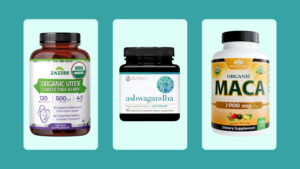
The emotional journey of trying to conceive can be challenging. Building a support system through fertility support groups, counseling, or trusted friends and family provides emotional resilience. Setting realistic expectations—understanding that even healthy couples in their 20s have only a 20-25% chance of conception each month—helps maintain perspective. Celebrating small victories like improved cycle regularity or better vitamin D levels sustains motivation during the process. Consider supplements that support both reproductive health and mood, such as Goli Ashwagandha Gummies, which help manage stress while supporting hormonal balance.
Knowing when to seek professional help is important. Women under 35 should consult a fertility specialist after 12 months of unsuccessful conception attempts; women over 35 should seek help after six months. Earlier consultation is warranted for irregular cycles, known reproductive issues, previous pregnancy loss, or male factor concerns. A comprehensive fertility evaluation includes hormone testing, ovarian reserve assessment, imaging studies, and semen analysis, providing a clear picture of any obstacles to conception and guiding appropriate treatment.
Frequently Asked Questions
How long does it take to correct vitamin D deficiency for fertility?
Most women see significant improvement in vitamin D levels within 8-12 weeks of consistent supplementation at appropriate doses. However, achieving optimal levels for fertility (40-50 ng/mL) may take 3-6 months depending on baseline status and individual absorption. The fertility benefits often become apparent once levels stabilize in the optimal range.
Can I take too much vitamin D when trying to conceive?
While vitamin D toxicity is rare, excessive supplementation above 10,000 IU daily for extended periods can cause hypercalcemia. For fertility purposes, 2,000-4,000 IU daily is typically safe and effective. Always test your levels and work with a healthcare provider to determine your ideal dose, avoiding unnecessary mega-dosing.
Does vitamin D help with PCOS-related infertility?
Yes, research strongly supports vitamin D supplementation for women with PCOS. Studies show that correcting deficiency improves insulin sensitivity, reduces androgens, promotes regular ovulation, and enhances fertility outcomes. Women with PCOS often require higher doses (4,000-5,000 IU daily) to achieve optimal levels due to metabolic factors associated with the condition.
Should I continue vitamin D supplementation during pregnancy?
Absolutely. Vitamin D requirements actually increase during pregnancy to support fetal skeletal development and immune function. Most prenatal vitamins contain 400-800 IU, which may be insufficient if you had deficiency. Continue your current dose or as recommended by your obstetrician, typically 2,000-4,000 IU daily throughout pregnancy and breastfeeding.
Are there any fertility medications that interact with vitamin D?
Vitamin D has no known negative interactions with common fertility medications like Clomid, letrozole, or gonadotropins. In fact, research suggests adequate vitamin D may enhance response to these treatments. However, always inform your fertility specialist about all supplements you’re taking to ensure comprehensive medication management and optimal treatment outcomes.
A Word From Vitamins For Woman
Discovering the connection between vitamin D deficiency and infertility in women opens a powerful avenue for improving your reproductive health naturally. While optimizing vitamin D levels alone may not solve all fertility challenges, it represents an accessible, evidence-based intervention that can significantly enhance your chances of conception. Combined with comprehensive preconception care, targeted supplementation, and professional guidance when needed, addressing vitamin D deficiency empowers you to take meaningful action on your fertility journey with confidence and hope.
References
- Lerchbaum E, Rabe T. (2014). Vitamin D and female fertility. Current Opinion in Obstetrics and Gynecology. https://pubmed.ncbi.nlm.nih.gov/24978647/
- Chu J, et al. (2018). Vitamin D and assisted reproductive treatment outcome: a systematic review and meta-analysis. Human Reproduction. https://pubmed.ncbi.nlm.nih.gov/29025048/
- Farzadi L, et al. (2015). Relationship between vitamin D deficiency and assisted reproductive technology outcomes in patients with polycystic ovary syndrome. Iranian Journal of Reproductive Medicine. https://pubmed.ncbi.nlm.nih.gov/26622319/
- Mumford SL, et al. (2016). Association of preconception serum 25-hydroxyvitamin D concentrations with livebirth and pregnancy loss: a prospective cohort study. The Lancet Diabetes & Endocrinology. https://pubmed.ncbi.nlm.nih.gov/27717922/
- Anagnostis P, et al. (2013). Vitamin D in human reproduction: a narrative review. International Journal of Clinical Practice. https://pubmed.ncbi.nlm.nih.gov/23241082/