You’ve been tracking your cycle, timing intercourse perfectly, and doing everything “right,” yet month after month, that pregnancy test remains negative. The frustration builds as you wonder what could be standing between you and motherhood. While you might consider hormone imbalances or age-related factors, there’s a less obvious culprit that could be sabotaging your fertility: iron deficiency. This common nutritional gap affects approximately 30% of women of reproductive age and may be silently undermining your ability to conceive.
The relationship between iron deficiency and difficulty getting pregnant extends beyond simple anemia. Iron plays a vital role in ovulation, egg development, and the preparation of your uterine lining for implantation. When your body lacks adequate iron stores, these reproductive processes can falter. Low iron affects thyroid function, disrupts hormone production, and compromises the oxygen delivery your developing eggs desperately need. Even subclinical iron deficiency—where your hemoglobin appears normal but ferritin stores are depleted—can significantly impact fertility outcomes.
In this comprehensive guide, we’ll explore exactly how iron deficiency impacts your reproductive health and what you can do to optimize your iron status. You’ll discover the warning signs of low iron, learn which tests to request from your doctor, and find evidence-based strategies for restoring healthy iron levels. We’ll also discuss safe supplementation approaches and dietary changes that support both fertility and overall wellness, giving you actionable steps toward improving your chances of conception.
How Iron Deficiency Affects Ovulation and Egg Quality
Iron is fundamentally important for ovulation, the monthly release of a mature egg from your ovaries. Research published in the American Journal of Epidemiology found that women with adequate iron intake were 40% less likely to experience ovulatory infertility compared to those with low iron consumption. This connection exists because iron is essential for proper follicle development—the fluid-filled sacs that house and nurture your eggs until they’re ready for release.
Your ovaries require substantial oxygen to support the energy-intensive process of maturing eggs each cycle. Iron is a key component of hemoglobin, the protein in red blood cells that carries oxygen throughout your body. When iron levels drop, oxygen delivery to the ovaries becomes compromised, potentially leading to irregular ovulation or anovulation (absence of ovulation). Women with iron deficiency often experience longer, more irregular cycles, making it difficult to predict fertile windows and time conception attempts effectively.
Beyond ovulation frequency, iron status directly influences egg quality—a critical factor for successful conception and healthy pregnancy. Your eggs contain mitochondria, the cellular powerhouses that generate energy for all developmental processes. These mitochondria depend heavily on iron-containing enzymes to produce ATP, the cell’s energy currency. When iron is insufficient, mitochondrial function suffers, potentially resulting in eggs with chromosomal abnormalities or reduced developmental potential. This is particularly concerning for women over 35, whose egg quality naturally declines with age.
Iron also plays a crucial role in hormone synthesis and balance. Adequate iron levels support healthy thyroid function, which regulates metabolism and reproductive hormones. Iron deficiency can trigger or worsen hypothyroidism, a condition that frequently causes fertility problems. Additionally, iron is necessary for dopamine production, a neurotransmitter that helps regulate prolactin levels. When prolactin becomes elevated due to low dopamine, it can suppress ovulation entirely. If you’re experiencing fertility challenges, exploring your complete nutritional status including iron is essential.
Here are the key ways iron deficiency disrupts ovulation and egg quality:
- Impaired follicle development: Low iron reduces the energy available for follicles to mature properly, leading to delayed or absent ovulation
- Reduced oocyte competence: Iron-deficient eggs may have compromised mitochondrial function, affecting their ability to fertilize and develop normally
- Hormonal disruptions: Iron deficiency contributes to thyroid dysfunction and dopamine imbalances that suppress reproductive hormones
- Oxidative stress: Paradoxically, both iron deficiency and iron excess can increase oxidative damage to eggs, highlighting the importance of optimal levels
- Shortened luteal phase: Low iron may contribute to inadequate progesterone production after ovulation, making implantation difficult even if conception occurs
Recognizing the Signs of Iron Deficiency When Trying to Conceive
Iron deficiency develops gradually, often progressing through three stages before becoming severe enough to cause obvious symptoms. In the first stage, your iron stores (measured as ferritin) begin to deplete while hemoglobin remains normal. During this phase, you might feel perfectly fine or experience only subtle fatigue that you attribute to stress or busy schedules. This is precisely why so many women trying to conceive remain unaware that low iron is affecting their fertility.
As iron deficiency progresses to stage two, you may notice increasing fatigue, difficulty concentrating, and reduced exercise tolerance. Your hair might start shedding more than usual, and you may develop brittle nails or experience frequent headaches. Many women also report feeling unusually cold, particularly in their hands and feet, as insufficient hemoglobin reduces the body’s ability to maintain proper temperature. If you’re experiencing these symptoms alongside irregular periods or difficulty conceiving, iron deficiency should be investigated.
The third stage represents iron deficiency anemia, where hemoglobin levels have dropped significantly. Symptoms become more pronounced and may include severe exhaustion, dizziness, rapid heartbeat, shortness of breath, and pale skin. Some women develop pica—unusual cravings for non-food items like ice, clay, or starch—which is a classic sign of severe iron deficiency. Restless leg syndrome, characterized by uncomfortable sensations in the legs and an irresistible urge to move them, is another potential indicator of low iron status.
Certain factors place you at higher risk for iron deficiency while trying to conceive. Heavy menstrual periods are a leading cause, as each milliliter of blood lost contains approximately 0.5 mg of iron. Women who menstruate heavily can lose 60-80 mg of iron per cycle, making it nearly impossible to maintain adequate stores through diet alone. Vegetarian and vegan diets also increase risk, since plant-based iron (non-heme iron) is less readily absorbed than the heme iron found in animal products. If you have a history of gastrointestinal conditions like celiac disease or inflammatory bowel disease, your ability to absorb iron may be compromised regardless of dietary intake.
Recognizing these warning signs early allows you to address iron deficiency before it significantly impacts your fertility journey. Many women assume fatigue and irregular cycles are simply part of the stress of trying to conceive, but these symptoms deserve medical evaluation. Understanding nutritional deficiencies that affect fertility can help you take proactive steps toward optimizing your preconception health.
- Persistent fatigue: Feeling exhausted even after adequate sleep, with low energy throughout the day
- Irregular menstrual cycles: Cycles that are unpredictable, excessively long, or absent entirely
- Heavy menstrual bleeding: Periods lasting more than seven days or requiring frequent pad/tampon changes
- Cognitive symptoms: Brain fog, difficulty concentrating, poor memory, or decreased productivity
- Physical changes: Hair loss, brittle nails, pale skin, frequent infections, or cold intolerance
Testing and Optimal Iron Levels for Fertility
Standard blood tests often miss iron deficiency in its early stages because they focus primarily on hemoglobin and hematocrit levels, which only drop after iron stores are significantly depleted. For women trying to conceive, a comprehensive iron panel provides much more valuable information. This panel should include serum ferritin (your iron storage protein), serum iron, total iron-binding capacity (TIBC), transferrin saturation, and complete blood count (CBC) with hemoglobin and hematocrit.
Ferritin is the single most important marker for assessing iron stores and predicting fertility-related iron deficiency. While conventional reference ranges suggest ferritin levels above 12-15 ng/mL are “normal,” functional medicine practitioners and fertility specialists recognize that optimal ferritin for conception ranges between 50-70 ng/mL or higher. Studies have shown that women with ferritin levels below 30 ng/mL have reduced ovarian reserve markers and poorer response to fertility treatments. If you’re planning to conceive, don’t settle for being “within range”—aim for optimal levels that support reproductive health.
Transferrin saturation, which indicates how much of your iron transport protein is actually carrying iron, should ideally be between 20-40% for fertility purposes. Low transferrin saturation (below 20%) suggests insufficient iron availability even if ferritin appears adequate. Conversely, very high transferrin saturation might indicate iron overload, a condition that can also impair fertility and increase pregnancy complications. This is why testing multiple markers provides a complete picture rather than relying on a single value.
The timing of iron testing matters, particularly for women with regular menstrual cycles. Iron levels naturally fluctuate throughout your cycle, with ferritin often at its lowest during menstruation when blood loss is occurring. For the most accurate baseline assessment, schedule your blood draw during the early follicular phase (days 3-5 of your cycle) or wait until menstruation has completely finished. If you have irregular cycles or are not currently menstruating, testing can be done at any time but should be repeated after three months of supplementation to assess response.
When discussing test results with your healthcare provider, be specific about your fertility goals. Many doctors will reassure patients that “normal” levels are sufficient, not recognizing that optimal fertility may require higher iron stores than those needed to simply prevent anemia. Come prepared with research, ask about your specific ferritin number, and request a comprehensive iron panel if you’ve only had hemoglobin checked. If your provider is dismissive, consider seeking a second opinion from a reproductive endocrinologist or integrative medicine practitioner who specializes in preconception health.
It’s also worth noting that inflammation can artificially elevate ferritin levels, since ferritin acts as an acute-phase reactant during infection or inflammatory conditions. If your ferritin appears adequate but you have symptoms of iron deficiency, request a C-reactive protein (CRP) test to check for inflammation. Elevated CRP alongside elevated ferritin may mask true iron deficiency. In these cases, other markers like transferrin saturation and serum iron become more important for accurate assessment. For comprehensive support during your fertility journey, exploring essential nutrients beyond iron can further optimize your chances of conception.
Restoring Iron Levels to Support Conception
Once you’ve identified iron deficiency, developing an effective restoration plan requires understanding both dietary sources and supplementation strategies. Dietary iron comes in two forms: heme iron from animal sources and non-heme iron from plant foods. Heme iron, found in red meat, poultry, and fish, is absorbed at rates of 15-35%, while non-heme iron from legumes, leafy greens, and fortified grains is absorbed at only 2-20%. This difference doesn’t mean plant-based eaters can’t maintain adequate iron, but it does require more attention to absorption-enhancing strategies.
To maximize iron absorption from your diet, combine iron-rich foods with vitamin C sources at the same meal. Vitamin C can increase non-heme iron absorption by up to 300%. Try adding citrus fruits, bell peppers, tomatoes, or strawberries to meals containing beans, lentils, or fortified cereals. Conversely, be aware of absorption inhibitors like calcium, tannins in tea and coffee, and phytates in whole grains and legumes. Space calcium supplements at least two hours away from iron-rich meals, and avoid drinking tea or coffee within an hour of eating iron-containing foods.
For many women trying to conceive, dietary changes alone aren’t sufficient to restore depleted iron stores quickly enough. Iron supplementation becomes necessary, but not all supplements are created equal. Ferrous sulfate is commonly prescribed but frequently causes gastrointestinal side effects including nausea, constipation, and stomach upset. Ferrous bisglycinate (iron glycinate) is a chelated form that’s gentler on the digestive system and often better absorbed. A high-quality option like Nature Made Prenatal with Iron can provide additional fertility-supporting nutrients alongside iron.
The appropriate supplementation dose depends on the severity of your deficiency and your individual absorption capacity. Most fertility specialists recommend 25-50 mg of elemental iron daily for maintenance or mild deficiency, while moderate to severe deficiency may require 65-130 mg daily until stores are repleted. Always take iron supplements on an empty stomach (or with only vitamin C) for maximum absorption, though if this causes intolerable side effects, taking it with a small amount of food is better than not taking it at all. Consider products like One A Day Prenatal Advanced with Iron which combines iron with other fertility-supporting nutrients in convenient formulations.
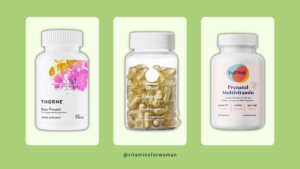
Monitor your progress through repeat testing rather than relying solely on symptom improvement. Ferritin levels typically increase by approximately 30 ng/mL for every month of consistent supplementation with adequate doses, though individual responses vary. Plan to retest after three months of supplementation to ensure you’re moving in the right direction. Once your levels are optimized, you may be able to reduce your supplementation dose or maintain levels through diet and a prenatal vitamin containing iron. For comprehensive preconception nutrition, consider Thorne Basic Prenatal with Iron, which provides high-quality nutrients including the active form of folate essential for early pregnancy.
Be patient with the restoration process—iron stores don’t replenish overnight. Depending on the severity of your deficiency, it may take 3-6 months to achieve optimal levels. During this time, continue your fertility efforts while supporting your body with proper nutrition. Many women find that as their iron levels improve, their cycles become more regular, energy increases, and overall fertility markers improve. Remember that addressing iron is just one piece of the fertility puzzle; supporting hormonal balance and cycle health through multiple nutritional interventions creates the optimal environment for conception.
Frequently Asked Questions
Can iron deficiency cause infertility even if my periods are regular?
Yes, iron deficiency can impair fertility even with regular menstruation. While regular cycles suggest ovulation is occurring, low iron can compromise egg quality, shorten the luteal phase, and create an inadequate uterine lining. Ferritin levels below 30 ng/mL have been associated with reduced fertility potential regardless of cycle regularity.
How long does it take to restore iron levels when trying to conceive?
Restoring iron stores typically takes 3-6 months with consistent supplementation and dietary improvements. Ferritin increases approximately 30 ng/mL per month with adequate iron intake, though individual absorption varies. Continue supplementation throughout this period and retest after three months to assess progress and adjust dosing.
Should I take iron supplements even if my hemoglobin is normal?
Normal hemoglobin doesn’t guarantee adequate iron stores for fertility. Request a ferritin test, as this measures iron reserves before hemoglobin drops. Optimal ferritin for conception is 50-70 ng/mL or higher, even when hemoglobin appears normal. Many fertility specialists recommend supplementation when ferritin falls below this range.
Can too much iron be harmful when trying to get pregnant?
Excessive iron can be problematic, potentially increasing oxidative stress and inflammation. However, this typically only occurs with very high supplementation over extended periods or in people with genetic iron overload conditions. Stick to recommended doses, test regularly, and avoid taking more than 45 mg elemental iron daily unless medically supervised.
Will iron supplements interfere with my other fertility vitamins?
Iron can interfere with calcium and zinc absorption when taken simultaneously. Space iron supplements at least two hours away from calcium-containing products and zinc supplements. Most prenatal vitamins are formulated to account for these interactions. Taking iron with vitamin C enhances absorption while taking with food reduces side effects but decreases absorption slightly.
A Word From Vitamins For Woman
Addressing iron deficiency is a powerful step toward optimizing your fertility and preparing your body for a healthy pregnancy. By recognizing the signs of low iron, seeking appropriate testing, and implementing targeted supplementation strategies, you’re taking control of an often-overlooked factor in conception success. Remember that restoring iron levels takes time, so be patient with the process while celebrating small improvements along the way.
References
- Chavarro JE, et al. (2006). Iron intake and risk of ovulatory infertility. Obstetrics & Gynecology. https://pubmed.ncbi.nlm.nih.gov/17077243/
- Breymann C, et al. (2017). Iron deficiency and impaired ovarian reserve: is there a connection? European Journal of Clinical Nutrition. https://pubmed.ncbi.nlm.nih.gov/28422124/
- Jukic AMZ, et al. (2018). Association of serum ferritin with fecundability in a North Carolina preconception cohort study. Paediatric and Perinatal Epidemiology. https://pubmed.ncbi.nlm.nih.gov/29380395/
- Gaskins AJ, et al. (2019). Maternal prepregnancy folate intake and risk of spontaneous abortion and stillbirth. Obstetrics & Gynecology. https://pubmed.ncbi.nlm.nih.gov/30633138/
- Scholl TO. (2005). Iron status during pregnancy: setting the stage for mother and infant. American Journal of Clinical Nutrition. https://pubmed.ncbi.nlm.nih.gov/15883436/