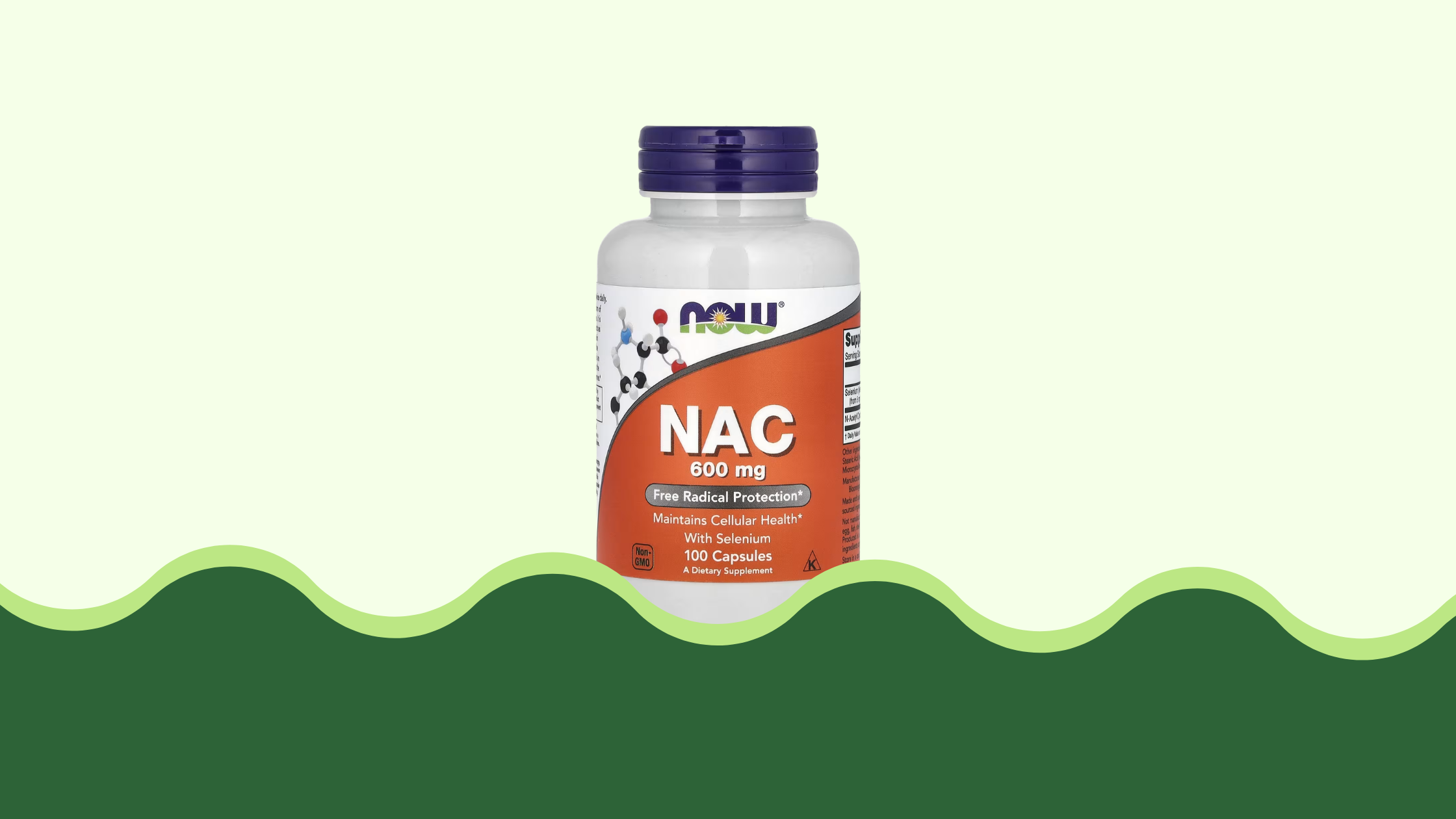
If you have been told you have PCOS and that getting pregnant will be difficult, you are not alone — and you are not out of options. Millions of women navigate the exhausting cycle of irregular periods, frustrating lab results, and well-meaning advice that never quite works. The emotional weight of wanting a baby while your body feels like it is working against you is something no symptom checklist can fully capture. You deserve real answers.
PCOS is not simply a hormone problem. At its root, it is often driven by insulin resistance, chronic oxidative stress, and low-grade inflammation — all of which disrupt the delicate signaling required for healthy ovulation. These underlying mechanisms explain why so many women with PCOS struggle not just with cycles, but with egg quality, implantation, and early pregnancy support. Addressing the root causes, rather than masking symptoms, is what research increasingly points toward. You can read more about evidence-based PCOS natural treatments to understand the full picture.
In this article, we explore how N-acetyl cysteine (NAC) works in the body, what clinical trials reveal about its role in improving ovulation and fertility outcomes for women with PCOS, how to use it safely, and how it compares to other popular PCOS supplements. We also look at what to pair with NAC for the best results.
What Is N-Acetyl Cysteine and How Does It Work in PCOS?
N-acetyl cysteine is a stable, bioavailable form of the amino acid L-cysteine and a direct precursor to glutathione — the body’s most important intracellular antioxidant. While NAC has long been used in hospitals to treat acetaminophen overdose and support respiratory health, its relevance to reproductive endocrinology has grown significantly over the past two decades.
In PCOS, oxidative stress is substantially elevated. Studies show that women with PCOS have higher levels of reactive oxygen species and lower glutathione levels compared to healthy controls. This oxidative burden impairs follicle development, disrupts insulin signaling, and promotes androgen overproduction. NAC addresses all three of these pathways simultaneously, which is part of why researchers find it so promising.
NAC improves insulin sensitivity by restoring glutathione levels in insulin-responsive tissues, which reduces the hyperinsulinemia that drives androgen excess. Lower insulin means the ovaries produce less testosterone, which in turn allows follicle-stimulating hormone (FSH) to do its job more effectively. This can lead to more regular ovulation and improved menstrual cycle regularity.
Additionally, NAC has direct anti-inflammatory properties independent of its antioxidant activity. Chronic low-grade inflammation is a hallmark of PCOS, and reducing it supports healthier ovarian function and a more receptive uterine environment. For women pursuing better egg quality, reducing oxidative damage at the cellular level is essential.
- Start with 600 mg NAC daily and work up to 1200–1800 mg under practitioner guidance.
- Take with food to minimize gastrointestinal side effects like nausea or bloating.
- Choose pharmaceutical-grade NAC from a reputable brand with third-party testing.
- Pair with antioxidant cofactors such as vitamin C and selenium to maximize glutathione production.
- Allow at least 3 months of consistent use before evaluating hormonal or cycle changes.
Clinical Evidence: NAC vs. Metformin and Clomiphene for Fertility
The strongest evidence for NAC in PCOS fertility comes from randomized controlled trials comparing it directly to standard pharmaceutical treatments. A landmark study published in the European Journal of Obstetrics and Gynecology found that NAC (1200 mg/day for 5 days) used alongside clomiphene citrate significantly improved ovulation rates and pregnancy rates compared to clomiphene alone in women with clomiphene-resistant PCOS. This was a pivotal finding because clomiphene resistance affects up to 20–25% of women with PCOS.
Several trials have also compared NAC to metformin, the insulin-sensitizing drug most commonly prescribed for PCOS. Results have been mixed but generally positive. Some studies show comparable ovulation induction rates between NAC and metformin, while others suggest NAC may be better tolerated with fewer gastrointestinal side effects. For women who cannot tolerate metformin, NAC represents a meaningful alternative that addresses similar metabolic pathways.
A meta-analysis published in Reproductive Biology and Endocrinology reviewed multiple trials and concluded that NAC supplementation was associated with improved clinical pregnancy rates in women with PCOS undergoing ovulation induction. Importantly, NAC also appeared to improve endometrial thickness, a key marker of uterine receptivity that is frequently compromised in PCOS.
Women also considering inositol supplementation should know that myo-inositol and D-chiro inositol work through complementary mechanisms. Products like Wholesome Story Myo Inositol and D-Chiro Inositol are frequently stacked with NAC in integrative fertility protocols for enhanced hormone balance.
- NAC plus clomiphene improves ovulation in clomiphene-resistant PCOS better than clomiphene alone.
- NAC versus metformin shows comparable ovulation rates with a better tolerability profile in some populations.
- Endometrial thickness improves with NAC, supporting implantation potential.
- Clinical pregnancy rates increase across multiple meta-analyses with NAC supplementation.
- Combining NAC with inositol may offer synergistic benefits for insulin sensitivity and ovarian function.
NAC’s Role in Hormone Regulation and Cycle Restoration
Beyond its direct fertility applications, NAC plays a meaningful role in rebalancing the hormonal dysregulation that defines PCOS. Elevated androgens — particularly free testosterone and DHEAS — are responsible for many of the most distressing PCOS symptoms: acne, unwanted hair growth, hair thinning, and anovulatory cycles. By lowering insulin levels and reducing oxidative activation of androgen-synthesizing enzymes in the ovaries, NAC can help bring these hormones back toward a normal range.
Several clinical studies have documented reductions in free testosterone and total androgen levels following NAC supplementation in women with PCOS. One study found that after 24 weeks of NAC use, participants showed significant reductions in free androgen index alongside improvements in menstrual regularity. These hormonal shifts translate into real-world improvements: more predictable cycles, less acne, and reduced hirsutism over time.
NAC also influences luteinizing hormone (LH) dynamics. Women with PCOS typically exhibit an elevated LH to FSH ratio, which suppresses ovulation and contributes to the characteristic cystic follicle pattern. By reducing insulin-driven LH hypersecretion, NAC helps normalize this ratio and allows the ovarian follicle maturation process to proceed more naturally.
It is worth noting that supporting hormone balance holistically requires attention to multiple systems. Magnesium deficiency, for example, impairs insulin sensitivity and ovulatory function, making it a valuable co-intervention. Our guide on magnesium for ovulation and cycle health provides complementary strategies. Similarly, addressing vitamin D deficiency — which is disproportionately common in women with PCOS — is critical, as vitamin D deficiency is strongly linked to infertility in women. A targeted hormonal support supplement like Rae Wellness Hormone Balance Capsules can also complement a NAC protocol when broader hormonal rebalancing is needed.
How to Use NAC Safely Alongside a PCOS Fertility Protocol
Integrating NAC into a PCOS fertility plan requires thoughtfulness rather than simply adding another supplement to the pile. The most studied dose range in fertility trials is 1200 to 1800 mg per day, typically divided into two or three doses. Lower doses of 600 mg daily may be appropriate as a starting point for women who are sensitive to supplements or who are new to NAC. Capsule forms are generally better tolerated than powders due to NAC’s strong sulfuric odor.
NAC is considered safe for short and medium-term use in most healthy adults. The most commonly reported side effects are mild and gastrointestinal: nausea, bloating, or loose stools, particularly at higher doses. Taking NAC with food reduces these effects considerably. Women with asthma should consult their physician before use, as NAC can occasionally trigger bronchospasm in sensitive individuals. It should also be paused at least one week before any surgical procedures due to mild antiplatelet activity.
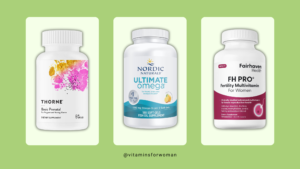
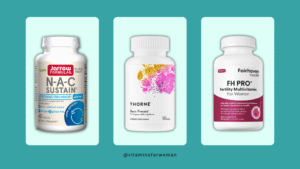
For women actively trying to conceive, most practitioners recommend stopping NAC once a positive pregnancy test is confirmed, as safety data during early pregnancy is limited. Transitioning to a well-formulated prenatal vitamin is the appropriate next step — options like Thorne Basic Prenatal with Folate and Choline provide the nutritional foundation needed once conception is achieved. For broader PCOS symptom management while trying to conceive, Pink Stork Fertility Support Hormone Balance Supplement is a popular adjunct option that many women find helpful alongside targeted supplementation.
Working with a reproductive endocrinologist or integrative gynecologist is strongly recommended. NAC works best as part of a comprehensive approach that includes dietary modification, blood sugar management, stress reduction, and, where appropriate, pharmaceutical support. Monitoring fasting insulin, free testosterone, and AMH levels at baseline and after three to six months provides objective data on whether the protocol is working.
Frequently Asked Questions
How long does it take for NAC to improve fertility in PCOS?
Most clinical trials use NAC for three to six months before evaluating fertility outcomes. Hormonal improvements such as reduced androgens and more regular cycles may appear within eight to twelve weeks of consistent daily use at therapeutic doses.
Can I take NAC with metformin for PCOS?
Yes, NAC and metformin address overlapping but distinct pathways and are often combined in clinical practice. However, always consult your prescribing physician before combining supplements with prescription medications to ensure safety and monitor for additive effects.
Is NAC safe to take when trying to get pregnant?
NAC is generally considered safe during the preconception period and ovulation induction cycles. Most practitioners advise discontinuing NAC once a positive pregnancy test is confirmed, as robust safety data in early pregnancy is limited and a prenatal vitamin should take over.
What dose of NAC is most effective for PCOS?
The most commonly studied dose in PCOS fertility trials is 1200 to 1800 mg per day, divided into two to three doses. Starting at 600 mg daily and gradually increasing helps minimize gastrointestinal side effects while allowing the body to adapt.
Does NAC help with PCOS-related hair loss?
Indirectly, yes. By reducing free testosterone and dihydrotestosterone (DHT) levels over time through improved insulin sensitivity, NAC may help slow androgen-driven hair thinning in women with PCOS. Results typically take three to six months to become noticeable.
A Word From Vitamins For Woman
N-acetyl cysteine for PCOS and fertility represents one of the most evidence-supported natural interventions available to women navigating this complex condition. The research shows genuine promise for improving ovulation rates, normalizing hormones, and increasing pregnancy outcomes, particularly when NAC is combined with a thoughtful lifestyle and nutritional strategy. We encourage you to bring this research to your healthcare provider and advocate for a personalized, root-cause approach to your fertility journey. You deserve a plan that treats the whole person, not just the symptoms.
References
- Salehpour S et al. (2012). N-acetyl-cysteine as an adjuvant to clomiphene citrate for successful induction of ovulation in infertile patients with polycystic ovary syndrome. Journal of Obstetrics and Gynaecology Research. https://pubmed.ncbi.nlm.nih.gov/22353093/
- Thakker D et al. (2015). N-acetylcysteine for polycystic ovary syndrome: a systematic review and meta-analysis of randomized controlled clinical trials. Obstetrics and Gynecology International. https://pubmed.ncbi.nlm.nih.gov/26421049/
- Cheraghi E et al. (2016). N-Acetylcysteine improves insulin resistance and reproductive function in women with polycystic ovary syndrome. Iranian Journal of Reproductive Medicine. https://pubmed.ncbi.nlm.nih.gov/27679648/
- Rizk AY et al. (2005). N-acetyl-cysteine is a novel adjuvant to clomiphene citrate in clomiphene citrate-resistant patients with polycystic ovary syndrome. Fertility and Sterility. https://pubmed.ncbi.nlm.nih.gov/15904808/
- Laganà AS et al. (2018). N-Acetyl Cysteine treatment improves insulin sensitivity and reproductive profile in overweight women with polycystic ovary syndrome. Gynecological Endocrinology. https://pubmed.ncbi.nlm.nih.gov/28816539/