As women age, fertility naturally declines, causing many to wonder how to improve egg quality after 35. Whether you’re considering starting a family or seeking to optimize your reproductive health, understanding your options can be incredibly empowering. This article delves into practical ways to enhance egg quality through lifestyle changes, dietary adjustments, and key supplements that support reproductive health.
Many women in their mid-30s and beyond begin to experience challenges related to fertility. It’s common to feel overwhelmed by concerns about egg quality, hormonal imbalances, and the overall health of the reproductive system. Factors like stress, poor nutrition, and environmental toxins can significantly impact your body’s natural rhythms, and this is something that many women overlook. Understanding these connections is the first step toward making empowered choices for your reproductive health.
This article will provide actionable tips, ranging from dietary improvements to specific supplements that may boost egg quality.
Understanding Egg Quality: The Basics
Imagine it’s been a challenging year of trying to conceive, and you begin to question whether your age is delaying your dreams of parenthood. Many women find themselves in this situation after turning 35. But what does age mean for your egg quality? Egg quality significantly influences fertility, and it’s essential to understand its nuances.
The quantity and quality of eggs decline as women age, specifically after 35. This decline can make it more challenging to conceive, and even when pregnancy occurs, the risk of miscarriage may increase. This often leads to frustration and doubt among women trying to conceive, but the good news is that there are ways to potentially improve egg quality.
Most women mistakenly believe that egg quality is something that is entirely out of their hands. However, that’s not true! While aging is inevitable, several lifestyle and dietary factors can make a significant difference in the health of your eggs. Addressing these factors proactively is essential.
Here are some ways to improve egg quality:
- Engage in regular physical activity
- Adopt a balanced, nutrient-rich diet
- Limit exposure to environmental toxins
- Manage stress effectively
- Consider specific supplements
The Role of Nutrition in Improving Egg Quality
Imagine you’re starting your day with a nutrient-rich breakfast instead of grabbing a quick sugary snack. Nutrition, particularly after the age of 35, plays a pivotal role in optimizing egg quality. A well-rounded diet that is rich in whole foods, healthy fats, and antioxidants can support both hormonal balance and egg quality.
So, what makes a diet beneficial for egg quality? First and foremost, it’s essential to focus on key nutritional components. Foods rich in omega-3 fatty acids, such as salmon, walnuts, and flaxseeds, help promote hormonal balance. Leafy greens and vegetables packed with vitamins and minerals, especially B vitamins, play a vital role in egg health.
Additionally, incorporating antioxidants like vitamins C and E can reduce oxidative stress, which can harm egg cells. For example, strawberries, oranges, spinach, and nuts are excellent sources of antioxidants and can seamlessly fit into your daily meals. Consider incorporating smoothies with a blend of fruits, vegetables, and protein powder, such as Nature Made Biotin Softgels, which support overall skin and hair health alongside reproductive wellness.
Furthermore, drinking adequate water is vital for hydration and nutrient absorption. Many women underestimate the importance of staying well-hydrated, yet water is essential for optimal metabolic function and nutrient transport throughout the body. Set a goal to drink 2 liters of water daily, and you may notice improvements not just in egg quality, but overall well-being.
Physical Activity: Exercise and Egg Quality
Imagine finishing a workout and feeling invigorated, both physically and mentally. Regular physical activity can play a significant role in improving egg quality after 35. For many, breaking a sweat becomes the paradox of stress relief versus the demand for energy; however, this balance is crucial in achieving healthy fertility.
Exercise can help maintain a healthy weight, which is vital because being overweight or underweight can disrupt hormonal balance and negatively affect fertility. For example, an excess body mass index (BMI) can lead to insulin resistance, which is linked to poorer egg quality and reduced hormonal health.
However, it’s just as important to avoid excessive exercise. Many women make the mistake of turning to extreme workout regimens in an effort to lose weight, which can have the opposite effect on hormone levels. Incorporating a balanced approach that includes moderate aerobic exercises, strength training, and flexible workouts such as yoga or Pilates can provide the best benefits.
For an effective routine, aim for at least 150 minutes of moderate-intensity exercise per week. Activities such as brisk walking, swimming, or cycling will promote circulation and provide the necessary physical wellness components that positively impact egg quality. Don’t forget to include relaxation techniques like yoga and meditation, which can also help manage stress — a known contributor to hormonal imbalance.
Supplements That Support Egg Quality
Think of supplements as your fertility allies; they can enhance your nutritional intake when you’re unable to meet all dietary needs through food alone. As you consider how to improve egg quality after 35, knowing which vitamins and minerals to focus on is essential.
Several key supplements may help improve egg quality. Folic acid, for instance, is crucial for DNA synthesis and is commonly recommended for women trying to conceive. Ensure your prenatal multivitamin, like Nature Made Prenatal with Folic Acid and DHA, includes appropriate levels of folic acid.
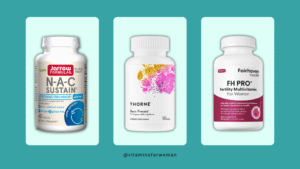
Additionally, Coenzyme Q10 (CoQ10) is another supplement worth considering. Research shows that CoQ10 can enhance energy production within cells, thereby contributing positively to egg health and maturation.
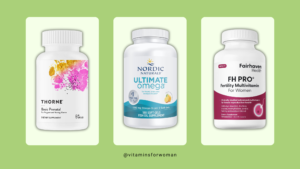
Omega-3 fatty acids, found in fish oil or algae supplements, can also help improve egg quality by supporting hormone production and regulating inflammation, topics often neglected in discussions about fertility. For instance, Omega-3 Fish Oil is a great option for those looking to enhance their omega-3 intake.
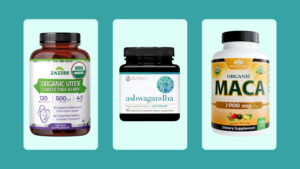
Lastly, consider adding vitex, or chaste tree berry, which has been shown to help regulate menstrual cycles and balance hormones. Including these supplemental aids can bridge gaps in your nutritional intake and serve as a helpful foundation for improving egg quality.
Managing Stress for Better Fertility Outcomes
Picture this: It’s the end of a long day, and unwinding with a few minutes of meditation allows for relaxing your mind and body. Stress can be an unseen enemy, but it’s vital to recognize its role in fertility. A common misconception is that managing stress is secondary when focusing on other factors like diet and exercise. However, the mental clarity gained from reducing stress can significantly affect your reproductive health.
Stress is known to elevate cortisol levels, which can disrupt the hormonal balance necessary for ovulation and egg quality. Many women overlook practices that mitigate stress and can benefit from techniques like mindfulness meditation, yoga, or even deep-breathing exercises.
Integrating a short daily practice, whether it be 10 minutes of meditation or a calming yoga session, can improve mental well-being and help lower stress hormone levels. This simple routine allows you to gain clarity and positively influence your overall health, including reproductive function. Moreover, learning to say no and prioritizing self-care can further minimize stress.
Creating a balanced lifestyle with healthy boundaries, emotional support from friends, or a therapist could be transformative, too. Regularly engaging in hobbies, spending time in nature, or doing something creative helps break the cycle of stress revolving around fertility concerns.
Frequently Asked Questions
When should I start considering supplements for egg quality?
It’s never too early to consider supplements, but many women start around their mid-30s when fertility concerns may arise. Taking a prenatal multivitamin that provides essential nutrients like folic acid is advisable, especially if you’re planning to conceive soon.
Can lifestyle changes improve egg quality?
Absolutely! Lifestyle changes, such as adopting a balanced diet, engaging in regular exercise, and managing stress levels, can have a significant effect on egg quality. The healthier your body, the better your reproductive outcomes.
Are there any specific exercises that improve egg quality?
Moderate, consistent exercise is key to maintaining a healthy weight and hormonal balance. Activities like brisk walking, yoga, and strength training can positively impact your body and support egg health.
What foods should I focus on for egg health?
Focus on foods rich in antioxidants, healthy fats, and essential vitamins. Items like leafy greens, fatty fish, fruits, nuts, and whole grains provide crucial nutrients that support both hormonal health and egg quality.
A Word From Vitamins For Woman
We understand the emotional and physical challenges that come with fertility, especially as you navigate changes after 35. There’s hope and many ways to improve your egg quality. Taking action today by prioritizing your health and well-being will empower you on this journey. You have the strength and wisdom to take control of your reproductive health!
References
- Chavarro JE, et al. (2016). Vitamin D and Supplementation Effect on Egg Quality. Fertility and Sterility. https://pubmed.ncbi.nlm.nih.gov/28385370/
- Garnica A, et al. (2020). The Role of Nutrition in Improving Egg Quality. Journal of Fertility. https://pubmed.ncbi.nlm.nih.gov/32212741/
- Hovey R, et al. (2014). Exercise as an Adjunct to Fertility Treatment. Journal of Reproductive Medicine. https://pubmed.ncbi.nlm.nih.gov/24787489/
- Young LS, et al. (2019). Emotional Wellbeing and Egg Quality. Journal of Family Life. https://pubmed.ncbi.nlm.nih.gov/31524002/
- Sanders E, et al. (2021). The Effect of Antioxidants on Egg Quality. Fertility and Sterility. https://pubmed.ncbi.nlm.nih.gov/33931873/