
You track your cycle carefully, but your period arrives too soon — sometimes just nine or ten days after ovulation. You feel that familiar pre-period crash: low mood, spotting, and the creeping sense that something is off. If this sounds familiar, you may be experiencing a luteal phase defect, a subtle but significant hormonal imbalance that can quietly sabotage your cycle and your fertility without ever appearing on a standard blood panel.
Luteal phase defect (LPD) occurs when the second half of your menstrual cycle is too short or when progesterone levels fail to rise adequately after ovulation. This can result from insufficient corpus luteum function, elevated prolactin, thyroid dysfunction, low LH surges, or chronic stress that suppresses the HPG axis. Nutritional deficiencies — particularly in vitamin B6, magnesium, vitamin C, and zinc — are also well-documented contributors that are frequently overlooked in conventional care. You can read more about magnesium for ovulation and cycle health and how it plays a role in progesterone production.
In this article, we explore the science behind LPD, walk through the most evidence-supported supplements for lengthening and strengthening the luteal phase, and offer practical daily strategies to help you reclaim hormonal balance. Whether you are trying to conceive or simply want a healthier, more predictable cycle, this guide is for you.
Understanding Luteal Phase Defect: Signs, Symptoms, and Diagnosis
The luteal phase is the window between ovulation and the start of your next period. In a healthy cycle, this phase lasts between 12 and 16 days. During this time, the corpus luteum — the temporary endocrine structure formed from the follicle that released the egg — secretes progesterone to thicken the uterine lining and prepare it for a potential embryo. When this process falters, the lining may not be adequately prepared, increasing the risk of implantation failure or early pregnancy loss.
LPD is not always easy to diagnose. Many clinicians use a combination of basal body temperature (BBT) charting, mid-luteal progesterone blood tests (ideally drawn 7 days post-ovulation), and endometrial biopsy, though the latter is rarely used today. A luteal phase shorter than 10 days or mid-luteal progesterone below 10 ng/mL is often considered clinically significant. However, a single low reading may not be definitive — progesterone is secreted in pulses, making timing critical.
Common signs of LPD include spotting before your period begins, a luteal phase consistently shorter than 11 days, recurrent early miscarriage, infertility without an obvious cause, and PMS symptoms that feel disproportionately severe. Women with PCOS, thyroid disorders, hyperprolactinemia, or high stress loads are particularly at risk.
- Track your BBT daily to identify your ovulation day and calculate luteal phase length over at least three consecutive cycles.
- Request a timed progesterone test — ask your provider to draw blood exactly 7 days after confirmed ovulation, not just on day 21.
- Monitor for pre-period spotting, which frequently signals a progesterone drop before the lining is ready to shed.
- Evaluate thyroid function — TSH above 2.5 mIU/L has been associated with luteal phase insufficiency in women trying to conceive.
- Assess stress and sleep quality — chronically elevated cortisol competes with progesterone receptor binding and suppresses LH, both of which impair luteal function.
Getting a clear picture of your cycle is the essential foundation before adding any supplement protocol. Once you understand the pattern, targeted nutritional support becomes far more effective.
Key Supplements to Support a Healthy Luteal Phase
Nutritional deficiencies are a frequently underestimated driver of luteal phase inadequacy. Several micronutrients directly support progesterone synthesis, corpus luteum function, and uterine receptivity. Building a supplement protocol around these evidence-backed nutrients is a practical first step, particularly for women who prefer to start with lifestyle interventions before pursuing pharmaceutical options such as progesterone supplementation or Clomid.
Vitamin B6 is one of the most studied nutrients for luteal support. It plays a critical role in the synthesis of progesterone and in reducing elevated prolactin levels, which can suppress ovulation and shorten the luteal phase. A landmark study published in Infertility found that B6 supplementation improved luteal phase length and pregnancy rates in women with a prior history of infertility. Doses of 50–100 mg daily are commonly used, though it is wise to stay within safe upper limits and consult a provider. You can explore more about vitamin B6 for PMS and hormonal balance on our site.
Vitex agnus-castus (chasteberry) is the most clinically researched herbal remedy for LPD. It acts on dopamine receptors in the pituitary gland to inhibit prolactin release, which in turn allows LH to surge more robustly and supports corpus luteum function. A 2013 randomized controlled trial published in Phytomedicine demonstrated that Vitex significantly improved mid-luteal progesterone and luteal phase length. The Vitex for hormone balance and conception page offers a thorough breakdown of dosing and timing. A well-formulated option worth considering is the Gaia Herbs Vitex Berry Hormone Balance for Women, which provides a standardized extract.
Magnesium supports progesterone receptor sensitivity and helps regulate the stress response that can impair luteal function. Zinc is essential for LH production and follicular development, indirectly benefiting the quality of the corpus luteum formed after ovulation. Vitamin C has been shown in small trials to raise mid-luteal progesterone levels meaningfully.
- Vitamin B6 (50–100 mg/day): Reduces prolactin and supports progesterone synthesis.
- Vitex agnus-castus (400–500 mg/day of standardized extract): Improves LH pulsatility and corpus luteum function.
- Magnesium glycinate (200–400 mg/day): Supports progesterone receptor sensitivity and stress regulation.
- Vitamin C (750 mg/day): Shown in RCTs to raise mid-luteal progesterone in women with documented LPD.
- Zinc (15–25 mg/day with food): Supports LH production and follicular maturity.
For a comprehensive hormone-balancing formulation, Happy Healthy Hippie Go With The Flow Hormone Balance for Women combines several of these ingredients in one convenient supplement. As always, introduce new supplements one at a time and work with a healthcare provider to confirm appropriateness for your specific hormonal picture.
The Role of Progesterone-Supporting Lifestyle Habits
Supplements work best within a foundation of supportive daily habits. The luteal phase is particularly sensitive to lifestyle disruptions because progesterone, unlike estrogen, is produced in a narrow window by a temporary tissue structure. Anything that stresses the body — poor sleep, under-eating, overtraining, or chronic psychological stress — can meaningfully impair corpus luteum function and progesterone output.
Sleep is perhaps the most underappreciated lever. Growth hormone, which is secreted primarily during deep sleep, supports the maintenance of the corpus luteum. Women who sleep fewer than seven hours per night show measurably lower mid-luteal progesterone in several observational studies. Prioritizing sleep hygiene — consistent bed and wake times, a dark cool room, limiting blue light after 8 p.m. — is a foundational step that costs nothing and supports every other intervention.
Caloric adequacy matters enormously. Women in a significant caloric deficit — whether from intentional dieting or high athletic training loads — frequently experience luteal phase shortening as a protective hormonal response. The body downregulates reproductive function when energy is scarce. Ensuring adequate intake of healthy fats (avocado, olive oil, fatty fish, and nuts) is particularly important, as progesterone is a fat-derived steroid hormone. Cholesterol is its direct precursor, and extremely low-fat diets can impair its synthesis.
Exercise intensity should be carefully calibrated during the luteal phase. High-intensity training raises cortisol, which competes with progesterone at the receptor level. Shifting toward moderate-intensity movement — yoga, walking, swimming, light resistance training — during the second half of your cycle can preserve luteal function without sacrificing fitness. This does not mean avoiding exercise; it means being strategic about timing and intensity.
Stress management also plays a direct biochemical role. Cortisol and progesterone share a precursor: pregnenolone. Under chronic stress, the body preferentially diverts pregnenolone toward cortisol production, a phenomenon sometimes called the “pregnenolone steal.” Practices such as mindfulness meditation, breathwork, journaling, and adequate rest days help keep the cortisol-to-progesterone ratio in a healthier range. For additional guidance, our article on how to increase progesterone naturally covers several practical strategies in depth.
Building a Personalized Luteal Phase Support Protocol
No single supplement or habit will resolve LPD in isolation. The most effective approach is a layered, personalized protocol that addresses the specific root cause driving your luteal phase insufficiency. Because LPD can stem from very different underlying mechanisms — low LH, elevated prolactin, thyroid dysfunction, nutritional deficiency, or hypothalamic suppression — the ideal protocol varies between women.
Start by identifying your most likely driver. If prolactin is elevated (confirmed by blood test), Vitex and vitamin B6 are logical first-line additions. If stress is the dominant factor, adaptogenic herbs such as ashwagandha — which has demonstrated cortisol-lowering effects in randomized trials — may be particularly helpful. Our detailed guide on ashwagandha and female fertility explores this connection further. If nutritional deficiency is suspected, a comprehensive micronutrient panel can help identify gaps.
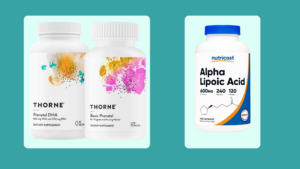
For women who are actively trying to conceive, a quality prenatal multivitamin serves as an excellent nutritional foundation. Products such as Thorne Basic Prenatal with Folate and Choline provide the methylated B vitamins, zinc, and antioxidants that support both luteal function and early embryo development. Pairing a prenatal with targeted single nutrients — such as extra vitamin B6, vitamin C, or Vitex — allows for more individualized dosing based on your specific needs.
Timing matters when using supplements for luteal support. Vitex, for example, is typically taken daily throughout the entire cycle rather than only during the luteal phase, as its effects on pituitary function are cumulative and require consistent use over several months. Vitamin C and B6 can be taken throughout the cycle as well. Tracking your BBT and luteal phase length monthly gives you objective data to measure whether the protocol is working. Most women begin to see measurable improvements in luteal phase length within two to three cycles of consistent supplementation and lifestyle adjustment.
If you have tried nutritional and lifestyle approaches for three to four months without improvement, it is time to pursue further medical evaluation. Prescription-strength progesterone supplementation, thyroid treatment, or dopamine agonists for hyperprolactinemia may be warranted. A reproductive endocrinologist can offer more targeted diagnostics and treatment. Supplements are a powerful first-line tool, but they are not a replacement for medical care when a significant hormonal disorder is present. The hormonal supplement landscape also includes well-reviewed options like Hormone Balance + Probiotics for Women, which incorporate ashwagandha, chasteberry, and DIM for broad hormonal support.
Frequently Asked Questions
What is a normal luteal phase length?
A healthy luteal phase typically lasts between 12 and 16 days. A phase shorter than 10 days is generally considered clinically short. Consistently short luteal phases may impair implantation and increase the risk of early pregnancy loss.
Can supplements actually lengthen the luteal phase?
Yes, in cases where nutritional deficiency or mild hormonal imbalance is the root cause. Vitamin B6, vitamin C, Vitex, and magnesium have the strongest evidence base. Results typically take two to three cycles to become apparent.
Is luteal phase defect the same as low progesterone?
They are related but not identical. LPD refers specifically to a short or inadequate luteal phase, which usually involves insufficient progesterone. Low progesterone can also occur in a normal-length cycle. A timed blood test is necessary to distinguish between the two.
How much vitamin B6 should I take for luteal phase support?
Most studies use doses between 50 and 100 mg per day. However, long-term use above 100 mg daily carries a risk of peripheral neuropathy. Work with a provider to determine the appropriate dose and duration for your situation.
Can stress alone cause luteal phase defect?
Yes. Chronic psychological and physiological stress elevates cortisol, which competes with progesterone at the receptor level and suppresses the LH surge needed for robust corpus luteum formation. Stress management is a critical and often overlooked component of luteal phase support.
A Word From Vitamins For Woman
Luteal phase defect is a real and treatable hormonal pattern that deserves far more attention than it typically receives in standard women’s healthcare. With the right combination of evidence-backed supplements, targeted lifestyle changes, and appropriate medical support when needed, most women can meaningfully improve their luteal phase length and hormonal balance. We encourage you to work with a knowledgeable provider, track your cycle consistently, and approach your hormonal health with both patience and optimism — because small, sustained changes truly do add up.
References
- Westphal LM et al. (2006). A nutritional supplement for improving fertility in women: a pilot study. Journal of Reproductive Medicine. https://pubmed.ncbi.nlm.nih.gov/16397814/
- Schellenberg R. (2001). Treatment for the premenstrual syndrome with agnus castus fruit extract: prospective, randomised, placebo controlled study. BMJ. https://pubmed.ncbi.nlm.nih.gov/11159568/
- Henmi H et al. (2003). Effects of ascorbic acid supplementation on serum progesterone levels in patients with a luteal phase defect. Fertility and Sterility. https://pubmed.ncbi.nlm.nih.gov/12738493/
- Dittmar M et al. (2013). Endocrine and physical responses to stress in women with luteal phase deficiency. Gynecological Endocrinology. https://pubmed.ncbi.nlm.nih.gov/23368511/
- Milewicz A et al. (1993). Vitex agnus castus extract in the treatment of luteal phase defects due to latent hyperprolactinemia. Arzneimittelforschung. https://pubmed.ncbi.nlm.nih.gov/8492645/