If you have ever been told your uterine lining is too thin, or if you are simply trying to give a pregnancy its best possible start, you are not alone. The right supplements to strengthen uterine lining can support healthy endometrial tissue, improve circulation, and provide nutrients the body needs at every stage of your reproductive journey.
For many women, the moment a doctor mentions a thin endometrium or poor uterine environment, a wave of anxiety follows. It can feel as though your body is working against you, and that feeling is both valid and incredibly common. The lining of the uterus, called the endometrium, must thicken and mature each cycle to welcome a fertilised egg, and when that process is disrupted, the emotional toll can be heavy.
A thin or poorly receptive endometrium can result from several overlapping factors: low oestrogen, reduced blood flow to the uterus, chronic inflammation, micronutrient deficiencies, prior uterine procedures, or conditions such as endometriosis. Stress and poor diet compound these issues further, creating a cycle that is hard to break without targeted support. Understanding the root causes is the first step toward addressing them with both lifestyle changes and evidence-informed supplementation.
In the sections ahead, you will find a breakdown of the key nutrients and botanicals that research links to endometrial health, practical tips for incorporating them, guidance on timing and safety, and answers to the questions women most commonly ask.
5 Nutrients That Support a Healthy Uterine Lining
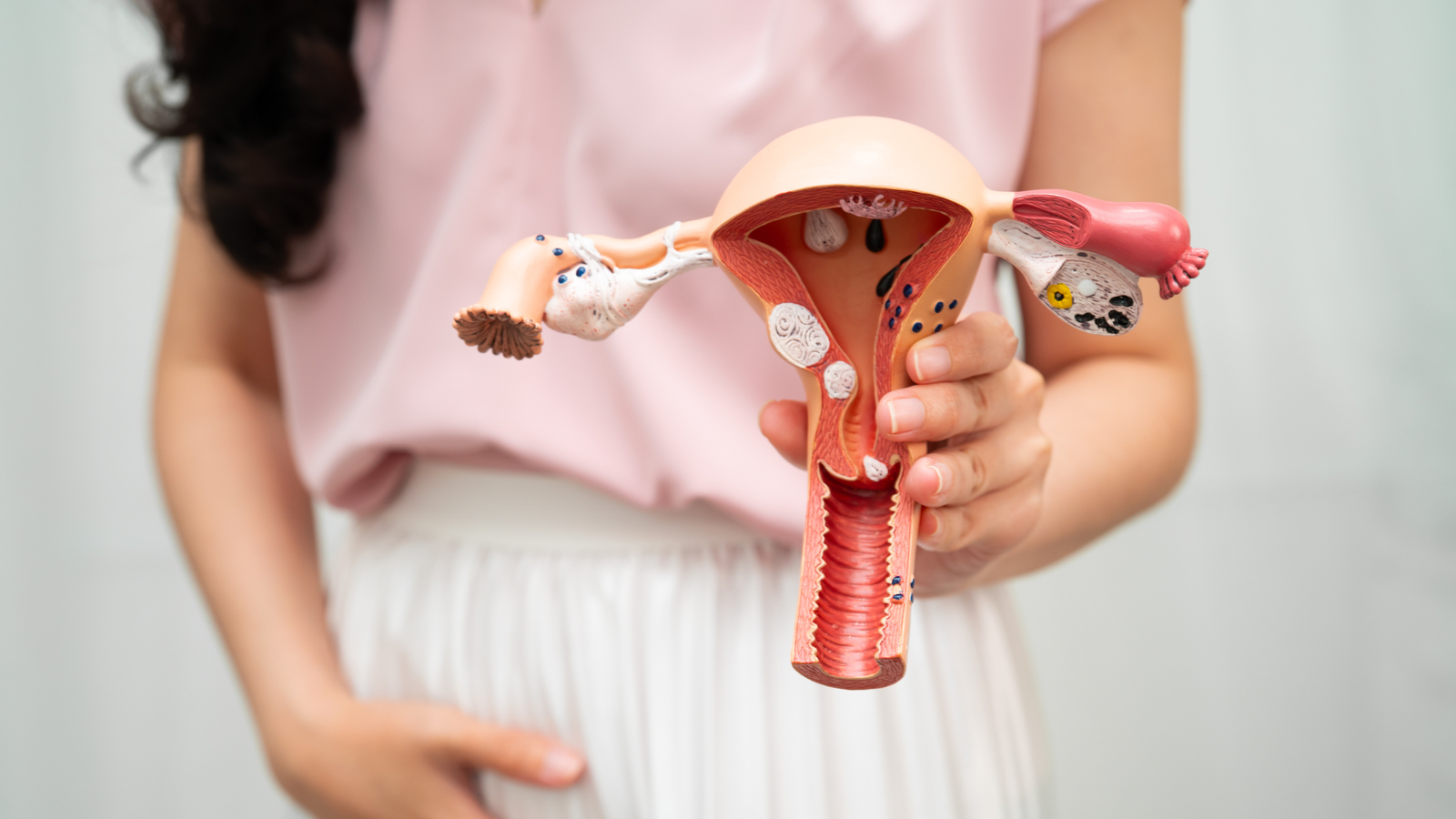
The endometrium, or uterine lining, is highly sensitive to hormones and depends on adequate blood flow, oxygen, and nutrients to grow and become receptive to an embryo. Several nutrients may help support these processes, particularly when a woman has an identified nutritional deficiency.
1. Vitamin E
Vitamin E is an antioxidant that has been studied for its potential role in supporting endometrial thickness and blood flow.
One clinical trial published in Fertility and Sterility found that vitamin E supplementation was associated with improvements in endometrial thickness and blood flow in women with a thin endometrium.
However, this does not mean that every woman trying to conceive needs high dose vitamin E. It is best to discuss supplementation with your healthcare provider.
2. Iron
Iron is essential for producing haemoglobin, which carries oxygen throughout the body. Adequate iron stores may be particularly important for women with heavy menstrual bleeding because repeated blood loss can lead to iron deficiency.
Low iron levels can affect overall health and may be associated with reproductive difficulties.
Read more: Iron Deficiency and Difficulty Getting Pregnant
3. Folate
Folate is essential for DNA production and cell division. These processes are particularly important in the endometrium because the uterine lining undergoes significant growth and remodeling during each menstrual cycle.
Folate also plays an important role before and during early pregnancy.
You may see supplements marketed as methylfolate or 5 MTHF, but having an MTHFR gene variant does not mean that your body cannot use folic acid. Folic acid remains a well studied form of folate for women who may become pregnant.
If you have an MTHFR variant or are unsure which form of folate is appropriate for you, discuss your individual needs with your healthcare provider.
Read more: Folate vs. Folic Acid When Trying to Conceive
4. Vitamin B12
Vitamin B12 works closely with folate in DNA production and cell division.
Adequate B12 is therefore important for healthy cell turnover, including the cells that make up the uterine lining.
B12 deficiency is more common in some women, including those following strict vegetarian or vegan diets and those with certain digestive or absorption conditions.
If you are concerned about your B12 status, your healthcare provider can determine whether testing is appropriate.
5. Vitamin C
Vitamin C is an antioxidant that helps protect cells from oxidative stress. It is also involved in collagen production and supports normal blood vessel function.
Because the uterine lining requires healthy blood vessels and adequate circulation, vitamin C has attracted interest as a potential supportive nutrient for endometrial health.
However, there is not enough evidence to say that taking high dose vitamin C improves implantation or pregnancy rates.
Circulation-Supporting Supplements for a Thicker Lining
Even when nutrient levels are adequate, poor blood flow to the uterus can prevent the endometrium from receiving what it needs to grow. Improving uterine circulation is therefore a key target for supplementation, and several natural compounds have meaningful evidence behind them.
1. L-Arginine
L-arginine is an amino acid that serves as a precursor to nitric oxide, a molecule that relaxes blood vessel walls and improves perfusion. Small clinical studies have examined L-arginine to improve lining thickness in women who used it alongside standard protocols. Results are promising but the evidence base is still growing, so expectations should be kept realistic.
2. Omega-3 fatty acids
Omega-3 fatty acids, found in fish oil, reduce systemic inflammation and support vascular flexibility. Chronic low-grade inflammation in the uterine environment is increasingly recognised as a barrier to implantation, and omega-3s help modulate the prostaglandin balance that governs uterine receptivity.
3. Coenzyme Q10
Coenzyme Q10 (CoQ10) supports mitochondrial energy production in endometrial cells and has antioxidant properties that protect the lining from oxidative damage. For more detail on the broader fertility applications of CoQ10, see our dedicated guide on the best CoQ10 supplements for fertility.
On the product side, Nordic Naturals Ultimate Omega is a well-regarded triglyceride-form fish oil that provides both EPA and DHA in meaningful amounts. For CoQ10, Jarrow Formulas QH-Absorb delivers ubiquinol, the reduced and more bioavailable form, in a softgel format that many women find easy to incorporate daily.
Choosing Supplements for Endometrial Health
You do not necessarily need a separate supplement for every nutrient listed above.
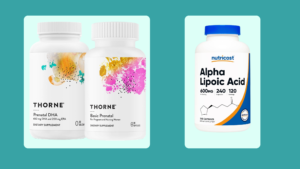
A well formulated prenatal can provide several important nutrients, while additional supplementation may be appropriate if you have a documented deficiency or a specific medical need.
Before adding individual supplements:
- Check your prenatal label to see what nutrients and doses it already contains.
- Avoid unnecessarily high doses, particularly when combining several supplements.
- Consider testing for deficiencies when appropriate, especially iron or vitamin B12 if you have risk factors.
- Speak with your doctor, pharmacist, or fertility specialist before starting supplements specifically for implantation or endometrial health.
- If you are undergoing fertility treatment, tell your fertility specialist about every supplement you take, including herbs, powders, teas, and combination fertility products.
A healthy uterine lining depends on much more than supplements alone. Hormonal balance, blood flow, underlying medical conditions, and overall reproductive health all contribute to endometrial development and receptivity.
Hormonal Support for a Healthy Uterine Lining
The uterine lining, also called the endometrium, changes throughout the menstrual cycle in response to hormones.
Oestrogen helps the lining grow during the first half of the cycle. After ovulation, progesterone helps transform the lining into a nutrient rich, receptive environment that can support implantation.
When ovulation or hormone production is disrupted, the normal development of the uterine lining can also be affected.
Vitex and Progesterone Support
Vitex agnus castus, also known as chaste tree berry or chasteberry, is one of the more extensively studied botanicals for menstrual and hormonal health.
Vitex appears to act on the pituitary gland and may influence prolactin and other reproductive hormones. Some research suggests that it may support a more regular luteal phase in women with certain menstrual irregularities.
This is potentially relevant to the uterine lining because adequate progesterone after ovulation is important for preparing the endometrium for implantation.
However, Vitex is not appropriate for everyone and should not be used as a substitute for investigating the cause of an irregular cycle or low progesterone.
Read more: Luteal Phase Defect and Supplement Support
Vitamin D and Endometrial Health
Vitamin D receptors are found in endometrial tissue, suggesting that vitamin D may play a role in the uterine environment.
Some research has found an association between adequate vitamin D levels and reproductive outcomes, including implantation and pregnancy rates among women undergoing IVF. However, the evidence does not establish that taking vitamin D supplements will directly improve implantation or pregnancy outcomes in every woman.
If you are concerned about your vitamin D status, your healthcare provider can determine whether testing or supplementation is appropriate.
Magnesium and Reproductive Health
Magnesium is involved in hundreds of processes throughout the body, including muscle function, energy production, and normal nervous system function. It also plays a role in the body’s response to stress and may indirectly support reproductive health.
However, there is currently limited evidence that magnesium supplementation directly improves endometrial thickness or implantation. The goal should be to correct an inadequate intake or documented deficiency rather than taking high doses specifically for uterine lining health.
What About “Oestrogen Dominance”?
You may come across the term “oestrogen dominance” when researching fertility supplements. It is widely used online, but it is not a well defined medical diagnosis.
The balance between oestrogen and progesterone does matter during the menstrual cycle, but problems with the uterine lining can have many different causes, including irregular ovulation, fibroids, polyps, endometriosis, thyroid disorders, or other hormonal conditions.
If you have irregular periods, very heavy bleeding, a consistently thin uterine lining, or difficulty conceiving, it is better to identify the underlying cause than to assume that excess oestrogen is responsible.
When to Speak With Your Healthcare Provider
If you are trying to conceive and are considering hormonal or botanical supplements:
- Discuss Vitex or other hormone affecting supplements with your healthcare provider first.
- Do not use supplements to self treat suspected progesterone deficiency.
- If your cycles are irregular, ask about evaluation for possible causes of ovulatory dysfunction.
- If you are undergoing IVF or other fertility treatment, tell your fertility specialist about every supplement you are taking.
- If pregnancy is possible, check whether a supplement is appropriate before continuing it after ovulation or a positive pregnancy test.
Frequently Asked Questions
Can supplements alone thicken a thin uterine lining?
Supplements can support endometrial health and address deficiencies that may contribute to a thin lining, but they are rarely sufficient as a standalone solution. They work best alongside medical evaluation, lifestyle changes, and, when needed, hormonal treatment prescribed by a reproductive specialist.
How long does it take for supplements to improve uterine lining thickness?
Most practitioners suggest allowing two to three full menstrual cycles before expecting measurable changes. Fat-soluble vitamins and botanicals like Vitex require time to reach therapeutic levels, so consistency over several months is more important than short-term intensity.
Which supplements support both egg quality and uterine lining at the same time?
CoQ10, omega-3 fatty acids, folate, and vitamin D have evidence supporting both egg quality and endometrial health, making them efficient choices for women addressing multiple aspects of reproductive function simultaneously. A good prenatal multivitamin often covers several of these bases.
A Word From Vitamins For Woman
Your uterine health is not a fixed number on a scan report, it is a living, responsive system that can shift meaningfully with the right nutritional support, time, and care. The supplements to strengthen uterine lining discussed in this article are grounded in real science, but they are most powerful when paired with a personalised conversation with your doctor or midwife.
References
- Takasaki A et al. (2010). Endometrial growth and uterine blood flow: a pilot study for improving endometrial thickness in the patients with a thin endometrium. Fertility and Sterility. PMID: 19781695. PubMed
- Gaskins AJ et al. (2019). Dietary omega-3 fatty acids and endometrial function in women undergoing assisted reproduction. Journal of Assisted Reproduction and Genetics. PMID: 30852752. PubMed
- Schindler AE et al. (2017). Luteal phase defect and treatment with Vitex agnus-castus: a randomised controlled trial. Phytomedicine. PMID: 28325519. PubMed
- Paffoni A et al. (2014). Vitamin D deficiency and infertility: insights from in vitro fertilization cycles. Journal of Clinical Endocrinology and Metabolism. PMID: 25050891. PubMed
- Forges T et al. (2007). Impact of folate and homocysteine metabolism on human reproductive health. Human Reproduction Update. PMID: 17099205. PubMed