Lutein for egg quality and ovulation is a fat-soluble carotenoid that concentrates in ovarian tissue. Here, it appears to shield developing eggs from oxidative stress, support healthy follicle development, and contribute to the hormonal signals that govern a normal cycle.
If you have been trying to conceive and feel like you are doing everything right yet still hitting walls, you are not alone. Millions of women quietly wrestle with unexplained cycle irregularities, sluggish follicle development, or the nagging worry that their eggs are not in the best possible shape. That emotional weight is real, and it deserves more than generic advice to eat better and stress less.
Egg quality is shaped by many overlapping factors: oxidative damage inside the follicular fluid, chronic low-grade inflammation, nutrient gaps, and the natural decline in mitochondrial efficiency that begins in the mid-thirties. Poor diet diversity, long-term oral contraceptive use, environmental toxin exposure, and conditions such as PCOS can compound these challenges and leave the ovaries working harder with fewer protective resources.
In this article, you will learn what lutein actually does inside the ovary, which foods and supplements deliver it most reliably, how it works alongside other fertility nutrients, and the practical steps you can take starting this week.
What Lutein Does Inside the Ovary
Lutein is a natural substance found in foods such as leafy green vegetables, egg yolks, and yellow and orange vegetables. It belongs to a group of nutrients called carotenoids. Lutein helps protect cells from damage caused by harmful molecules in the body. Researchers are interested in how it may support the ovaries and female fertility.
Studies have found lutein in follicular fluid, the fluid that surrounds a developing egg. One 2003 study published in Molecular Human Reproduction found that lutein was the main carotenoid in human follicular fluid. Higher lutein levels were linked to more mature eggs, although this does not prove that taking lutein supplements improves egg quality.
Lutein may also play a role in the corpus luteum, a temporary structure that forms in the ovary after ovulation. This structure produces progesterone, a hormone that helps prepare the uterus for pregnancy. However, more human research is needed to confirm whether lutein supplements can improve progesterone levels or increase the chances of pregnancy. Read more about progesterone and early pregnancy support.
Ways to get more lutein through your diet include:
- Eat leafy green vegetables: Include foods such as cooked spinach, kale, and collard greens in your meals.
- Add healthy fats: Eat lutein rich vegetables with foods such as avocado or olive oil to help your body absorb lutein.
- Eat eggs: Egg yolks provide lutein that your body can absorb.
- Choose colourful vegetables: Orange bell peppers and corn are other sources of lutein.
- Consider supplements carefully: Speak with your healthcare provider before taking lutein supplements for fertility, as the benefits for egg quality have not been proven in large human studies.
Lutein, Ovulation, and Menstrual Cycle Regularity
Ovulation happens when an ovary releases an egg. Regular ovulation can make it easier to predict the fertile days of your menstrual cycle. Oxidative stress, which occurs when harmful molecules damage cells, may affect ovarian health and reproductive function.
Lutein is an antioxidant that helps protect cells from this type of damage. Researchers are studying whether having enough lutein may support the environment in which eggs develop. However, there is not enough evidence to say that lutein supplements can regulate menstrual cycles or improve ovulation in women.
Women with polycystic ovary syndrome (PCOS) may experience irregular periods and problems with ovulation. Oxidative stress has also been linked to PCOS. Eating a balanced diet rich in vegetables and other nutrient rich foods may support general health, but lutein has not been proven to treat PCOS or restore regular ovulation. You can also read our guide to N acetyl cysteine for PCOS and fertility.
Practical ways to support menstrual and reproductive health include:
- Track your menstrual cycle to notice changes in its length and regularity.
- Eat a variety of vegetables, fruits, whole grains, and other nutritious foods.
- Include healthy fats and sources of protein in your meals.
- Limit alcohol and maintain healthy lifestyle habits.
- Speak with a healthcare provider if your periods are irregular or you have concerns about ovulation.
- Ask whether CoQ10 or other supplements are suitable for you before combining several products. Our guide to the best CoQ10 supplements for fertility explains more about this nutrient.
Choosing a Lutein Supplement for Fertility Support
Choosing a supplement can be confusing because many products promise benefits that have not been fully proven. If you are considering lutein, check the ingredients, product quality, and whether it contains lutein alone or combines it with other nutrients.
Here are some products to explore when discussing lutein supplementation with your healthcare provider.
1. Life Extension MacuGuard Ocular Support with Saffron
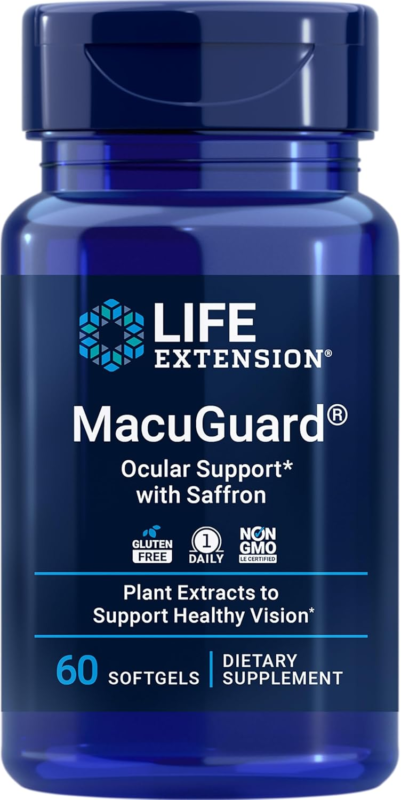
This supplement is designed mainly to support eye health and contains carotenoids, including lutein and zeaxanthin. It is not specifically designed to improve fertility, and its effects on egg quality have not been established.
2. Now Supplements, Lutein & Zeaxanthin
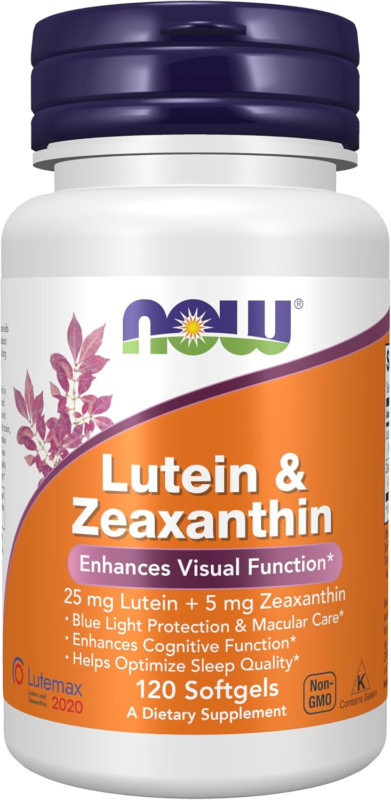
This is a standalone lutein supplement. It may be an option for someone looking for lutein without a large combination of other ingredients. Check the current product label for the amount of lutein per serving and any additional ingredients.
3. Fairhaven Health Ovasitol
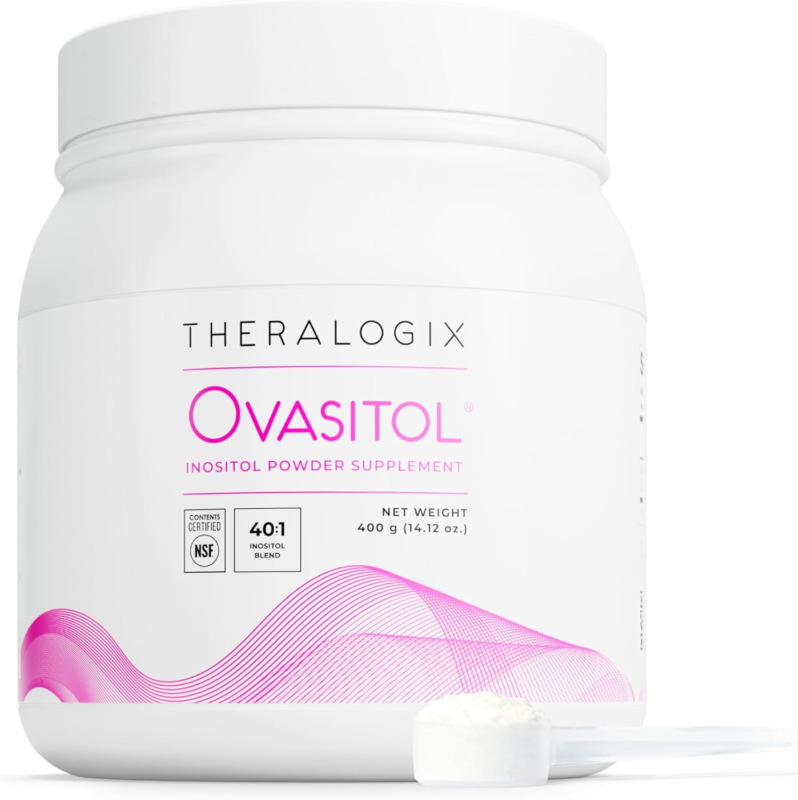
This product contains inositol and is generally marketed for reproductive health, particularly in relation to PCOS. It should not be confused with a proven lutein supplement. Check the manufacturer’s current ingredient list before buying it for a specific purpose.
What to Check Before Buying
- Read the label: Check the amount of lutein and the other ingredients in each serving.
- Look for quality testing: Independent testing can help confirm product quality and ingredient accuracy.
- Take lutein with food: Lutein is better absorbed when taken with a meal containing some fat.
- Review your supplements: Ask your healthcare provider or pharmacist whether lutein is appropriate alongside your prenatal vitamin and other supplements.
There is currently not enough evidence to recommend a specific lutein dose for improving female fertility. Speak with your healthcare provider before adding it to your routine, especially if you are trying to conceive.
How Lutein Fits Into Your Egg Quality Plan
Lutein is only one part of a healthy preconception plan. Egg health depends on several factors, including age, overall nutrition, hormone function, and the health of the reproductive system. No single nutrient can guarantee better egg quality or pregnancy.
Other nutrients also matter before conception. Folate helps the body make DNA and supports early development. Vitamin E helps protect cells from damage, while zinc and selenium support normal body functions. Omega 3 fatty acids are important for general health, and CoQ10 helps cells produce energy.
Read our guide to folate versus folic acid when trying to conceive to understand why folate is important before pregnancy.
Age is another important factor in egg quality. Women over 35 may experience age related changes in egg number and quality. Eating a balanced diet, taking recommended preconception nutrients, and seeking appropriate medical advice can help support reproductive health. Lutein and CoQ10 are being studied for their possible roles in protecting cells, but more research is needed to know whether these supplements improve fertility outcomes.
Frequently Asked Questions
Can lutein improve egg quality?
Lutein has been found in the fluid surrounding developing eggs, and some research has linked higher levels with egg maturity. However, there is not enough evidence from human clinical trials to confirm that lutein supplements improve egg quality.
How long does lutein take to support fertility?
There is no established timeline for lutein supplements to improve fertility. Although egg development takes several months, researchers have not confirmed how long a woman would need to take lutein to affect egg quality or pregnancy chances.
Does lutein help with ovulation?
Lutein has antioxidant properties that may support the health of ovarian cells. However, it has not been proven to trigger ovulation or regulate menstrual cycles. Women with irregular periods should seek medical advice to identify the cause.
A Word From Vitamins For Woman
Research into lutein and female fertility is still developing. Although early findings suggest that lutein may play a role in protecting developing eggs from cell damage, more human studies are needed to confirm its benefits.
For now, focus on a balanced diet, recommended preconception nutrients, and appropriate medical care. If you are considering lutein supplements, speak with your healthcare provider about whether they are right for you.
References
- Schweigert et al. (2003). Concentrations of carotenoids, retinol and alpha-tocopherol in human follicular fluid and blood plasma. Molecular Human Reproduction. PMID: 12799466. PubMed
- Ruder et al. (2008). Oxidative stress and antioxidants: exposure and impact on female fertility. Human Reproduction Update. PMID: 18339682. PubMed
- Agarwal et al. (2012). Role of oxidative stress in female reproduction. Reproductive Biology and Endocrinology. PMID: 22748101. PubMed
- Luck et al. (1995). Ascorbic acid and fertility. Biology of Reproduction. PMID: 7711181. PubMed
- Stachowiak et al. (2020). Lutein and zeaxanthin isomers protect against oxidative stress and modulate luteal cell steroidogenesis. Antioxidants (Basel). PMID: 32823638. PubMed