If you are trying to conceive, choosing the best multivitamin when trying to conceive is one of the most proactive steps you can take for your reproductive health. The right formula can help fill nutritional gaps, support healthy egg development, and prepare your body for a healthy pregnancy before you even see a positive test.
There is something deeply personal about the moment you decide you are ready to grow your family. Whether you have been planning for months or are just beginning to think about it, that decision often brings a mix of hope, excitement, and a quiet awareness that your body deserves every possible advantage. Nutrition is one of the most powerful levers you can pull, and the right preconception supplement can make a meaningful difference in that journey.
What many women do not realize is that nutrient deficiencies can quietly interfere with ovulation, egg quality, and hormonal balance long before conception is even attempted. Folate status, iron levels, vitamin D, and antioxidant intake all influence the intricate hormonal cascade that makes conception possible.
These gaps are common, and they are often correctable with a targeted, well-formulated multivitamin taken consistently in the months before trying.
Key Nutrients Every Preconception Multivitamin Should Contain
Not all multivitamins are designed with preconception needs in mind. When you are trying to conceive, it helps to know which nutrients deserve particular attention so you can choose a formula based on its ingredients rather than its marketing.
Folate is one of the most important nutrients to look for. Adequate folate before conception and during early pregnancy supports normal cell division and helps reduce the risk of neural tube defects. Folic acid remains a well studied and recommended form of folate, while methylfolate is another option found in many prenatal formulas. Having an MTHFR gene variant does not automatically mean that you cannot use folic acid.
Vitamin D, iron, choline, iodine, and zinc are also important nutrients to consider. Antioxidants such as vitamins C and E can support protection against oxidative stress.
When comparing products, look for:
- Adequate folate or folic acid
- Vitamin D
- Iron, when appropriate for your individual needs
- Choline
- Iodine
- Zinc
- Antioxidant nutrients such as vitamins C and E
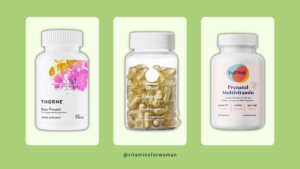
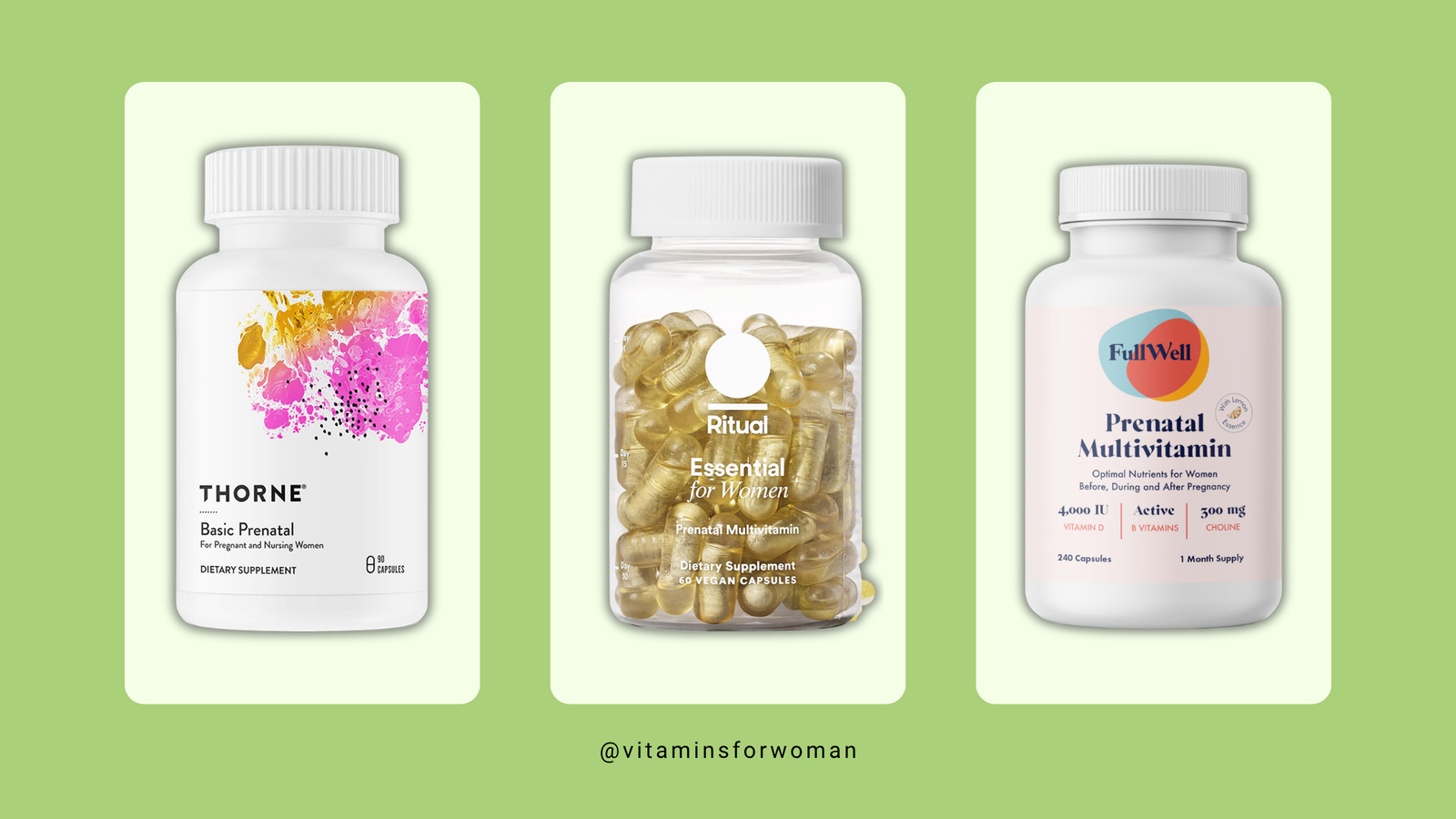
Products such as Thorne Basic Prenatal, Ritual Essential Prenatal, and FullWell Prenatal Multivitamin are examples of formulas you may come across when comparing preconception supplements. Always compare the actual nutrition label because nutrient amounts and forms can vary.
How to Read a Preconception Supplement Label
Supplement labels can be confusing, but a few things are particularly worth checking.
First, look at the form and amount of each nutrient, rather than assuming that a product is better simply because it uses terms such as “active” or “methylated.”
Also check for:
- Vitamin A: Avoid unnecessarily high amounts of preformed vitamin A as retinol during pregnancy. Beta carotene is another source of vitamin A.
- Iodine: Important for thyroid function and fetal development.
- Iron: Check how much is included, particularly if you have heavy periods or a history of iron deficiency.
- Choline: Often missing or present in small amounts in prenatal vitamins.
- Zinc: Important for normal reproductive and immune function.
- Third party testing: Certifications from organizations such as USP or NSF can provide additional reassurance about product quality and label accuracy.
If your prenatal does not provide enough DHA, you may also want to discuss a separate omega 3 supplement with your healthcare provider.
For more information about iron and fertility, see our guide on iron deficiency and difficulty getting pregnant.
Antioxidants and Egg Quality
Oxidative stress is one of the factors researchers are studying in relation to age related changes in egg quality.
CoQ10 is one of the more extensively studied supplements in this area. It supports mitochondrial energy production inside developing eggs and has been investigated in women undergoing fertility treatment.
Other nutrients involved in antioxidant protection include:
- Vitamin C
- Vitamin E
- Selenium
- Alpha lipoic acid
CoQ10 is available in both ubiquinone and ubiquinol forms. Ubiquinol is often marketed as being more readily absorbed, but the choice of form and dose should be based on your individual needs rather than marketing alone.
Read more: Best CoQ10 Supplements for Fertility
If you are over 35 or have been told that you have diminished ovarian reserve, discuss targeted supplementation with your healthcare provider rather than automatically adding multiple antioxidants to your prenatal.
Timing and Consistency Matter
Starting a prenatal the day before you begin trying to conceive is not the goal. Ideally, preconception nutrition should begin before pregnancy, giving you time to correct nutritional deficiencies and establish consistent habits.
Take your prenatal consistently and follow the instructions on the label. Taking it with a meal may also improve tolerance and help with the absorption of fat soluble nutrients.
Your supplement routine works best alongside other healthy habits, including:
- Eating a nutrient rich diet
- Getting adequate sleep
- Staying physically active
- Managing chronic stress
- Avoiding smoking
- Limiting or avoiding alcohol while trying to conceive
It is also worth remembering that fertility involves both partners. Sperm development takes several months, so your partner’s nutrition, lifestyle, and overall health matter too.
For a practical preconception plan, see our guide on how to prepare your body for pregnancy in 3 months.
Frequently Asked Questions
When should I start taking a preconception multivitamin?
Most reproductive health professionals recommend starting a preconception multivitamin at least three months before you begin trying to conceive. This allows time for nutrients like folate and CoQ10 to build to meaningful levels and for the egg maturation cycle to benefit from improved nutritional status.
Do I need a separate CoQ10 supplement if my multivitamin already contains it?
Many preconception multivitamins include only a small amount of CoQ10. Depending on your age and fertility goals, a separate CoQ10 supplement at a higher dose may be appropriate. This is a conversation worth having with your doctor or a registered dietitian who specializes in fertility nutrition.
Can I take a regular multivitamin instead of a preconception one?
A standard multivitamin may not include adequate folate, iron, choline, iodine, or the bioavailable nutrient forms that preconception health requires. While it is better than nothing, a formula specifically designed for this life stage is more likely to address the nutritional gaps most relevant to fertility and early fetal development.
A Word From Vitamins For Woman
Choosing the best multivitamin when trying to conceive is a meaningful act of self-care that puts your body in the strongest possible position for the journey ahead. We know that navigating supplement labels, conflicting advice, and the emotional weight of trying to conceive can feel like a lot to carry at once. Always work with your healthcare provider to tailor any supplement plan to your individual health history, and know that small, consistent steps truly do add up.
References
- Greenberg J A et al. (2011). Folic Acid supplementation and pregnancy: more than just neural tube defect prevention. Reviews in Obstetrics and Gynecology. PMID: 22229744. PubMed
- Lerchbaum E et al. (2012). Vitamin D and fertility: a systematic review. European Journal of Endocrinology. PMID: 22275473. PubMed
- Bentov Y et al. (2010). The use of mitochondrial nutrients to improve the outcome of infertility treatment in older patients. Fertility and Sterility. PMID: 20869681. PubMed
- Chavarro J E et al. (2006). Iron intake and risk of ovulatory infertility. Obstetrics and Gynecology. PMID: 17077236. PubMed
- Gaskins A J et al. (2012). The effect of dietary folate intake on implantation and clinical pregnancy among women undergoing assisted reproduction. Obstetrics and Gynecology. PMID: 22996101. PubMed