
Somewhere between the back-to-back meetings, school runs, and that ever-growing list of things you keep meaning to get to, your eyes have been quietly putting in overtime.
Maybe you’ve started holding your phone a little further away. Maybe the drive home at night feels trickier than it used to, or your eyes just feel tired by 3pm. It’s easy to brush these things off as “just getting older” but what if they were simply your eyes asking for a little more attention?
In this article, we’ll explore the vital connection between your diet, specific vitamins for eye health, and maintaining optimal vision. You’ll discover which nutrients are non-negotiable for eye vitality, the everyday foods that pack a powerful punch, and practical lifestyle habits to keep your eyes sparkling and clear, helping you see clearly for years to come.
Why Your Eyes Need Extra Love After 35
Just like our skin and bones, our eyes change as we age. For women, this can be accelerated by hormonal shifts, particularly around perimenopause and menopause. Estrogen fluctuations affect tear production, which is why dry eye syndrome is so common in women over 35. Years of environmental exposure and modern lifestyle habits add to this over time.
Screens are a big part of the picture. Prolonged close-up screen time reduces how often we blink, leading to dryness, strain, and fatigue. Many women notice eye tiredness, headaches, and blurry vision after long hours on a device, and these symptoms tend to get more noticeable with age. There’s also growing research into blue light and its potential effects on long-term retinal health.
After you hit 35, the risk of serious eye conditions starts to rise. Age-related macular degeneration, cataracts, and glaucoma become more relevant concerns. While genetics play a role, lifestyle, diet, and nutrition are factors you can actually control, and they make a real difference in how these conditions develop. Knowing this puts the power back in your hands.
The Food and Vitamins you need for Optimal Eye Health
When it comes to safeguarding your vision, certain vitamins and minerals stand out as true champions. These aren’t just “nice-to-haves” but are fundamental building blocks for healthy eye function and protection against age-related decline. Understanding their roles can help you prioritize your dietary and supplemental choices.
Vitamin A (and Beta-Carotene)
Vitamin A is critical for good vision, particularly in low light conditions. It forms a key component of rhodopsin, a protein in your eyes’ retina that absorbs light. Without enough Vitamin A, you might experience night blindness. Beta-carotene, found in many colorful fruits and vegetables, is a precursor to Vitamin A, meaning your body converts it into the active form. Research consistently highlights its role in maintaining corneal health and protecting the eye’s surface. A deficiency can lead to dry eyes and, in severe cases, more significant vision problems.
Vitamin C
This powerful antioxidant is crucial for eye health. It helps protect your eyes from damage caused by free radicals, which can contribute to the development of cataracts and age-related macular degeneration. Vitamin C also plays a vital role in producing collagen, a protein that provides structure to your eyes, including the cornea. Studies suggest that higher dietary intake of Vitamin C may reduce the risk of cataract progression. Ensuring adequate intake supports the delicate tissues within your eyes, helping them maintain their integrity and function over time.
Vitamin E
Another potent antioxidant, Vitamin E works in tandem with Vitamin C to protect your eye cells from oxidative stress. It helps shield the delicate fatty acids in your retina from damage. Some studies, particularly those investigating the AREDS (Age-Related Eye Disease Study) formula, have shown Vitamin E, when combined with other antioxidants like Vitamin C, beta-carotene, and zinc, can significantly reduce the risk of advanced AMD progression. Including Vitamin E-rich foods in your diet is a smart strategy for broad cellular protection throughout your body, including your eyes.
Zinc
Often overlooked, zinc is an essential trace mineral that acts as a helper molecule for many enzymes in your eye. It plays a crucial role in transporting Vitamin A from your liver to your retina to produce melanin, a protective pigment in the eyes. Low zinc levels can be associated with poor night vision and impaired dark adaptation. It’s highly concentrated in the macula and retina, underscoring its importance in overall retinal health and function. Ensuring you get enough zinc supports the complex biochemical processes that enable clear vision.
Omega-3 Fatty Acids (DHA & EPA)
Omega-3 fatty acids, especially DHA (docosahexaenoic acid), are highly concentrated in the retina and play a critical role in its structural integrity and function. They are anti-inflammatory and vital for maintaining the health of the cells in the retina. DHA supports cell membrane health and helps in the proper development and function of the eye. For women over 35, omega-3s are particularly beneficial for combating dry eye syndrome by improving the quality and quantity of tears. Research indicates that regular intake of omega-3s can reduce symptoms of dry eyes and may also offer protection against macular degeneration. These healthy fats contribute to both the comfort and acuity of your vision. You can learn more about omega-3 for dry eyes here.
Lutein & Zeaxanthin
These two carotenoids are superstar nutrients specifically for your macula, the central part of your retina responsible for sharp vision. Lutein and zeaxanthin act like internal sunglasses, filtering harmful high-energy blue light and protecting the delicate photoreceptor cells from oxidative damage. They form the macular pigment, which is crucial for visual acuity and contrast sensitivity. Studies consistently show that increasing dietary intake of lutein and zeaxanthin can increase macular pigment density, which is associated with a reduced risk of AMD and improved visual performance, especially in challenging light conditions. These pigments are not produced by the body, so they must be obtained through diet or supplementation, making them incredibly important for daily eye protection.
Eating your way to good eyesight
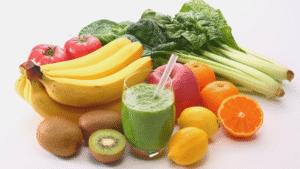
Now that you know which nutrients are essential, let’s talk about how to get them onto your plate! Eating a diverse, nutrient-rich diet is truly the best foundation for maintaining excellent eye health. Think vibrant colors, fresh ingredients, and a variety of textures. Incorporating these foods into your daily meals can make a significant difference, not just for your eyes, but for your overall well-being.
Leafy Green Vegetables: Kale, spinach, collard greens, and Swiss chard are absolute powerhouses. They are packed with lutein and zeaxanthin, the “macular protectors,” as well as Vitamin C and beta-carotene. Aim for at least 1-2 servings daily. Think salads, smoothies, or sautéed greens as a side dish.
Orange & Yellow Fruits & Vegetables: Carrots, sweet potatoes, bell peppers (especially yellow and orange), cantaloupe, and apricots are rich in beta-carotene, which converts to Vitamin A in the body. They also provide a good dose of Vitamin C. These bright foods are versatile and can be added to almost any meal, from breakfast bowls to roasted sides.
Fatty Fish: Salmon, tuna, mackerel, and sardines are excellent sources of omega-3 fatty acids, particularly DHA. Aim for two servings per week. Omega-3s are crucial for retinal health and can help alleviate dry eye symptoms. If you’re not a fish eater, consider flaxseeds, chia seeds, or walnuts, which contain ALA (alpha-linolenic acid), a plant-based omega-3 that your body can partially convert to DHA and EPA.
Nuts & Seeds: Almonds, sunflower seeds, and walnuts are fantastic sources of Vitamin E, which helps protect your eye cells from oxidative damage. Walnuts also offer plant-based omega-3s. A handful makes a great snack, or you can sprinkle them over salads and yogurt.
Eggs: Eggs are a complete package for eye health, providing lutein, zeaxanthin, Vitamin A, and zinc. The yolk, in particular, is where these nutrients are concentrated. Enjoy them scrambled, poached, or as a frittata for a vision-boosting meal.
Legumes & Beans: Kidney beans, black-eyed peas, and lentils are good sources of zinc, a mineral essential for transporting Vitamin A to the retina. They also offer fiber and protein, making them a healthy addition to soups, stews, and salads.
Citrus Fruits & Berries: Oranges, grapefruits, lemons, and berries like strawberries, blueberries, and raspberries are bursting with Vitamin C, a powerful antioxidant that supports eye collagen and protects against free radical damage. Enjoy them fresh as snacks or in your morning smoothie.
By making these foods a regular part of your diet, you’re not just eating for your eyes; you’re nourishing your entire body with a spectrum of essential nutrients.
Supplementing for Sharper Sight: When and What to Consider
Even with the most conscientious diet, it can sometimes be challenging to get optimal levels of every single nutrient your eyes need, especially as dietary needs shift with age. This is where targeted supplementation can play a valuable role, particularly for women over 35 who might be experiencing early signs of vision changes or have a family history of eye conditions. While supplements are not a substitute for a healthy diet, they can bridge nutritional gaps and provide an extra layer of protection.
When considering eye health supplements, quality and specific formulations matter. Many eye supplements are available, but focusing on those that provide a synergistic blend of key nutrients is often most effective. For women over 40, supplementing for vision health is a proactive step. You can find more information on vision health supplements for women over 40 to help guide your choices.
A well-researched option for age-related macular degeneration (AMD) prevention is the AREDS2 formula. This specific blend, based on the Age-Related Eye Disease Studies, includes high doses of Vitamin C, Vitamin E, zinc, copper, lutein, and zeaxanthin. It’s specifically recommended for individuals with intermediate AMD or advanced AMD in one eye, as it has been shown to slow the progression of the disease. While not for everyone, it highlights the power of targeted nutrient combinations.
For general eye health and protection against daily strain, look for supplements that include a combination of:
- Lutein and Zeaxanthin: Often found together, these are crucial for macular health and blue light filtration. Doses typically range from 10-20 mg of lutein and 2-4 mg of zeaxanthin daily.
- Omega-3 Fatty Acids (DHA & EPA): Especially beneficial for dry eye symptoms and overall retinal health. Aim for a high-quality fish oil supplement with at least 500 mg of combined DHA and EPA daily. Vegetarians can explore algae-based DHA supplements. More details on dosage can be found by researching omega-3 for dry eyes.
- Antioxidants: Vitamin C (500mg), Vitamin E (400 IU), and zinc (25-80mg) provide broad antioxidant protection against free radical damage.
- Astaxanthin: This powerful carotenoid is another excellent antioxidant that can cross the blood-retinal barrier, offering unique protective benefits against oxidative stress and inflammation in the eyes. Studies suggest it can help reduce eye fatigue and improve visual acuity.
Before starting any new supplement regimen, especially if you have existing health conditions or are taking other medications, it’s always wise to consult with your eye care professional or a healthcare provider. They can help you determine the most appropriate supplements and dosages based on your individual needs and eye health status. They can also advise on eye vitamins recommended by doctors for specific concerns.
Lifestyle Habits to Protect Your Precious Peepers
While diet and supplements lay a strong foundation, your daily habits play an equally critical role in preserving your vision. These aren’t drastic changes, but rather mindful adjustments that can significantly reduce strain and protect your eyes from environmental damage. Integrating these simple practices can make a world of difference in how your eyes feel and function, especially as you age.
Embrace the 20-20-20 Rule for Screen Time: If your job or hobbies involve significant screen time, this rule is your best friend. Every 20 minutes, look at something 20 feet away for at least 20 seconds. This simple practice helps your eye muscles relax and re-focus, reducing digital eye strain, fatigue, and dry eyes. It gives your eyes a much-needed mini-break throughout the day.
Wear UV-Protective Sunglasses: This isn’t just a fashion statement; it’s essential eye protection. Prolonged exposure to harmful ultraviolet (UV) rays from the sun can increase your risk of cataracts, macular degeneration, and even damage the cornea. Always choose sunglasses that block 99-100% of both UVA and UVB rays, even on cloudy days. You can also explore best vitamins for eye protection that work from the inside out.
Stay Hydrated: Just as your skin benefits from ample water intake, so do your eyes. Proper hydration is vital for maintaining tear production, which keeps your eyes lubricated and comfortable. Dehydration can exacerbate dry eye symptoms, leading to irritation and blurry vision. Aim for at least 8 glasses of water a day, more if you’re active or in a dry climate.
Prioritize Regular Eye Exams: Comprehensive eye exams are about more than just checking your vision prescription. They allow your eye doctor to screen for silent diseases like glaucoma, cataracts, and AMD, which often show no early symptoms. Early detection is key for effective treatment and preventing irreversible vision loss. For women over 35, annual check-ups become increasingly important to catch any changes early.
Quit Smoking: If you smoke, quitting is one of the most impactful steps you can take for your eye health. Smoking significantly increases your risk of developing cataracts, macular degeneration, and optic nerve damage. The toxins in cigarette smoke can damage blood vessels in the eyes and contribute to oxidative stress, accelerating age-related decline.
Manage Chronic Conditions: Conditions like diabetes and high blood pressure can have profound effects on your eye health if not properly managed. Diabetes can lead to diabetic retinopathy, a leading cause of blindness, while high blood pressure can damage the blood vessels in the retina. Working closely with your healthcare provider to manage these conditions is crucial for protecting your vision. By adopting these holistic habits, you’re creating an environment where your eyes can truly thrive.
Frequently Asked Questions
Can Diet Alone Improve My Vision Significantly?
While diet plays a crucial role in maintaining eye health and preventing the progression of certain conditions, it typically cannot reverse existing vision loss or significantly improve acuity for conditions like nearsightedness or farsightedness. However, a nutrient-rich diet can slow the progression of age-related macular degeneration and cataracts, improve night vision, and reduce symptoms of dry eyes.
Are There Specific Eye Vitamins for Women Over 50?
For women over 50, the need for protective nutrients like lutein, zeaxanthin, omega-3 fatty acids, and antioxidants (Vitamins C and E, zinc) often becomes more pronounced due to increased risk of age-related eye conditions. Supplements formulated around the AREDS2 recommendations are specifically designed for individuals with moderate to advanced AMD, but a comprehensive multivitamin with added eye-specific nutrients can benefit general eye health. You can explore a dedicated guide for eye vitamins for women over 50 to learn more.
How Much Omega-3 Do I Need for Dry Eyes?
For dry eye relief, studies often suggest a daily intake of 1,000-2,000 mg of combined EPA and DHA. Look for high-quality fish oil supplements that specify the amounts of EPA and DHA per serving. Consistency is key, and it may take several weeks to notice significant improvement in symptoms.
Can Blue Light Filters Really Protect My Eyes?
Blue light filters, whether in glasses or screen settings, can reduce exposure to the blue light spectrum, which may help alleviate digital eye strain and improve sleep quality. While research on blue light’s long-term impact on retinal damage is ongoing, many users report reduced discomfort from prolonged screen use. Dietary intake of lutein and zeaxanthin also provides natural internal blue light filtration.
When Should I Start Taking Eye Supplements?
It’s never too early to consider nutritional support for your eyes, especially if you’re over 35, have a family history of eye conditions, or spend a lot of time on digital screens. Discussing your individual risk factors and dietary habits with an eye care professional can help determine if and when supplements are appropriate for you.
A Word From Vitamins For Woman
Your vision is an incredible gift, allowing you to connect with the world and cherish every moment. Taking proactive steps to nourish and protect your eyes is a powerful act of self-care that will pay dividends for years to come. By incorporating essential foods and embracing key vitamins for eye health, you’re building a strong defense against the natural challenges of aging.
Remember, it’s about consistency, not perfection – small, consistent efforts in diet and lifestyle can lead to profound and lasting benefits. Don’t wait for vision problems to arise; empower yourself today with the knowledge and tools to keep your precious peepers vibrant and clear.
References
- Rao, P. V., & Kumar, A. (2019). The Role of Vitamins and Antioxidants in Preventing Age-Related Macular Degeneration. Journal of Nutrition & Food Sciences, 9(1), 1-5.
- Ranard, K. M., Jeon, S., & Erdman Jr, J. W. (2020). Lutein and Zeaxanthin Are Associated with Eye Health Across the Life Course. Annual Review of Nutrition, 40, 243-268.
- Bhargava, R., Kumar, P., & Mehra, N. (2015). A randomized controlled trial of oral omega-3 fatty acids in the treatment of dry eye. International Journal of Ophthalmology, 8(1), 205–211.
- Chew, E. Y., Clemons, T. E., Sangiovanni, J. P., Kurinij, N., Danis, R. P., Ferris III, F. L., & AREDS2 Research Group. (2014). Secondary analyses of the effects of lutein/zeaxanthin on age-related macular degeneration progression: ARED2 report no. 3. JAMA Ophthalmology, 132(2), 142-149.
- Gale, C. R., Hall, N. F., & Sayer, A. A. (2009). The effect of smoking cessation on the incidence of age-related macular degeneration. Ophthalmology, 116(3), 460-464.