If you have been searching for a plant-based approach to licorice root and PCOS hormone balance, you are not alone. Millions of women live with the daily weight of irregular cycles, stubborn acne, and energy that never quite returns.
There is a particular kind of frustration that comes with a PCOS diagnosis. You may have spent years wondering why your period plays hide-and-seek, why your skin flares around the same time your energy crashes, or why the number on the scale barely moves no matter how carefully you eat. Polycystic ovary syndrome touches every corner of daily life, and that emotional weight is real and valid.
At its core, PCOS is a hormonal and metabolic condition driven by several overlapping factors: excess androgen production, insulin resistance, disrupted signaling between the brain and the ovaries, and low-grade chronic inflammation. No single cause fits every woman, which is why a personalised, layered approach, combining medical guidance with evidence-informed nutrition and supplementation, tends to work better than any one magic fix.
In this article, you will learn how licorice root interacts with the key hormonal pathways disturbed by PCOS, how to combine it thoughtfully with other well-researched supplements, what precautions matter most, and how to build a practical daily routine that supports your hormones from the inside out.
How Licorice Root May Influence Androgen and Estrogen Pathways in PCOS
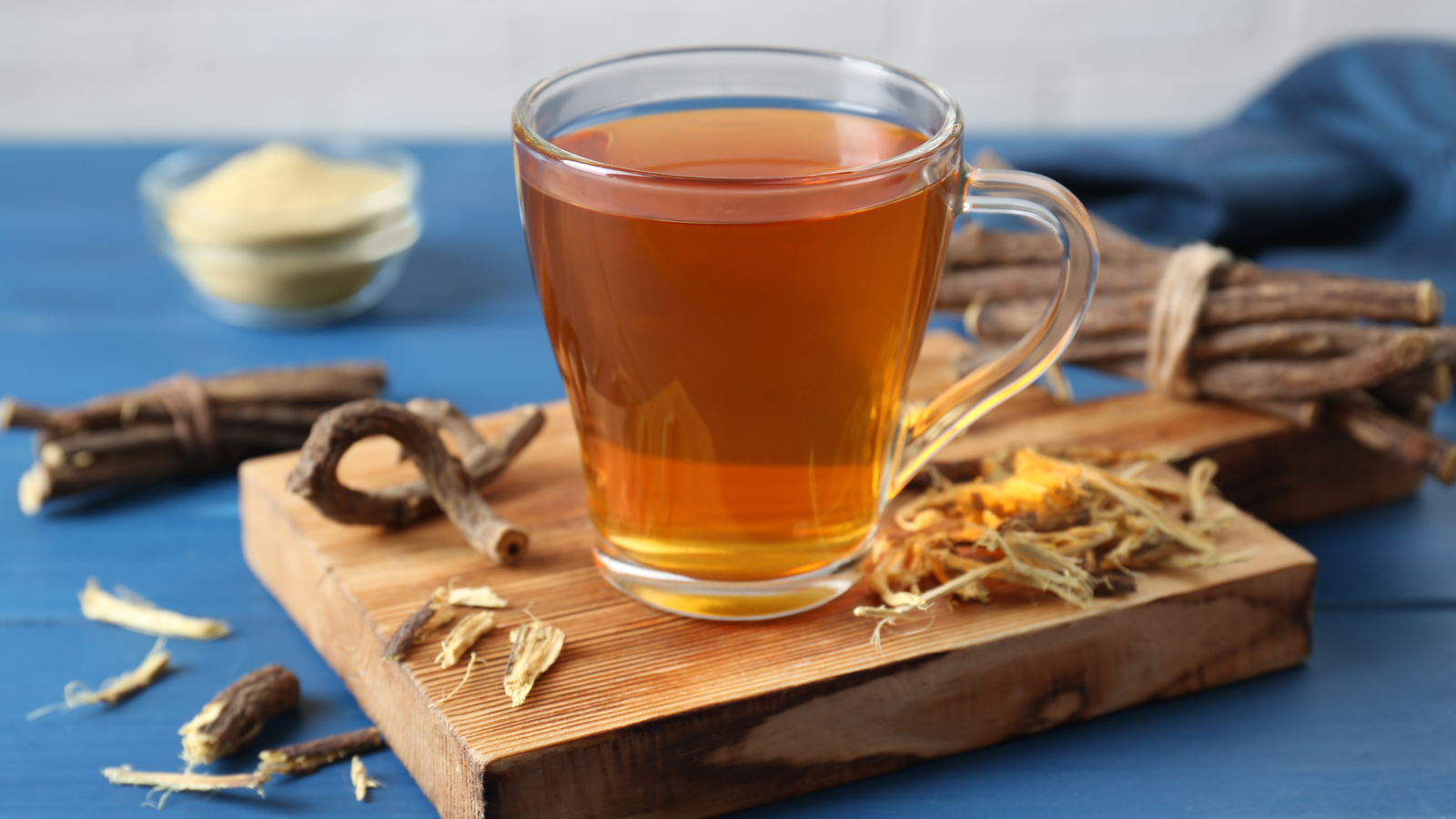
Licorice root (Glycyrrhiza glabra) contains a cluster of active compounds, most notably glycyrrhizin and its metabolite glycyrrhetic acid, alongside flavonoids such as glabridin and liquiritigenin. These compounds have attracted scientific attention for their ability to modulate sex hormone activity in women with PCOS.
The androgen connection is the most studied angle. Elevated testosterone and DHEA-S are present in a large proportion of women with PCOS and are linked to hirsutism, acne, and ovulatory dysfunction. A study published in steroids found that glycyrrhetic acid inhibits the enzyme 17-beta hydroxysteroid dehydrogenase, which is involved in converting androstenedione to testosterone in peripheral tissues. This mechanism suggests that licorice root may help reduce the conversion of precursor hormones into the more potent androgens that drive PCOS symptoms.
At the same time, glabridin, the primary isoflavone in licorice, exerts mild phytoestrogenic activity. This means it can bind weakly to estrogen receptors and may help buffer the relative estrogen deficit that some women with PCOS experience during anovulatory cycles. Researchers have also noted anti-inflammatory properties that may ease the low-grade systemic inflammation underlying the condition. For women exploring evidence-based PCOS natural treatments, licorice root often appears alongside inositol, berberine, and NAC as a candidate worth discussing with a clinician.
- Look for standardised extracts specifying a glycyrrhizin or glycyrrhizic acid content, as crude root powders vary widely in potency.
- Consider combining licorice root with peony root (Paeonia lactiflora), a pairing studied in traditional Japanese Kampo medicine (TJ-68) for its synergistic effect on androgen reduction.
- Keep usage cycles short, typically four to eight weeks on, with breaks, to minimise the risk of pseudoaldosteronism from long-term glycyrrhizin accumulation.
- Discuss timing with your doctor if you are on hormonal contraceptives, as phytoestrogenic compounds can theoretically interact with synthetic estrogens.
- Track your cycle length and any acne or hirsutism changes in a simple journal so you have real data to share with your healthcare provider.
Pairing Licorice Root With Other Supplements for Broader PCOS Hormone Support
Licorice root works best not in isolation but as part of a layered supplement strategy that addresses the multiple roots of PCOS. Insulin resistance is present in a significant proportion of women with PCOS, and addressing it can improve ovulatory function, reduce androgen production from the ovaries, and support a healthier metabolic profile.
Inositol, particularly the combination of myo-inositol and D-chiro-inositol, has the strongest evidence base for PCOS insulin signaling. A 2020 review in Frontiers in Endocrinology concluded that myo-inositol supplementation improved menstrual regularity and reduced androgen levels in women with PCOS. Berberine, a plant alkaloid, has also demonstrated insulin-sensitising effects in clinical trials, making it a complement to licorice root’s androgen-modulating action. You can explore berberine’s broader hormonal effects for more context on how it fits into a PCOS plan.
N-acetyl cysteine (NAC) is another well-researched option. A trial published in Fertility and Sterility found NAC improved ovulation rates in women with PCOS who were resistant to clomiphene. You can read more about NAC for PCOS and fertility on this site. Magnesium rounds out the picture by supporting insulin receptor sensitivity and reducing cortisol reactivity, both of which matter greatly in PCOS.
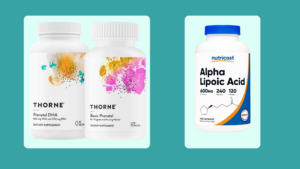
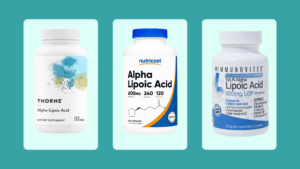
Several well-regarded supplement products address these needs. Designs for Health Berberine-Synergy provides berberine HCl alongside alpha-lipoic acid for combined insulin support. For the inositol angle, Fairhaven Health Ovasitol delivers the clinically studied 40:1 ratio of myo-inositol to D-chiro-inositol. For NAC, Thorne N-Acetyl Cysteine is a clean, well-dosed option from a brand with pharmaceutical-grade manufacturing standards.
- Prioritise inositol if irregular cycles and insulin resistance are your primary concerns, and add licorice root if elevated androgens are also prominent.
- Do not layer multiple androgen-lowering herbs without professional guidance, as the combined effect on hormone levels needs monitoring.
- Take magnesium glycinate in the evening to support both cortisol regulation and sleep quality, two areas that directly affect PCOS hormones.
- Retest relevant hormones (testosterone, DHEA-S, fasting insulin) after three to six months of a consistent protocol to assess real change.
- Introduce supplements one at a time, two weeks apart, so you can identify what is helping and what is not.
Understanding the Safety Profile and Precautions of Licorice Root
Licorice root has a long history of use in both Eastern and Western herbal medicine, but its safety profile deserves careful attention, particularly for women using it for hormonal purposes over extended periods. The primary concern is glycyrrhizin-induced pseudoaldosteronism: a state in which glycyrrhizin mimics the action of aldosterone, the hormone that regulates sodium and potassium balance. This can lead to fluid retention, elevated blood pressure, and low potassium levels if high amounts are consumed consistently over weeks to months.
Women who already have high blood pressure, kidney conditions, or cardiac concerns should avoid licorice root or use only deglycyrrhizinated licorice (DGL) forms, though DGL has not been studied for androgen modulation and likely lacks the hormonal activity that makes whole-root extracts relevant to PCOS.
Pregnancy is an absolute contraindication. Glycyrrhizin has been associated in epidemiological research with adverse neonatal outcomes when consumed in large quantities during pregnancy, and no amount should be considered safe in that context. Women who are actively trying to conceive should discuss timing with their doctor and ideally pause licorice root supplementation once a positive pregnancy test is confirmed.
Drug interactions are also worth noting. Licorice root may amplify the effects of corticosteroids, interact with antihypertensive medications, and potentially affect the metabolism of drugs processed by the liver’s CYP enzyme pathways. If you take any prescription medication, a conversation with your pharmacist before starting any herbal supplement, licorice included, is not optional. Used thoughtfully and for defined short cycles, many women with PCOS tolerate licorice root well, but this is one herb where more is not better.
Building a Daily Lifestyle Routine That Amplifies Herbal Hormone Support
No supplement, however well-chosen, can outperform the foundations of daily life. For women with PCOS, the lifestyle levers of blood sugar stability, sleep quality, stress management, and gentle movement are not just background noise. They are, in many ways, the primary treatment.
Blood sugar management is the cornerstone. Eating balanced meals that pair fibre, protein, and healthy fat helps blunt the insulin spikes that drive ovarian androgen production. This does not mean a rigid or restrictive diet. It means building meals around vegetables, legumes, quality protein, and whole grains while minimising ultra-processed foods and sugary drinks. Some women with PCOS find that a lower-glycaemic eating pattern makes a noticeable difference to cycle regularity within a few months.
Sleep is equally underrated as a hormonal intervention. Disrupted sleep raises cortisol, which in turn raises insulin, which then signals the ovaries to produce more androgens. Prioritising seven to nine hours of consistent sleep is not a luxury for women with PCOS. It is a clinical tool. Chronic psychological stress operates through the same cortisol pathway, so practices such as breathwork, walking in nature, and setting limits on screen time before bed all contribute to better hormone balance in ways that are measurable.
Movement matters, but the type counts. High-intensity exercise done excessively can raise cortisol. Moderate-intensity aerobic activity combined with resistance training, done three to five times per week, is the combination most consistently associated with improved insulin sensitivity and reduced androgen levels in PCOS research.
Pair this routine with a carefully chosen supplement protocol and regular monitoring, and you are giving your hormones the best possible environment to recalibrate. Women interested in a broader hormone-supporting supplement plan may also find value in reviewing the best supplements for balancing hormones as a complementary resource.
A product worth considering for overall hormonal nutritional support is Garden of Life MyKind Organics Women’s Once Daily Multi, which provides a whole-food base of vitamins and minerals relevant to hormone metabolism, including B vitamins, vitamin D, and zinc.
Frequently Asked Questions
Can licorice root actually lower testosterone in women with PCOS?
Early clinical and laboratory evidence suggests licorice root compounds may inhibit enzymes involved in testosterone production. However, the research base is still limited and involves small sample sizes. It should be viewed as a complementary support, not a replacement for medically supervised hormone management.
How long does it take to notice hormonal changes from licorice root?
Most herbal hormone supports, including licorice root, require consistent use over at least six to twelve weeks before meaningful cycle or skin changes appear. Tracking symptoms with a journal and retesting relevant hormones after three to four months gives you the clearest picture of progress.
Is deglycyrrhizinated licorice (DGL) effective for PCOS hormone balance?
DGL is generally safer for digestive use and does not carry blood pressure risks, but the glycyrrhizin and glycyrrhetic acid removed in DGL processing are the compounds linked to androgen modulation. DGL is unlikely to provide the hormonal benefits associated with whole-root or standardised extracts for PCOS.
Can I take licorice root alongside inositol or berberine for PCOS?
Combining licorice root with inositol or berberine is a strategy some integrative practitioners use, targeting both androgen excess and insulin resistance simultaneously. Because each compound affects different pathways, interactions are generally low, but professional guidance is still recommended before combining multiple active botanicals.
Who should avoid licorice root supplements entirely?
Women who are pregnant, have high blood pressure, kidney disease, heart conditions, or are taking corticosteroids or antihypertensives should avoid whole-root licorice supplements. Anyone on prescription medication should consult a pharmacist before starting, as licorice can influence drug metabolism and electrolyte balance.
A Word From Vitamins For Woman
Exploring licorice root and PCOS hormone balance is a promising step, and we are glad you are approaching it with curiosity and care. The evidence is encouraging but still evolving, which is why we always recommend working with a knowledgeable clinician who can monitor your hormone levels and tailor any protocol to your individual picture.
References
- Armanini D et al. (2004). Licorice reduces serum testosterone in healthy women. Steroids. PMID: 15579328. PubMed
- Unfer V et al. (2020). Myo-inositol effects in women with PCOS: a meta-analysis of randomized controlled trials. Frontiers in Endocrinology. PMID: 32982974. PubMed
- Nadjarzadeh A et al. (2015). Effect of omega-3 supplementation on androgen profile and menstrual status in women with polycystic ovary syndrome: A randomized clinical trial. Iranian Journal of Reproductive Medicine. PMID: 26000006. PubMed
- Cheung LK et al. (2020). N-acetyl cysteine for ovulation induction in clomiphene citrate-resistant women with polycystic ovary syndrome: a systematic review and meta-analysis of randomised controlled trials. Human Reproduction Update. PMID: 32249298. PubMed
- Takahashi K et al. (1988). Effect of TJ-68 (shakuyaku-kanzo-to) on polycystic ovarian disease. International Journal of Fertility. PMID: 2902842. PubMed