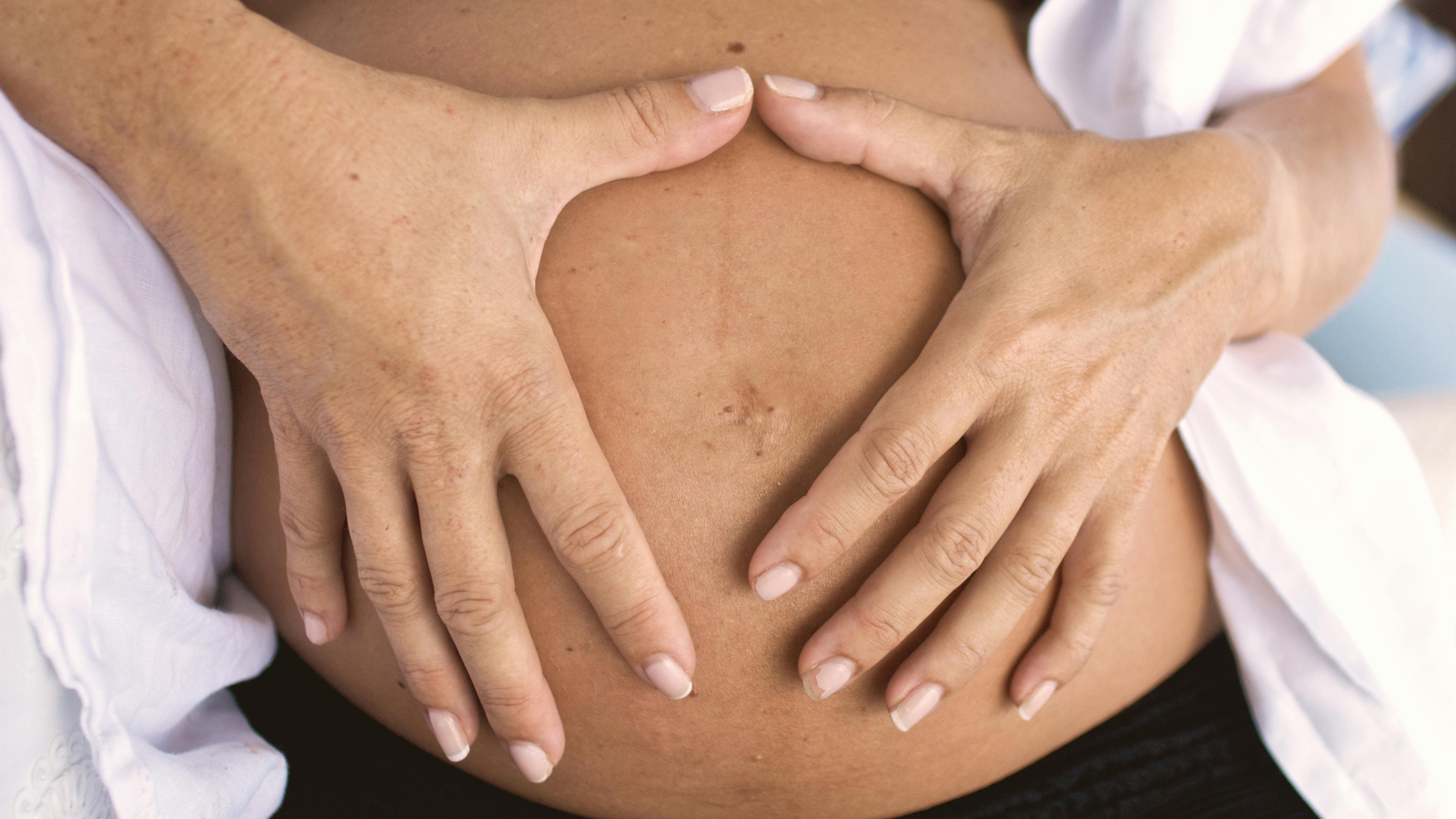
If you have been tracking ovulation, timing intercourse perfectly, and still wondering why conception feels so elusive, you are far from alone. For many women, the challenge is not getting pregnant — it is what happens in that quiet, critical window after fertilization, when a tiny embryo must attach itself to the uterine lining and signal its arrival. That process, known as implantation, is one of the most biologically complex events in early reproduction, and it can fail for reasons that are not always obvious from the outside.
Implantation failure can stem from a range of underlying factors: poor egg quality, a thin or inflamed uterine lining, progesterone deficiency during the luteal phase, oxidative stress in reproductive tissues, or micronutrient deficiencies that quietly impair cell signaling and embryo development. Research published in Nutrients and the Journal of Assisted Reproduction and Genetics has increasingly highlighted how nutritional status influences endometrial receptivity — the uterus’s readiness to accept and sustain an embryo.
In this article, you will find a science-backed breakdown of the supplements that help with implantation, organized by how they work in the body. We cover antioxidants, hormonal support nutrients, uterine-lining supporters, and anti-inflammatory compounds — plus practical guidance on timing, dosage, and what to pair with your prenatal vitamin for the best results.
Antioxidant Supplements That Protect Egg Quality and Support Implantation
Oxidative stress is one of the most well-documented threats to successful implantation. When free radicals accumulate in reproductive tissues — triggered by stress, poor diet, environmental toxins, or age — they can damage egg DNA, impair mitochondrial function in the embryo, and compromise the endometrial environment that the embryo needs to attach. Antioxidant supplementation works by neutralizing these free radicals before they cause lasting harm.
Coenzyme Q10 (CoQ10) is among the most studied antioxidants for reproductive health. A 2018 trial published in the Journal of Ovarian Research found that CoQ10 supplementation improved ovarian response and embryo quality in women undergoing IVF. Since mitochondrial energy production is essential for the embryo’s early cell divisions — which must occur before implantation can happen — CoQ10’s role in supporting mitochondrial function makes it particularly relevant. Doses of 200–600 mg per day are commonly used in fertility contexts, ideally in the ubiquinol form for better absorption. You can learn more about selecting quality options at our guide to the best CoQ10 supplements for fertility.
Vitamin C and vitamin E are classic antioxidant partners. Vitamin C supports collagen synthesis in the uterine lining while also regenerating vitamin E after it neutralizes free radicals. Together, they help maintain tissue integrity in the endometrium. N-acetyl cysteine (NAC) is another powerful option — it raises intracellular glutathione levels, the body’s master antioxidant, and has been specifically studied for improving implantation rates in women with PCOS, as covered in our article on NAC for PCOS and fertility.
- Take CoQ10 in the ubiquinol form, 200–400 mg daily, ideally with a fat-containing meal
- Add vitamin C (500–1000 mg) and vitamin E (400 IU) as complementary antioxidant support
- Consider NAC (600 mg daily) if you have PCOS, elevated inflammation, or a thin uterine lining
- Start antioxidant supplementation at least 60–90 days before your target conception cycle
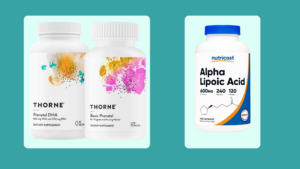
- Pair antioxidants with a prenatal vitamin like Thorne Basic Prenatal with Folate and Choline for comprehensive nutritional coverage
Folate, B12, and Iron: Foundational Nutrients for Endometrial Health
No conversation about supplements that help with implantation is complete without addressing the foundational B vitamins and minerals that directly influence uterine lining quality and embryo cell division. These are not optional additions — they are the nutritional bedrock of a conception-ready body.
Folate (the bioavailable form of folic acid) is essential for DNA methylation, a process that regulates gene expression in both the embryo and the endometrium. Research consistently shows that adequate folate reduces the risk of neural tube defects and supports the rapid cell replication required in the days immediately following fertilization. However, up to 40% of women carry a variant of the MTHFR gene that impairs folic acid conversion — making methylated folate (5-MTHF) a smarter choice. Our detailed comparison of folate vs folic acid when trying to conceive explains why form matters.
Vitamin B12 works alongside folate to support healthy cell division and prevent homocysteine buildup, which has been linked to implantation failure and early pregnancy loss. B12 deficiency is surprisingly common, particularly in women following plant-based diets. Iron plays a separate but equally important role — adequate iron supports endometrial blood flow and uterine lining thickness, both of which are critical for embryo attachment. Low iron is associated with anovulatory cycles and implantation difficulties, as explored in our guide on iron deficiency and difficulty getting pregnant.
- Choose methylfolate (5-MTHF) at 400–800 mcg daily, especially if you have the MTHFR variant
- Ensure your prenatal provides at least 2.4 mcg of B12, preferably as methylcobalamin
- Get a serum ferritin test before adding iron — excessive iron can also be harmful
- Look for a prenatal that integrates all three, such as Pink Stork Total Prenatal Vitamins with DHA, Folate, and Iron
- Take iron with vitamin C to improve absorption; avoid taking it with calcium
Vitamin D and Progesterone Support for Uterine Lining Receptivity
Vitamin D is increasingly recognized as a critical regulator of uterine receptivity — the uterus’s biological readiness to accept an implanting embryo. A landmark study published in Fertility and Sterility found that women with sufficient vitamin D levels had significantly higher implantation and pregnancy rates during IVF cycles compared to those who were deficient. Vitamin D receptors are expressed throughout the endometrium, where this hormone influences immune tolerance, cell differentiation, and the expression of implantation-related proteins including HOXA10.
The challenge is that vitamin D deficiency is widespread. Research suggests that more than 40% of reproductive-age women in the United States have insufficient levels, particularly in winter months or in women with limited sun exposure, darker skin tones, or higher BMI. Testing your 25(OH)D level is the most reliable way to determine your starting point. Most fertility-focused practitioners aim for serum levels between 40–60 ng/mL during the preconception period. Supplementing with 2000–4000 IU of vitamin D3 daily, paired with vitamin K2 for proper calcium metabolism, is a safe and commonly recommended approach.
Progesterone is equally central to implantation success. After ovulation, the corpus luteum produces progesterone to transform the endometrial lining into a receptive, nutrient-rich environment. When progesterone levels fall too early or too low — a condition known as luteal phase defect — the uterine lining begins to break down before the embryo can fully attach. Certain supplements support natural progesterone production, including vitex (chaste tree berry), which acts on the pituitary to encourage a stronger luteal phase. Magnesium also supports the adrenal and ovarian pathways involved in progesterone synthesis. Ensuring adequate zinc intake is another important lever, as zinc is required for proper corpus luteum function. Our article on progesterone and early pregnancy support covers these mechanisms in greater depth.
Omega-3 Fatty Acids and Anti-Inflammatory Nutrients for Implantation
Chronic low-grade inflammation in the uterine environment is an underappreciated obstacle to implantation. While a brief, controlled inflammatory response is actually necessary for the embryo to signal its presence and begin attaching, persistent inflammation — driven by conditions like endometriosis, PCOS, or poor diet — disrupts the delicate immune signals that allow the uterus to be selectively receptive. Omega-3 fatty acids, particularly EPA and DHA, are among the most effective nutritional tools for modulating this inflammatory environment.
EPA and DHA are precursors to anti-inflammatory prostaglandins and resolvins, signaling molecules that help the immune system shift from an attack posture to a tolerogenic one. This immune tolerance is essential for implantation — the embryo is genetically half-foreign to the mother’s immune system, and the uterus must learn to accept rather than reject it. A 2022 systematic review in Reproductive Biology and Endocrinology found that omega-3 supplementation was associated with improved endometrial thickness and higher clinical pregnancy rates in women undergoing assisted reproduction.
Zinc deserves specific mention here for its dual role in reducing inflammation and supporting the immune environment of the uterus. Zinc is required for the synthesis of prostaglandins that regulate uterine function and is also a cofactor for over 300 enzymes involved in cell growth and DNA repair. Magnesium rounds out this anti-inflammatory trio — it regulates cortisol, reduces uterine cramping, and supports the healthy muscle tone of the uterine wall. Women planning a pregnancy would benefit from ensuring both minerals are included in their supplementation protocol. Selecting a quality comprehensive prenatal like Nature Made Prenatal with Folic Acid and DHA or a dedicated prenatal such as Ritual Essential for Women Prenatal Multivitamin can help cover these foundational bases while you add targeted supplements on top.
Frequently Asked Questions
When should I start taking supplements to support implantation?
Most fertility specialists recommend beginning at least 60–90 days before your target conception cycle. Egg maturation takes approximately three months, so starting early gives antioxidants and micronutrients adequate time to improve egg quality and uterine environment before implantation occurs.
Can supplements replace medical treatment for implantation failure?
No. Supplements can optimize the nutritional environment for implantation but cannot correct structural issues, severe hormonal disorders, or chromosomal problems. Always work with a reproductive endocrinologist if you have experienced recurrent implantation failure or pregnancy loss.
Is it safe to take multiple supplements at the same time when trying to conceive?
Generally yes, but interactions and dosages matter. Always inform your doctor or midwife about everything you are taking. A quality prenatal vitamin often covers most bases, reducing the need for many individual supplements and lowering the risk of excess intake.
Does vitamin D really improve implantation rates?
Evidence suggests it does. Multiple studies, including trials in IVF populations, show that women with sufficient vitamin D levels have significantly higher implantation and live birth rates. Testing your levels before supplementing helps you determine the right dose for your individual needs.
How long does it take to see results from supplements for implantation?
Meaningful improvements in egg quality and uterine lining take at least one to three months of consistent supplementation. Short-term use in the cycle you are trying is unlikely to produce significant benefit. Consistency over several months is what the research supports.
A Word From Vitamins For Woman
The journey to a successful pregnancy is deeply personal, and the science of implantation is still unfolding — but the evidence for targeted nutritional support has never been stronger. Supplements that help with implantation work best as part of a holistic approach that includes a whole-food diet, stress management, adequate sleep, and open communication with your healthcare provider. We encourage you to use this guide as a starting point for informed conversations with your fertility specialist or OB-GYN, not as a substitute for personalized medical advice. At Vitamins For Woman, our goal is to help you navigate the evidence with clarity and confidence on your path to parenthood.
References
- Xu Y, et al. (2019). Vitamin D and assisted reproductive technology outcomes: a systematic review and meta-analysis. Reproductive Biology and Endocrinology. https://pubmed.ncbi.nlm.nih.gov/30606223/
- Ben-Meir A, et al. (2015). Coenzyme Q10 restores oocyte mitochondrial function and fertility during reproductive aging. Aging Cell. https://pubmed.ncbi.nlm.nih.gov/26252185/
- Gaskins AJ & Chavarro JE. (2018). Diet and fertility: a review. American Journal of Obstetrics and Gynecology. https://pubmed.ncbi.nlm.nih.gov/28844822/
- Buhling KJ & Grajecki D. (2013). The effect of micronutrient supplements on female fertility. Current Opinion in Obstetrics and Gynecology. https://pubmed.ncbi.nlm.nih.gov/23348977/
- Hammiche F, et al. (2011). Increased preconception omega-3 polyunsaturated fatty acid intake improves embryo morphology. Fertility and Sterility. https://pubmed.ncbi.nlm.nih.gov/20888560/