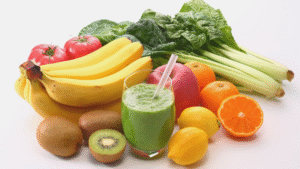

There is something quietly unsettling about watching tiny threads or dots drift across your field of vision, especially when you cannot blink them away. Eye floaters are one of those symptoms that can feel alarming the first time you notice them, yet doctors often reassure patients they are harmless. Still, for many women, particularly those over 40, floaters become a persistent daily frustration that affects reading, screen time, and overall quality of life. You deserve to understand what is actually happening inside your eyes and what you can do about it naturally.
Floaters form in the vitreous humor, the gel-like substance that fills the space between the lens and retina. As we age, this gel gradually liquefies and shrinks, causing collagen fibers to clump together and cast shadows on the retina. Oxidative stress, nutritional deficiencies, inflammation, and poor circulation can all accelerate vitreous degeneration. Conditions such as myopia, diabetes, and hormonal shifts during perimenopause may also increase susceptibility, making eye floaters more common and more bothersome in midlife women.
In the sections ahead, you will find an evidence-based breakdown of the nutrients most studied for vitreous and retinal support, practical tips for building a floater-friendly supplement routine, and guidance on lifestyle habits that complement nutritional strategies. Whether your floaters are mild or increasingly intrusive, this guide will help you take informed, proactive steps toward clearer, healthier vision.
Key Antioxidants That Support Vitreous and Retinal Health
The vitreous humor is particularly vulnerable to oxidative damage because it contains high concentrations of oxygen and is rich in hyaluronic acid and collagen. When free radicals outpace the eye’s natural antioxidant defenses, the structural proteins that keep the vitreous gel clear begin to break down and aggregate. Antioxidant supplementation is therefore one of the most logical and best-studied approaches for supporting eye health from within. Research published in Nutrients has confirmed that oxidative stress is a primary driver of vitreous liquefaction and floater formation, particularly in aging women.
Vitamin C is one of the most concentrated antioxidants found naturally in the eye. The vitreous humor contains vitamin C at levels significantly higher than those found in the blood, suggesting it plays a critical protective role. Supplementing with 500 to 1,000 mg daily may help maintain this protective reservoir. Vitamin E works synergistically with vitamin C to quench lipid peroxidation in ocular tissues. You can read more about its role in our dedicated guide on vitamin E for eye protection.
Lutein and zeaxanthin are carotenoids that accumulate in both the macula and the lens, filtering harmful blue light and neutralizing reactive oxygen species. Studies in JAMA Ophthalmology have shown that higher dietary intake of these carotenoids correlates with reduced risk of vitreous degeneration. Astaxanthin, a potent xanthophyll found in marine algae, has demonstrated the ability to cross the blood-retinal barrier and provide superior antioxidant protection in ocular tissue. Together, these antioxidants form a powerful front-line defense for anyone concerned about eye floaters.
- Take vitamin C (500–1,000 mg daily) alongside vitamin E for synergistic antioxidant protection in the vitreous
- Include lutein (10–20 mg) and zeaxanthin (2–4 mg) daily from food or supplements to filter oxidative blue-light damage
- Consider astaxanthin (4–12 mg daily) for its superior ability to penetrate ocular tissues
- Pair antioxidant supplements with colorful, carotenoid-rich vegetables such as kale, spinach, and bell peppers
- Check out our broader overview of best antioxidants for eye health for a deeper nutrient comparison
Collagen-Supporting Nutrients for Vitreous Integrity
The vitreous humor is composed primarily of a delicate collagen network, predominantly type II and type IX collagen, intertwined with hyaluronic acid. When this scaffold degrades, the gel loses its uniform clarity and begins to form the clumps and strands experienced as floaters. Supporting collagen synthesis and protecting existing collagen from enzymatic breakdown are therefore central strategies when addressing vitreous degeneration. This connection between collagen integrity and ocular structure is one reason that nutrients traditionally associated with skin and joint health also benefit the eyes.
Vitamin C is indispensable for collagen synthesis, acting as a required cofactor for the enzymes prolyl and lysyl hydroxylase. Without adequate vitamin C, collagen triple helices cannot form correctly, leaving vitreous architecture fragile. Glycine and proline, the most abundant amino acids in collagen, can be obtained through collagen peptide supplements. Research published in BMC Ophthalmology suggests that these structural amino acids may support the maintenance of ocular collagen networks when consumed consistently over months.
Hyaluronic acid (HA) supplements have gained attention for their potential to support vitreous hydration. The vitreous gel is approximately 99 percent water, and HA is the molecule responsible for retaining that moisture within the collagen scaffold. As we age, HA concentration in the vitreous declines, contributing to gel liquefaction. Oral HA supplementation has been studied for joint and skin hydration with promising results, and its potential ocular benefits are an emerging area of research. Zinc is another critical cofactor for collagen metabolism and plays a well-documented role in retinal function, with deficiency linked to impaired dark adaptation and increased oxidative retinal stress. Our guide on supplements to support retinal health explores this connection further.
- Prioritize vitamin C alongside any collagen-supporting supplement to ensure proper collagen hydroxylation in the vitreous
- Consider a daily collagen peptide supplement providing glycine and proline to supply the building blocks of ocular collagen
- Look for formulas that combine hyaluronic acid with collagen for comprehensive vitreous support
- Ensure zinc intake of 8–11 mg daily from food or supplements to support collagen enzymes and retinal function
- Avoid habits that degrade collagen rapidly, including excess sugar consumption and smoking, both of which accelerate glycation of vitreous proteins
Omega-3 Fatty Acids and Eye Circulation Nutrients
Optimal blood flow to the retina and surrounding ocular tissues is essential for clearing cellular debris, delivering nutrients, and maintaining the health of the vitreous-retinal interface. Poor ocular circulation has been linked to a faster rate of vitreous degeneration and increased floater severity. Two complementary nutritional approaches address this: omega-3 fatty acids for their anti-inflammatory and membrane-stabilizing effects, and specific circulation-enhancing nutrients that improve microvascular health within the eye.
Omega-3 fatty acids, particularly DHA (docosahexaenoic acid), are the most abundant polyunsaturated fatty acid in retinal photoreceptor membranes. DHA supports the structural fluidity of retinal cell membranes and exerts potent anti-inflammatory effects through its conversion to resolvins and protectins. A 2022 meta-analysis in the American Journal of Clinical Nutrition found that higher omega-3 intake was associated with reduced markers of ocular inflammation and improved retinal microcirculation. The standard effective dose is 1,000 to 2,000 mg of combined EPA and DHA daily. You can explore more about how these fats function in our article on omega-3 for dry eyes, which overlaps in mechanisms with floater management.
Ginkgo biloba extract is another well-studied supplement for ocular circulation. Several clinical trials have demonstrated its ability to improve blood flow velocity in the ophthalmic artery, potentially supporting the health of the retina and vitreous. Bilberry extract, rich in anthocyanins, strengthens capillary walls and reduces vascular permeability in ocular tissues. Research in the Journal of Nutrition has confirmed that anthocyanins preferentially accumulate in ocular tissues after oral supplementation. Pine bark extract (Pycnogenol) has also shown promise in small trials for improving retinal blood flow and reducing oxidative stress in the eye. Together, these botanicals provide a vascular support strategy that complements antioxidant and collagen-focused approaches.
Magnesium, B Vitamins, and the Stress-Eye Connection
Chronic stress and poor sleep do not merely affect mood and energy — they directly impair the body’s antioxidant defenses and accelerate inflammatory cascades that can worsen vitreous degeneration. Women navigating hormonal transitions, high workloads, or perimenopause are especially susceptible to the compounding effects of stress-induced oxidative damage throughout the body, including in the eyes. Two nutrient categories address this systemic connection: magnesium and the B-vitamin complex.
Magnesium plays an essential role in regulating intraocular pressure, supporting retinal blood flow, and acting as a cofactor for hundreds of enzymatic reactions including those involved in antioxidant recycling. Studies published in Investigative Ophthalmology and Visual Science have shown that magnesium deficiency is associated with increased ocular vascular resistance, potentially reducing nutrient delivery to vitreous tissues. A magnesium glycinate or malate supplement providing 200 to 400 mg daily is generally well-tolerated and supports both sleep quality and ocular health simultaneously.
B vitamins, particularly B2 (riboflavin), B6, and B12, are crucial for maintaining the glutathione recycling pathway, the eye’s primary intracellular antioxidant system. Riboflavin deficiency is associated with photophobia and increased lens oxidative stress, while B12 deficiency can impair the optic nerve and retinal cell function. Homocysteine, which accumulates when B6, B9, and B12 are insufficient, has been linked to retinal vascular damage and worsened macular health in multiple peer-reviewed studies. Supplementing with a comprehensive B-complex that includes methylated forms of folate and B12 ensures optimal metabolic support for ocular tissues. For women who are also managing energy and mood concerns alongside their eye health, our article on supplements for eye aging provides additional context on age-related nutritional needs.
Frequently Asked Questions
Can supplements actually reduce eye floaters?
Supplements cannot dissolve existing floaters, but they may slow vitreous degeneration and reduce oxidative stress that causes new ones to form. Nutrients like vitamin C, lutein, and omega-3s help protect the structural integrity of the vitreous over time. Consistent long-term use is key for noticeable benefit.
How long does it take for eye supplements to work on floaters?
Most ocular supplements require at least three to six months of consistent use before any meaningful change is observed. The vitreous gel changes slowly, and antioxidant and collagen-support nutrients work cumulatively rather than acutely. Patience and daily consistency are essential when using a supplement-based approach.
Are eye floaters a sign of a serious condition?
Most floaters are benign and age-related, but a sudden increase, flashes of light, or a curtain-like shadow across vision requires immediate medical evaluation. These symptoms can indicate retinal detachment or vitreous hemorrhage, which are emergencies. Always rule out serious pathology with an ophthalmologist before relying solely on supplements.
Which single nutrient is most important for vitreous health?
Vitamin C is arguably the most critical, given its dual role in antioxidant defense and collagen synthesis — both directly relevant to vitreous structure. The vitreous naturally concentrates vitamin C at levels far exceeding blood plasma. However, a combination approach including zinc, omega-3s, and carotenoids provides more comprehensive protection than any single nutrient.
Do floaters get worse during perimenopause?
Yes, many women report increased floater frequency during perimenopause, likely due to declining estrogen levels reducing collagen and hyaluronic acid production in ocular tissues. Hormonal changes also increase systemic oxidative stress. Targeted nutritional support and regular eye exams are especially important during this transition period.
A Word From Vitamins For Woman
Eye floaters can be a quiet but persistent reminder that our bodies need consistent nutritional support, especially as we move through hormonal transitions and aging. The best supplements for floaters in eyes work by addressing the root mechanisms of vitreous degeneration: oxidative stress, collagen breakdown, inflammation, and poor circulation. We encourage you to pair any supplement strategy with regular ophthalmology check-ups to ensure your eyes are getting the full care they deserve. Small, consistent nutritional choices made today can meaningfully protect the clarity and longevity of your vision for years to come.
References
- Chiu C-J et al. (2012). Dietary compound score and risk of age-related macular degeneration in the Age-Related Eye Disease Study. Ophthalmology. https://pubmed.ncbi.nlm.nih.gov/22019026/
- Tan JS et al. (2008). Dietary antioxidants and the long-term incidence of age-related macular degeneration: the Blue Mountains Eye Study. Ophthalmology. https://pubmed.ncbi.nlm.nih.gov/17664009/
- SanGiovanni JP et al. (2007). The relationship of dietary omega-3 long-chain polyunsaturated fatty acid intake with incident age-related macular degeneration. Archives of Ophthalmology. https://pubmed.ncbi.nlm.nih.gov/17515707/
- Cumurcu T et al. (2006). Serum homocysteine, vitamin B12 and folate levels in patients with exfoliation syndrome. European Journal of Ophthalmology. https://pubmed.ncbi.nlm.nih.gov/16952093/
- Falsini B et al. (2010). Influence of short-term antioxidant supplementation on macular function in age-related maculopathy: a pilot study including electrophysiologic assessment. Ophthalmology. https://pubmed.ncbi.nlm.nih.gov/10647722/