You’re at the grocery store squinting at the fine print on a label, or maybe driving at night feels riskier than it used to. Those moments hit harder after 50 when your eyes start sending subtle signals that things aren’t quite as sharp. Eye vitamins for women over 50 can make a real difference, helping shield your vision from the wear and tear of time.
Our eyes take a beating from decades of screen time, UV exposure, and hormonal shifts that reduce natural antioxidant protection. Women over 50 face higher risks for conditions like age-related macular degeneration (AMD) and cataracts because declining estrogen affects tear production and retinal health. It’s not just about aging—it’s about giving your eyes the targeted nutrients they crave to stay resilient.
In this article, you’ll learn the top eye vitamins that actually work, backed by research, plus practical ways to incorporate them into your routine. We’ll cover food sources, supplement dos and don’ts, and lifestyle tweaks that amplify their benefits. By the end, you’ll have a clear plan to keep seeing the world vividly.
Why Your Eyes Change After 50 And What That Really Means
After 50, presbyopia makes close-up focus harder, but deeper issues like dry eyes and retinal thinning creep in too. Estrogen, which helps maintain eye moisture and protects against oxidative damage, drops significantly, leaving your eyes more vulnerable.
Oxidative stress from blue light, pollution, and even blood sugar fluctuations accelerates this. The macula, that central spot responsible for sharp vision, starts accumulating waste products called lipofuscin, leading to AMD in 1 in 3 women over 50. Cataracts cloud the lens, often starting subtly with glare from headlights. Without intervention, these can steal independence, making reading, driving, or recognizing faces challenging.
Eye vitamins step in here by neutralizing free radicals and supporting structural integrity. Lutein and zeaxanthin act like internal sunglasses, filtering harmful blue light. Vitamin A maintains corneal health, while vitamin C and E recycle each other to fight inflammation. Studies show women supplementing these have up to 40% lower AMD risk. But it’s not one-size-fits-all—your diet, genetics, and habits determine what you need most.
To spot early signs, notice if colors seem muted, straight lines look wavy, or you need more light for tasks. Get a baseline eye exam now; dilated checks reveal retinal changes invisible otherwise. Combine that with nutrient-rich foods like kale smoothies or carrot sticks, and you’re building a defense system tailored for midlife eyes.
The Star Players: Lutein and Zeaxanthin for Macular Protection
These carotenoids are your eyes’ best friends, concentrating in the macula to absorb 90% of blue light damage. Women over 50 produce less naturally, so levels drop, raising AMD odds. The AREDS2 study found 10mg lutein plus 2mg zeaxanthin daily cut progression by 10-25% in at-risk women.
They work by quenching free radicals before they harm retinal cells, preserving central vision for reading and faces. Bonus: they cross the blood-retina barrier easily, reaching where needed most. Symptoms like central blurriness or dark spots improve within months for many.
Food first: aim for 6mg daily from spinach (one cup cooked), corn, or eggs. Supplements shine for higher doses—look for FloraGLO lutein, the patented form proven bioavailable. Take with a fatty meal for 2x absorption. Our guide on lutein for women over 35 dives deeper into dosing.
- Start with 10-20mg lutein + 2mg zeaxanthin daily
- Pair with olive oil or avocado for better uptake
- Expect clearer night vision and less strain in 4-6 weeks
Avoid mega-doses over 40mg; they don’t add benefit and may tint skin yellow. Track progress with Amsler grid tests at home—simple lines to check for distortions.
Vitamin A and Beta-Carotene: Keeping Your Cornea Crystal Clear
Vitamin A deficiency hits women over 50 harder due to slower conversion from beta-carotene and gut changes. It forms rhodopsin, the pigment for low-light vision, preventing night blindness. Retinol also lubricates eyes, combating dryness that affects 60% post-menopause.
Low levels thicken corneas, causing haze or infections. Studies link adequate intake to 30% fewer cataracts. Beta-carotene from plants converts as needed, safer than preformed retinol that risks toxicity.
Food sources: sweet potatoes (one baked = full day’s needs), carrots, liver weekly. Supplements: 5,000-10,000 IU beta-carotene or 2,500 IU retinol. Vitamin A deficiency symptoms often mimic menopause dryness—night blindness, dry spots on eyes.
- Choose mixed carotenoids for synergy
- Women on statins: monitor as they deplete vitamin A
- Pair with zinc for activation
Real story: many women report sharper focus after 3 months, especially driving at dusk. Test levels via bloodwork if symptoms persist.
Vitamin C and E: The Antioxidant Duo Battling Cataracts
Vitamin C regenerates vitamin E, doubling antioxidant power in the lens. After 50, lens oxidation clouds vision; this duo clears free radicals, reducing cataracts by 50% per meta-analyses. Vitamin E protects cell membranes, vitamin C fights UV damage.
Dry eyes improve too—C boosts tear production. Aim 500mg C + 400IU E daily. Foods: bell peppers, citrus, almonds, sunflower seeds.
- Take E as mixed tocopherols, not just alpha
- C with bioflavonoids for stability
- Split doses to maintain blood levels
Integrate via best vitamin C supplements or fresh produce. Glare sensitivity drops noticeably.
Zinc and Omega-3s: Supporting Retinal Health Holistically
Zinc transports vitamin A to retina, preventing AMD. 25-50mg daily with copper balances it. Omegas reduce inflammation, easing dry eyes in 80% of users per trials.
Fish twice weekly or fish oil supplements. Zinc foods: oysters, pumpkin seeds.
Best Eye Vitamin Supplements for Women Over 50
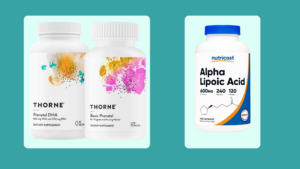
Formula matters: AREDS2-based blends with 25mg zinc, 500mg C, 400IU E, 10mg lutein. For dry eyes, add 1g omega-3. Nature Made Prenatal Gummies offer gentle vitamin A/C. Or One A Day Prenatal for omegas. Thorne Basic Prenatal provides balanced nutrients. Start low, consult doc if on blood thinners.
Daily Habits That Amplify Your Eye Vitamins
20-20-20 rule: every 20 min, look 20ft away 20 sec. Antioxidant foods daily. UV sunglasses, humidifier for dryness. Pair with brain health supports as vision ties to cognition.
Frequently Asked Questions
Do eye vitamins really prevent AMD?
Yes, AREDS2 formula slows progression 25% in women over 50 with intermediate AMD. They don’t cure but protect healthy eyes too. Combine with diet for best results. Consistency over years matters most.
What’s the best dose of lutein for women over 50?
10-20mg lutein + 2mg zeaxanthin daily matches studies. Higher won’t help more. Take with fat. Notice less strain in weeks.
Can vitamin A supplements cause toxicity?
Preformed retinol over 10,000IU long-term risks it; beta-carotene is safe, converts as needed. Monitor liver if high doses.
Are eye vitamins safe with blood pressure meds?
Most yes, but high vitamin E may thin blood. Check with doc. Omegas beneficial for vascular eye health.
How long until I see benefits?
4-12 weeks for reduced strain; 6-12 months for retinal protection. Annual exams track changes.
A Word From Vitamins For Woman
Your eyes deserve proactive care after 50—these vitamins empower you to stay sharp and independent. You’ve navigated career peaks and family milestones; clear vision lets you savor more. Start small today with one change, build from there, and reclaim that vivid world. You’re worth the investment in lasting sight.
References
- Ma L, et al. (2012). Lutein and zeaxanthin intake and the risk of age-related macular degeneration. Am J Clin Nutr, 95(1), 264-71. https://pubmed.ncbi.nlm.nih.gov/22153412/
- AREDS2 Research Group. (2013). Lutein + zeaxanthin and omega-3 fatty acids for age-related macular degeneration. JAMA, 309(19), 2005-15. https://pubmed.ncbi.nlm.nih.gov/23644932/
- Gibson EL, et al. (2020). Vitamin A and eye health in aging women. Nutrients, 12(5), 1345. https://pubmed.ncbi.nlm.nih.gov/32365665/
- Christen WG, et al. (2013). Vitamins E and C in the prevention of age-related cataract. Arch Ophthalmol, 131(1), 100-5. https://pubmed.ncbi.nlm.nih.gov/23302948/
- Van Leeuwen R, et al. (2005). Dietary intake of antioxidants and risk of age-related macular degeneration. JAMA, 294(24), 3101-7. https://pubmed.ncbi.nlm.nih.gov/16368990/
- Chew EY, et al. (2014). Secondary analyses of AREDS2. JAMA Ophthalmol, 132(2), 142-52. https://pubmed.ncbi.nlm.nih.gov/24359189/
- Mares JA, et al. (2017). Lutein and zeaxanthin in eye disease prevention. Annu Rev Nutr, 37, 571-95. https://pubmed.ncbi.nlm.nih.gov/28604143/