
As we navigate through the complexities of life, it’s easy to overlook something as vital as our eyesight. Imagine reading the fine print in a recipe book or catching the vibrant colors during a sunset; the sharp clarity we often take for granted is truly a gift. Yet, as we age, this precious gift starts to fade, leading many to wonder how they can nurture and protect their vision effectively.
Many women between the ages of 35 and 55 experience changes in their eyesight, often attributing it to tiredness or the strain of everyday life. But the reality is that these symptoms may signal a need for better eye care. Poor nutrition, prolonged screen time, and insufficient protective measures against sun exposure collectively contribute to deteriorating vision. Yet, these hardships can often be addressed with simple nutritional adjustments. It’s time to acknowledge this challenge and understand that taking proactive steps can greatly improve our eye health.
This article will guide you through essential supplements to protect eyesight, backed by research and practical tips. We dive into nutrients that can substantially enhance your vision and eye health, including vitamins, minerals, and other key elements. Let’s explore how a few strategic changes can safeguard your visual well-being while empowering you with knowledge to embrace this new chapter of your life.
Understanding the Importance of Eye Health
Consider this scenario: after long hours in front of a computer, you feel your eyes becoming dry and strained. You may even notice blurriness creeping into your vision. Many women experience these symptoms without understanding their correlation to unsuitable diets or inadequate nutrient intake for eye health. This causes a false sense of normalcy, where discomfort is brushed off as typical fatigue instead of recognized as a call to action.
The truth is, our eyes require specific nutrients to function optimally. The lack of vitamins such as Vitamin C, Vitamin E, and several carotenoids may lead to issues like cataracts and age-related macular degeneration (AMD). Neglecting our eye health can result in irreversible consequences, but understanding the connection between diet and vision can open doors to solutions.
Addressing eye health isn’t just about consuming glasses of carrot juice; it involves incorporating a variety of beneficial nutrients into our diets regularly. This means going beyond just eyesight improvement; it fosters a holistic sense of well-being. To maintain health and vitality, we need a plan that includes eye-friendly nutrients. Let’s examine some essential supplements and dietary strategies you can implement for maximum eye health.
The Top Supplements to Protect Eyesight
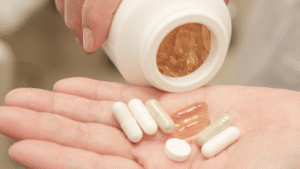
As women age, the risk for eye conditions increases, making it essential to focus on nutrition, specifically eye-protective supplements. An effective approach involves a combination of key vitamins and minerals. Here’s what to consider:
- Omega-3 Fatty Acids: These healthy fats play a crucial role in maintaining eye moisture and overall retinal health. Studies indicate that diets rich in omega-3s can reduce the risk of dry eyes and AMD. Aiming for at least two servings of fatty fish, like salmon or sardines, can be beneficial. Omega-3 supplements, like fish oil, are also a great option if you find it challenging to get enough through food.
- Vitamin C: This powerful antioxidant helps combat oxidative stress in the eyes. It’s important for the health of blood vessels in the eyes and can lower the likelihood of cataracts. Foods rich in Vitamin C include oranges, bell peppers, and strawberries, but supplements can also be found in multivitamins.
- Vitamin E: Another important antioxidant, Vitamin E contributes to preventing oxidative damage. Scientific studies show that individuals with higher intakes of Vitamin E have a reduced risk of developing cataracts. Good sources include nuts, seeds, and leafy greens.
- Zinc: This mineral aids in transporting Vitamin A from the liver to the retina, which is vital for your vision. Foods high in zinc include meats, shellfish, and legumes. Zinc supplements may help improve night vision and overall retinal function.
- Lutein and Zeaxanthin: These carotenoids have been shown to filter harmful blue light and protect against oxidative damage. Dark green leafy vegetables like spinach and kale are rich sources. Supplements are available for those who struggle to meet their needs through diet.
Dietary Strategies for Enhanced Eye Health
While supplements are beneficial, a well-balanced diet is essential for optimal vision. It’s vital not to rely solely on pills; rather, merge them with dietary strategies. Here are practical tips:
- Eat a Colorful Plate: Aim for a colorful selection of fruits and vegetables. Each color represents different nutrients essential for eye health. For example, dark leafy greens provide lutein and zeaxanthin, while orange vegetables offer beta-carotene.
- Mind Your Hydration: Staying well-hydrated is crucial for maintaining moisture in the eyes. Aim for 8-10 cups of water daily, adjusting for activity levels and climate conditions.
- Limit Screen Time: With our reliance on technology, prolonged screen time can strain the eyes. Taking breaks using the 20-20-20 rule—every 20 minutes, look at something 20 feet away for at least 20 seconds—can alleviate discomfort.
- Incorporate Healthy Fats: Include nuts, seeds, and fatty fish into your meals for a healthy source of omega-3s. These can help maintain moisture and reduce inflammation.
- Spice It Up: Incorporating anti-inflammatory spices like turmeric and ginger into your meals can have an overall protective effect on health, including eye health.
Avoiding Eye Strain in Daily Life
If you often find yourself squinting or experiencing discomfort while reading or looking at screens, eye strain may be a concern. For many women, especially those juggling work-life balance, neglecting eye comfort becomes common, leading to various visual issues. It’s crucial to proactively combat this strain.
Understanding the causes of eye strain is the first step towards alleviating it. Most often, eye strain results from prolonged screen use, poor lighting, or diminished eye health overall. Many individuals are unaware of how simple adjustments can significantly improve comfort levels when engaging with screens or texts.
Here are practical solutions to reduce eye strain:
- Adjust Your Workspace: Ensure that lighting is sufficient and that screens are positioned appropriately. Position your screen at eye-level to avoid neck strain and reduce glare.
- Take Frequent Breaks: Follow the 20-20-20 rule to refresh your eyes. Making time to look away can recharge not only your vision but also your focus.
- Wear Proper Eyewear: If you wear glasses, consider anti-reflective coatings, especially if you work long hours on screens.
- Use Blinking Techniques: Remembering to blink frequently can help maintain eye moisture and prevent dryness.
Frequently Asked Questions
Frequently Asked Questions
What supplements are best for protecting eyesight?
Omega-3 fatty acids, Vitamin C, Vitamin E, Zinc, and Lutein & Zeaxanthin are key supplements known for their eye protection properties. Including these in your daily routine can boost overall eye health and reduce the risk of degenerative eye diseases.
Can dietary changes improve vision?
Absolutely! A balanced diet rich in colorful fruits, vegetables, and healthy fats contributes significantly to eye health. Foods high in antioxidants can combat oxidative stress, therefore directly impacting the quality of your vision.
What are common signs of eye strain?
Common signs include blurred or double vision, dryness, headaches, and difficulty focusing. If you experience these symptoms consistently, it may be time to assess your screen time and eye care practices.
How often should I have my eyes checked?
It’s generally advisable for adults to have comprehensive eye exams every two years. However, if you experience significant changes in vision or eye comfort, consult a specialist sooner.
Can I improve my vision naturally?
While many vision problems may require corrective lenses, adopting healthy dietary habits, maintaining overall wellness, and practicing eye protection techniques can support good vision and delay further deterioration.
A Word From Vitamins For Woman
Understanding the importance of eye health can seem daunting, but embracing this journey can bring hope and clarity. By proactively incorporating supplements to protect eyesight and committing to healthier habits, you can significantly improve your vision and overall well-being. Take small steps, and remember that every positive action you take in nurturing your eyesight matters. Embrace this empowering journey, and reclaim the vibrant vision you deserve!
References
- Ma and Huang et al. (2022). Dietary supplements for age-related eye diseases. Nutrients. https://pubmed.ncbi.nlm.nih.gov/…
- Lee and Kim (2021). The Role of Omega-3 Fatty Acids in Maintaining Eye Health. JAMA Ophthalmology. https://pubmed.ncbi.nlm.nih.gov/…
- Cho et al. (2023). Vitamin E as a Potential Antioxidant in Preventing Cataracts: A Clinical Study. Nutrients. https://pubmed.ncbi.nlm.nih.gov/…
- Ng et al. (2020). The Impact of Lutein and Zeaxanthin on Reducing the Risk of Age-Related Macular Degeneration: A Meta-Analysis. Nutrients. https://pubmed.ncbi.nlm.nih.gov/…
- Kumar and Wadhwa (2023). The Importance of Antioxidants in Eye Health: A Comprehensive Review. BMC Ophthalmology. https://pubmed.ncbi.nlm.nih.gov/…