
There is something quietly overwhelming about deciding you are ready to have a baby. The excitement is real, but so is the uncertainty — you want to do everything right, and yet it can feel hard to know where to begin. Most women are never told that the three months before conception may be just as important as the nine months that follow. The choices you make right now, before a positive test, are already shaping the environment your baby will grow in.
Research consistently shows that nutritional deficiencies, hormonal imbalances, and chronic stress in the preconception window can affect egg quality, implantation success, and early fetal development. Low folate status at the time of conception is linked to neural tube defects. Iron deficiency reduces ovulatory function. Vitamin D insufficiency is associated with longer time to pregnancy. These are not abstract risks — they are correctable ones, and three months gives your body meaningful time to respond.
This guide walks you through four evidence-based areas to focus on: the core supplements your body needs before conception, dietary changes that protect egg quality and hormone balance, lifestyle adjustments that improve your reproductive environment, and the medical steps worth completing before you start trying. Each section is practical and grounded in current research.
Month One: Start the Right Prenatal Supplement and Fill Nutritional Gaps
The most impactful thing you can do in month one is start a high-quality prenatal vitamin. Neural tube closure occurs around day 28 of pregnancy — often before a woman even knows she has conceived. This means adequate folate must already be present in your cells at the moment of fertilization. The CDC and WHO both recommend beginning supplementation at least one month before conception, though three months is the stronger clinical target.
When choosing a prenatal, look for methylfolate (the bioactive form) rather than synthetic folic acid, particularly if you carry the MTHFR gene variant, which affects folate metabolism in a significant portion of women. As noted in our detailed comparison on folate vs folic acid when trying to conceive, the bioavailability difference matters. You also want iron, iodine, choline, vitamin D, and DHA in adequate doses.
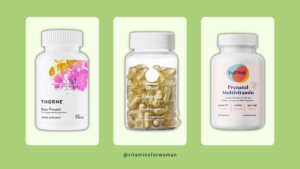
Well-reviewed options include Thorne Basic Prenatal with Folate and Choline, which uses methylfolate and provides a clean, well-dosed formula trusted by many practitioners. If you prefer a gummy format, Nature Made Prenatal Gummies with DHA and Folic Acid are a convenient and widely available choice.
Beyond a prenatal, use month one to identify and address specific deficiencies. Common gaps in women trying to conceive include:
- Vitamin D: Aim for serum levels of 40–60 ng/mL. Deficiency is widespread and linked to impaired implantation and ovulatory dysfunction.
- Iron: Low ferritin is associated with ovulatory infertility. A serum ferritin test through your doctor will clarify your status. Read more on iron deficiency and difficulty getting pregnant.
- Omega-3 DHA: Critical for fetal brain development from the earliest weeks. Most women do not consume enough oily fish to meet needs.
- Iodine: Required for thyroid hormone synthesis, which regulates early fetal neurological development. Many prenatal vitamins under-dose this nutrient.
- Choline: Often overlooked but essential for neural tube development and brain formation, with requirements increasing significantly in pregnancy.
Ask your GP or OB-GYN for a preconception blood panel covering these nutrients before your next cycle begins. Getting baseline data removes guesswork and allows for targeted supplementation.
Month Two: Optimise Egg Quality Through Diet and Targeted Nutrients
Egg quality is one of the most significant factors in conception success and early pregnancy health, and it is not fixed. The three months preceding ovulation represent the maturation window for the egg that will be fertilized — meaning the nutritional environment you create right now directly influences the quality of that egg. This is a powerful and often underappreciated fact.
A Mediterranean-style dietary pattern is the most consistently supported approach in reproductive nutrition research. A 2018 study published in Human Reproduction found that women with higher adherence to a Mediterranean diet had a 65–68% higher probability of achieving pregnancy and live birth through IVF. The dietary principles apply equally to natural conception. Focus on abundant vegetables and fruits, legumes, whole grains, olive oil, nuts, seeds, and cold-water fish. Reduce ultra-processed foods, refined sugars, and trans fats, all of which generate oxidative stress that damages oocytes.
Specific nutrients deserve particular attention for egg quality. Coenzyme Q10 (CoQ10) supports mitochondrial energy production within the egg cell, and its levels decline with age. Zinc is essential for oocyte maturation and the cell division that follows fertilization — explore the evidence at zinc’s role in female reproductive health. Magnesium supports hormonal balance and ovulation, and many women are chronically deficient. Antioxidants including vitamins C and E protect eggs from oxidative damage.
Key dietary and supplement strategies for month two include:
- Add CoQ10 (200–600 mg daily): Particularly important for women over 35 or those with diminished ovarian reserve.
- Prioritize zinc-rich foods: Oysters, pumpkin seeds, beef, and lentils support oocyte maturation and progesterone production.
- Eat the rainbow daily: Aim for at least five different coloured vegetables and fruits to maximize antioxidant diversity.
- Increase healthy fats: Avocado, olive oil, walnuts, and fatty fish reduce inflammation and support hormonal synthesis.
- Limit alcohol entirely: Even moderate alcohol consumption is associated with reduced fecundity and increased risk of early pregnancy loss.
If your cycle is irregular or you have been diagnosed with PCOS, consider additional targeted support. Inositol (particularly myo-inositol) has strong evidence for improving insulin sensitivity, cycle regularity, and egg quality in women with PCOS. Wholesome Story Myo Inositol and D-Chiro Inositol for Hormone Balance is a well-formulated option following the clinically studied 40:1 ratio. For further hormonal support strategies, see our guide on the best fertility supplements for women.
Month Three: Balance Your Hormones and Reproductive Environment
Hormonal balance underpins every stage of the conception process — from follicle development to ovulation to implantation. Yet many women enter the preconception period with subclinical hormonal imbalances they are not aware of. Common disruptors include elevated cortisol from chronic stress, insulin resistance, thyroid dysfunction, and estrogen dominance, all of which can impair fertility without causing obvious symptoms.
Stress management is not optional in preconception care. Elevated cortisol suppresses the hypothalamic-pituitary-ovarian axis, reducing LH pulsatility and potentially inhibiting ovulation. A 2016 study in Human Reproduction found that women with higher levels of alpha-amylase, a biological marker of stress, had a significantly longer time to pregnancy and were twice as likely to meet the clinical definition of infertility. Implementing daily stress-reduction practices — whether breathwork, yoga, walking in nature, or regular sleep — is a genuine clinical priority.
Thyroid health deserves specific attention, as subclinical hypothyroidism is common in reproductive-age women and associated with impaired fertility and increased miscarriage risk. If you have not had a full thyroid panel (TSH, free T3, free T4, and thyroid antibodies) in the past year, request one before trying to conceive. Optimizing TSH below 2.5 mIU/L is the current recommendation for women planning pregnancy.
Sleep quality is another underestimated hormonal lever. Melatonin, produced during deep sleep, has direct antioxidant effects within the follicular fluid surrounding eggs. Disrupted sleep patterns affect leptin, ghrelin, and insulin — all hormones with downstream effects on reproductive function. Aim for seven to nine hours per night, with consistent sleep and wake times that anchor your circadian rhythm. Avoiding screens for 60 minutes before bed and keeping your bedroom cool and dark makes a measurable difference.
Body weight also influences reproductive hormones significantly. Both underweight and overweight status alter estrogen metabolism, disrupt ovulation, and reduce embryo implantation rates. If your BMI is outside the 19–30 range, working with a registered dietitian in the months before conception can meaningfully improve outcomes. Even a 5–10% change in body weight in women with overweight has been shown to restore ovulatory cycles in some cases.
Medical and Lifestyle Steps to Complete Before Trying to Conceive
The three-month preconception window is also the right time to take care of practical medical steps that are harder to address once pregnancy begins. Scheduling a preconception appointment with your OB-GYN or midwife allows you to review your vaccination status, screen for sexually transmitted infections, assess cervical screening currency, and discuss any prescription medications that may need adjustment before conception.
Rubella and varicella immunity should be confirmed, as both infections carry serious risks in early pregnancy and the vaccines cannot be given once you are pregnant. If you are not immune, you will need to wait at least 28 days after vaccination before trying to conceive. Dental health is also relevant — untreated periodontal disease has been linked in research to adverse pregnancy outcomes including preterm birth and low birth weight, making a dental check worthwhile before conception.
Environmental toxin exposure deserves review during this period. Endocrine-disrupting chemicals found in plastics (BPA, phthalates), pesticide residues, and certain household cleaning products can interfere with reproductive hormone signaling. Practical reductions — switching to glass food storage, choosing organic produce for the “dirty dozen,” and using fragrance-free cleaning products — reduce your overall toxic burden without requiring extreme lifestyle changes.
Exercise is supportive of fertility when balanced appropriately. Moderate aerobic activity and strength training improve insulin sensitivity, reduce inflammation, and support mood and sleep quality. However, excessive high-intensity exercise — particularly in women with low body fat — can suppress ovarian function. Aim for 150 minutes of moderate activity per week, including two strength sessions, and pull back on extreme endurance training during this window.
Finally, if you have been using hormonal contraception, be aware that fertility generally returns quickly after stopping most methods. However, some women experience a temporary delay in cycle regularity, particularly after extended use of hormonal IUDs or injections. Tracking your cycle with basal body temperature or ovulation predictor kits beginning in month one gives you valuable baseline data and helps identify your fertile window once you begin trying.
Frequently Asked Questions
When should I start taking a prenatal vitamin before pregnancy?
Ideally, begin a prenatal vitamin at least three months before you plan to conceive. Neural tube closure happens within the first four weeks of pregnancy, often before a positive test, so folate must already be present in adequate amounts at the moment of fertilization.
Can I really improve egg quality in three months?
Yes. Egg maturation takes approximately 90 days before ovulation, meaning the nutritional and hormonal environment you create now directly influences the eggs available for conception. CoQ10, antioxidants, folate, and a Mediterranean diet have the strongest evidence for supporting egg quality.
How does stress affect fertility when trying to conceive?
Chronic stress elevates cortisol, which suppresses reproductive hormones including LH and progesterone. Research shows that women with high biological stress markers take significantly longer to conceive. Daily stress-reduction practices — sleep, movement, and mindfulness — are genuine preconception interventions, not optional extras.
Do I need to see a doctor before trying to get pregnant?
A preconception visit is strongly recommended. Your doctor can check immunity to rubella and varicella, screen for thyroid dysfunction and nutritional deficiencies, review medications, update cervical screening, and provide personalized guidance based on your health history and any underlying conditions.
What foods should I avoid when preparing my body for pregnancy?
Limit alcohol, high-mercury fish (shark, swordfish, king mackerel), ultra-processed foods, and refined sugars. These increase oxidative stress, disrupt insulin signaling, and impair hormonal balance. Focus instead on whole foods, lean proteins, healthy fats, and diverse plant-based nutrients.
A Word From Vitamins For Woman
Learning how to prepare your body for pregnancy in 3 months is one of the most meaningful investments you can make for yourself and your future baby. Starting a high-quality prenatal supplement, nourishing your body with whole foods, addressing hormonal balance, and completing key medical checks gives you the strongest possible foundation. Every small step you take in this window truly matters, and we are here to support you with evidence-based guidance at every stage of your journey.
References
- Gaskins AJ, Chavarro JE. (2018). Diet and fertility: a review. American Journal of Obstetrics and Gynecology. https://pubmed.ncbi.nlm.nih.gov/28844822/
- Lyngsø J, Ramlau-Hansen CH, Bay B, et al. (2017). Association between coffee or caffeine consumption and fecundity and fertility: a systematic review and dose-response meta-analysis. Clinical Epidemiology. https://pubmed.ncbi.nlm.nih.gov/28652828/
- Wesselink AK, Hatch EE, Rothman KJ, et al. (2018). A prospective cohort study of pre-pregnancy use of folic acid supplements and time to pregnancy. Human Reproduction. https://pubmed.ncbi.nlm.nih.gov/29401282/
- Mumford SL, Chavarro JE, Zhang C, et al. (2016). Dietary fat intake and reproductive hormone concentrations and ovulation in regularly menstruating women. American Journal of Clinical Nutrition. https://pubmed.ncbi.nlm.nih.gov/26843151/
- Cooney MA, Pledger C, Jevitt C. (2020). Preconception care: what women know and where they learn it. Journal of Midwifery & Women’s Health. https://pubmed.ncbi.nlm.nih.gov/31997565/