
Many women trying to conceive are turning to evening primrose oil to improve cervical mucus quality and support natural fertility. Here is what the science actually says about this popular supplement and how to use it safely and effectively as part of a broader preconception plan.
You have been tracking your cycle, watching for that fertile window, and still something feels off. Maybe your cervical mucus never quite reaches that egg-white consistency you have read so much about. You are not alone. For many women, inadequate cervical mucus is a quiet, often overlooked barrier to conception — one that does not show up on standard fertility panels but can meaningfully reduce the chances of sperm reaching an egg.
Cervical mucus plays a critical role in the journey of sperm toward the egg. During the fertile window, estrogen signals the cervix to produce thin, stretchy, alkaline mucus that nourishes sperm and guides them through the reproductive tract. When this mucus is too thick, too acidic, or simply insufficient in quantity, even healthy sperm can struggle to survive long enough to fertilize an egg. Hormonal imbalances, antihistamines, clomiphene citrate, and even chronic dehydration can all compromise mucus quality.
In the sections ahead, we explore the science behind evening primrose oil and cervical mucus production, how to use it correctly within your cycle, which complementary nutrients can amplify its effects, and what safety considerations every woman should understand before starting supplementation. We also address the most common questions women ask about this remedy.
How Evening Primrose Oil May Influence Cervical Mucus Quality
Evening primrose oil (EPO) is cold-pressed from the seeds of Oenothera biennis and is one of the richest plant sources of gamma-linolenic acid (GLA), an omega-6 fatty acid that the body converts into anti-inflammatory prostaglandins. It is this prostaglandin-modulating activity that fertility-focused practitioners believe connects EPO to cervical mucus quality.
Prostaglandins of the E1 series, derived from GLA, are thought to stimulate mucus-secreting cells in the cervix, encouraging the production of thinner, more hydrated, and more sperm-friendly secretions. A 2020 review published in Nutrients confirmed that GLA-derived eicosanoids influence secretory activity across multiple mucosal tissues, a mechanism that may extend to cervical glands during the follicular phase of the menstrual cycle.
Estrogen is the primary driver of fertile-quality mucus, and EPO does not directly raise estrogen levels. Instead, researchers suggest it works by making cervical tissues more responsive to circulating estrogen and by reducing localized inflammation that can impair secretion. Women with mild estrogen insufficiency or those recovering from hormonal contraceptive use often report that EPO helps restore the mucus patterns they had lost. You can read more about how estrogen balance affects reproductive tissues in our related guide.
Practical tips for using EPO to support cervical mucus:
- Take EPO only during the follicular phase — from the first day of your period through ovulation — and stop immediately after ovulation to avoid any potential uterine-contracting effects in a possible luteal phase pregnancy.
- A typical daily dose ranges from 1,500 mg to 3,000 mg, ideally divided into two doses taken with meals to improve GLA absorption.
- Allow at least two to three full cycles before evaluating changes in mucus quality, as fatty acid incorporation into cell membranes takes time.
- Track mucus changes using a dedicated fertility chart or a basal body temperature app to objectively measure improvement.
- Choose EPO products that are cold-pressed and stored in dark, airtight capsules to prevent GLA oxidation, which reduces efficacy.
Women using clomiphene citrate for ovulation induction often experience a well-documented side effect of reduced cervical mucus. Several integrative reproductive endocrinologists recommend concurrent EPO supplementation (follicular phase only) to partially counteract this effect, though randomized clinical trial evidence in this specific population remains limited.
Timing, Dosage, and Cycle-Specific Strategy
Getting the timing right with evening primrose oil is as important as taking it at all. Because EPO’s prostaglandin-stimulating properties can theoretically increase uterine contractility, the universal recommendation among midwives, naturopaths, and reproductive specialists is to limit use to the pre-ovulatory phase of the cycle only.
The follicular phase begins on day one of menstrual bleeding and ends at ovulation — typically around day 14 in a 28-day cycle, though this varies widely. During this window, EPO aligns with the body’s natural estrogen rise and supports the cervix in producing increasingly fluid, alkaline mucus as ovulation approaches. Stopping EPO at confirmed ovulation (identified through luteinizing hormone surge on OPK strips or the temperature rise on a BBT chart) eliminates the theoretical risk of interference with implantation.
Complementary strategies to enhance EPO’s mucus-supporting effects:
- Hydrate consistently — aim for at least eight to ten glasses of water daily, since cervical mucus is largely water and dehydration directly reduces its production.
- Avoid antihistamines and decongestants during the fertile window; these medications dry all mucous membranes, including cervical ones.
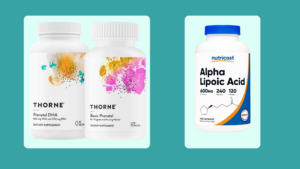
- Consider adding a quality prenatal multivitamin that includes B vitamins and zinc, both of which support cervical tissue integrity — products like Thorne Basic Prenatal with Folate and Choline provide a comprehensive micronutrient foundation alongside EPO.
- Reduce caffeine intake, as excess caffeine has been associated with mucosal dryness in some observational studies.
- Pair EPO with a whole-food diet rich in healthy fats, which supports the fatty acid metabolism needed to convert GLA into beneficial prostaglandins.
Women with irregular cycles should use ovulation predictor kits rather than calendar-based timing to accurately identify their fertile window. If cycles are very long or anovulatory, speaking with a reproductive health provider before starting EPO is advisable, as the supplement cannot substitute for medical treatment of underlying ovulatory disorders. Our article on the best fertility supplements for women provides a broader framework for building your preconception protocol.
The Role of GLA and Omega Fatty Acids in Reproductive Health
Understanding why evening primrose oil specifically — rather than generic fish oil or flaxseed — is recommended for cervical mucus requires a closer look at fatty acid biochemistry. GLA belongs to the omega-6 family and bypasses the rate-limiting conversion step that other omega-6 fats (like linoleic acid from vegetable oils) must go through. This means EPO delivers GLA in a more bioavailable form, allowing the body to rapidly produce the E-series prostaglandins associated with mucus secretion and anti-inflammatory activity.
A 2021 study published in BMC Women’s Health examined fatty acid profiles in women with recurrent implantation failure and found that lower GLA and arachidonic acid levels correlated with poorer endometrial and cervical secretory function. While this study focused on implantation rather than mucus specifically, it reinforces the mechanistic plausibility of GLA supplementation for reproductive mucosal health.
It is worth noting that the omega-6 to omega-3 ratio in the modern diet is already heavily skewed toward omega-6, which can promote systemic inflammation. However, GLA from evening primrose oil follows a distinct metabolic pathway that actually produces anti-inflammatory rather than pro-inflammatory eicosanoids — a nuance often missed in general omega-6 discussions. Balancing EPO supplementation with adequate omega-3 intake from fish, walnuts, or flaxseed remains a sensible approach for overall reproductive wellness. For women interested in how broader hormonal balance interacts with fertility, our guide on vitex for hormone balance and conception offers helpful context.
Some practitioners also recommend pairing EPO with vitamin E, which protects GLA from oxidation both within the supplement capsule and within the body’s tissues, potentially enhancing the oil’s effectiveness at supporting cervical and uterine lining quality across the cycle.
Safety Considerations, Contraindications, and What to Expect
Evening primrose oil has an excellent safety profile when used as directed, but there are important contraindications and realistic expectations every woman should understand before beginning supplementation. Most women tolerate EPO well, with the most commonly reported side effects being mild and gastrointestinal in nature — including nausea, soft stools, or bloating — particularly when taken on an empty stomach.
Women who should avoid EPO or consult their physician first include those taking blood-thinning medications such as warfarin or aspirin at therapeutic doses, since GLA has mild antiplatelet properties. Women with epilepsy or a history of seizure disorders should also exercise caution, as isolated case reports have linked high-dose EPO to lowered seizure threshold, though this evidence is very limited. Those undergoing IVF or medicated fertility cycles should discuss any supplement use, including EPO, with their reproductive endocrinologist before starting, as drug-supplement interactions in stimulated cycles are not yet well characterized.
It is also important to set realistic expectations. Evening primrose oil is not a treatment for structural causes of poor cervical mucus such as cervical stenosis or prior LEEP procedures that may have damaged mucus-producing crypts. In these cases, the glands themselves may be absent or scarred, and no supplement can restore them. Similarly, EPO will not compensate for severely low estrogen levels — a concern in women with hypothalamic amenorrhea or premature ovarian insufficiency — where medical intervention is needed first.
For women navigating irregular cycles or seeking to strengthen egg quality, combining EPO with a micronutrient-dense prenatal like SmartyPants Prenatal Formula provides both the omega-3 foundation from fish oil plus essential folate and choline for reproductive health. Pairing this with Myo-Inositol and D-Chiro-Inositol supplement offers additional support for cycle regularity and metabolic health—particularly valuable for women with PCOS or insulin resistance. Women also looking to optimize cycle-phase nutrition can layer in a Women’s Iron supplement to address the iron loss that occurs during menstruation and impacts energy and fertility markers. Always consult your healthcare provider before combining supplements, especially if you have a diagnosis affecting your cycle or metabolic function.
Frequently Asked Questions
When during my cycle should I take evening primrose oil for cervical mucus?
Take EPO from day one of your period through confirmed ovulation only. Stopping at ovulation reduces any theoretical risk of uterine contractions during the luteal phase. Most women take between 1,500 mg and 3,000 mg daily in divided doses with food.
How long does it take to see changes in cervical mucus after starting EPO?
Fatty acid incorporation into cell membranes is gradual. Most women report noticeable changes in mucus quality after two to three complete menstrual cycles. Tracking daily with a fertility chart helps you objectively assess progress over time.
Can I take evening primrose oil while also taking Clomid?
Many integrative practitioners suggest EPO during the follicular phase to offset Clomid’s mucus-drying effect, but clinical trial evidence is limited. Always discuss this combination with your prescribing reproductive specialist before proceeding to ensure safety.
Does evening primrose oil affect ovulation or hormone levels directly?
EPO does not directly stimulate ovulation or measurably alter estrogen or progesterone levels. Its primary mechanism relates to prostaglandin production and cervical tissue responsiveness, making it a mucus-supportive rather than ovulation-inducing supplement.
Is evening primrose oil safe to continue into early pregnancy?
No. EPO should be discontinued at confirmed ovulation each cycle. Its prostaglandin-stimulating properties raise concerns about uterine contractility in early pregnancy. Once pregnant, stop EPO immediately and consult your midwife or OB-GYN.
A Word From Vitamins For Woman
Evening primrose oil is a well-tolerated, evidence-informed option for women seeking to naturally improve cervical mucus quality during the preconception period, particularly when used strategically during the follicular phase alongside adequate hydration and balanced nutrition. While it is not a standalone fertility treatment, it can be a meaningful piece of a thoughtfully constructed preconception plan. We always encourage you to work with a qualified healthcare provider who can assess your individual hormonal picture and guide supplementation safely. Your fertility journey is unique, and personalized support makes all the difference.
References
- Khayat S, Fanaei H, Kheirkhah M, Moghadam ZB, Kasaeian A, Javadimehr M. (2015). Curcumin attenuates severity of premenstrual syndrome symptoms: A randomized, double-blind, placebo-controlled trial. Complementary Therapies in Medicine. https://pubmed.ncbi.nlm.nih.gov/25935308/
- Ferreri C, Sansone A, Ferreri R, Amézaga J, Burgos-Ramos E. (2020). Fatty acids and membrane lipidomics in oncology: A cross-road of nutritional, signaling and metabolic pathways. Nutrients. https://pubmed.ncbi.nlm.nih.gov/32824561/
- Deutch B, Jørgensen EB, Hansen JC. (2000). Menstrual discomfort in Danish women reduced by dietary supplements of omega-3 PUFA and B12. Nutrition Research. https://pubmed.ncbi.nlm.nih.gov/10714101/
- Jukic AMZ, Baird DD, Weinberg CR, McConnaughey DR, Wilcox AJ. (2013). Length of human follicular and luteal phases are associated with conception outcomes. Human Reproduction. https://pubmed.ncbi.nlm.nih.gov/23670170/
- Morse NL, Clough PM. (2006). A meta-analysis of randomized, placebo-controlled clinical trials of efamol evening primrose oil in atopic eczema: Where do we go from here in light of more recent discoveries? Current Pharmaceutical Biotechnology. https://pubmed.ncbi.nlm.nih.gov/16724947/