
Few experiences test a woman’s emotional resilience like the IVF journey. The injections, the waiting, the ultrasounds, and the heart-in-your-throat moments before every result — it is a process that asks everything of you. If you have found yourself wondering whether there is anything more you can do between appointments to improve your chances, you are not alone. Many women in the same position quietly search for every edge they can find, and nutritional support is one area where emerging science offers genuine hope.
IVF outcomes are influenced by a complex web of biological factors: egg quality, sperm health, endometrial receptivity, hormonal balance, mitochondrial function, and inflammation levels all play critical roles. Nutritional deficiencies and oxidative stress — often driven by modern diet patterns, environmental exposures, and age-related changes — can silently undermine each of these factors before a retrieval cycle even begins. Addressing these root causes through targeted supplementation is not about replacing medical treatment; it is about creating the most fertile internal environment possible.
In this article, you will find a science-informed breakdown of the key supplements to support IVF success rates, including antioxidants for egg quality, nutrients for endometrial health, and timing strategies to get the most from your protocol. We will also share practical tips and link to additional resources across our fertility library so you can build a comprehensive pre-IVF plan.
Antioxidants and Mitochondrial Support for Egg Quality
Egg quality is arguably the single most important determinant of IVF success, and oxidative stress is one of its greatest enemies. Reactive oxygen species accumulate in ovarian follicles and can damage oocyte DNA, impair spindle formation during meiosis, and reduce mitochondrial energy output — all of which compromise fertilisation and embryo development. Antioxidant supplementation works by neutralising these free radicals before they cause irreversible cellular damage.
Coenzyme Q10 (CoQ10) is among the most extensively studied supplements in this context. A 2018 randomised controlled trial published in the Journal of Clinical Medicine found that CoQ10 supplementation significantly improved ovarian response and embryo quality in poor responders. CoQ10 supports mitochondrial ATP production within oocytes — critical energy that drives fertilisation and early cell division. Most fertility specialists recommend 400–600 mg daily starting at least 60–90 days before retrieval, as eggs take approximately three months to mature. You can learn more about selecting the right form on our page about the best CoQ10 supplements for fertility.
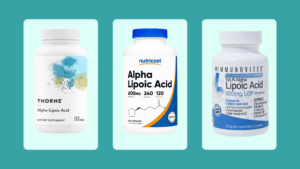
Vitamin E and vitamin C work synergistically to protect follicular fluid from lipid peroxidation, while N-acetyl cysteine (NAC) boosts intracellular glutathione — the body’s master antioxidant. Alpha-lipoic acid provides both fat- and water-soluble antioxidant coverage. For women with diminished ovarian reserve, DHEA supplementation (under medical supervision) has shown promise in improving oocyte yield and embryo quality, a topic explored in depth in our article on DHEA for diminished ovarian reserve.
- Start CoQ10 (ubiquinol form) 60–90 days before your retrieval cycle at a dose of 400–600 mg daily for maximum mitochondrial benefit.
- Pair vitamin C (500–1000 mg) with vitamin E (400 IU) daily to create synergistic antioxidant protection in follicular fluid.
- Consider NAC (600 mg daily) to raise glutathione levels, particularly if you have PCOS or elevated inflammatory markers.
- Ask your reproductive endocrinologist about DHEA if you have been diagnosed with diminished ovarian reserve or poor response in prior cycles.
- Eat antioxidant-rich whole foods alongside supplementation — dark berries, leafy greens, and walnuts amplify the effects of your supplement stack.
Folate, B Vitamins, and Methylation Support During IVF
The methylation cycle — a fundamental biochemical process that influences DNA repair, gene expression, and cell division — is entirely dependent on adequate B vitamin status. During IVF, when the goal is to produce chromosomally normal embryos, this cycle must function optimally. Folate (as methylfolate rather than synthetic folic acid) is the cornerstone nutrient, but it cannot work effectively without its cofactors: B12, B6, choline, and riboflavin.
A landmark study published in Nutrients (2019) confirmed that women with the MTHFR gene variant — which impairs folic acid conversion — have significantly better reproductive outcomes when supplementing with the active 5-methyltetrahydrofolate (5-MTHF) form. Given that approximately 40% of the population carries some form of this polymorphism, choosing methylated folate is a prudent choice for most IVF patients, especially since many may not know their MTHFR status. Our detailed comparison of folate vs folic acid when trying to conceive covers this distinction in full.
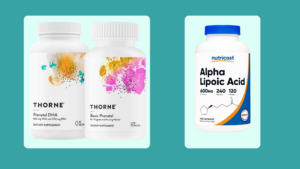
Vitamin B12 deficiency is associated with impaired oocyte maturation, poor embryo quality, and recurrent implantation failure. B6 supports progesterone production during the luteal phase, which is critical for endometrial preparation after transfer. Choline — often overlooked in prenatal formulas — plays a central role in neural tube formation and placental development from the earliest days after implantation. A high-quality prenatal such as Thorne Basic Prenatal with Folate and Choline provides these nutrients in their most bioavailable forms, making it an excellent foundation for an IVF supplement protocol.
- Choose a prenatal with 5-MTHF (methylfolate) rather than synthetic folic acid, particularly if you have not been tested for the MTHFR gene variant.
- Aim for at least 600 mcg of methylfolate daily, with some IVF protocols recommending up to 1000 mcg during the stimulation phase.
- Ensure adequate B12 (at least 2.4–1000 mcg depending on dietary intake) to support oocyte maturation and embryo chromosomal integrity.
- Supplement choline (450 mg daily) if your prenatal does not contain it — egg yolks, salmon, and beef liver are rich dietary sources.
- Consider a standalone B-complex alongside your prenatal if you are vegetarian or vegan, as B12 deficiency is common and can take months to correct.
Omega-3 Fatty Acids and Endometrial Receptivity
For an IVF cycle to succeed, a healthy embryo must implant in a receptive uterine lining. Omega-3 fatty acids — specifically EPA and DHA from marine sources — play a multi-faceted role in preparing the endometrium for this critical event. They modulate prostaglandin production, reduce uterine inflammation, improve blood flow to the endometrial vasculature, and support the hormonal signalling pathways that coordinate the implantation window.
A 2022 prospective cohort study published in Fertility and Sterility found that higher follicular fluid DHA concentrations were positively associated with embryo quality and clinical pregnancy rates in women undergoing IVF. This finding builds on earlier research demonstrating that omega-3 intake correlates with improved endometrial thickness and reduced rates of implantation failure. The standard evidence-based dose for fertility support is 1000–2000 mg of combined EPA and DHA daily, ideally from a triglyceride-form fish oil for superior absorption.
Beyond implantation, omega-3s help regulate immune tolerance at the maternal-fetal interface, which may reduce the risk of the immune-mediated embryo rejection thought to underlie some cases of recurrent implantation failure. They also support fetal brain and eye development from the earliest stages of pregnancy, making them a supplement worth maintaining throughout pregnancy. Women who follow a plant-based diet can meet DHA needs through algae-based omega-3 supplements, which bypass the fish entirely while still delivering preformed DHA directly. For those exploring the full landscape of nutritional support, our guide to the best fertility supplements for women offers a broader evidence review across multiple nutrient categories.
Vitamin D, Melatonin, and Hormonal Priming Before Transfer
Vitamin D is far more than a bone health nutrient — it functions as a steroid hormone with receptors throughout the reproductive system, including in ovarian follicles, the endometrium, and the placenta. Research consistently links vitamin D deficiency with poorer IVF outcomes. A meta-analysis published in Human Reproduction Update (2020) found that women with sufficient vitamin D levels had significantly higher clinical pregnancy and live birth rates compared to those who were deficient, with an odds ratio approaching 1.5 for positive outcomes in sufficient women.
Most fertility specialists now recommend testing 25(OH)D levels prior to an IVF cycle and supplementing to achieve a serum level of at least 40–60 ng/mL. Standard supplementation doses range from 2000–4000 IU daily, though women with significant deficiency may require higher therapeutic doses under medical supervision. Pairing vitamin D with vitamin K2 improves both safety and efficacy by directing calcium appropriately and supporting vascular function.
Melatonin has emerged as a fascinating IVF supplement in recent years. Follicular fluid contains high concentrations of melatonin, which acts as a potent local antioxidant protecting oocytes from oxidative damage during the vulnerable follicular development phase. A 2013 randomised trial published in the Journal of Ovarian Research found that 3 mg of melatonin nightly improved fertilisation rates and oocyte quality in poor responders. For women with poor egg quality history or advanced maternal age, melatonin supplementation timed to the stimulation phase is increasingly being incorporated into integrative IVF protocols. A comprehensive prenatal like Ritual Essential for Women Prenatal Multivitamin provides a clean, traceable foundation of key micronutrients to support this phase, while individual targeted supplements can be layered on top. Women who want to understand implantation support in deeper detail will find our dedicated guide on supplements that help with implantation especially useful alongside this framework. For those building a full preconception protocol, beginning at least three months before retrieval — as detailed in our article on how to prepare your body for pregnancy in 3 months — gives all nutritional interventions the best chance to take effect.
Frequently Asked Questions
How far in advance should I start taking supplements before an IVF cycle?
Most fertility specialists recommend beginning a targeted supplement protocol at least 90 days before your retrieval cycle. This timeline aligns with the three-month maturation period of oocytes, allowing nutrients like CoQ10 and folate adequate time to exert meaningful improvements in egg quality and methylation function.
Can supplements interfere with IVF medications or protocols?
Some supplements can interact with IVF medications or affect hormone levels. Always disclose your full supplement regimen to your reproductive endocrinologist before starting a cycle. High-dose vitamin E, fish oil, and certain herbal supplements may need to be paused prior to egg retrieval due to effects on bleeding or hormone signalling.
Is CoQ10 really worth taking for IVF, or is it overhyped?
CoQ10 has arguably the strongest evidence base among IVF-specific supplements, particularly for women over 35 or those with poor ovarian response. Multiple randomised controlled trials support its role in improving ovarian stimulation outcomes and embryo quality by enhancing mitochondrial function within oocytes.
Do I need a special prenatal vitamin for IVF, or will a standard one suffice?
Standard prenatals often contain synthetic folic acid and lower doses of key nutrients like choline, B12, and vitamin D. For IVF, a high-quality prenatal containing methylfolate, choline, and adequate vitamin D — ideally combined with targeted add-on supplements — is generally preferred over a basic over-the-counter option.
Can my partner’s supplement intake affect IVF outcomes?
Absolutely. Sperm quality significantly influences fertilisation rates, embryo grading, and miscarriage risk. Male partners benefit from antioxidants (CoQ10, vitamin C, vitamin E, zinc, selenium) and omega-3s for at least 90 days before sperm collection, as this encompasses a full spermatogenesis cycle of approximately 74 days.
A Word From Vitamins For Woman
Navigating IVF is one of the most demanding journeys a woman can undertake, and we believe nutritional preparation deserves the same attention as every other aspect of your protocol. The supplements to support IVF success rates discussed in this article are grounded in peer-reviewed evidence and represent a meaningful opportunity to optimise your biological readiness for treatment. Always work in partnership with your reproductive endocrinologist before adding or adjusting any supplement, as personalised guidance based on your bloodwork and medical history will always be superior to a generic approach. You deserve every possible advantage, and we are here to help you build it.
References
- Xu Y et al. (2018). Pretreatment with coenzyme Q10 improves ovarian response and embryo quality in low-prognosis young women with decreased ovarian reserve. Journal of Clinical Medicine. https://pubmed.ncbi.nlm.nih.gov/30042333/
- Gaskins AJ et al. (2022). Dietary omega-3 fatty acids and outcomes of assisted reproductive technologies. Fertility and Sterility. https://pubmed.ncbi.nlm.nih.gov/35483929/
- Chu J et al. (2020). Vitamin D and assisted reproductive treatment outcome: a systematic review and meta-analysis. Human Reproduction Update. https://pubmed.ncbi.nlm.nih.gov/31398225/
- Tamura H et al. (2013). Melatonin and female reproduction. Journal of Ovarian Research. https://pubmed.ncbi.nlm.nih.gov/23819836/
- Salas-Huetos A et al. (2019). Dietary patterns, foods and nutrients in male fertility parameters and fecundability. Nutrients. https://pubmed.ncbi.nlm.nih.gov/31159491/