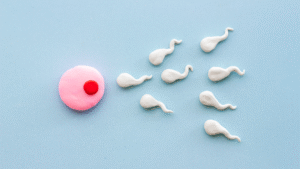

You have done everything right — you built your career, found your partner, created a stable life — and now, at 40 or beyond, you are ready to grow your family. But somewhere between the hope and the trying, a quiet fear creeps in: is it too late? If you have been searching for answers, you are not alone. Millions of women over 40 are asking the very same questions, and the good news is that science has more encouraging answers than ever before.
The most significant challenge to fertility after 40 is not simply egg quantity — it is egg quality. As women age, eggs are more susceptible to oxidative stress, mitochondrial dysfunction, and chromosomal errors. Declining levels of key nutrients, hormonal shifts, and cumulative environmental exposures all accelerate this process. Understanding these root causes is the first step toward addressing them in a meaningful, targeted way.
In the sections ahead, you will find a practical, research-backed roadmap covering the most effective supplements for egg health, the dietary patterns that protect oocyte integrity, the lifestyle factors that matter most, and the emerging strategies that reproductive medicine is paying close attention to. Whether you are trying naturally or preparing for IVF, this guide is for you.
Key Supplements That Support Egg Quality After 40
Nutritional deficiencies are surprisingly common in women over 40, and several nutrients play a direct role in oocyte development, mitochondrial energy production, and protection against oxidative damage. Targeted supplementation — guided by a healthcare provider — is one of the most evidence-based strategies available.
Coenzyme Q10 (CoQ10) is arguably the most researched supplement for egg quality. Eggs require enormous amounts of mitochondrial energy to complete meiosis correctly, and CoQ10 is central to that process. A 2018 trial published in Aging found that CoQ10 supplementation improved ovarian response and fertilisation rates in older women undergoing IVF. Ubiquinol, the active form, is better absorbed and often recommended at doses of 400–600 mg daily. You can read more about choosing the right formula in our guide to the best CoQ10 supplements for fertility.
DHEA (dehydroepiandrosterone) has been studied specifically in women with diminished ovarian reserve. Research suggests it may support the androgen environment that early follicles need to mature. Our overview of DHEA supplementation for diminished ovarian reserve covers dosage, timing, and who may benefit most.
Methylfolate (the bioavailable form of folate) is essential for DNA synthesis and repair within the egg. Women over 40 are more likely to carry MTHFR gene variants that impair folic acid conversion, making methylfolate the preferred form. A quality prenatal with methylfolate — such as Thorne Basic Prenatal with Folate and Choline — provides a well-rounded foundation for preconception nutrition.
- CoQ10 (ubiquinol form): 400–600 mg daily to support mitochondrial energy in eggs
- Methylfolate: at least 400–800 mcg daily, particularly important if you have MTHFR variants
- DHEA: 25–75 mg daily under medical supervision for diminished ovarian reserve
- Vitamin D3: optimal levels (50–80 nmol/L) are associated with better IVF outcomes
- Omega-3 fatty acids: DHA and EPA reduce inflammation and support follicular membrane integrity
A comprehensive prenatal multivitamin can help cover multiple bases simultaneously. The Ritual Essential for Women Prenatal Multivitamin is a well-regarded option that includes methylated folate, omega-3 DHA, and vitamin D3 in clinically relevant doses, formulated with transparency about ingredient sourcing.
Diet and Antioxidant Strategies to Protect Oocyte Health
What you eat in the months before conception directly influences the environment in which your eggs mature. A follicle takes approximately 90 days to develop to the point of ovulation, which means dietary changes made today can meaningfully affect egg quality within three months. This 90-day window is one of the most empowering concepts in fertility nutrition.
The Mediterranean diet consistently outperforms other dietary patterns in fertility research. A study published in Human Reproduction found that women following a Mediterranean-style diet had significantly higher clinical pregnancy rates during IVF. This pattern emphasises olive oil, colourful vegetables, legumes, whole grains, fatty fish, and moderate dairy — all of which provide antioxidants, healthy fats, and anti-inflammatory compounds that protect developing eggs from oxidative damage.
Antioxidants are particularly important after 40 because oxidative stress — the imbalance between free radicals and the body’s ability to neutralise them — increases with age and is a primary driver of chromosomal errors in eggs. Key dietary antioxidants include vitamin C (citrus, peppers, kiwi), vitamin E (nuts, seeds, avocado), selenium (Brazil nuts, fish), and beta-carotene (sweet potato, leafy greens). Polyphenols from berries, green tea, and dark chocolate provide additional protection at the cellular level.
Equally important is what to reduce. Ultra-processed foods, refined carbohydrates, trans fats, and excessive alcohol all elevate systemic inflammation and oxidative stress. Research links high glycaemic diets with poorer IVF outcomes, likely because blood sugar spikes increase advanced glycation end-products that damage cellular proteins — including those within the egg. Reducing sugar and refined carbs is one of the most impactful dietary shifts you can make.
- Follow a Mediterranean-style diet: emphasise olive oil, fatty fish, colourful vegetables, and legumes
- Prioritise antioxidant-rich foods: berries, leafy greens, nuts, seeds, and colourful produce daily
- Include protein at every meal: adequate protein supports follicle-stimulating hormone sensitivity
- Reduce ultra-processed foods and refined sugar: these elevate inflammation and oxidative stress
- Consider a preconception detox period: see our guide to preconception detox supplements for women for a structured approach
Lifestyle Factors That Directly Influence Egg Quality
Supplements and diet create the nutritional foundation, but daily lifestyle choices determine the hormonal environment in which your eggs develop. Three factors stand out in the research as having an outsized impact on oocyte health after 40: sleep, stress, and movement.
Sleep is when the body performs the deepest cellular repair. Melatonin — produced primarily at night — is not just a sleep hormone; it is one of the most potent antioxidants in the follicular fluid surrounding developing eggs. Studies show that melatonin concentration in follicular fluid correlates positively with fertilisation rates and embryo quality. Women who sleep fewer than seven hours per night show measurable disruptions in reproductive hormone rhythms, including altered LH surges and shortened luteal phases. Prioritising seven to nine hours of quality sleep is one of the simplest, most cost-effective interventions available.
Chronic stress suppresses the hypothalamic-pituitary-ovarian axis — the hormonal communication network that governs ovulation and follicle development. Elevated cortisol blunts LH signalling, can delay or prevent ovulation, and increases inflammation throughout the body. Mind-body practices with the strongest evidence base include yoga, mindfulness meditation, and acupuncture. A 2015 study in Fertility and Sterility found that women who participated in a mind-body programme during IVF had significantly higher pregnancy rates compared with controls.
Exercise occupies a nuanced middle ground. Moderate, consistent physical activity — 150 minutes per week of brisk walking, swimming, or cycling — reduces inflammation, improves insulin sensitivity, and supports healthy weight, all of which benefit follicular health. However, extreme endurance exercise or very high-intensity training can suppress ovarian function by creating a relative energy deficiency. After 40, the sweet spot is regular, varied movement without excessive training loads.
Environmental toxins deserve mention here as well. Bisphenol A (BPA), phthalates, and pesticide residues are endocrine disruptors that interfere with ovarian steroidogenesis. Switching to glass food storage, choosing organic produce for the “dirty dozen,” and filtering drinking water are practical steps that reduce your cumulative chemical burden — and protect the 90-day follicular development window.
Emerging and Integrative Approaches Worth Knowing About
Beyond the established pillars of nutrition, supplements, and lifestyle, a second tier of evidence-supported strategies is attracting serious attention from reproductive specialists. These are not fringe ideas — they are approaches backed by peer-reviewed research that may offer additional benefit, particularly for women who have not responded fully to conventional interventions.
Myo-inositol is a naturally occurring compound that improves insulin receptor sensitivity in ovarian cells and has been shown to improve oocyte quality in women with PCOS and in older women undergoing IVF. A 2015 meta-analysis in Reproductive BioMedicine Online found that myo-inositol supplementation significantly improved the number of mature oocytes and top-quality embryos. The Wholesome Story Myo-Inositol and D-Chiro Inositol supplement provides the 40:1 ratio most studied in clinical trials, making it a convenient option for women exploring this pathway.
N-acetyl cysteine (NAC) is a precursor to glutathione — the body’s master antioxidant — and supports detoxification pathways that protect eggs from oxidative damage. It is particularly relevant for women with endometriosis or unexplained infertility, where oxidative stress in the pelvic environment may compromise egg quality. You can explore the research further in our article on N-acetyl cysteine for PCOS and fertility.
Royal jelly contains a unique protein called royalactin that may stimulate ovarian function, and small studies suggest it can improve AMH levels and follicle counts in women with diminished ovarian reserve. While larger trials are needed, it is a low-risk addition that some reproductive endocrinologists now recommend. Acupuncture has a growing evidence base as well, with several randomised controlled trials showing improvements in ovarian blood flow and uterine receptivity when sessions are timed to the follicular phase.
Finally, working with a reproductive endocrinologist to test AMH, antral follicle count, and key nutrient levels (vitamin D, ferritin, thyroid function) gives you a personalised map of where to focus your efforts. Understanding your specific starting point — rather than following a generic protocol — is what transforms these strategies from hopeful guesses into targeted, effective interventions.
Frequently Asked Questions
Can egg quality actually be improved after 40, or is age the only factor?
Age affects egg quality, but it is not the only determinant. Oxidative stress, nutritional deficiencies, and lifestyle factors are modifiable. Research shows that targeted interventions — including CoQ10, dietary changes, and stress reduction — can measurably improve mitochondrial function and reduce chromosomal errors in eggs.
How long does it take for supplements to improve egg quality?
Because a follicle takes approximately 90 days to develop, most experts recommend committing to a supplement and lifestyle protocol for at least three months before evaluating outcomes. Consistency over this window is more important than any single intervention taken briefly.
Is CoQ10 the most important supplement for egg quality after 40?
CoQ10 has the strongest evidence base specifically for egg quality, particularly for mitochondrial energy support. However, it works best as part of a complete protocol that includes methylfolate, omega-3s, vitamin D, and a high-quality prenatal multivitamin tailored to preconception needs.
Does low AMH mean I cannot improve my egg quality?
Low AMH reflects reduced egg quantity, not necessarily quality. Women with low AMH can still conceive with healthy eggs. Targeted nutrition, CoQ10, DHEA (under medical guidance), and stress reduction may support the eggs that remain. Our article on low AMH and natural supplement support covers this topic in depth.
Are there foods I should specifically avoid to protect egg quality?
Yes. Ultraprocessed foods, trans fats, high-sugar foods, and excessive alcohol are consistently associated with poorer reproductive outcomes. BPA from plastics and pesticide residues on non-organic produce also act as endocrine disruptors that can interfere with follicular development and should be minimised where possible.
A Word From Vitamins For Woman
Improving egg quality after 40 naturally is not about a single magic supplement — it is about creating the most nourishing internal environment possible during the critical 90-day follicular development window. The evidence is genuinely encouraging: targeted nutrition, strategic supplementation, quality sleep, stress management, and reduced toxin exposure can all shift the odds meaningfully in your favour. We encourage you to work alongside a reproductive specialist who can personalise these strategies to your unique hormonal profile, because you deserve care that is as individual as your fertility journey.
References
- Bentov Y, Casper RF. (2013). The aging oocyte — can mitochondrial function be improved? Fertility and Sterility. https://pubmed.ncbi.nlm.nih.gov/23375199/
- Chiu YH et al. (2018). Diet and female fertility: doctor, what should I eat? Fertility and Sterility. https://pubmed.ncbi.nlm.nih.gov/30396641/
- Xu Y et al. (2018). Pretreatment with coenzyme Q10 improves ovarian response and embryo quality in low-prognosis young women with decreased ovarian reserve. Frontiers in Endocrinology. https://pubmed.ncbi.nlm.nih.gov/30158903/
- Unfer V et al. (2012). Myo-inositol rather than D-chiro-inositol is the physiological inositol for normal ovarian function. European Review for Medical and Pharmacological Sciences. https://pubmed.ncbi.nlm.nih.gov/23111962/
- Schwarze JE et al. (2018). DHEA use to improve likelihood of IVF/ICSI success in patients with diminished ovarian reserve: a systematic review and meta-analysis. JBRA Assisted Reproduction. https://pubmed.ncbi.nlm.nih.gov/29303234/