You have been doing everything right — eating well, tracking your cycle, maybe even reading everything you can find about fertility. But something still feels off, and you cannot quite put your finger on it. For many women, the missing piece is not another supplement added to the pile — it is clearing out what should not be there in the first place. A thoughtful preconception detox can shift your body from survival mode into genuine readiness for conception, and that shift can make an enormous difference.
Modern life exposes women to a steady stream of endocrine-disrupting chemicals, heavy metals, pesticide residues, and synthetic hormones from plastics, food packaging, cosmetics, and even drinking water. These compounds accumulate in fatty tissue, interfere with estrogen signaling, impair egg quality, and burden the liver — the organ most responsible for clearing spent hormones from circulation. Research published in Environmental Health Perspectives has linked elevated phthalate and BPA exposure to reduced ovarian reserve and longer time to conception, making detoxification support a genuine clinical priority rather than a wellness trend.
In this guide, you will learn which nutrients and botanicals have the strongest evidence behind them for preconception detoxification, how to use them safely in the months before trying to conceive, what lifestyle foundations amplify their effects, and which red flags to watch for when choosing a detox product. We will also answer the most common questions women ask before starting a preconception cleanse.
Why Detox Support Matters Before Conception
The concept of a preconception detox is not about juice fasting or extreme cleanses. It is about giving your liver, gut, and lymphatic system the specific micronutrients they need to do their jobs more efficiently during the three to four months before you begin trying to conceive. Egg maturation takes approximately 90 days, meaning the nutritional and toxic environment your body is in right now is directly shaping the quality of the eggs that will be released three months from today.
The liver processes estrogen through two main phases. Phase I converts active estrogens into intermediate metabolites, and Phase II conjugates those metabolites so they can be excreted safely. When either phase is sluggish — due to nutrient depletion, alcohol, poor sleep, or accumulated toxins — estrogen recirculates in the bloodstream, creating the hormonal imbalance pattern known as estrogen dominance. This is linked to heavy periods, fibroids, endometriosis, and implantation difficulties.
Supporting detox pathways also benefits the gut microbiome. An imbalanced microbiome allows an enzyme called beta-glucuronidase to deconjugate estrogens in the colon, sending them back into circulation. Probiotic and fiber support during the preconception window can reduce this reabsorption significantly.
- Start three to four months before trying to conceive to align with the full egg maturation cycle.
- Prioritize liver Phase II support with methylation cofactors like folate, B6, B12, and magnesium.
- Address gut health simultaneously to prevent estrogen recirculation via the enterohepatic pathway.
- Reduce external toxin exposure by switching to fragrance-free personal care products and filtering drinking water.
- Avoid aggressive herbal detox protocols that are not designed for preconception and may disrupt hormones further.
Women with PCOS, endometriosis, or a history of hormonal birth control use may benefit most from a structured preconception detox period. Studies suggest that N-acetyl cysteine — a precursor to glutathione, the body’s master antioxidant — can reduce oxidative stress and improve ovulation in women with PCOS, making it one of the most evidence-supported preconception detox ingredients available.
The Best Preconception Detox Supplements for Women
Not all detox supplements are appropriate during the preconception window. Some aggressive herbal blends contain compounds that may interfere with ovulation or implantation. The following ingredients have robust safety profiles alongside mechanistic evidence for supporting the body’s natural clearance pathways before pregnancy.
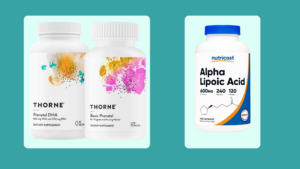
Methylfolate and activated B vitamins are foundational. Folate supports the methylation cycle, which is central to Phase II liver detoxification. Choosing methylfolate (5-MTHF) rather than synthetic folic acid is especially important for women with MTHFR gene variants. You can read more about this distinction in our guide to folate vs. folic acid when trying to conceive. A high-quality prenatal that includes methylfolate — such as Thorne Basic Prenatal with Folate and Choline — covers this base while also providing choline, a nutrient critical for early neural tube development.
DIM (diindolylmethane) is a compound derived from cruciferous vegetables that promotes the conversion of estrogen into less potent, more easily excreted metabolites. Research published in Nutrition and Cancer shows DIM shifts estrogen metabolism toward the favorable 2-hydroxyestrone pathway. Products like Pure Encapsulations DIM Detox Women’s Hormone Support provide a clinically relevant dose alongside supporting cofactors.
Milk thistle (silymarin) is one of the most extensively studied hepatoprotective botanicals, shown to support liver cell regeneration and reduce oxidative damage. Magnesium participates in over 300 enzymatic reactions including those involved in glutathione synthesis and hormone regulation. Zinc supports both detoxification enzyme activity and progesterone production in the second half of the cycle.
- Methylfolate (400–800 mcg/day) — activates methylation and supports Phase II liver detox.
- DIM (100–200 mg/day) — promotes healthy estrogen metabolism toward less potent metabolites.
- N-acetyl cysteine (600 mg/day) — raises glutathione, the primary intracellular antioxidant and detox molecule.
- Milk thistle standardized to 70–80% silymarin — protects liver cells and supports bile flow for toxin excretion.
- Magnesium glycinate (200–400 mg/day) — cofactor for glutathione synthesis and hormonal enzyme function.
For women who prefer an integrated hormonal support formula during this phase, Happy Healthy Hippie Go With The Flow Hormone Balance for Women combines several of these botanicals in one convenient daily supplement, making compliance easier during a busy preconception preparation period.
How Gut Health Amplifies Preconception Detox
The gut is the second major exit route for toxins and spent hormones, and its health is inseparable from reproductive outcomes. The “estrobolome” — the collection of gut bacteria that metabolize estrogens — has become a serious focus of reproductive endocrinology research. When the gut microbiome is dysbiotic, elevated levels of the enzyme beta-glucuronidase deconjugate estrogen-glucuronide compounds in the colon, allowing free estrogens to be reabsorbed rather than excreted. This single mechanism can significantly drive estrogen dominance even when the liver is functioning optimally.
A 2019 study in the Journal of Clinical Endocrinology and Metabolism found measurable correlations between gut microbiome diversity and circulating estrogen levels in premenopausal women, confirming that the estrobolome is not a theoretical concept but a clinically relevant pathway. For women preparing to conceive, supporting a balanced microbiome is therefore as important as taking folate.
Probiotic supplementation with strains from the Lactobacillus and Bifidobacterium families has been shown to reduce beta-glucuronidase activity and support healthy bowel transit, both of which reduce estrogen recirculation. Pairing probiotics with prebiotic fiber — particularly from sources like inulin, psyllium, and ground flaxseed — feeds beneficial bacteria and further supports bile acid excretion of conjugated hormones.
Cruciferous vegetables (broccoli, kale, Brussels sprouts) deserve special mention because they contribute both fiber and glucosinolates, the precursors to DIM and indole-3-carbinol. Aiming for at least two to three servings per day during the preconception window is a dietary strategy with meaningful mechanistic support. Ground flaxseed adds lignans that further modulate estrogen receptor binding. Together, these dietary choices work synergistically with detox supplementation rather than substituting for it.
Women who have recently discontinued hormonal birth control may find gut health support especially valuable. The pill alters microbiome composition and depletes several B vitamins and zinc, meaning the post-pill period often requires active restoration of both nutrient status and gut flora before conception attempts are likely to succeed. Our overview of how to prepare your body for pregnancy in three months outlines a practical timeline for this recovery phase.
Safety, Timing, and What to Avoid
Timing is everything with preconception detox supplementation. The optimal window is three to four months before you begin actively trying to conceive — long enough to meaningfully reduce toxic burden and restore nutrient reserves, but with enough of a gap that any aggressive detox activity is complete before implantation becomes a possibility. Once you begin trying to conceive, the protocol should shift from active detoxification toward nourishing and protective supplementation, with a high-quality prenatal at its core.
Several popular detox ingredients are not appropriate in the preconception window. Wormwood, black walnut, and high-dose clove preparations are sometimes found in commercial cleanse products but have insufficient safety data for women planning pregnancy. High-dose licorice root can raise cortisol and disrupt the HPA axis. Activated charcoal, while trendy, can bind and deplete nutrients including folate and zinc — the very nutrients you are trying to build up. Always scrutinize ingredient lists carefully and choose supplements that have been specifically formulated with preconception safety in mind.
Heavy metal detox protocols deserve particular caution. While reducing heavy metal burden is a legitimate goal before conception — lead, mercury, cadmium, and arsenic all impair egg quality and early embryo development — aggressive chelation protocols are not appropriate outside of clinical supervision. Dietary strategies such as increasing sulfur-rich foods (garlic, onions, eggs), chlorella, and cilantro offer gentler support. Ensuring adequate selenium, zinc, and vitamin C status also helps the body’s natural metallothionein system sequester and excrete metals safely. For more on selenium’s role in reproductive health, see our article on selenium and thyroid health for conception.
Women with thyroid conditions, autoimmune disease, or a history of liver disease should consult their healthcare provider before beginning any detox supplementation protocol, as some botanical ingredients interact with thyroid hormone metabolism and medication clearance. For the majority of healthy women, however, a nutrient-based preconception detox using the ingredients outlined in this article represents a safe, evidence-informed strategy for optimizing reproductive health before pregnancy. Starting a quality prenatal like New Chapter Prenatal Vitamins Organic Non GMO during this window ensures that critical nutrients are building up in your system well before conception occurs.
Frequently Asked Questions
How long before trying to conceive should I start a preconception detox?
Ideally, begin three to four months before actively trying to conceive. This aligns with the full 90-day egg maturation cycle, allowing your detox efforts to directly improve the quality of the eggs you will ovulate during your conception attempts.
Can I take DIM supplements if I am trying to get pregnant?
DIM is best used during the active detox phase — three to four months before conception attempts. Its estrogen-modulating effects may theoretically interfere with the hormonal shifts needed for implantation, so most practitioners recommend tapering off DIM once you begin actively trying to conceive.
Is it safe to do a preconception detox with PCOS?
Yes, and women with PCOS may benefit most. Supplements like N-acetyl cysteine, magnesium, and inositol have strong evidence for PCOS specifically. Always work with a healthcare provider to personalize your protocol based on your specific hormonal profile and current medications.
Will a preconception detox improve egg quality?
Targeted detox support can reduce oxidative stress and improve the hormonal environment during egg maturation. Combined with CoQ10 and adequate antioxidant intake, this approach has plausible mechanisms for supporting egg quality, particularly in women over 35 or with elevated toxin exposure.
Do I need a full detox cleanse or can I just take individual supplements?
Individual targeted supplements with evidence behind them are generally safer and more effective than commercial cleanse kits during preconception. Many cleanse products contain unstudied combinations of herbs that are not appropriate before pregnancy. Stick to well-researched, single-ingredient or professionally formulated preconception products.
A Word From Vitamins For Woman
A thoughtful approach to preconception detox supplements for women is not about extreme protocols — it is about giving your body the specific nutritional tools it needs to clear hormonal waste, reduce toxic burden, and build the reserves that support a healthy conception and early pregnancy. The three months before you begin trying to conceive are genuinely some of the most influential months of your future child’s life. Always work with a qualified healthcare provider to tailor any supplementation plan to your individual health history, current lab values, and reproductive goals.
References
- Bloom MS et al. (2019). Associations between urinary phthalate metabolites, bisphenol A, and reproductive hormones in women. Environmental Research. https://pubmed.ncbi.nlm.nih.gov/30665063/
- Plottel CS, Blaser MJ (2011). Microbiome and the estrobolome: estrogen metabolism and its impact on cancer risk. Science Translational Medicine. https://pubmed.ncbi.nlm.nih.gov/22030746/
- Auborn KJ et al. (2003). Indole-3-carbinol is a negative regulator of estrogen. Journal of Nutrition. https://pubmed.ncbi.nlm.nih.gov/14608118/
- Legro RS et al. (2015). Letrozole versus clomiphene for infertility in polycystic ovary syndrome. New England Journal of Medicine. https://pubmed.ncbi.nlm.nih.gov/25006718/
- Gaskins AJ, Chavarro JE (2018). Diet and fertility: a review. American Journal of Obstetrics and Gynecology. https://pubmed.ncbi.nlm.nih.gov/27474304/