If you are looking for natural ways to boost ovulation, you are not alone. Millions of women navigate irregular cycles, unexplained delays in conception, and the quiet frustration of not knowing why their body is not responding the way they hoped.
Ovulation is a finely choreographed event that depends on a delicate interplay of hormones, nutritional status, body weight, stress levels, and even sleep quality. When any one of these factors falls out of balance, the hypothalamic-pituitary-ovarian axis can respond by delaying or suppressing ovulation altogether. Common root causes of disrupted ovulation include polycystic ovary syndrome, thyroid dysfunction, low body weight, chronic stress, nutrient deficiencies, and excess inflammation. Identifying the underlying driver is the first step toward addressing it effectively.
In today’s piece, you will find a practical guide covering the nutrients most strongly linked to ovulatory function, lifestyle habits that can restore hormonal rhythm, key supplements worth discussing with your healthcare provider, and answers to the questions women ask most often.
Please note that every recommendation here is grounded in peer-reviewed research, and your pharmacist or physician should always be your first point of contact before starting any new supplement protocol.
Nutrition Foundations That Support Healthy Ovulation
What you eat directly shapes the hormonal environment that governs ovulation. A landmark study published in Obstetrics and Gynecology by Chavarro and colleagues found that women who followed a dietary pattern rich in plant protein, full-fat dairy, and low-glycemic carbohydrates had a lower risk of ovulatory infertility compared to those eating a typical Western diet. The mechanism is partly insulin-related: high-glycemic foods spike insulin, which in turn elevates androgens and can suppress the LH surge that triggers ovulation.
Antioxidants are equally important. Reactive oxygen species accumulate in ovarian follicles and can impair egg maturation. However, it has been discovered that vitamins C and E, selenium, and coenzyme Q10 all help neutralize this oxidative stress. For women with PCOS, N-acetyl cysteine improved ovulation rates, likely through its antioxidant and insulin-sensitizing actions.
A few things you can do to support healthy ovulation include the following:
- Prioritize low-glycemic carbohydrates such as legumes, oats, and sweet potato over refined grains and sugary foods to keep insulin levels steady.
- Include plant-based proteins, including lentils, chickpeas, and tofu, alongside lean animal protein to support hormone synthesis.
- Eat colorful vegetables and berries daily to supply antioxidants that protect developing follicles from oxidative damage.
- Choose healthy fats from avocado, olive oil, walnuts, and oily fish to provide the fatty acid building blocks for steroid hormones.
- Limit alcohol consumption, as even moderate intake has been associated with disruption of the hypothalamic-pituitary axis and reduced luteal phase progesterone.
Key Nutrients and Supplements to Support Ovulation Naturally
Several vitamins and minerals play important roles in egg development, hormone production, and normal ovulation. Getting enough of these nutrients is particularly important when you are preparing for pregnancy.
1. Folate
Folate is essential for DNA production and methylation, processes that are important as ovarian follicles develop.
You may have heard that women with an MTHFR gene variant cannot properly use folic acid. This is an oversimplification. Having an MTHFR variant does not mean that your body cannot use folic acid.
For most women, folic acid remains an effective and well studied form of folate, including during preconception and pregnancy.
If you have an MTHFR variant or have questions about which form of folate is appropriate for you, discuss your individual needs with your healthcare provider.
Read more: Folate vs. Folic Acid When Trying to Conceive
2. Vitamin D
Vitamin D receptors are found in ovarian tissue, suggesting that vitamin D may play a role in reproductive function.
Research has found an association between vitamin D status and reproductive outcomes, including IVF outcomes. However, this does not mean that taking high dose vitamin D will automatically improve fertility.
If you are concerned about your vitamin D levels, your healthcare provider can determine whether testing or supplementation is appropriate.
3. Zinc
Zinc is involved in several processes related to reproductive health, including follicle development and normal hormone function.
Adequate zinc intake is important for maintaining normal reproductive function, but taking extra zinc beyond your nutritional needs does not necessarily improve ovulation.
4. Magnesium
Magnesium contributes to many processes involved in hormone production and nervous system function.
It may also help support the body’s normal response to stress. However, magnesium supplementation should not be viewed as a treatment for ovulatory dysfunction on its own.
5. Coenzyme Q10
Coenzyme Q10 (CoQ10) is involved in mitochondrial energy production. Because eggs require substantial amounts of energy as they mature, researchers have become interested in CoQ10 as a potential fertility supplement.
Interest in CoQ10 is particularly strong for women of advanced reproductive age, although research is still ongoing and it should not be considered a guaranteed way to improve egg quality or fertility.
Read more: Best CoQ10 Supplements for Fertility
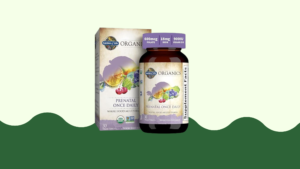
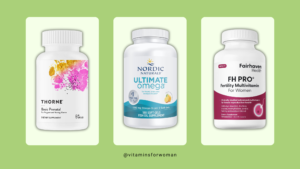
- Consider a high-quality prenatal with methylfolate such as Thorne Basic Prenatal, which provides activated B vitamins alongside iron and vitamin D.
- Add a standalone CoQ10 such as Jarrow Formulas QH-absorb (ubiquinol form) if you are over 35 or have been told your egg quality needs support.
- Look at a magnesium glycinate such as Pure Encapsulations Magnesium Glycinate to support cortisol regulation and cycle regularity without the laxative effect of magnesium oxide.
- If your vitamin D level is low (confirmed by blood test), a targeted supplement such as Thorne Vitamin D/K2 Liquid may help restore adequate tissue levels before conception.
- For women with PCOS, myo-inositol has shown promise in several randomized controlled trials for restoring ovulatory frequency. Speak with your doctor before adding it to your routine.
Daily Habits That Can Support Healthy Ovulation
Beyond what you eat and the supplements you take, your everyday habits can also affect how regularly you ovulate.
Three areas are especially important: sleep, healthy body weight, and stress management.
1. Prioritize Quality Sleep
Sleep is one of the most overlooked factors when it comes to reproductive health.
During deep sleep, your body produces melatonin. Melatonin helps regulate your sleep cycle, but it also acts as an antioxidant and may help protect developing eggs.
On the other hand, consistently getting too little sleep can increase cortisol, your body’s main stress hormone. High cortisol levels may interfere with the hormonal signals needed for ovulation.
Aim for:
• 7 to 9 hours of sleep each night
• A consistent bedtime and wake time
• Good quality, uninterrupted sleep
Think of good sleep as part of your preconception preparation, not a luxury.
2. Maintain a Healthy Body Weight
Your body weight can affect ovulation in both directions. Being significantly underweight or overweight can interfere with the hormones that control your menstrual cycle and ovulation.
If you are overweight:
Extra body fat can alter estrogen levels and interfere with the hormonal signals needed for a follicle to mature and release an egg.
If you are underweight:
Very low body fat can reduce leptin, a hormone that helps signal to the brain that the body has enough energy to support normal reproductive function.
For women with obesity who are experiencing ovulatory problems, even a 5% to 10% reduction in body weight may improve ovulation in some cases.
The goal is not to achieve a particular body shape. It is to support a body weight that allows your reproductive hormones to function normally.
3. Manage Chronic Stress
Long term stress can also affect the hormonal system involved in ovulation.
When you are under chronic stress, your body produces more cortisol. Persistently elevated cortisol may interfere with the hormonal signals that coordinate ovulation.
Helpful stress management strategies include:
• Yoga
• Mindfulness or meditation
• Walking
• Moderate aerobic exercise
• Relaxation and breathing exercises
• Getting enough sleep
Don’t Overdo Exercise
Exercise can be beneficial for reproductive health, but more is not always better.
Very intense or excessive exercise can place significant physical stress on the body and, in some women, interfere with the reproductive hormones needed for regular ovulation.
The goal is moderate, consistent activity rather than exhausting workouts.
Herbal and Botanical Support for Ovulatory Health
Some herbs and botanical supplements have been traditionally used to support menstrual cycle health. A few have also been studied for their potential effects on hormones and ovulation.
Important fertility safety warning: If you are trying to conceive, do not start an herbal or botanical supplement without first discussing it with your doctor, pharmacist, or fertility specialist. Some herbs can affect reproductive hormones, thyroid function, prolactin levels, blood pressure, blood sugar, or the way prescription medicines work.
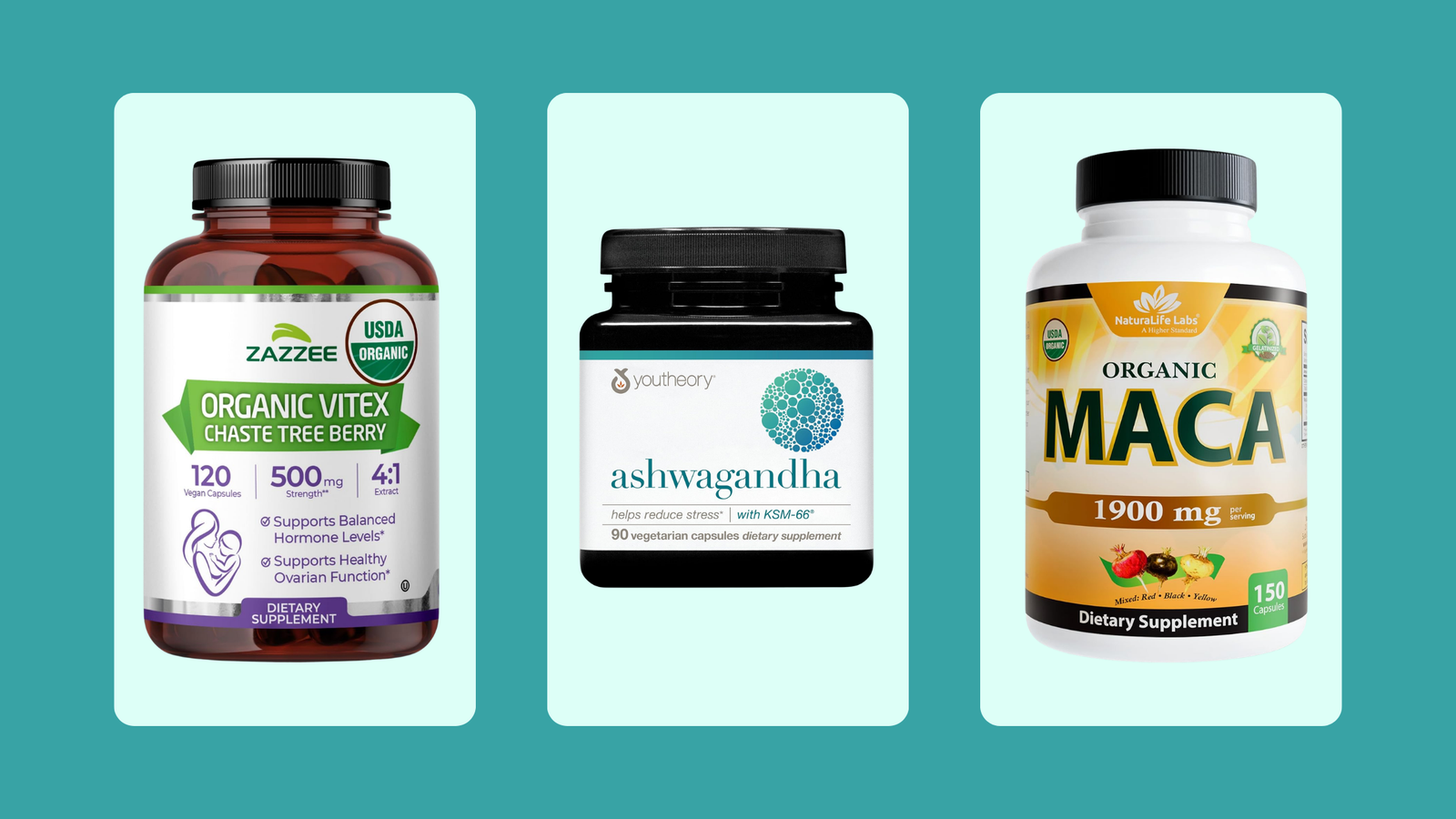
1. Vitex, or Chasteberry
Vitex agnus castus, commonly known as chasteberry, is one of the more extensively studied herbs for menstrual and hormonal health.
It appears to influence dopamine receptors in the pituitary gland, which may help regulate prolactin, a hormone that can affect ovulation when levels are elevated.
Some clinical studies, particularly from Europe, suggest that Vitex may help:
• Support normal prolactin levels
• Improve menstrual cycle regularity
• Support a healthy luteal phase
• Promote more consistent ovulation in some women
Mildly elevated prolactin can sometimes interfere with ovulation without causing obvious symptoms, so it may be worth discussing prolactin testing with your healthcare provider if your cycles are irregular or you are having difficulty conceiving.
Learn more: Vitex for Hormone Balance and Conception
2. Maca Root
Maca root is another botanical that has attracted interest for its potential effects on hormonal health and reproductive function.
Unlike some plants, maca does not appear to work primarily by supplying phytoestrogens or directly increasing estrogen. Instead, researchers believe it may influence the hypothalamic pituitary axis, which helps coordinate reproductive hormones.
Some early research has found improvements in certain hormonal measures, particularly in women going through perimenopause. However, there is still limited research specifically showing that maca improves ovulation or fertility.
So while maca is promising, more research is needed before we can say that it reliably improves fertility.
3. Ashwagandha
Ashwagandha (Withania somnifera) is traditionally used as an adaptogenic herb and is often taken to help the body cope with stress.
Chronic stress can affect the hormonal signals involved in ovulation. Because ashwagandha may influence the body’s stress response and cortisol levels, researchers are interested in whether it could indirectly support reproductive health.
However, the evidence specifically linking ashwagandha to improved ovulation or fertility is still developing.
Important: Ashwagandha may affect thyroid hormone levels. If you have a thyroid condition or take thyroid medication, talk with your healthcare provider before using it.
Important Fertility Safety Points
Before adding any herbal supplement to your fertility routine:
- Speak with your doctor, pharmacist, or fertility specialist first, particularly if you are actively trying to conceive.
- Do not assume a fertility supplement is safe just because it is natural. Some botanicals can have hormone like effects or interact with medications.
- Do not use herbal supplements during fertility treatment without your fertility specialist’s approval. Some supplements may interfere with fertility medications or other aspects of treatment.
- Check the safety information if pregnancy is possible. Many botanicals have not been adequately studied during pregnancy, particularly during the earliest stages.
- If you get a positive pregnancy test, contact your healthcare provider before continuing herbal supplements. Do not assume that a supplement used while trying to conceive should automatically be continued during pregnancy.
- Introduce only one new supplement at a time so that any side effects can be identified more easily.
- Tell your healthcare provider about every supplement you take, including teas, powders, tinctures, capsules, and combination fertility products.
- Do not exceed the recommended dose. Higher doses do not necessarily provide greater fertility benefits and may increase the risk of side effects.
Frequently Asked Questions
Can you really improve ovulation naturally without medication?
Yes, for many women. Nutritional deficiencies, poor sleep, chronic stress, and blood sugar dysregulation are all modifiable factors that directly affect ovulatory function. Correcting these through lifestyle and targeted supplementation can restore regular ovulation, though underlying conditions like PCOS or thyroid disease may still require medical management.
How long does it take to see improvements in ovulation after changing diet and supplements?
Follicle development takes roughly three months, so most practitioners suggest allowing at least three full menstrual cycles before evaluating results. Tracking ovulation with basal body temperature or LH strips throughout that period can give you objective data to share with your doctor.
Which nutrient deficiency most commonly disrupts ovulation?
Vitamin D deficiency is among the most frequently identified in women with ovulatory dysfunction, partly because it is widespread in the general population. Zinc, iron, folate, and iodine deficiencies can also impair the hormonal signaling required for a reliable LH surge and successful follicle release.
A Word From Vitamins For Woman
Supporting ovulation naturally is one of the most empowering steps you can take on your conception journey, and small, consistent changes in nutrition, sleep, stress management, and targeted supplementation can add up to meaningful results over time. We always encourage you to use this information as a starting point for a conversation with your healthcare provider rather than a substitute for personalized medical advice. Your pharmacist is an excellent and often underused resource for reviewing supplement safety and potential interactions.
References
- Chavarro JE et al. (2007). Diet and lifestyle in the prevention of ovulatory disorder infertility. Obstetrics and Gynecology. PMID: 17978119. PubMed
- Gaskins AJ et al. (2012). The impact of dietary folate intake on reproductive function in premenopausal women. BJOG. PMID: 22118204. PubMed
- Irani M et al. (2017). Vitamin D supplementation effect on pregnancy rates in women undergoing IVF: a systematic review and meta-analysis. Nutrients. PMID: 28264498. PubMed
- Kort JD et al. (2014). A pilot study on the impact of a gluten-free diet on reproductive outcomes in women with unexplained infertility. Reproductive BioMedicine Online. PMID: 24842230. PubMed
- Unfer V et al. (2012). Effects of myo-inositol in women with PCOS: a systematic review of randomized controlled trials. Gynecological Endocrinology. PMID: 22296306. PubMed