Research into arginine and fertility success rates has grown steadily over the past decade, giving women a compelling reason to look more closely at this conditionally essential amino acid.
If you have been trying to conceive for a while, you already know the emotional weight that comes with every cycle. Each month carries hope, and when that hope is not rewarded, the grief is real and valid. You are not alone, and the growing field of reproductive nutrition means there are more evidence-informed tools available to you today than ever before.
For many women, the barriers to conception are rooted in subtle physiological imbalances rather than a single dramatic diagnosis. Poor uterine blood flow, suboptimal egg maturation, oxidative stress in the follicular environment, and hormonal irregularities can all quietly interfere with the reproductive process. These factors are often interrelated, and addressing them requires a thoughtful, multi-layered approach that goes beyond standard prenatal vitamins.
In this article, you will learn how L-arginine influences female reproductive function, what the clinical research currently shows, which supplements on the market contain it, how to combine it sensibly with other fertility nutrients, and the important safety questions to discuss with your healthcare provider before you begin.
How L-Arginine Supports Female Reproductive Function
L arginine is an amino acid found in protein rich foods such as turkey, lentils, pumpkin seeds, and dairy. The body uses it to produce nitric oxide (NO), a compound that helps relax and widen blood vessels. This can improve blood flow and oxygen delivery to tissues, including the uterus and ovaries.
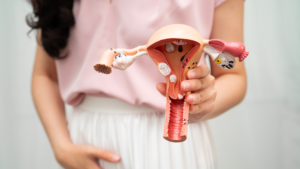
Adequate blood flow to the uterine lining is important for a healthy endometrium. A well perfused endometrium needs sufficient oxygen and nutrients as it grows and prepares for implantation. Research has examined the relationship between uterine blood flow and reproductive outcomes, particularly in women undergoing assisted reproduction, although the specific benefits of arginine supplementation still require more research.
L arginine may also support the ovarian environment. Arginine and nitric oxide related compounds are found in follicular fluid, where they may play a role in follicle development and egg maturation. Researchers are also exploring whether arginine’s antioxidant and immune related effects may support the reproductive environment, particularly for women over 35.
Potential benefits of L arginine include:
• Supports nitric oxide production and healthy blood vessel function
• May improve blood flow to the uterus and ovaries
• May support endometrial development and receptivity
• May contribute to the environment surrounding developing eggs
• May help support normal immune function during early pregnancy
However, more research is needed to determine whether L arginine supplementation directly improves fertility outcomes.
If egg quality is one of your concerns, our guide on how to improve egg quality after 35 covers other strategies worth considering.
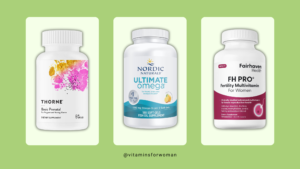
One product that combines L arginine with other reproductive support nutrients is Fairhaven Health FertilAid for Women, a supplement designed for the preconception period. Always check the label and speak with your pharmacist or healthcare provider to make sure it is appropriate for you.
What the Research Says About L Arginine and Fertility
The clinical evidence for L arginine and fertility is promising but still developing. Several small randomized trials and observational studies have investigated its use in women undergoing IVF, with some encouraging findings, although the results are not yet definitive.
One study published in the Journal of Assisted Reproduction and Genetics looked at women considered poor responders during IVF. Supplemental L arginine was associated with improvements in some measures of ovarian response compared with placebo, although the researchers noted that the sample size was small.
Another study published in Fertility and Sterility examined women with thin uterine linings and found that L arginine supplementation was associated with improvements in uterine artery blood flow measurements, suggesting a possible benefit for uterine perfusion.
What the research suggests so far:
• L arginine may improve some measures of ovarian response during IVF
• It may support blood flow to the uterus in women with a thin endometrium
• Most studies have involved assisted reproduction rather than natural conception
• More research is needed to determine whether supplementation improves pregnancy or live birth rates
For women trying to conceive naturally, the evidence is much more limited. While the effects of L arginine on blood flow and the reproductive environment are biologically interesting, we cannot yet say that taking an L arginine supplement will increase the chances of natural conception.
For a broader look at fertility supplements, see our guide on the best fertility supplements for women.
If you are undergoing IVF and considering a standalone L arginine supplement, NOW Foods L Arginine 1000 mg is one option to discuss with your healthcare provider. Dose selection should always be guided by a qualified healthcare professional.
Combining L-Arginine With Other Fertility Nutrients
L-arginine can be combined with other nutrients that support different aspects of reproductive health. However, there is not enough evidence to say that taking several fertility supplements together will necessarily improve your chances of conception.
Some nutrients that may complement L-arginine include:
- CoQ10: Supports mitochondrial energy production in developing eggs and is often studied in relation to age related changes in egg quality. Best CoQ10 Supplements for Fertility
- Folate: Supports DNA synthesis and cell division and is an essential nutrient before and during pregnancy. Women with MTHFR variants do not necessarily need methylfolate instead of folic acid, so discuss the appropriate form with your healthcare provider.
- NAC: Supports the body’s production of glutathione and has been studied for ovulation and insulin sensitivity, particularly in women with PCOS. N Acetyl Cysteine for PCOS and Fertility
- Zinc: Supports normal follicle development, hormone function, and reproductive health.
- Vitamin D: Checking your vitamin D status may be worthwhile because deficiency is common and has been associated with reproductive outcomes in observational research.
A sensible approach is to start with a well formulated prenatal as your foundation, then add individual supplements only when there is a specific reason to do so. Adding one supplement at a time also makes it easier to identify side effects or tolerability issues.
Safety Considerations and Who Should Be Cautious
L-arginine is generally well tolerated at doses commonly used in research, but it is not appropriate for everyone.
Because L-arginine can widen blood vessels and lower blood pressure, speak with your healthcare provider before taking it if you:
- Have low blood pressure
- Take medication for high blood pressure
- Take medications that affect nitric oxide or blood vessel function
- Have kidney or heart problems
- Have a history of recurrent herpes infections
- Are undergoing fertility treatment
L-arginine may interact with certain medications, including some drugs that affect blood pressure and nitric oxide signaling. It may also be unsuitable for some women with herpes infections because arginine can potentially support viral replication.
There is also limited safety information on high dose L-arginine during early pregnancy. If you get a positive pregnancy test, contact your healthcare provider before continuing the supplement.
Food First
Most people can obtain L-arginine naturally through their diet. Good sources include:
- Turkey and other poultry
- Pumpkin seeds
- Soybeans
- Lentils and beans
- Nuts and seeds
- Dairy products
For many women, getting L-arginine from whole foods is a reasonable starting point. Supplementation may be considered when dietary intake is inadequate or when a fertility specialist has identified a specific reason for its use.
The most important step is to tell your OB, fertility specialist, and pharmacist about all supplements you are taking, especially when combining several products.
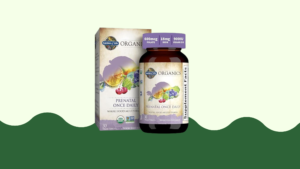
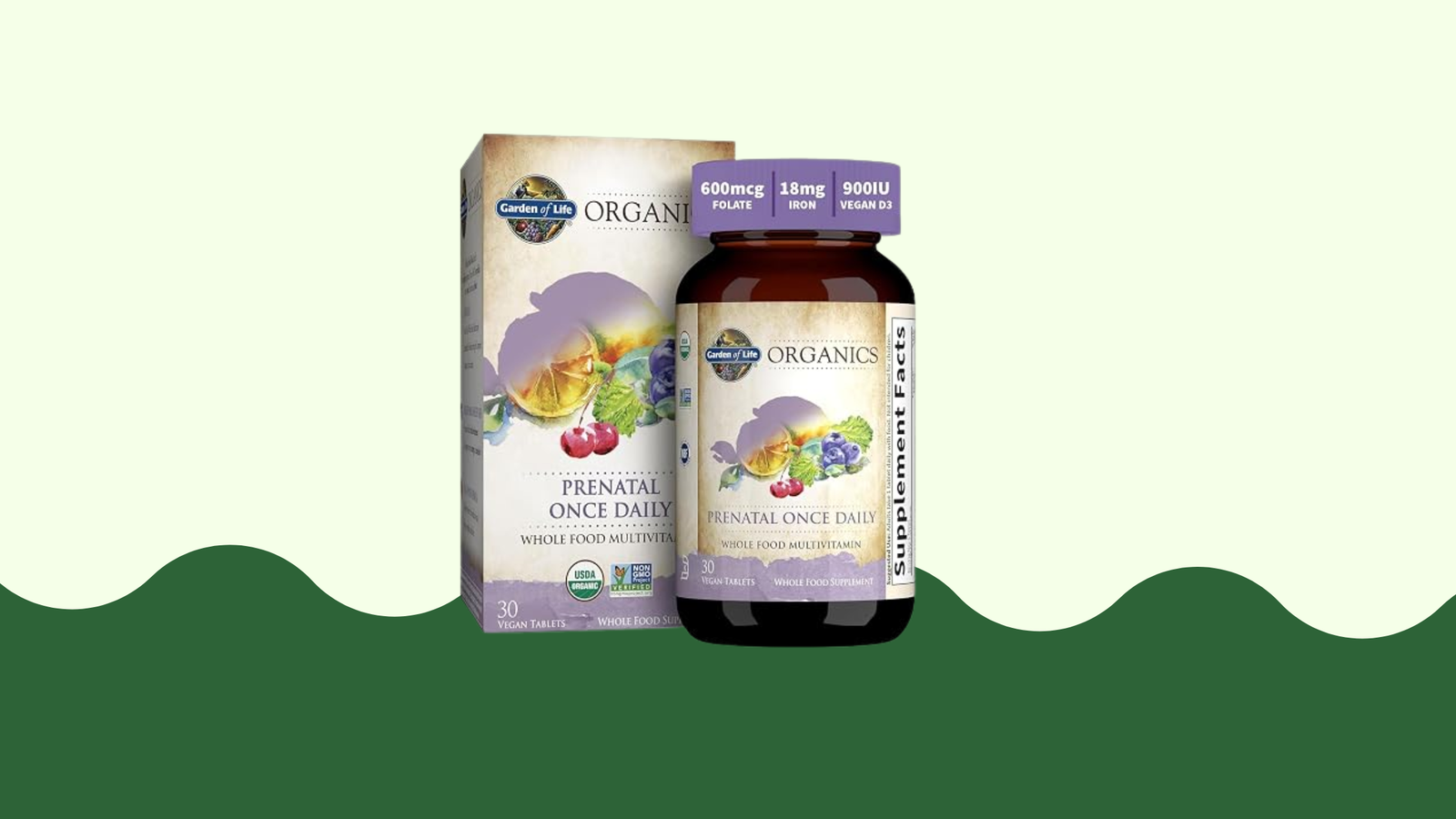
If you want a prenatal foundation, products such as Garden of Life Raw Prenatal are one option to discuss with your healthcare provider based on your individual nutritional needs.
Frequently Asked Questions
Can L-arginine improve IVF success rates?
Some small clinical trials suggest L-arginine may improve ovarian response and uterine blood flow in women undergoing IVF, particularly poor responders. However, the evidence is preliminary and based on small sample sizes. Always discuss supplementation with your reproductive endocrinologist before an IVF cycle.
Can I get enough arginine from food alone?
Yes, many women can achieve meaningful arginine intake through a protein-rich diet including turkey, lentils, pumpkin seeds, and dairy. A food-first approach is generally preferred. Supplementation is most relevant when a specific clinical concern, such as poor endometrial blood flow, has been identified by a healthcare provider.
Does L-arginine help with PCOS-related fertility issues?
Arginine’s role in improving blood flow and reducing oxidative stress may have relevance for women with PCOS, though it is not specifically established as a PCOS treatment. Nutrients with stronger PCOS evidence include inositol, NAC, and berberine. Arginine may complement these as part of a broader protocol guided by a healthcare provider.
A Word From Vitamins For Woman
The research on arginine and fertility success rates is genuinely encouraging, even if it is not yet conclusive enough to make arginine a universal recommendation for every woman trying to conceive. We believe you deserve access to clear, accurate information so you can advocate for yourself in every medical appointment and make supplement decisions that are truly informed.
References
- Battaglia C et al. (1999). Adjuvant L-arginine treatment for in-vitro fertilization in poor responder patients. Human Reproduction. PMID: 10325271. PubMed
- Morin-Papunen L et al. (2003). Endocrine and metabolic effects of metformin versus ethinyl estradiol-levonorgestrel in obese women with polycystic ovary syndrome. Journal of Clinical Endocrinology and Metabolism. PMID: 12519869. PubMed
- Kopre J et al. (2020). Nitric oxide and female reproductive function. Frontiers in Physiology. PMID: 32982772. PubMed
- Moncada S et al. (1991). Nitric oxide: physiology, pathophysiology, and pharmacology. Pharmacological Reviews. PMID: 1852778. PubMed
- Stanhiser J et al. (2022). Omega-3 fatty acid supplementation and fecundability. Human Reproduction. PMID: 34969068. PubMed