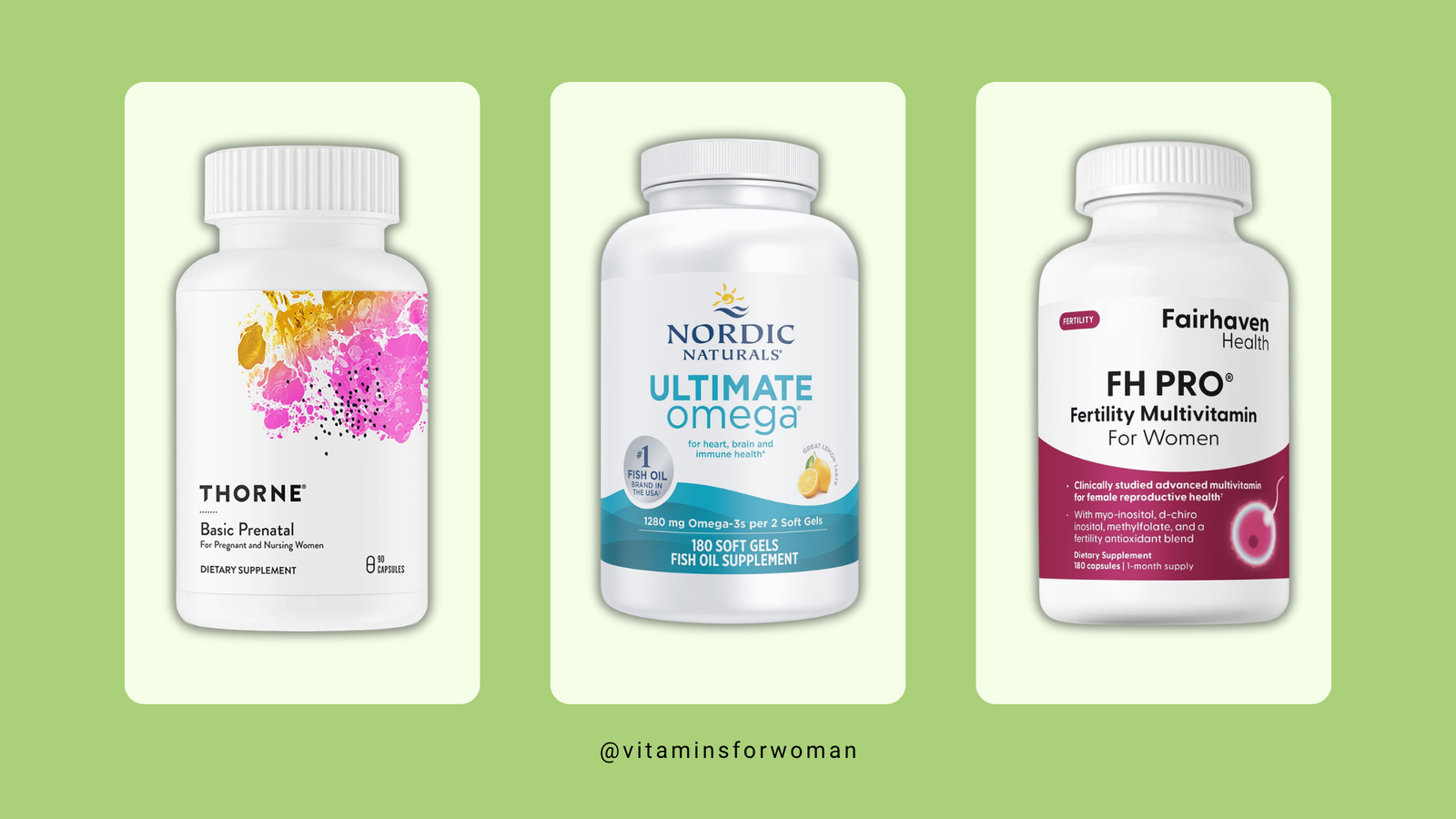
If you are over 35 and trying to conceive, choosing the best prenatal for egg quality after 35 is one of the most meaningful steps you can take. Not every prenatal vitamin is formulated with mature egg cells in mind, and the difference in ingredients can genuinely shape your fertility outcomes.
There is something quietly tender about deciding to grow your family after 35. You may feel excitement, hope, and a flicker of worry all at once, especially when well-meaning articles keep reminding you that the clock is ticking. The truth is that age does affect egg quality, but it does not determine your story. Thousands of women conceive healthy pregnancies in their late thirties and early forties, and targeted nutritional support can make a real difference in that journey.
After 35, eggs are more susceptible to oxidative stress and mitochondrial decline, two biological processes that affect how well an egg matures, fertilizes, and develops into a healthy embryo. These changes are natural, but they are also responsive to nutrition. The right combination of antioxidants, B vitamins, and mitochondrial cofactors can help support the cellular environment in which your eggs develop over the months before conception.
Ahead, you will find a breakdown of the key nutrients that support egg quality, a guide to reading prenatal labels with a critical eye, an honest look at lifestyle factors that work alongside supplements, and specific product suggestions worth discussing with your healthcare provider.
5 Key Nutrients That Support Egg Quality After 35
As we get older, two important factors in egg health become increasingly relevant: oxidative stress and energy production inside the egg cell.
Several nutrients are involved in these processes. However, taking more supplements does not necessarily mean better egg quality. A prenatal vitamin can provide many essential nutrients, while additional supplementation may be appropriate for some women based on their diet, nutritional status, age, or medical history.
1. Coenzyme Q10
Coenzyme Q10, or CoQ10, is one of the most studied supplements for egg health in women of advanced reproductive age. CoQ10 helps support mitochondrial function, which is important because mitochondria provide much of the energy needed by developing egg cells.
Research suggests that CoQ10 supplementation may improve certain measures of ovarian response in some women, although results vary and more research is still needed to determine its effect on live birth rates.
Read more: Best CoQ10 Supplements for Fertility
2. Folate
Folate is essential for DNA production, cell division, and normal early development.
You may see supplements marketed as methylfolate or 5 MTHF, but having an MTHFR gene variant does not mean that your body cannot use folic acid. Folic acid remains a well studied and recommended form of folate for women who may become pregnant.
If you have an MTHFR variant or are unsure which form of folate is appropriate for you, discuss it with your healthcare provider.
Read more: Folate vs. Folic Acid When Trying to Conceive
3. Vitamin D
Vitamin D receptors are present in reproductive tissues, and vitamin D is involved in several processes related to hormone function.
Some observational studies have found associations between vitamin D status and reproductive outcomes. However, this does not mean that taking high doses of vitamin D will automatically improve egg quality.
If you are concerned about your vitamin D levels, your healthcare provider can determine whether testing or supplementation is appropriate.
4. Choline
Choline is an important nutrient for cell membrane formation, normal cell function, and early fetal development.
Adequate choline intake becomes particularly important when preparing for pregnancy because the nutrient is also involved in the development of the baby’s brain and nervous system.
Many prenatal vitamins contain little or no choline, so it is worth checking the nutrition label and discussing your dietary intake with your healthcare provider.
5. Iron and Antioxidant Nutrients
Iron is needed to produce hemoglobin and support oxygen delivery throughout the body.
Low iron stores may be associated with menstrual and reproductive problems, particularly when iron deficiency is present.
However, iron should not be taken in high doses simply because you are trying to improve fertility. Too much iron can also be harmful.
If you have heavy periods, fatigue, or a history of low iron, ask your healthcare provider whether checking your iron levels and ferritin would be appropriate.
Antioxidants such as vitamin C and vitamin E help protect cells from oxidative damage. Because oxidative stress is one of the factors researchers study in relation to egg aging, these nutrients have attracted interest in fertility research.
However, antioxidant supplements are not a guaranteed way to improve egg quality, and high doses are not necessarily better.
A Note About Supplements After 35
If you are actively trying to conceive, especially if you are over 35, it is worth discussing your individual fertility and nutritional needs with a healthcare professional rather than relying on supplements alone. Vitamin C, Vitamin E, and Selenium help neutralize the free radicals that damage egg cell membranes. A prenatal that includes these alongside the core B vitamins creates a more complete environment for egg health.
How to Read a Prenatal Label With Egg Quality in Mind
Walking down a supplement aisle or scrolling through Amazon listings can feel overwhelming. Labels use technical names, hide important details in fine print, and compete for attention with bold marketing claims. Here is how to cut through the noise when your goal is supporting egg quality after 35.
- Start with the folate source. If the label lists only folic acid with no methylfolate option, it may not be ideal for women with MTHFR variants.
- Look for the term 5-MTHF or methyltetrahydrofolate alongside or instead of folic acid.
- Then check whether CoQ10 is included. Many basic prenatals skip it entirely because it adds cost. If CoQ10 is absent, you may need to add it separately.
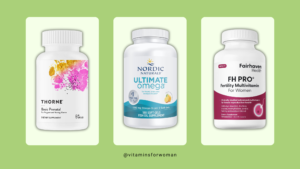
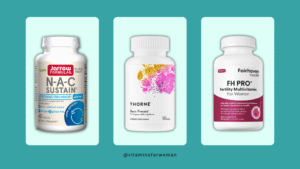
Products such as Thorne Basic Prenatal provide methylfolate and a well-rounded B-complex that supports egg cell health, while Ritual Essential Prenatal uses traceable, delayed-release ingredients including methylfolate and omega-3 DHA. For women wanting a more comprehensive formula, FullWell Prenatal Multivitamin includes choline, methylfolate, and a broad antioxidant profile in a single capsule set.
Third-party testing certifications from NSF International or USP signal that what is on the label is actually in the capsule. This matters especially when you are trying to conceive, because purity and potency directly affect how your body responds.
The Role of CoQ10 and Antioxidants in Egg Cell Health
Egg cells are among the most metabolically demanding cells in the human body. A mature oocyte must sustain enormous energy output to complete the final stages of meiosis and support fertilization. This is why CoQ10, the molecule that shuttles electrons through the mitochondrial energy chain, has attracted so much attention in reproductive medicine research.
A 2015 trial published in Fertility and Sterility examined CoQ10 supplementation in women with diminished ovarian reserve and found improvements in certain markers of ovarian response. While the findings are promising, it is important to recognize that most trials are small, and CoQ10 is not a guarantee of conception. Think of it as one well-supported piece of a broader nutritional strategy rather than a standalone solution.
Beyond CoQ10, the broader antioxidant network matters. Vitamin C and vitamin E work together to protect lipid membranes in egg cells from oxidative damage. Selenium supports this network at the enzymatic level and also plays a role in thyroid hormone conversion, which affects ovulation timing. Alpha-lipoic acid is another antioxidant sometimes included in advanced fertility formulas for its ability to regenerate other antioxidants inside cells.
It is worth noting that antioxidant nutrients work over weeks and months, not days. Starting a quality prenatal at least three months before you hope to conceive gives these nutrients time to work at the cellular level. For more on supporting egg health holistically, our full guide on how to improve egg quality after 35 is a helpful read.
Lifestyle Factors That Amplify What Your Prenatal Can Do
A good prenatal vitamin can help fill nutritional gaps, but it works best alongside healthy daily habits. Your lifestyle can influence sleep, hormones, blood sugar, and overall reproductive health, all of which matter when you are trying to conceive.
1. Prioritize Quality Sleep
Sleep is an often overlooked part of reproductive health.
During sleep, your body produces melatonin, an antioxidant that may help protect developing eggs from oxidative stress.
Consistently poor sleep may interfere with the body’s hormonal balance and overall reproductive function.
Aim for:
• 7 to 9 hours of sleep each night
• A consistent sleep and wake schedule
• Good quality, uninterrupted sleep
Getting enough sleep is not just about general wellness. It can be an important part of supporting your reproductive health.
2. Keep Blood Sugar Steady
Blood sugar regulation also plays a role in reproductive health, particularly for women with insulin resistance or conditions such as PCOS.
Large rises in insulin can influence androgen levels and interfere with the hormonal signals involved in follicle development and ovulation.
You can support more stable blood sugar by building meals around:
• Protein
• Fiber rich vegetables
• Whole grains and other minimally processed carbohydrates
• Healthy fats
• Whole, minimally processed foods
Reducing your intake of ultra processed foods and foods high in added sugar can also be helpful.
3. Manage Chronic Stress
You do not need to eliminate stress completely to support fertility. Life is stressful, and expecting yourself to remain perfectly calm can create even more pressure.
The goal is to find healthy ways to manage ongoing stress.
Try incorporating:
• Gentle exercise or walking
• Breathing exercises
• Yoga or stretching
• Time outdoors
• Relaxation practices
• Adequate rest and sleep
Chronic stress can affect the hormonal signals involved in the menstrual cycle, so taking care of your mental and physical wellbeing is part of supporting reproductive health.
4. Limit Alcohol and Avoid Smoking
If you are trying to conceive, limiting alcohol and avoiding smoking are important lifestyle choices.
Smoking is particularly harmful to reproductive health and has been associated with reduced fertility and poorer reproductive outcomes.
Because alcohol can also affect fertility and pregnancy, avoiding it while trying to conceive is the safest approach.
5. Think Beyond Your Prenatal
Your prenatal vitamin is one piece of the fertility puzzle, not a substitute for healthy lifestyle habits.
Focus on the basics:
• Take your prenatal consistently
• Eat a nutrient rich diet
• Get enough sleep
• Stay physically active without overtraining
• Manage chronic stress
• Avoid smoking
• Avoid or limit alcohol while trying to conceive
• Maintain a healthy weight
These habits work together to create a supportive environment for your overall reproductive health, particularly as you approach or move beyond age 35.
Frequently Asked Questions
When should I start taking a prenatal vitamin if I want to support egg quality?
Most reproductive specialists recommend starting at least three months before you plan to conceive. Egg maturation takes approximately ninety days, so beginning early gives key nutrients like methylfolate, CoQ10, and vitamin D time to work at the cellular level before ovulation occurs.
Can I take a prenatal vitamin if I am not yet pregnant?
Yes. Prenatal vitamins are designed to be taken before conception as well as during pregnancy. Starting early ensures your nutrient stores are optimal at the moment of fertilization, which is particularly important for folate in preventing neural tube defects in early fetal development.
Do I need a separate iron supplement if my prenatal already contains iron?
It depends on your current iron levels. Some women, particularly those with a history of heavy periods or low ferritin, may need additional iron beyond what a standard prenatal provides. A simple blood test before or early in your preconception period can clarify whether extra supplementation is warranted.
A Word From Vitamins For Woman
Choosing the best prenatal for egg quality after 35 is an act of self-respect, and we want you to feel informed and empowered every step of the way. The nutrients covered in this article, from methylfolate and CoQ10 to vitamin D and choline, are backed by a growing body of reproductive science, and pairing them with supportive daily habits gives your body the strongest possible foundation.
References
- Ben-Meir A et al. (2015). Coenzyme Q10 restores oocyte mitochondrial function and fertility during reproductive aging. Aging Cell. PMID: 26132299. PubMed
- Chiu YH et al. (2018). Serum omega-3 fatty acids and treatment outcomes among women undergoing assisted reproduction. Human Reproduction. PMID: 29471410. PubMed
- Chavarro JE et al. (2006). Iron intake and risk of ovulatory infertility. Obstetrics and Gynecology. PMID: 17077233. PubMed
- Pacchiarotti A et al. (2011). Effect of myo-inositol and melatonin versus myo-inositol, in a randomized controlled trial, for improving in vitro fertilization of patients with polycystic ovarian syndrome. Gynecological Endocrinology. PMID: 21190466. PubMed
- Lerchbaum E and Obermayer-Pietsch B. (2012). Vitamin D and fertility: a systematic review. European Journal of Endocrinology. PMID: 22275473. PubMed