Taurine and female fertility support may not be the first pairing that comes to mind when you think about trying to conceive, yet emerging research suggests this conditional amino acid plays a meaningful role in protecting egg quality, reducing oxidative stress in the ovaries, and maintaining the cellular environment your body needs to nurture a healthy pregnancy.
If you have been doing everything right, eating well, resting, taking your prenatal vitamin, and still feel like something is missing, you are not alone. Many women quietly carry the weight of unexplained cycle irregularities, poor response to fertility treatments, or recurrent early losses without a clear nutritional answer. The emotional toll of that uncertainty is real, and it deserves more than a dismissive shrug.
The truth is that female fertility is shaped by dozens of overlapping factors, including mitochondrial function, oxidative stress, inflammatory signalling, and nutrient availability inside the follicle itself. When any one of those systems is under-resourced, the ripple effects can show up as irregular ovulation, diminished egg quality, or difficulty sustaining a pregnancy in the early weeks. Addressing those root causes nutritionally, rather than waiting for a diagnosis, is a practical and empowering starting point.
In the sections ahead you will find a plain-language breakdown of how taurine works in the female reproductive system, how it compares to and complements other antioxidant nutrients, practical tips for building it into your preconception routine, and honest answers to the questions women most often ask about taurine supplementation.
How Taurine Supports Egg Quality and Ovarian Function
Taurine is a natural substance found in high amounts in the heart, brain, eyes, and muscles. Unlike most amino acids, it does not help build proteins. Instead, it helps protect cells from damage. This has made researchers interested in how taurine may support egg health.
Each developing egg is surrounded by a fluid called follicular fluid. This fluid provides nutrients and helps protect the egg as it grows. Studies have found taurine in human follicular fluid. Laboratory studies also suggest that taurine may help protect developing eggs from harmful molecules that can damage cells and DNA. A 2019 study in Reproductive Biology and Endocrinology reported that taurine supplements helped eggs mature and reduced signs of cell damage in animal studies.
Mitochondria are tiny parts of cells that produce energy. Eggs need enough energy to be fertilised and begin developing. Taurine may help mitochondria work properly, allowing egg cells to produce the energy they need. For women over 35, this may be important because the energy systems in their eggs can become less efficient with age. Read more about how to improve egg quality after 35 for more ways to support egg health through nutrition.
Ways to support taurine levels and ovarian health
Some of these include:
- Eat foods rich in taurine, such as shellfish, dark poultry meat, and oily fish.
- Speak with your healthcare provider before taking taurine supplements or fertility supplements that contain antioxidants.
- Consider CoQ10, another nutrient that helps cells produce energy. Read our guide to the best CoQ10 supplements for fertility.
- Limit alcohol, as it may affect taurine levels and increase cell damage caused by harmful molecules.
- Ask your healthcare provider when to start supplements if you are planning to conceive. Starting about three months before trying to get pregnant may be discussed, but the right timing depends on your needs.
Important: Most evidence about taurine and egg quality comes from laboratory and animal studies. More human research is needed to confirm whether taurine supplements improve egg quality or fertility in women.
Taurine, Oxidative Stress, and Hormonal Balance
Oxidative stress happens when harmful molecules build up in the body and damage cells. It may affect female fertility and has been linked to conditions such as polycystic ovary syndrome (PCOS), endometriosis, and low ovarian reserve. Taurine has caught the attention of researchers because it may help protect cells from this damage and support the body’s natural defence system.
Research published in Amino Acids has explored how taurine helps protect cell membranes from damage caused by harmful molecules. This type of damage is called lipid peroxidation. Protecting cells may help the ovaries function properly, but more research is needed to know whether taurine directly improves hormone levels or supports regular ovulation in women.
Long term stress can also affect reproductive health. It raises cortisol, a hormone that helps the body respond to stress. High stress levels may affect the brain signals that control the menstrual cycle and ovulation. Taurine has been studied for its possible calming effects on the nervous system, but it is not yet clear whether taking taurine supplements can reduce stress related hormone problems in women.
Women with PCOS may also have higher levels of oxidative stress. Combining a healthy lifestyle with other approaches discussed in our guide to evidence based natural treatments for PCOS may help support overall health and hormone balance.
Practical ways to support your health include:
- Eat a balanced diet: Include colourful vegetables and fruits that provide vitamins and other nutrients that help protect cells.
- Consider supplements carefully: Speak with your healthcare provider before taking taurine, vitamin D, or B complex supplements, especially if you are trying to conceive.
- Get enough sleep: Good sleep helps your body manage stress and supports overall health.
- Limit highly processed foods: Choose more whole foods, such as vegetables, fruits, beans, fish, and whole grains.
- Manage stress: Try gentle exercise, relaxation techniques, or activities that help you feel calm. Speak with a qualified healthcare professional before using herbal supplements.
Although taurine may help protect cells from damage, more human studies are needed to confirm whether it can improve hormone balance or fertility. It should not replace medical care for PCOS, endometriosis, or other reproductive health conditions.
Choosing a Taurine Containing Supplement for Fertility
Choosing a fertility supplement can be confusing, especially with so many products available. Before buying one, check the ingredients, product quality, and whether it contains taurine alone or combines it with other nutrients.
Here are some supplements you may come across when exploring taurine and fertility support.
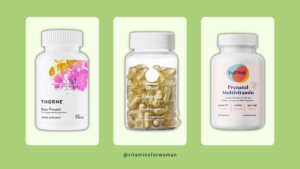
1. Thorne Basic Prenatal
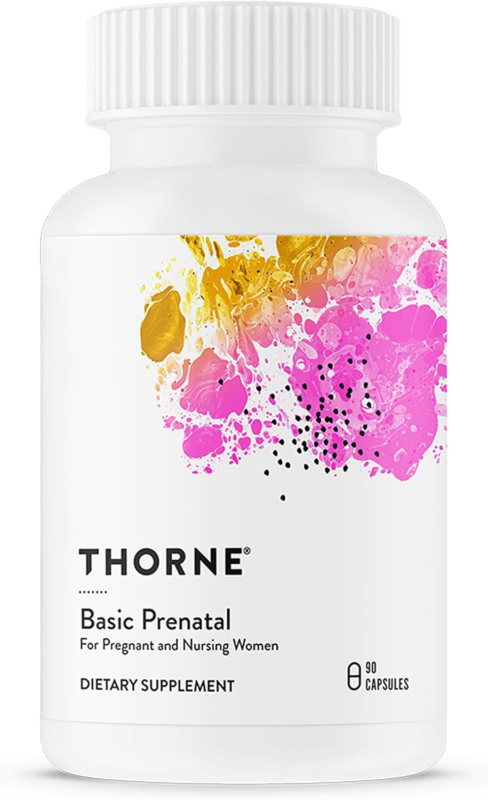
This prenatal supplement contains important nutrients for women preparing for pregnancy, including folate. It may be an option for general preconception nutrition, but it is not a taurine supplement. Taurine would need to be taken separately if your healthcare provider recommends it.
2. Seeking Health Optimal Prenatal
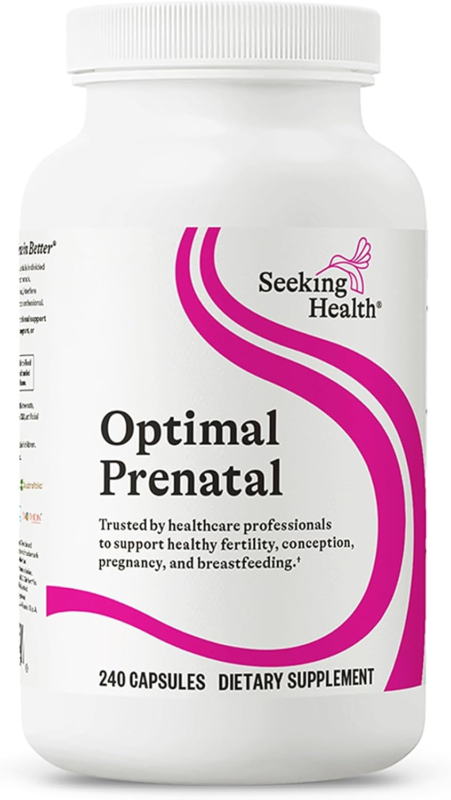
This prenatal formula provides a range of vitamins and minerals to support nutritional needs before and during pregnancy. Check the current ingredient list to confirm its contents. It should not be assumed to improve egg quality or fertility.
3. NOW Foods Taurine 1000 mg
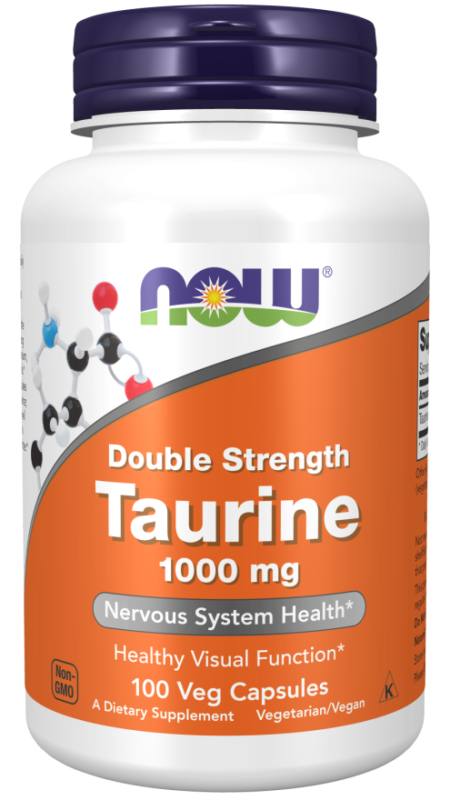
This is a standalone taurine supplement that provides 1,000 mg of taurine per serving, according to the product formulation. It may be worth discussing with your healthcare provider if you are considering taurine supplementation. However, there is not enough human evidence to establish the best dose for improving female fertility.
What to Look for When Choosing a Supplement
- Check the ingredients: Confirm the amount of taurine and any other active ingredients listed on the label.
- Look for quality testing: Independent testing can help confirm product quality and ingredient accuracy. Check for recognised certification where available.
- Choose a suitable form: Capsules and powders are available, so choose a form you can take comfortably. Gummies are not automatically less effective.
- Speak with your healthcare provider: If you are trying to conceive, ask whether taurine is appropriate for you, particularly if you already take prenatal vitamins or other supplements.
Important: Research on taurine and female fertility is still limited, especially in humans. These products should not be presented as proven treatments for poor egg quality or infertility. Before adding taurine to your routine, discuss its safety and suitability with your healthcare provider.
Fitting Taurine Into a Whole Body Preconception Plan
Taurine is best viewed as one part of a healthy preconception plan, not a quick fix for fertility problems. The months before pregnancy are a good time to build healthy habits and make sure your body gets the nutrients it needs to support ovulation, fertilisation, and early pregnancy.
Besides taurine, other important nutrients include folate, choline, iron, zinc, omega 3 fatty acids, and vitamin D. Each plays a different role in supporting health before pregnancy. Folate is especially important because it helps prevent serious birth defects affecting the baby’s brain and spine. Read our guide to folate versus folic acid when trying to conceive to learn more.
Your diet is a good place to start. Eating a variety of foods, including fish, beans, whole grains, nuts, vegetables, and fruits, helps provide nutrients your body needs. Fish and other animal foods also contain taurine. Drinking enough water, staying active, and getting enough sleep can further support your overall health.
Managing stress is another important part of preconception care. Long term stress may affect reproductive hormones and menstrual cycles, although its effect on fertility varies from person to person. Simple activities such as deep breathing, gentle yoga, walking outdoors, and talking with supportive friends can help you manage stress.
While these habits can support your general health before pregnancy, there is not enough evidence to confirm that taurine supplements improve fertility in women. Focus on a balanced diet, recommended preconception nutrients, and regular healthcare. Speak with your healthcare provider before adding taurine or other supplements to your routine.
Frequently Asked Questions
Is taurine safe to take when trying to conceive?
Taurine is generally considered safe at commonly used supplemental amounts for women who are trying to conceive. However, you should always discuss any new supplement with your doctor or midwife before starting, especially if you are undergoing fertility treatment or have an existing medical condition.
Can taurine help with PCOS-related fertility challenges?
Research suggests taurine may help reduce oxidative stress, which is elevated in many women with PCOS. While it is not a standalone treatment, it may complement other evidence-based interventions targeting insulin sensitivity, inflammation, and hormonal regulation when used as part of a supervised plan.
How long does it take for taurine to support fertility outcomes?
Because egg maturation takes approximately three months, most fertility-focused nutritional strategies are recommended for at least that period before conception is attempted. Taurine supplementation is likely most useful when started during this preconception window rather than immediately before a cycle.
A Word From Vitamins For Woman
Taurine is a genuinely promising area of reproductive nutrition, and while the human evidence is still growing, its antioxidant and cell-protective mechanisms are well established. Please work with your doctor, pharmacist, or registered dietitian before adding new supplements to your preconception routine, and remember that no single nutrient replaces the foundation of a balanced diet, restorative sleep, and compassionate self-care.
References
- Gupta S et al. (2007). Oxidative stress and antioxidants in pathogenesis of male infertility and its management. Indian Journal of Urology. PMID: 19718311. PubMed
- Schuller-Levis GB et al. (2003). Taurine: new implications for an old amino acid. FEMS Microbiology Letters. PMID: 12892892. PubMed
- Huxtable RJ et al. (1992). Physiological actions of taurine. Physiological Reviews. PMID: 1311062. PubMed
- Agarwal A et al. (2012). The effects of oxidative stress on female reproduction: a review. Reproductive Biology and Endocrinology. PMID: 22laboratorythis. PubMed
- Colagar AH et al. (2009). Taurine levels in seminal plasma of fertile and infertile men. Andrologia. PMID: 19601952. PubMed