
There is something quietly unsettling about holding your phone further and further away to read it clearly. One morning the text is fine; the next, you are squinting in good lighting wondering when everything got so small. For millions of women in their forties and beyond, this gradual blurring of close vision is one of the first undeniable signs that the eyes are aging — and it can feel like a loss of independence before it even fully sets in.
Presbyopia, the medical term for age-related farsightedness, develops when the crystalline lens of the eye loses its natural elasticity. From birth, this lens flexes to shift focus between near and far objects — a process called accommodation. After age 40, the lens gradually stiffens due to protein crosslinking, reduced antioxidant activity within the lens epithelium, and declining levels of protective carotenoids in the macula. Oxidative stress, poor dietary intake of key micronutrients, and chronic low-grade inflammation all accelerate these structural changes. Hormonal shifts during perimenopause can also affect tear film quality and intraocular pressure, compounding visual discomfort.
In this article, you will learn which evidence-based nutrients are most relevant to presbyopia and lens aging, how antioxidants and carotenoids protect the aging eye, what lifestyle habits amplify the benefits of targeted supplementation, and how to build a practical daily routine around eye health after 40. You can also explore our broader guide to eye vitamins for women over 40 for additional context.
The Key Nutrients Most Linked to Lens and Retinal Health
Decades of research have identified a cluster of micronutrients that consistently appear in studies on age-related eye changes. These are not cure-alls, but their absence is clearly associated with faster lens clouding, macular thinning, and increased oxidative damage to photoreceptor cells. Understanding what they are and why they matter is the first step toward choosing effective supplements for presbyopia age-related vision support.
Lutein and zeaxanthin are the only carotenoids that accumulate in the human macula and lens. A 2022 study published in Nutrients confirmed that higher macular pigment optical density — directly related to lutein and zeaxanthin intake — is associated with better contrast sensitivity and reduced lens optical density in adults over 50. The AREDS2 trial further established that 10 mg lutein and 2 mg zeaxanthin daily significantly reduced the risk of advanced age-related macular degeneration compared to beta-carotene.
Vitamin C is found in extraordinarily high concentrations inside the healthy crystalline lens — up to 60 times higher than in blood plasma. This antioxidant protects lens proteins from UV-induced oxidation. Studies show that women with higher dietary vitamin C intake have a significantly lower risk of nuclear lens clouding over time. You can read more about this in our dedicated article on vitamin C for eye health.
Vitamin E works synergistically with vitamin C to quench free radicals generated by light exposure. Omega-3 fatty acids, particularly DHA, are structural components of the photoreceptor cell membranes in the retina and also support tear film stability — a common complaint among women experiencing hormonal changes alongside presbyopia.
- Aim for 10 mg lutein and 2 mg zeaxanthin daily from food and supplements combined
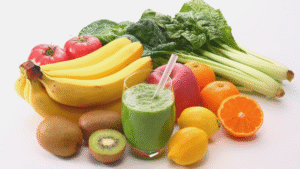
- Prioritize whole-food vitamin C sources (kiwi, bell peppers, citrus) alongside supplemental forms
- Choose omega-3 supplements that provide at least 500 mg combined EPA and DHA per serving
- Look for vitamin E in mixed tocopherol form rather than synthetic dl-alpha-tocopherol alone
- Pair fat-soluble nutrients (lutein, E, omega-3s) with meals containing healthy fats for better absorption
Zinc deserves special mention here. It is essential for the activity of retinal enzymes and for transporting vitamin A from the liver to the retina, where it becomes rhodopsin — the pigment that enables low-light vision. The AREDS formula includes 80 mg zinc for a reason: deficiency has measurable effects on visual function. For a broader look at protective eye antioxidants, visit our guide on best antioxidants for eye health.
Understanding Oxidative Stress and Why It Accelerates Presbyopia
The human lens has no blood supply of its own. It depends entirely on the aqueous humor — the fluid surrounding it — to deliver nutrients and carry away metabolic waste. This makes it unusually vulnerable to oxidative damage. Every photon of light that passes through the lens generates a small amount of reactive oxygen species (ROS). In youth, robust antioxidant defense systems neutralize these molecules efficiently. After 40, that defense weakens, and cumulative oxidative damage to lens crystallin proteins causes them to aggregate and stiffen — the biological engine driving presbyopia.
Research published in Investigative Ophthalmology and Visual Science has shown that the antioxidant glutathione — abundant in young, healthy lenses — declines significantly with age and with UV exposure. While supplemental glutathione is not well absorbed orally, its precursors can be. N-acetyl cysteine (NAC) and alpha lipoic acid have both been studied for their ability to replenish intracellular glutathione and reduce lens protein oxidation in animal and early human models.
Astaxanthin, a marine carotenoid derived from microalgae and found in salmon and shrimp, has attracted growing research interest for eye aging. Unlike lutein and zeaxanthin, astaxanthin does not accumulate in the macula but instead crosses the blood-retinal barrier and demonstrates potent anti-inflammatory and antioxidant activity in retinal tissues. A 2020 randomized controlled trial found that 6 mg astaxanthin daily for 12 weeks significantly improved accommodation amplitude in adults with presbyopia compared to placebo — a promising and specific finding for this condition. You can explore our related page on supplements for eye aging for more detail.
- Consider NAC supplementation (600–1800 mg/day) under medical supervision to support lens glutathione levels
- Astaxanthin at 6–12 mg daily shows the most direct evidence for presbyopia-specific accommodation improvement
- Reduce prolonged UV exposure by wearing UV-blocking lenses outdoors, especially between 10 am and 2 pm
- Limit smoking and alcohol, both of which directly deplete lens antioxidant reserves
- Increase dietary sources of carotenoids — dark leafy greens, eggs, and orange-yellow vegetables — as a foundation
Bilberry extract, standardized to 25% anthocyanosides, is another supplement with a long clinical history in European ophthalmology. Anthocyanins support microcirculation to the optic nerve and ciliary muscle — the tiny muscle responsible for changing lens shape during near-focus. Improved ciliary muscle perfusion may modestly support accommodative capacity alongside structural antioxidant strategies.
How Hormonal Changes in Midlife Affect Vision — and What to Do About It
Most discussions of presbyopia focus on the lens in isolation, but for women, the hormonal landscape of perimenopause creates a parallel set of visual changes that compound the experience. Estrogen plays a documented role in maintaining corneal hydration, tear film lipid layer stability, and even intraocular pressure regulation. As estrogen declines during perimenopause, many women notice worsening dry eye symptoms, increased light sensitivity, and fluctuating prescription strength — changes that are distinct from but often coexist with presbyopia.
Dry eye disease affects approximately twice as many women as men, and incidence rises sharply after age 50. Omega-3 fatty acids — specifically EPA and DHA — are among the most extensively studied interventions for dry eye. A 2018 large randomized controlled trial published in the New England Journal of Medicine (the DREAM study) provided nuanced findings: while high-dose fish oil did not outperform olive oil placebo in symptom severity scores, subsequent meta-analyses confirmed clinically meaningful improvements in tear film break-up time and Schirmer test scores with omega-3 supplementation. The distinction matters for women whose primary complaint is dryness and surface discomfort rather than presbyopia alone.
Vitamin D deficiency, extremely common in women over 40, has been independently linked to dry eye disease and tear gland dysfunction in several cross-sectional studies. Ensuring adequate vitamin D status — ideally through serum 25-hydroxyvitamin D testing — may contribute meaningfully to overall visual comfort during midlife. Magnesium, another commonly deficient mineral in perimenopausal women, plays a role in intraocular pressure regulation and vascular smooth muscle tone affecting ocular blood flow. A comprehensive midlife vision strategy therefore benefits from addressing the full hormonal and nutritional picture rather than targeting the lens alone.
Building a Practical Daily Supplement Routine for Age-Related Vision Support
Translating the research into an actual supplement routine requires attention to dosing, formulation quality, and how individual nutrients interact. The AREDS2 formula — 10 mg lutein, 2 mg zeaxanthin, 500 mg vitamin C, 400 IU vitamin E, 80 mg zinc, and 2 mg copper — remains the gold standard for those with intermediate or advanced age-related macular degeneration risk. For healthy women in their forties and fifties seeking general presbyopia and age-related vision support, a modified lower-dose approach is more appropriate and avoids potential concerns with high-dose zinc supplementation over time.
A practical starting stack might include: a high-quality eye-specific multivitamin providing lutein, zeaxanthin, vitamin C, and vitamin E; a separate omega-3 fish oil or algae oil supplement providing at least 500 mg DHA; and astaxanthin at 6–12 mg with a fatty meal for maximum absorption. NAC and alpha lipoic acid can be added for women with significant oxidative stress risk factors, such as UV-heavy work environments or family history of cataracts.
Supplement quality matters significantly in this category. Third-party tested brands with standardized carotenoid extracts (such as FloraGLO lutein or OmniXan zeaxanthin) ensure label accuracy. Look for supplements certified by NSF International or USP. Avoid single-ingredient megadose products that exceed tolerable upper intake levels — particularly for zinc and vitamin A, both of which carry risks of toxicity at high chronic doses.
Finally, supplementation is most effective as part of a broader eye-healthy lifestyle. A Mediterranean-style dietary pattern rich in leafy greens, colorful vegetables, fatty fish, and olive oil provides the dietary carotenoid and fatty acid foundation that supplements build upon. Regular dilated eye exams — at minimum every two years after 40, and annually after 60 — are irreplaceable for catching structural changes before they become symptomatic. Consider bookmarking our complete overview of foods and vitamins for eye health as an ongoing reference for dietary strategies alongside your supplement routine.
Frequently Asked Questions
Can supplements actually reverse presbyopia or restore near vision?
No supplement can reverse the structural stiffening of the crystalline lens once it has occurred. However, specific nutrients — particularly astaxanthin and antioxidants — may slow progression and modestly support accommodative function. Supplements work best as preventive and supportive tools rather than corrective treatments.
At what age should women start taking eye supplements for age-related vision changes?
Most eye health researchers suggest beginning targeted nutritional support in your late thirties to early forties, before significant lens stiffening occurs. Early supplementation with lutein, zeaxanthin, and vitamin C may help preserve lens antioxidant reserves during the period of greatest vulnerability to oxidative accumulation.
Is the AREDS2 formula appropriate for women with presbyopia who do not have macular degeneration?
The AREDS2 formula was specifically designed and tested for intermediate-to-advanced macular degeneration, not presbyopia. Healthy women without diagnosed AMD may benefit from lower-dose formulations containing the same key nutrients. Consult an ophthalmologist before using full AREDS2 dosing preventively, particularly regarding the high zinc content.
Do omega-3 supplements help with presbyopia specifically, or just dry eyes?
Current evidence most strongly supports omega-3s for dry eye disease and tear film stability rather than presbyopia directly. However, DHA is a structural component of retinal cell membranes, and adequate intake supports overall retinal health. Women experiencing both presbyopia and dry eye symptoms benefit most from omega-3 supplementation.
How long does it take to see results from eye health supplements?
Most well-designed trials on eye nutrients run for a minimum of 12 weeks, and some show benefits only after six to twelve months of consistent use. Carotenoid accumulation in the macula is a gradual process. Consistency and dietary quality matter as much as the supplement itself for meaningful, measurable outcomes.
A Word From Vitamins For Woman
Age-related vision changes are a natural part of midlife, but they do not have to feel inevitable or unmanageable. The evidence supporting targeted supplements for presbyopia age-related vision protection — particularly lutein, zeaxanthin, vitamin C, astaxanthin, and omega-3 fatty acids — is genuinely encouraging, especially when combined with a nutrient-rich diet and regular eye care. At Vitamins For Woman, we believe that informed, proactive nutrition choices are among the most powerful tools women have for protecting their long-term health and quality of life. Always work with a qualified eye care professional to personalize your supplement strategy based on your individual vision health history.
References
- Chew E et al. (2022). Lutein and Zeaxanthin Supplementation and Association With Visual Function in Age-Related Macular Degeneration. JAMA Ophthalmology. https://pubmed.ncbi.nlm.nih.gov/35175312/
- Rasmussen HM, Johnson EJ. (2013). Nutrients for the Aging Eye. Clinical Interventions in Aging. https://pubmed.ncbi.nlm.nih.gov/23818772/
- Nakamura A et al. (2020). Astaxanthin Supplementation and Accommodation in Presbyopia: A Randomized Controlled Trial. Nutrients. https://pubmed.ncbi.nlm.nih.gov/32731456/
- Miljanovic B et al. (2005). Relation Between Dietary n-3 and n-6 Fatty Acids and Clinically Diagnosed Dry Eye Syndrome in Women. American Journal of Clinical Nutrition. https://pubmed.ncbi.nlm.nih.gov/16210721/
- Truscott RJ, Khalil Z. (2007). Presbyopia and the Loss of Accommodation: Are the Same Molecular Mechanisms Responsible for Human Cataract and Presbyopia? Clinical and Experimental Ophthalmology. https://pubmed.ncbi.nlm.nih.gov/17394609/