Understanding the link between selenium and thyroid health for conception could transform your fertility journey. This essential trace mineral supports thyroid hormone conversion, reduces autoimmune thyroid activity, and creates the hormonal balance your body needs to conceive successfully.
You have been tracking your cycle, eating well, and doing everything right — yet conception feels frustratingly out of reach. For many women, the missing piece is not obvious. It lives quietly inside the thyroid gland, a small butterfly-shaped organ that orchestrates reproductive hormones, ovulation timing, and the uterine environment needed to sustain early pregnancy. When thyroid function falters, so does fertility — and one of the most underappreciated reasons it falters is insufficient selenium.
Thyroid dysfunction is far more common in women of reproductive age than most people realize. Hashimoto’s thyroiditis, the autoimmune condition that gradually destroys thyroid tissue, affects roughly 5 to 10 percent of women. Subclinical hypothyroidism — where TSH is mildly elevated but symptoms are vague — is frequently missed on standard panels. Both conditions elevate miscarriage risk, disrupt ovulation, and impair implantation. The root causes are multifactorial, but oxidative stress, immune dysregulation, and micronutrient deficiency — particularly selenium — play significant, modifiable roles.
In the sections ahead, you will learn exactly how selenium supports thyroid enzyme activity and reduces thyroid antibodies, what the research says about selenium supplementation and fertility outcomes, how to assess your own status, and practical strategies for optimizing selenium intake when you are trying to conceive. You will also find guidance on how this mineral fits within a broader preconception nutrient plan.
How Selenium Powers Thyroid Function and Fertility
Selenium is the most concentrated trace mineral in the thyroid gland — a fact that signals its biological importance. The thyroid requires selenium-dependent enzymes called iodothyronine deiodinases to convert the inactive thyroid hormone T4 into the metabolically active T3. Without adequate selenium, this conversion is impaired, leaving cells starved of the active hormone they need even when T4 levels appear normal on a blood test. This is one reason women with normal T4 but low selenium can still experience hypothyroid-like symptoms including sluggish metabolism, anovulatory cycles, and luteal phase defects that undermine conception.
Beyond hormone conversion, selenium is a structural component of glutathione peroxidase, a powerful antioxidant enzyme that protects the thyroid from hydrogen peroxide — a byproduct of thyroid hormone synthesis. When selenium is low, oxidative damage accumulates in thyroid tissue, triggering inflammation and accelerating the autoimmune destruction seen in Hashimoto’s thyroiditis. Research published in Nutrients has confirmed that selenium supplementation significantly reduces thyroid peroxidase antibody (TPO-Ab) titers, which are the key markers of Hashimoto’s activity. Lower TPO-Ab levels are associated with reduced miscarriage risk and better IVF outcomes.
Fertility-specific benefits extend beyond antibody reduction. Adequate selenium supports progesterone production, corpus luteum function, and implantation — all of which are essential in the luteal phase. Studies have also linked selenium deficiency to poor egg quality and increased risk of early pregnancy loss. For women exploring broader thyroid support strategies, our guide on best vitamins for underactive thyroid provides complementary nutrient recommendations.
- Prioritize food-first sources: Brazil nuts (one to two per day provides 100–200 mcg), sardines, tuna, eggs, and sunflower seeds are rich in bioavailable selenium.
- Consider selenomethionine supplements: This organic form is better absorbed than sodium selenite and is the form most studied for thyroid antibody reduction.
- Pair with iodine carefully: Selenium and iodine work synergistically in the thyroid; deficiency in either amplifies damage from excess of the other.
- Test before supplementing: A whole-blood selenium test or plasma selenium panel can reveal true deficiency and guide appropriate dosing.
- Avoid mega-dosing: The upper tolerable intake level is 400 mcg per day; chronic excess causes selenosis, with symptoms including hair loss and nail brittleness.
Selenium, Thyroid Antibodies, and Miscarriage Risk
One of the most clinically meaningful areas of selenium research concerns its ability to reduce thyroid antibody levels and, consequently, miscarriage risk. Women with elevated TPO antibodies face a two- to fourfold higher risk of miscarriage even when their thyroid hormone levels fall within the normal range. This immune dysregulation also increases the risk of preterm birth, gestational hypothyroidism, and postpartum thyroiditis. Selenium’s immunomodulatory effects are therefore directly relevant to pregnancy outcomes, not just conception.
A landmark randomized controlled trial published in The Journal of Clinical Endocrinology and Metabolism found that 200 mcg of selenomethionine daily for twelve months in TPO-Ab-positive women reduced antibody concentrations by approximately 49 percent and lowered the incidence of hypothyroidism. A meta-analysis in Thyroid corroborated these findings across multiple trials, concluding that selenium supplementation produces clinically meaningful reductions in both TPO-Ab and thyroglobulin antibody titers. These antibody reductions correlate with improved thyroid structure on ultrasound — an objective marker of reduced autoimmune destruction.
For women undergoing assisted reproduction, the evidence is equally compelling. A 2021 study in Biological Trace Element Research found that selenium-deficient women undergoing IVF had significantly fewer mature oocytes and lower embryo quality scores compared with selenium-sufficient women. Normalizing selenium levels before an IVF cycle may therefore improve cycle outcomes, though more large-scale trials are needed. If you are also navigating PCOS alongside thyroid concerns, the article on N-acetyl cysteine for PCOS and fertility covers another antioxidant strategy that pairs well with selenium.
- Get TPO-Ab and TgAb tested: Ask your doctor for thyroid antibody panels, not just TSH, especially if you have a personal or family history of autoimmune disease.
- Target 150–200 mcg selenium daily: This is the dose range supported by most intervention trials for antibody reduction in Hashimoto’s patients.
- Track antibody changes over three to six months: Selenium’s effects on antibody levels build over time; short-term supplementation alone is unlikely to show the full benefit.
- Address co-deficiencies: Iron, vitamin D, and zinc deficiencies all amplify autoimmune thyroid activity; correcting these alongside selenium creates a more comprehensive approach.
- Discuss medication adjustments with your endocrinologist: As antibodies fall, levothyroxine requirements may change in women already on thyroid medication.
Assessing Your Selenium Status Before Trying to Conceive
Selenium deficiency is more widespread than commonly appreciated, particularly in regions where soil selenium content is low — including much of Europe, parts of the UK, and certain areas of North America. Because the body does not maintain a dedicated selenium reserve in the way it stores fat-soluble vitamins, inadequate dietary intake translates relatively quickly into functional deficiency at the tissue level. For women trying to conceive, subclinical deficiency can quietly impair the thyroid enzyme pathways that regulate reproductive hormones without producing obvious symptoms.
The most clinically practical way to assess selenium status is through a serum or plasma selenium test, though whole-blood selenium more accurately reflects long-term intake and tissue stores. Hair mineral analysis can provide additional insight into chronic depletion patterns but is less standardized and not universally accepted by conventional medicine. Reference ranges vary by laboratory, but optimal plasma selenium for thyroid health is generally considered to be between 120 and 150 micrograms per liter, with levels below 70 mcg/L associated with clear functional impairment.
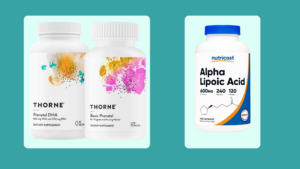
Dietary assessment is also valuable. Women eating a varied omnivorous diet in high-selenium regions may meet needs through food alone, while those following strict vegan diets, eating predominantly plant foods grown in selenium-poor soils, or dealing with malabsorption conditions such as celiac disease or Crohn’s disease are at heightened risk. Brazil nut intake is notoriously variable in selenium content depending on origin, making them an unreliable sole source. A high-quality prenatal multivitamin that includes selenium is a sensible safety net. Options such as Thorne Basic Prenatal with Folate and Choline or New Chapter Prenatal Vitamins Organic Non GMO provide comprehensive micronutrient coverage during the preconception period.
Discussing selenium testing with a functional medicine practitioner or reproductive endocrinologist before beginning supplementation ensures you are addressing a genuine deficiency rather than supplementing arbitrarily. This is especially important given the narrow therapeutic window between optimal and excessive selenium intake.
Building a Selenium-Supportive Preconception Plan
Optimizing selenium is most effective when embedded within a broader preconception nutrition strategy. Thyroid function and fertility depend on a constellation of nutrients working together — selenium cannot compensate for deficiencies in iodine, iron, zinc, folate, and vitamin D. Understanding where selenium fits within this ecosystem helps you build a plan that addresses the full hormonal picture rather than isolating a single variable.
Iodine is selenium’s closest collaborator in thyroid physiology. Both minerals are required for thyroid hormone synthesis and conversion, and deficiency in either disrupts the other’s protective function. Women who are trying to conceive should ensure their iodine intake meets the recommended 150 mcg per day through diet and a prenatal supplement that includes iodine — a nutrient frequently absent from standard multivitamins. Our dedicated guide on prenatal vitamins with iodine explores this further.
Zinc and iron also interact meaningfully with thyroid health. Zinc is required for TSH synthesis and T3 receptor activity, while iron deficiency impairs thyroid peroxidase — the same enzyme attacked in Hashimoto’s. Correcting iron deficiency anemia before conception supports both thyroid function and ovarian reserve. For women with confirmed iron concerns, reviewing iron deficiency and difficulty getting pregnant provides targeted guidance.
A well-chosen prenatal multivitamin that includes selenium, iodine, methylfolate, iron, and zinc provides an efficient foundation. Products like Ritual Essential for Women Prenatal Multivitamin or MegaFood Baby and Me 2 Prenatal Multivitamin represent thoughtfully formulated options for the preconception window. Pairing a prenatal with targeted selenium supplementation at 100–200 mcg per day — after confirming your baseline status — offers the most evidence-aligned approach for women with documented thyroid autoimmunity or subclinical hypothyroidism who are trying to conceive.
Frequently Asked Questions
Can selenium deficiency prevent ovulation?
Yes, indirectly. Selenium deficiency impairs thyroid hormone conversion and increases oxidative stress in the ovaries, both of which can disrupt the hormonal signaling required for regular ovulation. Correcting deficiency often helps normalize cycles over several months.
How much selenium should I take when trying to conceive?
Most research on thyroid antibody reduction uses 150 to 200 mcg of selenomethionine daily. The RDA for adult women is 55 mcg, and the tolerable upper limit is 400 mcg. Always test first and discuss dosing with your healthcare provider.
Does selenium help with Hashimoto’s thyroiditis and fertility?
Yes. Multiple clinical trials show selenium supplementation reduces TPO antibody levels in Hashimoto’s patients by 40 to 50 percent. Lower antibody activity is associated with reduced miscarriage risk, improved thyroid structure, and better IVF success rates.
What is the best food source of selenium for thyroid health?
Brazil nuts are the richest source, but selenium content varies widely. Fatty fish like tuna and sardines, organ meats, eggs, and sunflower seeds provide more consistent amounts and are better suited as everyday dietary sources for preconception nutrition.
Can I get enough selenium from a prenatal vitamin alone?
Most prenatal vitamins contain 20 to 70 mcg of selenium, which may be sufficient for women without autoimmune thyroid disease. Women with Hashimoto’s or elevated thyroid antibodies likely need an additional targeted selenium supplement to reach the therapeutic 150 to 200 mcg range.
A Word From Vitamins For Woman
Selenium and thyroid health for conception represent one of the most evidence-backed yet underutilized areas of preconception care, and we believe every woman trying to conceive deserves access to this information. Testing your selenium and thyroid antibody levels before beginning supplementation gives you a precise, personalized starting point rather than guesswork. Combining a high-quality prenatal multivitamin with targeted selenium support, adequate iodine, and iron optimization creates the hormonal environment your body needs to conceive and sustain a healthy pregnancy. Please work with your healthcare provider to tailor this approach to your individual needs.
References
- Ventura M, Melo M, Carrilho F. (2017). Selenium and Thyroid Disease: From Pathophysiology to Treatment. International Journal of Endocrinology. https://pubmed.ncbi.nlm.nih.gov/28255299/
- Winther KH, Bonnema SJ, Cold F, et al. (2015). Does selenium supplementation affect thyroid function? Results from a randomized, controlled, double-blinded trial in a Danish population. European Journal of Endocrinology. https://pubmed.ncbi.nlm.nih.gov/26175451/
- Drutel A, Archambeaud F, Caron P. (2013). Selenium and the thyroid gland: more good news for clinicians. Clinical Endocrinology. https://pubmed.ncbi.nlm.nih.gov/22882538/
- Mao J, Pop VJ, Bath SC, et al. (2016). Effect of low-dose selenium on thyroid autoimmunity and thyroid function in UK pregnant women with mild-to-moderate iodine deficiency. European Journal of Nutrition. https://pubmed.ncbi.nlm.nih.gov/25744355/
- Stagnaro-Green A, Abalovich M, Alexander E, et al. (2011). Guidelines of the American Thyroid Association for the Diagnosis and Management of Thyroid Disease During Pregnancy and Postpartum. Thyroid. https://pubmed.ncbi.nlm.nih.gov/21787128/