If you are exploring alpha-lipoic acid for egg quality and fertility, you are asking exactly the right questions. This potent antioxidant has attracted genuine scientific attention for its role in reducing oxidative stress inside reproductive cells.
There is a particular kind of quiet grief that comes with fertility challenges. You may be doing everything right, eating well, sleeping enough, tracking your cycle, and still feeling like something invisible is working against you. For many women, that invisible factor is oxidative stress, a slow, cellular process that can damage eggs long before you ever realise it is happening. It does not make you fragile. It makes you human, and it is something science is actively working to address.
Egg quality declines gradually with age, but age is only one part of the story. Environmental toxins, chronic inflammation, blood sugar dysregulation, and poor mitochondrial function all contribute to oxidative damage inside the follicle. Alpha-lipoic acid, often abbreviated as ALA, is a naturally occurring compound that works both inside and outside cells, making it uniquely positioned to reach the very environment where eggs develop.
In this article, you will find a clear explanation of how ALA works in the body, what the clinical evidence shows for fertility and egg quality, how it compares and combines with other antioxidants, and practical guidance on choosing a quality supplement.
What the Research Says About ALA and Egg Quality
Research into alpha-lipoic acid and fertility is still developing. Some laboratory and animal studies suggest that ALA may help protect developing eggs from oxidative stress and mitochondrial damage.
Researchers are also investigating whether antioxidant support can improve egg maturation and embryo development in women undergoing IVF. However, findings from laboratory studies cannot automatically be applied to humans, and there is not enough strong clinical evidence to conclude that ALA improves pregnancy or live birth rates.
What current research suggests:
- ALA may help protect cells against oxidative stress.
- Animal studies suggest potential benefits for mitochondrial function and egg development.
- Oxidative stress in follicular fluid has been associated with poorer reproductive outcomes in some studies.
- More high quality human trials are needed to establish whether ALA supplementation improves fertility.
If you are concerned about egg quality after 35, our guide on how to improve egg quality after 35 explores other approaches.
How Alpha-Lipoic Acid Works in the Reproductive System
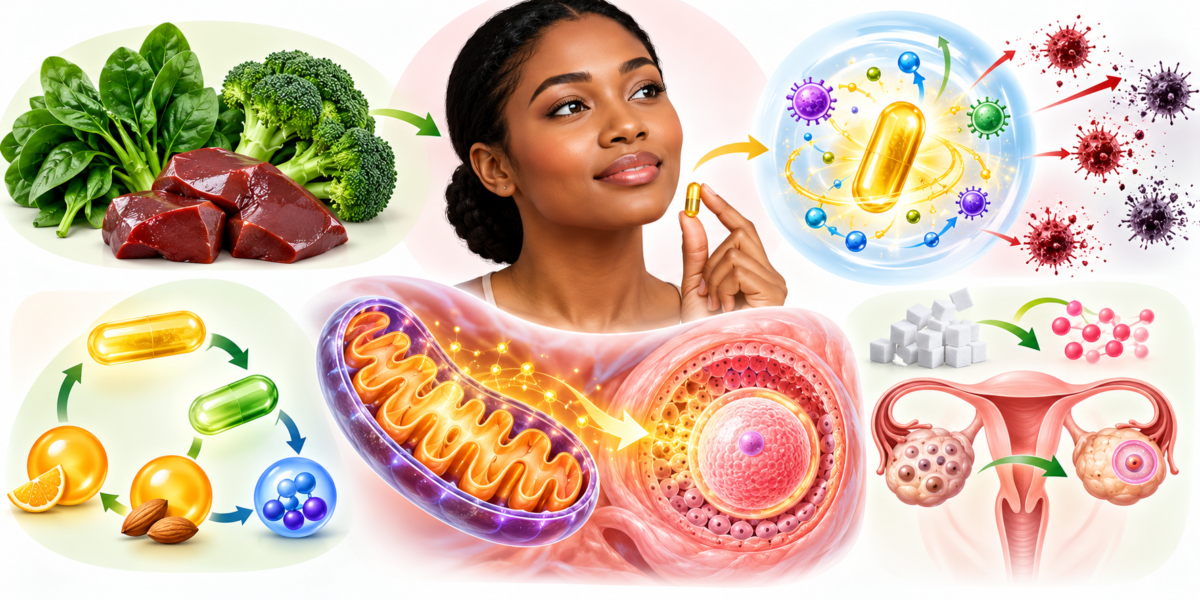
Alpha-lipoic acid (ALA) is a compound produced naturally by the body and found in small amounts in foods such as spinach, broccoli, and organ meats. It works as an antioxidant in both water and fat soluble environments, including the follicular fluid surrounding developing eggs.
Inside the body, ALA is converted into dihydrolipoic acid (DHLA), which helps recycle other antioxidants, including vitamins C and E and glutathione. ALA also supports mitochondrial energy metabolism, which is important for egg maturation and early embryo development.
ALA may also support insulin sensitivity, making it particularly relevant to research involving women with polycystic ovary syndrome (PCOS). Insulin resistance can contribute to elevated androgen levels and irregular ovulation in some women.
Potential benefits of ALA include:
- Supporting antioxidant protection in developing eggs
- Helping recycle other antioxidants
- Supporting mitochondrial energy production
- Potentially improving insulin sensitivity
- Supporting normal cellular energy metabolism
However, evidence that ALA supplementation directly improves fertility in humans remains limited. For another antioxidant studied in women with PCOS, see our guide to N-acetyl cysteine for PCOS and fertility.
Combining ALA With Other Fertility Antioxidants
ALA is sometimes discussed alongside other antioxidants because they support different processes involved in cellular protection and energy production.
- CoQ10: Supports mitochondrial energy production and has been studied for its potential role in egg health. Read our guide to the best CoQ10 supplements for fertility.
- Vitamins C and E: Help protect cells against oxidative damage. ALA may help regenerate these antioxidants.
- Glutathione: An important antioxidant produced by the body. ALA participates in antioxidant recycling, while N-acetyl cysteine (NAC) supports glutathione production.
Although these nutrients have complementary functions, there is limited evidence that combining them produces better fertility outcomes than using them individually. A healthcare professional can help you decide whether additional supplementation is appropriate.
Practical Guidance for Women Considering ALA Supplementation
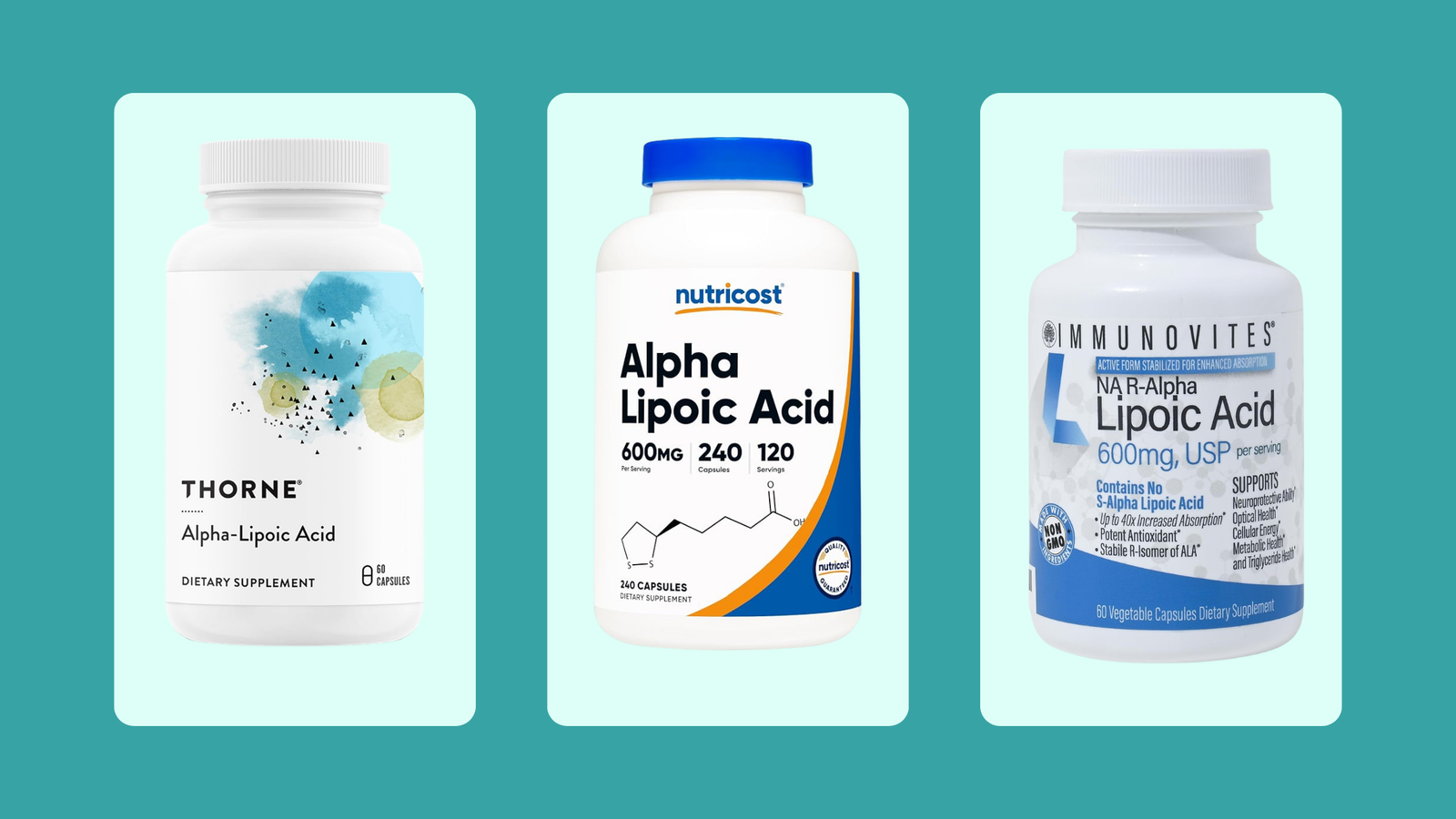
Alpha-lipoic acid supplements come in different forms. Some contain a mixture of R-lipoic acid and S-lipoic acid, while others contain only R-lipoic acid, the naturally occurring form used by the body. However, more research is needed to establish whether one form produces better fertility outcomes.
Before taking ALA, consider the following:
- Timing: Egg development takes several months, but this does not guarantee that taking ALA for three months will improve egg quality.
- Blood sugar: ALA may lower blood glucose. Speak with your healthcare provider if you have diabetes or take medication that lowers blood sugar.
- Thyroid conditions: If you have a thyroid disorder or take thyroid medication, consult your doctor before starting ALA.
- Pregnancy and fertility treatment: Safety information is limited for supplementation during pregnancy. Consult your fertility specialist before using ALA while trying to conceive or undergoing treatment.
- Product selection: Compare ingredients, dosage, and quality testing rather than relying on brand claims alone.
If you are preparing for pregnancy, our guide on how to prepare your body for pregnancy in 3 months offers additional guidance.
Frequently Asked Questions
How long does it take for alpha-lipoic acid to improve egg quality?
Egg maturation takes approximately 90 days, so most experts suggest taking ALA for at least three months before expecting measurable changes in egg quality. Consistency is key, and pairing it with other evidence-based interventions such as CoQ10 and folate may support better overall outcomes.
Can ALA help with low AMH or diminished ovarian reserve?
ALA does not directly raise AMH levels, but by reducing oxidative stress in remaining follicles it may help preserve the functional quality of the eggs that are present. Women with low AMH may benefit from a broader antioxidant and lifestyle protocol reviewed by a reproductive specialist. See also our guide on low AMH and natural supplement support.
Is alpha-lipoic acid safe to take during pregnancy?
Evidence on ALA safety in human pregnancy is limited. Most practitioners recommend stopping ALA supplementation once pregnancy is confirmed and switching to a comprehensive prenatal vitamin. Always discuss any supplement use during pregnancy with your obstetric or primary care provider before continuing.
A Word From Vitamins For Woman
Alpha-lipoic acid for egg quality and fertility represents a genuinely promising area of reproductive science, grounded in real mechanisms and supported by emerging clinical data. We encourage you to bring this information to your healthcare team and use it as a starting point for a personalised conversation, not a prescription.
References
- Moll et al. (2019). The effect of alpha-lipoic acid on the quality of human oocytes in assisted reproductive technology. Reproductive BioMedicine Online. PMID: 31327705. PubMed
- Cheshomi et al. (2021). Alpha-lipoic acid and its effects on oxidative stress markers in polycystic ovary syndrome: A systematic review. Phytotherapy Research. PMID: 33709447. PubMed
- Bentov et al. (2013). The use of mitochondrial nutrients to improve the outcome of infertility treatment in older patients. Fertility and Sterility. PMID: 23830307. PubMed
- Luddi et al. (2016). Antioxidants reduce oxidative stress in follicular fluid of aged women undergoing IVF. Reproductive Biology and Endocrinology. PMID: 27769249. PubMed
- de Lamirande et al. (2020). Mitochondrial function, oxidative stress, and reproductive outcomes: An update. International Journal of Molecular Sciences. PMID: 32512766. PubMed