Acetyl-L-carnitine for fertility is gaining serious attention in reproductive research, and for good reason. This naturally occurring amino acid derivative plays a central role in mitochondrial energy production and antioxidant defence, two processes that are essential for healthy egg quality and regular ovulation.
If you have been trying to conceive for months, or even longer, you already know how exhausting and emotionally draining that experience can be. You track your cycle, adjust your diet, and read every article you can find. Yet so many women still feel like a missing piece exists somewhere in their plan. That feeling is not irrational. For many women, cellular-level energy deficits and oxidative stress are quietly undermining egg quality in ways that no amount of positive thinking can fix on their own.
Egg quality declines with age because oocytes require enormous amounts of energy to mature and divide correctly. Mitochondrial dysfunction and oxidative damage are now recognised as two of the most important root causes of poor egg quality, irregular ovulation, and reduced ovarian reserve. These issues become more pronounced after 35, but they can affect women at any age, particularly those with polycystic ovary syndrome, endometriosis, or unexplained infertility.
In this article, you will understand exactly how acetyl-L-carnitine works at a cellular level, what the clinical research says about its effects on ovulation and egg quality, how it compares with and complements other fertility-focused nutrients, and how to choose a quality supplement.
How Acetyl L Carnitine Supports Egg Quality at the Cellular Level
Developing eggs need energy to mature, undergo cell division, and support early embryo development. Acetyl L carnitine (ALCAR) helps transport fatty acids into mitochondria, where they can be used to produce energy.
ALCAR also has antioxidant properties that may help protect cells from oxidative stress. Research has linked carnitine levels in follicular fluid with measures of egg quality and fertilisation, although this does not prove that taking ALCAR supplements improves fertility.
Carnitine may also support the granulosa cells that nourish developing eggs and help regulate the follicular environment. However, more human research is needed to establish whether ALCAR supplementation improves these processes in women.
Potential roles of ALCAR include:
- Supporting mitochondrial energy production
- Helping protect cells against oxidative stress
- Supporting the environment surrounding developing eggs
- Potentially supporting metabolic health in women with PCOS
For women exploring how to improve egg quality after 35, ALCAR is a nutrient of research interest, but its benefits for human fertility are not yet firmly established.
What the Research Says about Acetyl L Carnitine and Ovulation
Ovulation depends on coordinated hormonal signals, healthy follicle development, and adequate cellular energy. Problems with any of these processes can contribute to irregular or absent ovulation.
Carnitine supplementation has been studied in women with PCOS, particularly in combination with medications such as clomiphene citrate. Some research suggests potential benefits for ovulation and metabolic health, but findings from carnitine studies cannot automatically be applied to ALCAR supplements or interpreted as proof of improved pregnancy rates.
Thyroid function is another important consideration because thyroid disorders can interfere with menstrual regularity and ovulation. If you have a thyroid condition, discuss any proposed supplement with your healthcare provider. Our guide to thyroid health and conception explains this connection in more detail.
If you are considering ALCAR for ovulation support:
- Discuss supplementation with your healthcare provider before starting.
- Track your menstrual cycles if you have irregular periods.
- Include dietary sources of carnitine, such as meat, poultry, and dairy, if these are part of your diet.
- Review possible interactions with your medications, particularly if you take thyroid medication or metformin.
- Avoid relying on ALCAR as a substitute for investigating the cause of irregular ovulation.
You may also find our guide to natural supplement support for low AMH helpful if you have concerns about ovarian reserve.
Combining Acetyl L Carnitine With Other Fertility Nutrients
ALCAR is sometimes combined with other nutrients that support mitochondrial function and antioxidant protection. However, there is not enough evidence to conclude that combining these supplements improves fertility outcomes.
Some nutrients commonly discussed alongside ALCAR include:
- CoQ10: Supports mitochondrial energy production and has been studied in women undergoing fertility treatment. Read our guide to the best CoQ10 supplements for fertility.
- Alpha lipoic acid: An antioxidant involved in cellular energy metabolism that may help regenerate other antioxidants.
- N acetyl cysteine (NAC): Supports glutathione production and has been studied for metabolic health and ovulation in women with PCOS.
- Folate: Supports DNA synthesis and cell division and is essential before and during early pregnancy.
A prenatal vitamin can provide a nutritional foundation, while additional supplements should be chosen according to your individual needs. Having an MTHFR gene variant does not automatically mean you need methylfolate instead of folic acid.
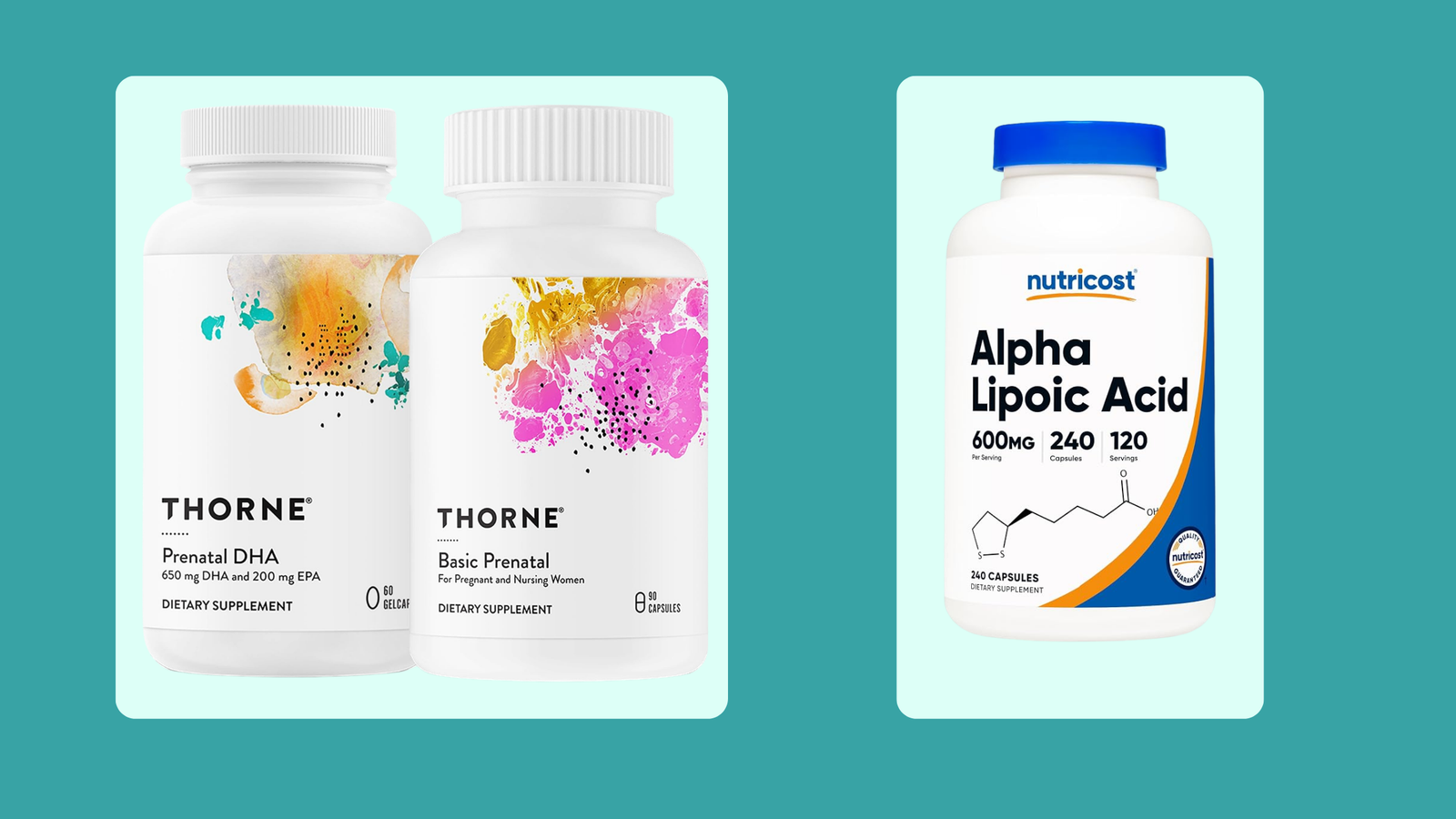
Products such as Thorne Basic Prenatal, NOW Foods Acetyl L Carnitine 500 mg, and various CoQ10 formulations are available, but compare their ingredients, doses, and quality testing before choosing a product. Brand reputation alone does not establish fertility benefits.
Remember that supplements work alongside, not instead of, a balanced diet, adequate sleep, regular movement, and appropriate medical care.
Who May Benefit Most and Important Safety Considerations
Researchers are particularly interested in carnitine supplementation for women with PCOS or metabolic concerns, but evidence is not yet strong enough to recommend ALCAR routinely for every woman trying to conceive.
Women over 35 and those undergoing IVF may also be interested in mitochondrial support. However, there is not enough evidence to establish that ALCAR improves egg quality, IVF success, or live birth rates in these groups.
ALCAR is generally tolerated by many adults, although it can cause side effects such as nausea, stomach discomfort, or diarrhoea.
Before using it, keep these precautions in mind:
- Thyroid conditions: Carnitine may interfere with thyroid hormone action. Discuss supplementation with your doctor if you have hypothyroidism or take thyroid medication.
- Pregnancy: Safety information is limited. Do not start ALCAR during pregnancy without medical advice.
- Medications and medical conditions: Ask your doctor or pharmacist about possible interactions, particularly if you take prescription medication or have an ongoing medical condition.
- Fertility treatment: Tell your fertility specialist about all supplements you use, especially before IVF or other assisted reproductive procedures.
For a broader overview of the evidence, see our guide to the best fertility supplements for women.
Frequently Asked Questions
How long does acetyl-L-carnitine take to improve egg quality?
Because follicle development takes approximately 90 days from recruitment to ovulation, most fertility researchers recommend supplementing for at least three months before expecting measurable changes in egg quality. Consistency over this window matters more than short-term high doses.
Can acetyl-L-carnitine help with PCOS-related infertility?
Yes, several randomised trials have examined carnitine supplementation in women with PCOS and found improvements in ovulation rates, insulin sensitivity, and hormonal profiles. It is not a replacement for medical treatment but may complement a holistic PCOS management plan.
Is acetyl-L-carnitine the same as L-carnitine?
They are related but distinct. Acetyl-L-carnitine crosses the blood-brain barrier more readily and is the acetylated form, which may offer enhanced antioxidant properties within follicular fluid. L-carnitine is the plain form used in most general energy metabolism research. Both have fertility-relevant actions.
A Word From Vitamins For Woman
Acetyl-L-carnitine shows genuine promise for improving egg quality and ovulation through well-understood mitochondrial and antioxidant mechanisms, but it works best as part of a thoughtful, comprehensive preconception plan. Please always involve your doctor or a qualified reproductive health specialist before starting new supplements, particularly if you are undergoing fertility treatment or managing a diagnosed condition.
References
- Longo N et al. (2016). Disorders of carnitine transport and the carnitine cycle. American Journal of Medical Genetics Part C. PMID: 27170295. PubMed
- Isachenko V et al. (2006). Carnitine in cryoprotective media for vitrification of human oocytes. Reproductive BioMedicine Online. PMID: 16454939. PubMed
- Agarwal A et al. (2004). Role of oxidative stress in female reproduction. Reproductive Biology and Endocrinology. PMID: 15140153. PubMed
- Samimi M et al. (2016). The effects of carnitine on ovulation and pregnancy rates in women with PCOS undergoing ovulation induction. Clinical Endocrinology. PMID: 26931055. PubMed
- Dunning KR et al. (2014). Beta-oxidation is essential for mouse oocyte developmental competence and early embryo development. Biology of Reproduction. PMID: 24451990. PubMed