Many women find themselves navigating the rollercoaster of hormonal fluctuations, especially when it comes to menstruation, fertility, or menopausal changes. If you’ve ever felt overwhelmed by mood swings, unwanted weight gain, or difficulties conceiving, you’re not alone. These challenges can make you feel disconnected from your body, leaving you yearning for clarity and balance.
Hormonal imbalances are often rooted in lifestyle factors, stress, and nutrient deficiencies. It’s crucial to recognize that you can actively influence your hormonal health through natural means. Often times, women overlook the potential of herbal remedies, particularly Vitex, also known as chaste tree berry, which has been used for centuries to support hormonal balance and enhance fertility.
In this guide, we’ll show you how Vitex can aid in hormone balance and conception. You’ll discover practical tips for incorporating this powerful herb into your routine, understand its benefits supported by research, and find product recommendations that align with your health goals.
Understanding Vitex: What is it and How Does it Work?
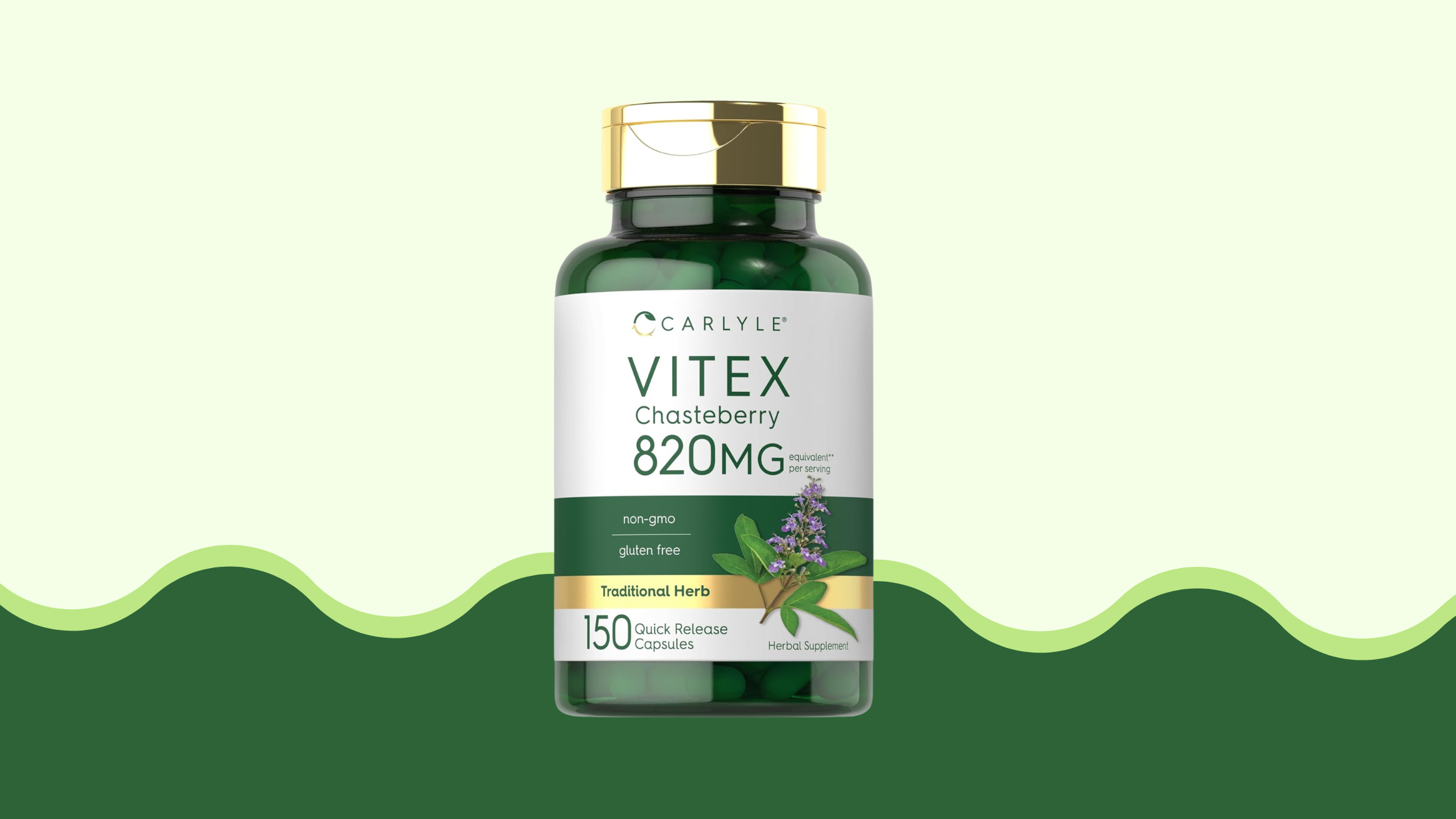
Imagine standing in a herbal shop, surrounded by scents of dried plants and tinctures, and you come across Vitex, often labeled as a “hormone balancer.” It might look innocuous, but this herb is a powerhouse when it comes to supporting women’s hormonal health. Vitex agnus-castus, commonly known as chaste tree berry, has gained popularity in recent years for its role in addressing various hormonal issues.
So, how does Vitex actually work? The therapeutic effects of Vitex are primarily attributed to its impact on the pituitary gland, which plays a crucial role in hormone regulation. This herb helps to enhance dopamine levels while reducing levels of prolactin, a hormone that can interfere with normal ovulation and menstrual cycles. Many women seek Vitex for improving irregular menstrual cycles, alleviating PMS symptoms, and even enhancing fertility.
Take Sarah, for example. After struggling with irregular periods and emotional symptoms associated with PMS, she decided to try Vitex. Within a couple of months, she noticed a regularization of her cycle and lessened mood swings. However, it’s important to remember that while Vitex can be beneficial, it might not be a one-size-fits-all solution, and women should be aware of individual responses.
Those seeking to enhance their fertility should also take note. Research indicates that Vitex can help women who are having difficulty conceiving due to hormonal imbalances. It promotes balance, setting the stage for natural conception by enhancing ovulation and reestablishing hormone balance.
- Start with a low dose of Vitex and gradually increase it, monitoring your body’s reactions.
- Take Vitex consistently for at least three months for optimal results, as it might take time to see the effects.
- Consult a healthcare provider familiar with herbal supplements to determine if Vitex is right for you.
- Consider lifestyle factors such as diet and stress management for a holistic approach to hormonal health.
- Track your cycle to observe improvements and changes while using Vitex.
Vitex isn’t a quick cure; it’s a part of a broader strategy for hormonal health. As every woman’s body is different, be sure to take your personal health history into account.
How to Incorporate Vitex into Your Daily Routine
Picture this: you’ve decided to embark on a journey toward better hormonal balance through Vitex. But now comes the question: how do you seamlessly weave this powerful herb into your daily routine?
First and foremost, determine your form of Vitex. It’s available in various options including capsules, tinctures, and teas. Capsules might offer the easiest route for busy schedules, while tinctures can be quickly added to water or tea for a more tailored experience. Consider your preferences as you begin your journey with Vitex.
Dosage is an essential consideration as well. Most research suggests an average dosage of 20-40 mg of a standardized extract daily. However, it’s vital to consult with a healthcare professional to tailor the dose that fits your individual needs. For instance, if you’re only noticing mild changes, a lower dose might be all you need.
Also know that consistency is key. To experience the full benefits of Vitex, taking it at the same time every day can help maintain steady levels in your system. You might choose to associate Vitex with a daily habit, like having it with your morning tea or at night before bed.
Furthermore, creating a supportive environment can elevate your experience. This can include stress management practices like yoga, meditation, or journaling. As you nurture your body with herbs like Vitex, pairing it with mindfulness practices can amplify your progress towards hormone balance.
- Identify the best form of Vitex for your lifestyle preferences (capsules, tinctures, etc.).
- Take Vitex consistently, ideally at the same time each day for optimal results.
- Incorporate stress-reducing practices such as meditation or yoga into your routine.
- Monitor your body’s response and adjust dosage with the guidance of a healthcare professional.
- Stay hydrated and fuel your body with a nourishing diet rich in whole foods.
As you embark on this journey, remember it’s not just about taking a supplement; it’s about fostering a holistic lifestyle that supports your hormonal health.
Potential Side Effects and Cautions of Vitex
As with any supplement, it’s paramount to consider the potential side effects and cautions associated with Vitex. Some women may find that while they experience benefits, they may also encounter unwanted effects. The most common side effects include gastrointestinal discomfort, headaches, or skin reactions.
For instance, Lisa, a woman who used Vitex, initially felt great improvement with her cycles. However, after a few weeks, she began experiencing mild headaches. This is a scenario that underscores the importance of listening to your body. Before continuing her use, she consulted her healthcare provider to assess the issue.
Moreover, women who are pregnant, planning to become pregnant, or breastfeeding should exercise caution and refrain from using Vitex without medical oversight, as it can affect hormonal balance. Additionally, Vitex may interact with certain medications, especially those affecting hormonal pathways, such as birth control pills.
If you’re considering Vitex, keep in mind that it’s best to undertake a thorough consultation with a healthcare provider who understands herbal medicine—especially if you have existing health conditions or are on medications. Understanding the potentials and risks allows you to make an informed decision about incorporating Vitex into your wellness routine.
- If you experience side effects like headaches or gastrointestinal discomfort, consider adjusting your dosage or discontinuing the use.
- Consult with a healthcare professional prior to using Vitex, especially if you’re pregnant or breastfeeding.
- Monitor your body’s response and keep an open dialogue with your healthcare provider regarding adjustments.
- Take note of any changes in your menstrual cycle, and consult your provider if abnormalities persist.
- View Vitex as part of a broader wellness strategy, including diet, exercise, and mental health.
Addressing hormonal balance is a complex task—it often requires patience, understanding, and a multifaceted approach.
Frequently Asked Questions
What is Vitex and how does it work?
Vitex, commonly known as chaste tree berry, is an herb traditionally used to balance hormones in women. It primarily affects the pituitary gland, helping to regulate the secretion of prolactin and supporting menstruation and fertility. By modulating hormonal levels, it can alleviate symptoms of PMS and enhance overall reproductive health.
How long does it take to see results from Vitex?
Generally, women may begin to see improvements in their symptoms after taking Vitex for 3 to 6 months. However, this timeline varies significantly based on individual body responses, hormonal imbalances, and adherence to dosage. Consistency is crucial for realizing its benefits.
Can I take Vitex if I’m on birth control?
It’s recommended to consult with a healthcare provider before taking Vitex if you’re using hormonal birth control. Vitex can potentially affect hormone levels, which may compromise the effectiveness of contraceptives. A thorough discussion will ensure that your long-term health goals are met.
Are there any known side effects of Vitex?
While Vitex is generally well tolerated, some women report side effects such as headaches, gastrointestinal discomfort, or skin reactions. Should you experience any adverse effects, it’s wise to consult a healthcare provider. Monitoring your response is essential for safe use.
Is Vitex suitable for pregnant or breastfeeding women?
Vitex is not generally recommended for women who are pregnant or breastfeeding, as it can influence hormone levels. It’s crucial to get personalized advice from a healthcare professional before considering Vitex during these stages of motherhood.
A Word From Vitamins For Woman
If you’re feeling overwhelmed by hormonal fluctuations, it’s essential to know that you’re not alone on this journey. The path to hormonal balance may involve trial and error, but with patience and the right support, there is hope. Empower yourself by taking action with natural remedies like Vitex, alongside a healthy lifestyle. Remember, your journey is uniquely yours, and taking small steps can lead to significant changes.
References
- Draxl M. et al. (2020). The role of Vitex agnus-castus in reproductive health: A review. European Journal of Complementary Medicine.
- Anderson D. et al. (2021). Herbal Therapies for Female Fertility: Clinical Question and Review. Journal of Herbal Medicine.
- Smith R. et al. (2019). Vitex agnus-castus: A review of the evidence for its use in treating PMS. Nutrients.
- Reeves E. et al. (2018). Exploring the effects of Vitex agnus-castus on women’s health. Journal of Alternative and Complementary Medicine.
- Williams M. et al. (2020). Evaluating the hormonal effects of chaste tree extract in women. Journal of Obstetrics and Gynaecology.