
The world around us often passes in vibrant hues and striking contrasts, but what happens when those details start to blur? Ask any woman experiencing the subtle shifts in her vision as she navigates through her busy life—whether it’s struggling to read a grocery list or wishing her distance vision was sharper. You are not alone in this journey, and the degradation of eyesight can be a common experience as we age, often attributed to diminishing nutritional levels. However, there’s hope and empowerment in understanding how to combat this with appropriate nutrients.
Our eyesight isn’t simply shaped by the optical wonders bestowed upon us at birth; it also pivots significantly on the nutrients we ingest. These vital elements act as building blocks for our overall health, but many times we overlook how essential they are, particularly for eye health as we grow older. Symptoms like fatigue, dryness, and blurry vision are often signs pointing back to our dietary habits rather than just age. Without proper nutrients that improve eyesight, we might face increasing eye strain and potential disorders.
In the following sections, we will dive into the specific nutrients crucial for eye health and how to best incorporate them into your daily routine. You’ll learn about practical dietary choices and the power of supplementation. To make your journey easier, we’ll also highlight some excellent products tailored to support your eye health. Get ready to transform your approach to nutrition and empower your vision!
Nutrients Crucial for Eye Health
Picture yourself relaxing in the afternoon sun, hoping to enjoy the warmth while reading a good book. However, discomfort from squinting or dry eyes steals away the joy of this moment. It’s a scenario too many women face when their eye health begins to decline. What you may not realize is that many of these issues stem from deficiencies in essential nutrients vital for maintaining clear and vibrant vision.
Two powerful nutrients you might not be fully aware of are Lutein and Zeaxanthin. These carotenoids are found in high concentrations in leafy greens and are recognized for their role in filtering harmful blue light and protecting the retina. Research shows that diets rich in these nutrients can lead to less risk of age-related macular degeneration (AMD), a leading cause of vision loss. Imagine the comfort of reading without discomfort simply by ensuring you have leafy greens or avocados on your plate.
- Include spinach, kale, and eggs in your meals. These foods are high in Lutein and Zeaxanthin.
- Consider adding a supplement like Nature’s Way EstroSoy Premium Blend for Bone Support into your daily routine to enhance your nutrient intake.
- Snack on fruits like kiwi and grapes that are rich in vitamins C and E, powerful antioxidants important for eye health.
Another essential nutrient is Omega-3 fatty acids, commonly found in fatty fish such as salmon. These essential fats have been found to decrease the risk of dry eyes and improve overall eye comfort. On days when you can’t make it to the market for fresh fish, an economical alternative would be supplements like Sports Research Collagen Peptides, which also support eye health in additional ways.
Don’t forget about the power of Vitamin A, the nutrient often linked with improved vision in dim light. Consuming rich sources of this vitamin, such as carrots and sweet potatoes, can support your eyesight significantly as well. One might think that just a bit of carrot would suffice, but those unlock the full potential of this antioxidant-rich powerhouse and improve not only your eyesight but the overall protection of your ocular system.
How Lifestyle Choices Influence Eye Health
Think about your typical day. You might start with a cup of coffee while browsing on your smartphone during breakfast. This seemingly innocuous routine could be affecting your eyesight more than you realize. Prolonged screen time affects eye comfort and can lead to issues like eye strain or discomfort. Poor lifestyle choices can significantly influence the nutrients your eyes receive or fail to receive.
First on the agenda is managing screen time. With each passing year, the amount of time we spend staring at screens increases, contributing to a phenomenon known as digital eye strain. Incorporating the 20-20-20 rule can help alleviate this: every 20 minutes, look at something 20 feet away for 20 seconds. This simple practice can not only relieve fatigue but allows your eyes to refocus and rejuvenate.
- Schedule regular breaks from screens; set a reminder if necessary.
- Use blue light blocking glasses when using electronic devices.
- Engage regularly in activities that encourage using your vision in varied distances like outdoor walks or puzzles.
Another crucial choice is hydration. Water serves as the lubricant for our eyes and ensures they remain comfortable throughout the day. Dehydration can exacerbate feelings of dryness and fatigue. Opt for hydrating foods—think cucumbers, celery, and throw in some smoothies to up your nutrient and hydration game.
Additionally, quality sleep acts as a restorative mechanism. Lack of sleep can strain the eyes and exacerbate dryness. Including foods that promote better sleep, like almonds or turkey, can have profound effects on overall wellness, particularly your eye health.
The Role of Supplements
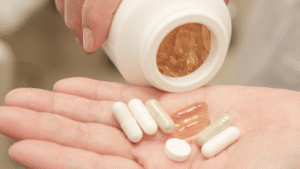
If you find it challenging to obtain all of your required nutrients from food alone, supplements can serve as a practical and effective solution. Picture standing in the supplement aisle at your local store, overwhelmed by choices, unsure of what will actually benefit your eyesight. Understanding key nutritional components can simplify this decision-making process significantly.
Look for supplements rich in Lutein and Zeaxanthin, specifically formulated for eye health. Preparations like Ancient Nutrition Multi Collagen Protein and Nutrafol Women Hair Growth Supplements not only enhance your general nutrition but also support ocular clarity. Just be cautious of overload; consult with a healthcare provider about the appropriate dosages for your specific needs.
Moreover, supplements like Olly Undeniable Beauty Gummies blend essential vitamins that can work in concert with traditional dietary sources, effectively improving health from the inside out. These can help you integrate your eye care routine readily into your daily life.
- Regularly integrate Omega-3 supplements into your routine—these fatty acids have protective qualities for your vision.
- Consider adding products like Vital Proteins Collagen Peptides for an extra boost to both skin and eye resilience.
- Seek specific herbal formulations, such as Goli Apple Cider Vinegar Gummies, well-known for their broad range of health benefits including ocular clarity.
Lastly, be vigilant about how your personal hormonal balance influences eye health, as conditions such as menopause can affect vision shifts. Products like Amberen Menopause Supplement for Women may help harmonize those hormonal fluctuations. Always ensure that whatever supplements you choose align well with your overall health strategy.
Frequently Asked Questions
1. What natural foods support eye health? A healthy diet rich in vegetables, especially leafy greens, carrots, and fruits like blueberries supports eye health. Incorporating Omega-3 fatty acids from fish and nuts is also beneficial.
2. How do I know if I need supplements for my eyesight? If you struggle to consume a variety of nutrients through food alone or experience symptoms like frequent eye fatigue or dryness, consider consulting a healthcare provider for guidance on supplementation.
3. Are there any long-term benefits to taking eye health supplements? Long-term use of eye health supplements may contribute to a reduced risk of age-related changes and conditions like macular degeneration, particularly in those over 50.
4. How much Lutein and Zeaxanthin should I aim to consume? Research suggests an intake of about 6-10 mg of Lutein and Zeaxanthin combined daily for significant health benefits. Check with a specific supplement for adequate dosing.
5. Is screen time damaging for my eyes? Extended screen time contributes to digital eye strain, leading to discomfort and blurred vision. Utilizing proper screen breaks and hydration are effective preventive measures.
A Word From Vitamins For Woman
Understanding the struggle to maintain vibrant eye health can be disheartening, but know that you have the power to combat it through informed choices. With the right nutrients and lifestyle adjustments, you can reclaim your visual clarity and comfort. Start incorporating eye-friendly foods and supplements into your daily routine today, taking that first empowering step towards a brighter future. Your eyesight deserves the best care, and so do you!
References
- Chiu, C.J., et al. (2015). Nutritional Supplements for Ocular Health. Journal of American Academy of Ophthalmology. https://pubmed.ncbi.nlm.nih.gov/…
- Ma, L., et al. (2020). Dietary Lutein and Zeaxanthin and Age-Related Macular Degeneration. Nutrients. https://pubmed.ncbi.nlm.nih.gov/…
- SanGiovanni, J.P., et al. (2016). Ocular Omega-3 Fatty Acids: A Review of the Literature. Nutrition Reviews. https://pubmed.ncbi.nlm.nih.gov/…
- Smith, K.A., et al. (2018). Beta carotene and vision health. Journal of Nutrition. https://pubmed.ncbi.nlm.nih.gov/…
- Wu, H., et al. (2019). The role of Vitamin A in retinal function. Journal of Vision Research. https://pubmed.ncbi.nlm.nih.gov/…