Getting a low AMH result can feel like the ground has shifted beneath your feet. Anti-Müllerian hormone is often described as a measure of your “egg supply,” and when numbers come back lower than expected, the emotional impact can be profound — especially if you’ve been trying to conceive. Many women feel a mix of grief, urgency, and confusion, unsure whether there’s anything they can actually do to change the outcome.
Low AMH doesn’t arise out of nowhere. The most common causes include advancing reproductive age, endometriosis, autoimmune conditions affecting the ovaries, prior ovarian surgery, chemotherapy or radiation exposure, and genetic factors such as fragile X premutation. Lifestyle contributors — chronic stress, smoking, nutritional deficiencies, and environmental toxin exposure — can also accelerate the natural decline of ovarian reserve. Understanding the root cause is an important first step before exploring any supportive strategy.
In this article, we’ll explore what low AMH actually means for your fertility, which nutrients and botanical supplements have the strongest evidence for supporting ovarian health, and how lifestyle changes and targeted supplementation work together. You’ll also find answers to the most common questions women ask after a low AMH diagnosis, so you can approach next steps with clarity and confidence.
What Low AMH Actually Means for Your Fertility
Anti-Müllerian hormone is produced by the granulosa cells of small antral follicles in the ovaries. A low reading — generally below 1.0 ng/mL, though reference ranges vary by laboratory and age — suggests a reduced pool of remaining follicles. It’s important to understand that AMH reflects quantity, not necessarily quality. A woman with low AMH can still produce healthy, fertilisable eggs, though the window for conception may be narrower.
Clinicians use AMH alongside antral follicle count (AFC) and day-3 FSH levels to build a fuller picture of ovarian reserve. A single low AMH result should never be read in isolation. Research published in Human Reproduction has confirmed that AMH fluctuates cyclically and can even vary between laboratory assays, meaning one borderline result warrants repeat testing before major decisions are made.
Importantly, studies have shown that women with low AMH can and do conceive naturally. A landmark cohort study found that among women not using contraception, those with low AMH had similar rates of conception over 12 months compared to those with normal levels, particularly in women under 35. The ovarian reserve marker tells you about the size of the pool — it says less about the quality of the eggs remaining.
Where AMH becomes most clinically relevant is in the context of assisted reproduction, where it helps predict ovarian response to stimulation. Women with low AMH tend to produce fewer eggs during IVF retrieval, which can reduce the number of embryos available. For this reason, many reproductive endocrinologists recommend beginning supportive strategies — including targeted supplementation — well before a planned IVF cycle. Our article on how to improve egg quality after 35 covers complementary approaches in depth.
- Request both AMH and antral follicle count for a complete ovarian reserve assessment
- Repeat borderline AMH results at a different laboratory or during a different cycle phase
- Do not interpret low AMH as an inability to conceive — it is a marker of reserve, not a verdict
- Discuss your result with a reproductive endocrinologist before making treatment decisions
- Begin lifestyle and supplement strategies at least 3 months before a planned IVF cycle to support the full follicular maturation window
Key Supplements with Evidence for Ovarian Reserve Support
Several nutrients and botanical compounds have been studied specifically in the context of diminished ovarian reserve and low AMH. The strongest evidence centres on antioxidants, mitochondrial support agents, and hormonal modulators that act on the granulosa cells responsible for AMH production.
CoQ10 (Ubiquinol) is perhaps the most well-researched supplement in this space. Mitochondrial function is critical to egg quality, and CoQ10 serves as a key cofactor in the mitochondrial electron transport chain. A randomised controlled trial published in the Journal of Clinical Endocrinology & Metabolism found that CoQ10 supplementation improved ovarian response and egg quality in poor responders undergoing IVF. Our detailed review of the best CoQ10 supplements for fertility outlines the most bioavailable forms and dosing protocols.
DHEA has been studied extensively in women with diminished ovarian reserve. As a precursor to androgens and oestrogens, DHEA may improve the ovarian microenvironment and support follicular recruitment. Meta-analyses have reported improved AMH levels and higher live birth rates in IVF cycles following DHEA supplementation. For a thorough breakdown, see our page on DHEA supplement for diminished ovarian reserve.
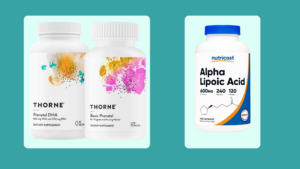
Myo-inositol, particularly in combination with D-chiro-inositol at a 40:1 ratio, has shown promise for improving oocyte quality and ovarian function, even in women without PCOS. Vitamin D deficiency has been correlated with lower AMH levels in multiple observational studies, making repletion an important baseline intervention. N-acetyl cysteine (NAC) supports glutathione production and reduces oxidative stress in ovarian tissue. Melatonin, as a potent antioxidant, has been shown to improve oocyte quality in women undergoing IVF by protecting follicular fluid from oxidative damage.
- CoQ10 (ubiquinol form, 200–600 mg daily) for mitochondrial and egg quality support
- DHEA (25–75 mg daily, under medical supervision) to improve ovarian microenvironment
- Myo-inositol plus D-chiro-inositol (4000 mg / 100 mg daily) for oocyte quality
- Vitamin D3 (aim for serum levels above 40 ng/mL; supplement dose based on blood test results)
- NAC (600 mg daily) or melatonin (3 mg nightly) as additional antioxidant support
If you’re exploring hormone-balancing blends, Wholesome Story Myo Inositol and D Chiro Inositol for Hormone Balance provides the clinically relevant 40:1 ratio in an easy-to-use powder form. For broader hormone and cycle support, Pink Stork Fertility Support Hormone Balance Supplement combines several evidence-informed herbs targeting reproductive hormone balance.
The Role of Diet and Lifestyle in Protecting Ovarian Reserve
Supplements work best as part of a broader strategy that includes meaningful dietary and lifestyle changes. Oxidative stress is one of the primary drivers of accelerated follicular depletion, and the foods you eat every day either fuel or fight that process. A Mediterranean-style diet — rich in antioxidants, omega-3 fatty acids, whole grains, legumes, and colourful vegetables — has been associated with better ovarian reserve markers and improved IVF outcomes in multiple prospective studies.
Omega-3 fatty acids deserve special mention. DHA and EPA found in oily fish and algae-based supplements have anti-inflammatory effects that may protect granulosa cells from oxidative damage. Research published in Nutrients has linked higher omega-3 intake with improved oocyte quality and embryo development. Conversely, diets high in trans fats, refined carbohydrates, and ultra-processed foods have been negatively associated with ovarian function and cycle regularity.
Chronic psychological stress elevates cortisol and may impair GnRH pulsatility, disrupting the hormonal cascade that drives follicular development. Mind-body practices — including yoga, mindfulness meditation, and acupuncture — have shown modest but encouraging effects on reproductive hormone profiles in women with fertility challenges. Sleep quality also matters; melatonin, produced during deep nocturnal sleep, plays a direct antioxidant role in follicular fluid.
Body weight sits at both ends of a spectrum. Both excessive adiposity and very low body weight disrupt the hypothalamic-pituitary-ovarian axis, affecting FSH and LH pulsatility. Achieving and maintaining a healthy weight through nutrient-dense eating and regular moderate-intensity exercise is one of the most evidence-supported steps a woman can take to optimise her remaining ovarian reserve. Avoiding environmental toxins — including BPA-containing plastics, phthalates in personal care products, and pesticide residues — is increasingly recognised as a modifiable risk factor for ovarian ageing.
Building a Practical Supplement Protocol for Low AMH
Creating a workable supplement routine requires balancing the evidence base with individual circumstances, budget, and tolerance. A reproductive endocrinologist or integrative fertility specialist can help personalise a protocol, particularly around DHEA, which requires monitoring of androgen levels. For most women, a foundational approach makes sense: start with a high-quality prenatal multivitamin that includes methylfolate (not folic acid alone), vitamin D3, iodine, and iron. From there, add targeted supplements based on your specific situation.
Timing matters. The window from primordial follicle recruitment to ovulation spans approximately 120 days, which means the nutritional environment you create today begins influencing the eggs that will mature roughly three to four months from now. This is why reproductive medicine specialists generally recommend beginning a comprehensive supplement protocol at least three months before a planned conception attempt or IVF cycle. Our overview of how to prepare your body for pregnancy in 3 months offers a practical timeline and checklist.
Regular monitoring is essential. Schedule AMH retesting every six months to assess whether your protocol is having an effect, and work with your doctor to adjust as needed. Keep a supplement journal noting when you started each product, any side effects, and how your cycle regularity and energy levels change over time. This data will be invaluable both for self-tracking and for any conversations with your fertility specialist.
Frequently Asked Questions
Can supplements actually raise AMH levels?
Some studies have shown modest AMH increases with CoQ10, DHEA, and vitamin D supplementation, particularly in women with deficiency-related decline. However, supplements are more reliably associated with improving egg quality and ovarian response than with dramatically raising AMH numbers. Individual results vary widely depending on age and underlying cause.
How long does it take to see results from fertility supplements?
Because follicular maturation takes approximately 90 to 120 days, most specialists recommend committing to a supplement protocol for at least three to four months before evaluating its impact. Retesting AMH after six months of consistent supplementation gives the most meaningful data. Patience and consistency are essential components of any ovarian support strategy.
Is DHEA safe to take without a doctor’s supervision?
DHEA is available over the counter in many countries but should ideally be taken under medical supervision when used for fertility purposes. Excess androgen levels can disrupt ovarian function and cause unwanted side effects. A baseline blood test measuring testosterone and DHEA-sulfate before starting, and monitoring during use, is strongly recommended by most reproductive endocrinologists.
Does low AMH mean I cannot conceive naturally?
No — low AMH does not preclude natural conception, especially in women under 35. Research shows that natural conception rates in women with low AMH are comparable to those with normal levels when followed over 12 months. AMH reflects the size of the remaining follicle pool, not the viability of individual eggs that remain available for fertilisation.
Should I take a prenatal vitamin even while trying to conceive?
Yes. A high-quality prenatal multivitamin containing methylfolate, vitamin D, iodine, and choline provides the nutritional foundation that supports both egg quality and early embryo development. Beginning prenatal supplementation at least one to three months before conception is universally recommended by reproductive medicine guidelines and major obstetric organisations worldwide.
A Word From Vitamins For Woman
A low AMH result is not the end of your fertility story — it is a data point that invites proactive, informed action. The evidence supporting targeted natural supplement support alongside dietary and lifestyle optimisation continues to grow, offering genuine reasons for cautious optimism. We encourage every woman navigating this journey to work closely with a qualified reproductive specialist while exploring the foundational nutritional strategies outlined here. You deserve both expert medical care and the confidence that comes from knowing you are doing everything within your power to support your body.
References
- Bentov Y, Casper RF. (2013). The aging oocyte — can mitochondrial function be improved? Fertility and Sterility. https://pubmed.ncbi.nlm.nih.gov/23274017/
- Gleicher N, Barad DH. (2011). Dehydroepiandrosterone (DHEA) supplementation in diminished ovarian reserve (DOR). Reproductive Biology and Endocrinology. https://pubmed.ncbi.nlm.nih.gov/21575187/
- Irani M, Merhi Z. (2014). Role of vitamin D in ovarian physiology and its implication in reproduction: a systematic review. Fertility and Sterility. https://pubmed.ncbi.nlm.nih.gov/24685753/
- Steiner AZ, Pritchard D, Stanczyk FZ, et al. (2017). Association between biomarkers of ovarian reserve and infertility among older women of reproductive age. JAMA. https://pubmed.ncbi.nlm.nih.gov/28324066/
- Xu Y, Nisenblat V, Lu C, et al. (2018). Pretreatment with coenzyme Q10 improves ovarian response and embryo quality in low-prognosis young women with decreased ovarian reserve. Reproductive Biology and Endocrinology. https://pubmed.ncbi.nlm.nih.gov/29587861/