You have been tracking your cycle, taking your supplements, and doing everything right — and yet something still feels off. Maybe your luteal phase is too short, your temperatures drop too early, or you have experienced the heartbreak of early pregnancy loss. For many women, low progesterone quietly sits at the center of these struggles, a hormonal shortfall that is easy to overlook but deeply consequential for fertility.
Progesterone is the hormone that prepares the uterine lining for implantation, maintains early pregnancy, and regulates the second half of the menstrual cycle. When levels fall short, the result can be a luteal phase defect, poor implantation, or recurrent miscarriage. Root causes include chronic stress, thyroid dysfunction, PCOS, low LH, aging ovaries, and nutritional deficiencies. Identifying the underlying driver matters as much as choosing the right form of supplementation.
This article walks you through the clinical and practical differences between progesterone cream and oral progesterone for fertility — including how each is absorbed, what the research shows about effectiveness, who may benefit most from each approach, and how to support your hormonal health holistically. Understanding your options puts you in a much stronger position when speaking with your healthcare provider.
How Progesterone Cream Works and What the Research Shows
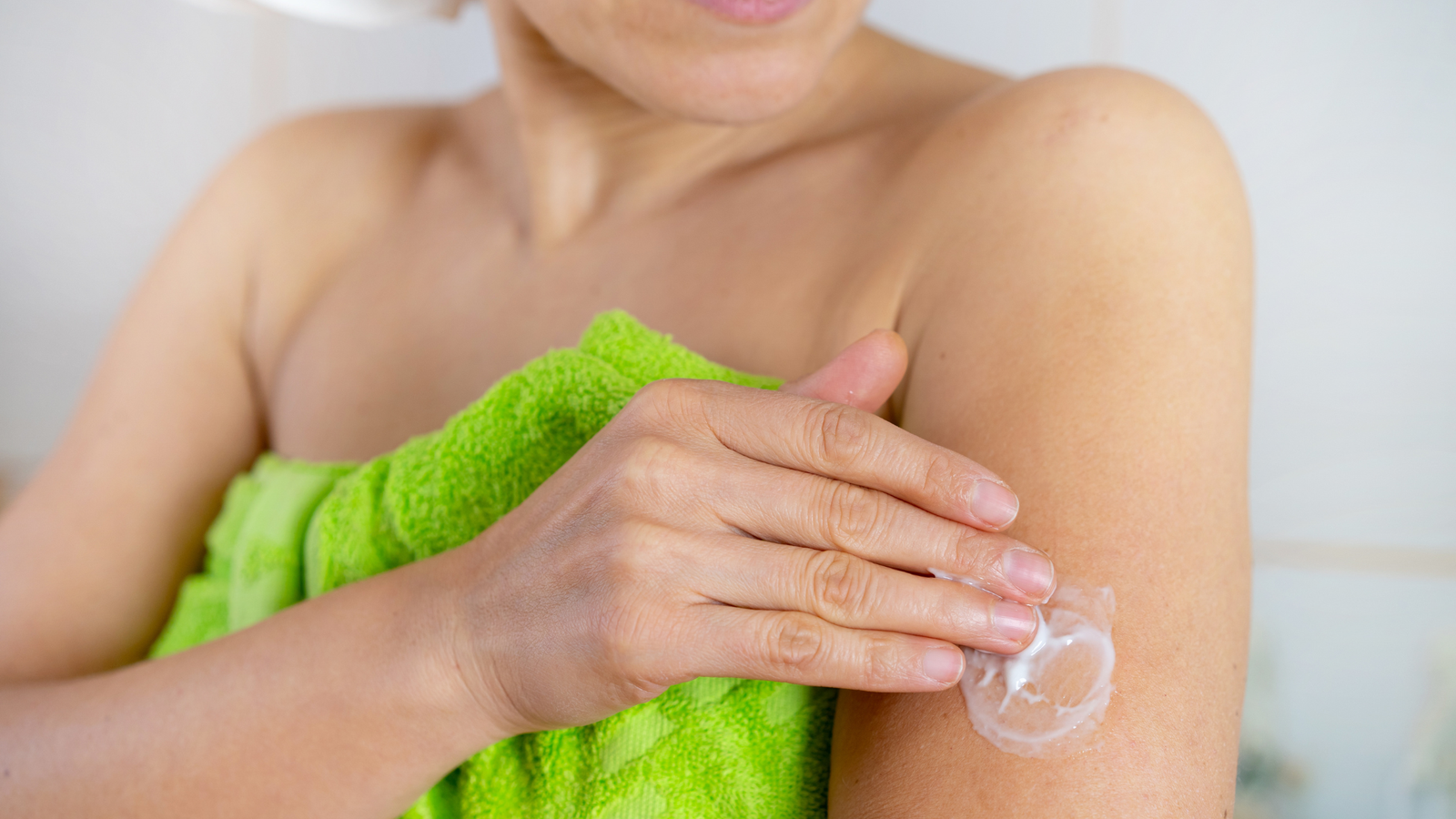
Progesterone cream is a topical preparation applied to thin-skinned areas of the body, such as the inner wrist, inner arm, neck, or chest. It is available both over-the-counter in low-dose formulations and by prescription as a compounded bioidentical cream at higher concentrations. The hormone is absorbed transdermally — meaning it passes through the skin into the bloodstream and subcutaneous fat tissue.
One of the most important things to understand about progesterone cream is how it distributes in the body. Research published in the journal Fertility and Sterility has shown that topically applied progesterone accumulates preferentially in fat tissue and red blood cells rather than circulating freely in serum. This means standard serum progesterone tests may significantly underestimate actual tissue levels in cream users, which can complicate clinical monitoring.
Salivary progesterone testing is sometimes considered more reflective of tissue bioavailability in cream users, though this method is not yet universally standardized. For fertility purposes, many reproductive endocrinologists remain cautious about relying on cream alone for luteal phase support, particularly in women undergoing IVF or with documented luteal phase defects, because of this absorption variability.
That said, lower-dose OTC creams containing wild yam extract should be distinguished from true progesterone creams. Wild yam contains diosgenin, a precursor that the human body cannot convert to progesterone on its own — so these products have no meaningful hormonal effect. Always look for creams that list USP progesterone as an active ingredient.
Supporting your overall hormonal environment matters too. Products like Happy Healthy Hippie Go With The Flow Hormone Balance for Women and Gaia Herbs Vitex Berry Hormone Balance for Women may offer complementary support alongside medical progesterone therapy, particularly for cycle regulation.
- Use only USP progesterone creams — avoid products containing only wild yam extract
- Apply to thin-skinned areas and rotate sites daily to prevent saturation
- Discuss salivary or dried urine testing with your doctor if using cream, as serum levels may be misleading
- Compounded prescription creams offer higher, more consistent doses than OTC versions
- Topical progesterone is generally well-tolerated but may be insufficient for IVF luteal support
Oral Progesterone: Absorption, Micronization, and Fertility Outcomes
Oral progesterone, most commonly prescribed as micronized progesterone (brand name Prometrium in the US), is taken by mouth and absorbed through the gastrointestinal tract. Micronization — the process of reducing progesterone into extremely small particles — dramatically improves bioavailability compared to conventional oral progesterone, which was largely ineffective due to rapid first-pass metabolism in the liver.
When micronized progesterone is swallowed, it undergoes significant hepatic first-pass metabolism, producing neurosteroid metabolites such as allopregnanolone. These metabolites interact with GABA receptors in the brain, which explains why oral progesterone commonly causes drowsiness. For this reason, it is typically prescribed at bedtime. This side effect profile is quite different from vaginal or topical delivery, where neurosteroid production is reduced.
Despite its sedative effects, oral micronized progesterone is widely used in fertility medicine. A landmark Cochrane review found that progesterone supplementation during the luteal phase significantly reduces the risk of miscarriage in women with recurrent pregnancy loss. Oral micronized progesterone at 400 mg daily (administered vaginally in many protocols, but also used orally) has been validated in large randomized controlled trials, including the PROMISE and PRISM trials published in The New England Journal of Medicine and The Lancet.
Serum monitoring of progesterone is more reliable with oral administration compared to cream, making it easier for clinicians to adjust dosing. Women with early pregnancy support needs or those undergoing assisted reproduction are typically prescribed oral or vaginal micronized progesterone over topical cream due to better-documented clinical outcomes.
Progesterone Cream vs Oral Progesterone: Direct Comparison for Fertility Use
When comparing progesterone cream vs oral progesterone for fertility directly, several clinical factors come into focus. The most critical is the question of uterine tissue levels — because progesterone’s primary fertility function is preparing and maintaining the endometrium. Studies measuring endometrial progesterone receptor expression and histological dating suggest that vaginal and oral routes achieve more reliable uterine tissue concentrations compared to transdermal cream, particularly at standard OTC doses.
A study published in Menopause: The Journal of The North American Menopause Society demonstrated that serum progesterone levels after transdermal cream application were substantially lower than after oral or vaginal administration of equivalent doses, even when salivary levels appeared elevated. This disparity raises questions about whether cream alone provides sufficient endometrial progesterone exposure during the critical implantation window.
For women with mild luteal phase insufficiency who are trying to conceive naturally — and who have levels that fall just short of optimal — a compounded, prescription-strength progesterone cream under medical supervision may provide benefit. However, for women with documented luteal phase defect, recurrent implantation failure, or early pregnancy loss, the evidence base strongly favors oral or vaginal micronized progesterone as the more reliable and better-studied option.
It is also worth noting that the route of administration affects side effect profiles. Oral progesterone tends to cause more sedation due to neurosteroid activity, while cream typically has a gentler side effect profile but less predictable efficacy. Vaginal progesterone, often discussed alongside oral forms, bypasses first-pass metabolism entirely and delivers high local uterine concentrations — making it the preferred route in many IVF protocols, though it falls outside the direct scope of this cream versus oral comparison.
Women considering either option should also address underlying nutritional gaps that affect progesterone synthesis, including natural progesterone support strategies such as vitamin B6, zinc, and magnesium sufficiency. Exploring the best fertility supplements for women can help build a comprehensive preconception plan around whichever progesterone form your doctor recommends.
Working With Your Doctor: Making the Right Choice for Your Fertility Journey
No discussion of progesterone cream vs oral progesterone for fertility is complete without emphasizing the importance of personalized medical guidance. Progesterone supplementation is not a one-size-fits-all intervention, and self-prescribing — particularly with OTC cream — carries the risk of inadequate dosing at a critical reproductive window.
Before starting any form of progesterone therapy, ask your doctor to test your serum progesterone level at day 21 of a 28-day cycle (or 7 days post-ovulation). A level below 10 ng/mL in the mid-luteal phase suggests insufficient progesterone production, though optimal levels for early pregnancy support are generally considered to be above 15–20 ng/mL. Progesterone testing should be paired with an assessment of ovulation timing, thyroid function, and overall hormonal balance.
If you are working with a reproductive endocrinologist or OB-GYN, they will likely prescribe oral or vaginal micronized progesterone given the stronger evidence base for fertility outcomes. If you are working with an integrative or naturopathic physician, they may consider compounded transdermal progesterone alongside lifestyle and nutritional interventions. Either approach can be valid when properly monitored.
Whichever route is chosen, pairing medical progesterone support with evidence-backed nutritional supplementation makes sense. A quality prenatal such as Thorne Basic Prenatal with Folate and Choline ensures you are meeting the micronutrient demands of early conception and pregnancy.
Frequently Asked Questions
Is progesterone cream effective enough for fertility support?
OTC progesterone creams with USP progesterone may offer mild luteal support but are generally considered insufficient for women with documented defects or pregnancy loss. Prescription-strength compounded cream under medical supervision is a more reliable option if the topical route is preferred.
Can I use progesterone cream while trying to conceive without a prescription?
Low-dose OTC progesterone creams are available without a prescription, but their efficacy for fertility purposes is not well-established in clinical trials. A healthcare provider should evaluate your progesterone levels before you start any supplementation to ensure the dose is appropriate for your needs.
What are the main side effects of oral progesterone for fertility?
The most common side effect of oral micronized progesterone is drowsiness, caused by neurosteroid metabolites acting on GABA receptors. Taking it at bedtime minimizes this issue. Bloating, breast tenderness, and mood changes are also reported by some women during treatment.
Does progesterone cream or oral progesterone raise serum levels more effectively?
Oral micronized progesterone raises serum levels more reliably than transdermal cream at comparable doses. Cream preferentially accumulates in fat tissue and red blood cells, which may cause serum tests to underestimate actual tissue progesterone, complicating clinical dose adjustments.
How long should I take progesterone supplements when trying to conceive?
Most fertility protocols involve progesterone supplementation from ovulation through the end of the first trimester if pregnancy is confirmed. Duration varies based on individual history and medical guidance. Women with recurrent loss may require continued support into the second trimester under close monitoring.
A Word From Vitamins For Woman
Choosing between progesterone cream vs oral progesterone for fertility is a decision best made in partnership with a knowledgeable healthcare provider who can assess your individual hormone levels, cycle history, and reproductive goals. While both forms have a role in fertility support, oral micronized progesterone carries a stronger evidence base for clinical outcomes, particularly in cases of luteal phase defect and recurrent pregnancy loss. Nutritional foundations — including a high-quality prenatal, hormone-supportive supplements, and a balanced diet — remain essential companions to any progesterone protocol you pursue on your path to conception.
References
- Schindler A.E. et al. (2004). Progesterone deficiency and supplementation in fertility treatment. European Journal of Obstetrics & Gynecology and Reproductive Biology. https://pubmed.ncbi.nlm.nih.gov/15120476/
- Coomarasamy A. et al. (2019). Progesterone to prevent miscarriage in women with early pregnancy bleeding: the PRISM RCT. Health Technology Assessment. https://pubmed.ncbi.nlm.nih.gov/31219031/
- Buser K. et al. (1997). A randomized comparison between transdermal and oral progesterone with luteal phase support. Fertility and Sterility. https://pubmed.ncbi.nlm.nih.gov/9005260/
- Stanczyk F.Z. et al. (2005). Pharmacokinetics of progesterone administered by the oral and vaginal route. Fertility and Sterility. https://pubmed.ncbi.nlm.nih.gov/15749500/
- Romero R. et al. (2012). Vaginal progesterone in women with an asymptomatic sonographic short cervix: a meta-analysis of individual patient data. American Journal of Obstetrics and Gynecology. https://pubmed.ncbi.nlm.nih.gov/22284156/