
There is a moment most women trying to conceive know well — standing in front of a shelf of supplements, wondering which ones actually matter and whether it is already too late to start. The emotional weight of wanting to do everything right is real, and the uncertainty around timing only adds to the stress. You deserve clear, evidence-based guidance, not more confusion.
The challenge is that fertility is shaped by many overlapping factors: nutrient status built up over months, egg maturation cycles that take roughly 90 days, hormonal rhythms that respond slowly to dietary and supplemental changes, and underlying conditions like low AMH or luteal phase defects that benefit from sustained nutritional support. A single capsule taken the week before ovulation cannot undo months of depletion — but a consistent, well-timed supplement strategy genuinely can shift outcomes.
In the sections ahead, you will find a practical timeline for starting fertility supplements, a breakdown of the most evidence-supported nutrients and when they work best, guidance for women with specific hormonal concerns, and honest answers to the questions women ask most. Whether you are just beginning your preconception journey or have been trying for a while, this guide will help you build a smarter supplement plan.
The 90-Day Rule: Why Timing Fertility Supplements Matters
The single most important concept in preconception supplementation is the oocyte maturation cycle. Each egg that ovulates today began its final maturation phase approximately 90 days earlier. During that window, the developing follicle is highly sensitive to the nutritional environment inside the body. Deficiencies in key micronutrients — folate, CoQ10, zinc, vitamin D, and others — can impair the energy production inside the egg and compromise chromosomal integrity before ovulation even occurs.
This is why reproductive medicine specialists and nutritional researchers consistently recommend beginning fertility supplements at least three months, and ideally four to six months, before actively trying to conceive. A 2022 analysis published in Nutrients confirmed that preconception micronutrient status significantly influences oocyte quality, embryo competency, and early implantation success. Starting early is not about being anxious — it is about biology.
For women undergoing IVF or other assisted reproductive technologies, the three-month window is even more critical. The stimulation protocol works with the eggs already in their maturation cycle, meaning supplement timing before retrieval is just as important as the protocol itself. Women with concerns about egg quality after 35 may want to extend this window to six months to allow antioxidants like CoQ10 to meaningfully reduce oxidative stress in the follicular environment.
Building nutrient stores also takes time. Folate must accumulate in red blood cells to provide adequate protection against neural tube defects by the time of conception. Vitamin D requires weeks of consistent intake before serum levels normalize. Iron stores, which affect both ovulation and early fetal development, can take months to replete when depleted. The 90-day rule is a minimum, not a magic number — earlier is nearly always better.
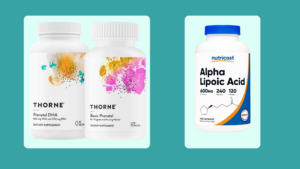
- Start a high-quality prenatal vitamin at least three months before trying to conceive — products like Thorne Basic Prenatal with Folate and Choline provide methylated forms that absorb more efficiently.
- Add CoQ10 in its ubiquinol form 90 days before your target conception window to support mitochondrial energy in maturing follicles.
- Have your vitamin D levels tested and begin supplementing immediately if serum 25(OH)D is below 40 ng/mL — normalization takes six to eight weeks.
- Begin folate or methylfolate now, not when you get a positive test — neural tube closure occurs at 21-28 days post-conception, often before a missed period.
- Consider a preconception detox period to reduce toxin load before conception, as outlined in our guide to preconception detox supplements for women.
Core Fertility Supplements and Their Optimal Timing Windows
Not all fertility supplements work on the same timeline, and understanding which nutrients need the longest lead time helps you prioritize intelligently. Folate is the most urgently time-sensitive nutrient. The U.S. Preventive Services Task Force recommends 400-800 mcg of folic acid or methylfolate daily beginning at least one month before conception, though most fertility specialists extend this to three months. For women with the MTHFR gene variant, active methylfolate is preferred over synthetic folic acid — our in-depth comparison of folate vs folic acid when trying to conceive explains the practical differences.
CoQ10 is arguably the second most important supplement for egg quality, particularly for women over 35 or those with diminished ovarian reserve. Doses of 400-600 mg daily of ubiquinol have been studied in clinical trials with improvements in fertilization rates and blastocyst development noted after 60-90 days of consistent use. Beginning CoQ10 supplementation in the same window as your prenatal vitamin makes practical sense. For women with diminished ovarian reserve, DHEA is sometimes added to this regimen under physician supervision, typically requiring 60-90 days as well.
Omega-3 fatty acids, particularly DHA and EPA, support follicular membrane fluidity, reduce systemic inflammation, and are essential for early fetal brain development. Adequate tissue levels build over eight to twelve weeks of consistent supplementation, making a three-month start time appropriate. Iron, when depleted, requires even longer to replete — sometimes four to six months — highlighting the importance of preconception blood work to identify deficiencies before they silently affect ovulation. Zinc plays a key role in ovulation, cell division, and progesterone production and should be included from the beginning of the supplement plan. Our article on zinc’s role in female reproductive health explains the mechanisms in detail.
- Folate or methylfolate: Begin three months before trying to conceive; continue through the first trimester.
- CoQ10 (ubiquinol form): Begin 90 days before target conception; dose 400-600 mg daily.
- Omega-3 DHA and EPA: Begin eight to twelve weeks before conception and continue through pregnancy.
- Iron: Test levels first; if deficient, begin repletion four to six months before conception with a physician’s guidance.
- Zinc and magnesium: Begin three months before conception to support hormonal signaling and ovulation, as described in our guide to magnesium for ovulation and cycle health.
Supplements for Women With Hormonal or Cycle Irregularities
Women who have PCOS, irregular cycles, luteal phase defects, or estrogen dominance need a more targeted supplement approach — and often a longer preparatory window. Hormonal imbalances affect follicular development, ovulation timing, and the uterine lining in ways that require sustained nutritional correction, not just a few weeks of supplementation before a well-timed cycle.
For women with PCOS, myo-inositol combined with D-chiro-inositol in a 40:1 ratio has demonstrated significant improvements in insulin sensitivity, menstrual regularity, and ovulation rates in multiple randomized trials. A 2020 study in the European Review for Medical and Pharmacological Sciences found that three to six months of inositol supplementation meaningfully restored ovulatory function in anovulatory women with PCOS.
Vitex agnus-castus, commonly called chaste tree berry, supports progesterone production and may help regulate cycle length in women with luteal phase defects. Research suggests vitex requires two to three complete menstrual cycles to produce measurable hormonal changes, making a three-to-four month minimum lead time appropriate. It should not be taken alongside hormonal medications without physician guidance.
N-acetyl cysteine (NAC) is gaining traction as a supplement for women with PCOS and endometriosis-related infertility because of its dual role as an antioxidant precursor and insulin sensitizer. Studies have shown improved ovulation and clinical pregnancy rates with NAC use over two to three months. Ashwagandha, an adaptogenic herb that modulates cortisol and supports hypothalamic-pituitary signaling, may also benefit women whose cycles are disrupted by chronic stress — but like vitex, it needs several months to produce consistent hormonal effects. Women managing these concerns should review our full coverage of N-acetyl cysteine for PCOS and fertility before starting.
One practical takeaway: women with any known cycle irregularity should begin their supplement protocol at least four to six months before trying to conceive rather than the standard three months. The additional time allows hormonal patterns to stabilize and improves the reliability of cycle tracking for conception timing.
Building a Supplement Routine You Will Actually Stick With
The most scientifically perfect supplement stack means nothing if it sits unused on a shelf. Adherence is one of the most underappreciated factors in preconception supplementation outcomes, and designing a routine that fits your real life is as important as choosing the right nutrients.
The foundation of any fertility supplement routine should be a high-quality prenatal multivitamin that provides methylated folate, chelated iron, methylcobalamin B12, and at least 1000 IU of vitamin D3. A comprehensive prenatal covers the baseline micronutrients while reducing the number of individual supplements you need to manage. The Nature Made Prenatal with Folic Acid and DHA is a well-studied option available without a prescription, while the Ritual Essential for Women Prenatal Multivitamin offers a traceable, delayed-release format that is gentler on an empty stomach.
Timing your supplements strategically can reduce nausea and improve absorption. Prenatal vitamins with iron are best taken with a small meal and a source of vitamin C to enhance absorption. Fat-soluble nutrients — vitamins D, E, K, and CoQ10 — absorb better when taken with dietary fat. Magnesium, which many women find helpful for sleep and cycle health, is often best taken in the evening.
Tracking your supplement intake alongside your cycle on a period or fertility app creates accountability and helps you identify patterns. Many women find it helpful to set a daily phone reminder or pair their supplement routine with an existing habit like morning coffee or brushing teeth. Reviewing your stack every four weeks — removing anything not well-tolerated and confirming you are still taking everything consistently — keeps the plan from quietly slipping.
Finally, recognize that supplements work best as part of a broader preconception wellness strategy that includes balanced nutrition, sleep, stress management, and moderate exercise. Supplements fill genuine nutritional gaps; they do not replace the foundation. For a comprehensive preparation plan, our guide on how to prepare your body for pregnancy in 3 months offers a structured starting point for women ready to commit to the full picture.
Frequently Asked Questions
How long to take fertility supplements before conceiving if I have PCOS?
Women with PCOS are typically advised to begin a targeted supplement protocol four to six months before trying to conceive. This extended window allows hormonal regulators like inositol and vitex adequate time to improve ovulatory function, insulin sensitivity, and cycle regularity before conception attempts begin.
Can I start fertility supplements just one month before trying to conceive?
Starting one month before is better than not starting at all, particularly for folate, which the CDC recommends beginning at least one month prior. However, nutrients like CoQ10, vitamin D, and iron require longer lead times of three to six months to meaningfully influence egg quality and nutritional reserves.
Should I take a prenatal vitamin or a separate fertility supplement?
A high-quality prenatal multivitamin is the essential foundation and covers most baseline fertility nutrients. Targeted fertility supplements — such as CoQ10 for egg quality or inositol for PCOS — are added based on individual needs. Starting with a prenatal and building from there with physician guidance is the recommended approach.
Is it safe to take fertility supplements while still on birth control?
Most fertility-supportive nutrients, including folate, vitamin D, omega-3s, and CoQ10, are safe to begin while still using hormonal contraception. Starting supplements three to six months before stopping birth control is actually an excellent strategy, as it allows nutrient stores to build before ovulation resumes.
What happens if I start fertility supplements after conceiving?
Beginning a prenatal vitamin immediately after a positive pregnancy test still provides important protection for fetal development, particularly for neural tube closure and organogenesis. However, some benefits — especially for egg quality and implantation — require preconception nutrient accumulation and cannot be fully replicated once pregnancy is confirmed.
A Word From Vitamins For Woman
Understanding how long to take fertility supplements before conceiving empowers you to make genuinely meaningful choices rather than last-minute guesses. The evidence consistently points to a three-to-six month preconception window as the period when supplementation has its greatest impact on egg quality, hormonal balance, and early pregnancy support. Starting earlier, choosing well-formulated products, and maintaining consistency matter more than finding a single perfect supplement. We encourage you to speak with your healthcare provider to tailor your supplement plan to your unique fertility history and health goals.
References
- Grigorescu V et al. (2022). Micronutrient status and fertility outcomes in women of reproductive age: a systematic review. Nutrients. https://pubmed.ncbi.nlm.nih.gov/35406109/
- Ben-Meir A et al. (2015). Coenzyme Q10 restores oocyte mitochondrial function and fertility during reproductive aging. Aging Cell. https://pubmed.ncbi.nlm.nih.gov/26111777/
- Unfer V et al. (2017). Effects of myo-inositol in women with PCOS: a systematic review of randomized controlled trials. Gynecological Endocrinology. https://pubmed.ncbi.nlm.nih.gov/27808588/
- Gaskins AJ & Chavarro JE (2018). Diet and fertility: a review. American Journal of Obstetrics and Gynecology. https://pubmed.ncbi.nlm.nih.gov/27793557/
- Steegers-Theunissen RP et al. (2013). The periconceptional nutritional state and human reproductive outcomes: a systematic review. Reproductive Toxicology. https://pubmed.ncbi.nlm.nih.gov/22728271/