
If you are trying to conceive after 40, the right nutritional support can make a meaningful difference. This guide breaks down the most researched fertility supplements for women over 40, covering key nutrients, dosages, and what science actually supports for egg quality, hormone balance, and implantation success.
There is a quiet kind of grief that comes with watching the months pass when you are trying to conceive after 40. You are doing everything right — eating well, reducing stress, tracking your cycle — and yet the biology of aging can feel like an obstacle working against you. Declining egg quality, shifting hormone levels, and a narrowing fertile window are real physiological changes, and it is entirely understandable to feel frustrated, anxious, or simply exhausted by the uncertainty of it all.
The root causes of reduced fertility after 40 are well-documented. Ovarian reserve naturally declines with age, leading to lower AMH levels and fewer viable eggs per cycle. Mitochondrial function within oocytes also diminishes, reducing their capacity to divide and implant successfully. At the same time, oxidative stress accumulates over decades, damaging eggs at the cellular level. Hormonal shifts — including fluctuations in FSH, LH, estrogen, and progesterone — further complicate the picture, often disrupting cycle regularity and luteal phase support. These changes do not make conception impossible, but they do mean the biological environment needs more deliberate support.
In the sections ahead, you will find a detailed breakdown of the evidence-based nutrients and supplements most relevant to women over 40 who are trying to conceive. We cover antioxidants and mitochondrial support, key prenatal nutrients, hormone-balancing botanicals, and practical guidance on building a supplement protocol that works alongside your fertility care plan. Internal links throughout this article point to deeper dives on specific topics when you are ready to explore further.
Antioxidants and Mitochondrial Support for Egg Quality
One of the most impactful things a woman over 40 can do for her fertility is address oxidative stress at the cellular level. Eggs are among the most metabolically demanding cells in the body, and they rely heavily on healthy mitochondria to power the energy-intensive process of maturation and fertilization. As we age, mitochondrial efficiency declines and free radical damage accumulates — a combination that directly compromises egg quality and embryo viability.
Coenzyme Q10 (CoQ10) is arguably the most well-researched supplement in this category. It functions both as a mitochondrial cofactor and a potent antioxidant. A landmark randomized controlled trial published in Fertility and Sterility found that CoQ10 supplementation improved ovarian response and egg quality in women with diminished ovarian reserve. The ubiquinol form is generally considered more bioavailable than ubiquinone, particularly in women over 40. Doses used in research typically range from 400 to 600 mg daily, begun at least 60 to 90 days before a planned conception attempt or IVF cycle. You can read more about this in our guide to the best CoQ10 supplements for fertility.
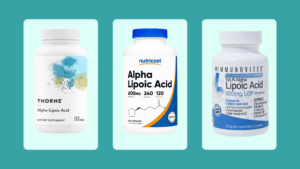
Alpha-lipoic acid (ALA) is another antioxidant shown to support mitochondrial function and reduce oxidative damage in reproductive tissue. N-acetyl cysteine (NAC) boosts intracellular glutathione — the body’s master antioxidant — and has shown promise particularly in women with PCOS and poor egg quality. Vitamin C and vitamin E work synergistically to neutralize oxidative stress in follicular fluid.
For women with low AMH or diminished ovarian reserve, DHEA supplementation has attracted significant clinical interest. Research suggests that DHEA may improve the ovarian microenvironment and increase the number of retrievable eggs in IVF cycles. Our article on DHEA supplements for diminished ovarian reserve covers this topic in depth.
- Take CoQ10 in the ubiquinol form at 400–600 mg daily, ideally for 90 days before conception attempts
- Add NAC (600–1800 mg daily) to support glutathione production and reduce follicular oxidative damage
- Consider DHEA (25–75 mg daily under medical supervision) if AMH is low or ovarian reserve is diminished
- Include vitamin E (mixed tocopherols, 400 IU daily) alongside vitamin C (500–1000 mg daily) for synergistic antioxidant protection
- Begin all antioxidant protocols at least 60–90 days in advance, as egg maturation spans approximately 90 days
Essential Prenatal Nutrients Every Woman Over 40 Should Prioritize
A high-quality prenatal multivitamin is the foundation of any fertility supplement protocol, but not all prenatals are created equal — and for women over 40, the formulation details matter more than ever. The shift from folic acid to methylfolate is particularly important, as a significant portion of women carry MTHFR gene variants that impair the conversion of synthetic folic acid into its active form. Research consistently links adequate folate status with reduced risk of neural tube defects and improved embryo development. Look for at least 400 to 800 mcg of methylfolate (5-MTHF) in your prenatal. Our comparison of folate vs folic acid when trying to conceive explains this distinction thoroughly.
Iron deserves special attention in women over 40, particularly those with heavier periods or a history of anemia. Iron deficiency is associated with anovulation and impaired implantation. However, too much non-heme iron can generate oxidative stress, so supplementing with a prenatal that contains a well-tolerated, moderate iron dose — rather than high-dose standalone supplements — is generally preferred unless a clinical deficiency has been confirmed.
Vitamin D is another nutrient that is frequently deficient yet critically important for fertility. Vitamin D receptors are found in ovarian tissue, the uterine lining, and the placenta. Studies suggest women with sufficient vitamin D levels have significantly higher IVF success rates. Testing your 25-OH vitamin D level and supplementing to achieve levels between 40 and 60 ng/mL is a reasonable goal. Iodine, choline, and omega-3 DHA round out the list of nutrients that are commonly insufficient in women trying to conceive but rarely discussed outside specialist care.
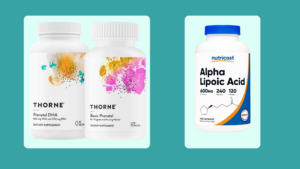
A well-formulated prenatal like Thorne Basic Prenatal with Folate and Choline or Ritual Essential for Women Prenatal Multivitamin can serve as an excellent nutritional base alongside targeted fertility-specific supplements.
- Choose a prenatal with methylfolate (5-MTHF) rather than synthetic folic acid, especially if you have an MTHFR variant
- Test vitamin D levels and supplement to achieve 40–60 ng/mL; most women need 2000–4000 IU daily
- Ensure adequate iodine intake (150–220 mcg daily) from your prenatal, as iodine deficiency impairs thyroid function and fertility
- Look for prenatals that include choline (at least 200 mg) and DHA (at least 200 mg) for embryo neural development
- Check iron levels before supplementing with standalone iron, as excess can be counterproductive
Hormone-Balancing Supplements and Adaptogens for Women Over 40
Hormonal fluctuations in the years approaching perimenopause can significantly disrupt the delicate orchestration of the menstrual cycle. For women over 40 who are still cycling but experiencing irregular periods, shortened luteal phases, or early-cycle spotting, targeted hormonal support can be a valuable complement to prenatal nutrition.
Vitex agnus-castus (chaste tree berry) is among the best-studied botanical supplements for luteal phase defect and progesterone insufficiency. It works by modulating dopamine receptors in the pituitary, which in turn supports the surge of LH needed for ovulation and the subsequent progesterone production that sustains the luteal phase. Clinical trials have shown improvements in progesterone levels, cycle regularity, and conception rates in women with mild hormonal irregularities. However, vitex is not appropriate for women with very high FSH or those in late perimenopause, and it should be used under the guidance of a fertility-aware practitioner.
Ashwagandha is increasingly recognized for its role in modulating the HPA axis and reducing cortisol — a hormone that, when chronically elevated, suppresses reproductive hormones and disrupts ovulation. A 2021 study published in Medicine found that ashwagandha root extract significantly reduced cortisol and improved thyroid hormone balance in women with subclinical thyroid dysfunction, a condition that becomes more common after 40 and directly affects fertility. Our article on ashwagandha and female fertility explores these mechanisms in detail.
Maca root is another well-regarded adaptogen that has been studied for its ability to support libido, energy, and hormonal equilibrium without directly introducing exogenous hormones. Products like Happy Healthy Hippie Go With The Flow Hormone Balance for Women combine several of these botanical elements into one convenient formula. Inositol — particularly the combination of myo-inositol and D-chiro-inositol at a 40:1 ratio — has strong evidence for improving insulin sensitivity and ovarian function, making it especially relevant for women with PCOS or borderline blood sugar regulation.
Building a Practical Supplement Protocol: Timing, Dosing, and Safety
Understanding which supplements to take is only part of the equation. How and when you take them matters enormously, and it is easy to become overwhelmed by the sheer volume of recommendations circulating online. A thoughtful, prioritized approach will serve you far better than an expensive scatter-shot regimen.
The most important principle is timing. Egg quality is influenced by the follicular environment during the 90-day window before ovulation, which means that meaningful changes to your supplement protocol need to begin at least three months before your target conception cycle or IVF retrieval. This is why the recommendation is often to start a comprehensive protocol as soon as you begin actively trying to conceive, rather than waiting to see how the first few cycles go.
Supplement stacking requires attention to interactions and cumulative nutrient loads. Taking a high-dose prenatal alongside standalone vitamin D, iron, and multiple antioxidants can quickly lead to excessive intake of fat-soluble vitamins, particularly A and E. Working with a reproductive endocrinologist or a nutritionist specializing in preconception care will help you audit your protocol for safety. Our overview of how to improve egg quality after 35 provides a useful framework for thinking about this systematically.
It is also worth noting that supplements are most effective when they sit within a broader lifestyle strategy. A Mediterranean-style diet rich in antioxidants, healthy fats, and plant-based proteins creates the nutritional substrate that supplements build upon. Prioritizing sleep, managing chronic stress, avoiding alcohol and cigarette smoke, and maintaining a healthy body weight all have documented impacts on ovarian function and egg quality that no supplement can fully compensate for.
Finally, keep your fertility specialist informed of every supplement you are taking. Some botanicals — including vitex and high-dose DHEA — can influence hormone assays and may need to be paused before certain testing or procedures. Transparency with your care team ensures that your supplement protocol supports, rather than complicates, your overall fertility treatment plan. For women preparing for an IVF cycle or FET, our guide to supplements that help with implantation may offer additional targeted guidance.
Frequently Asked Questions
Can fertility supplements actually improve egg quality after 40?
Research supports the use of CoQ10, antioxidants, and specific micronutrients to reduce oxidative damage and improve mitochondrial function in aging eggs. While supplements cannot reverse chronological aging, they may meaningfully improve the quality of the eggs that remain. Starting 90 days before conception attempts is recommended for best results.
How long should I take fertility supplements before trying to conceive?
Most fertility specialists recommend beginning a targeted supplement protocol at least three months before actively trying to conceive or starting an IVF cycle. This timeline aligns with the approximate 90-day maturation window of the follicle. Prenatal vitamins, however, should be continued through pregnancy and beyond.
Is CoQ10 safe for women over 40 who are trying to get pregnant?
CoQ10 has a strong safety profile and is widely used in fertility protocols for women over 35 and 40. Most studies use doses of 400 to 600 mg daily of the ubiquinol form. Side effects are rare and mild. Always discuss dosing with your reproductive endocrinologist before starting, especially if you take other medications.
Should I take DHEA if I have low AMH?
DHEA has shown promise in women with diminished ovarian reserve, particularly for improving response to ovarian stimulation in IVF cycles. However, it is not appropriate for all women and should only be used under medical supervision. Hormone testing is essential before starting, as DHEA can cause androgenic side effects at inappropriate doses.
Do I still need a prenatal vitamin if I am taking individual fertility supplements?
Yes. A comprehensive prenatal multivitamin provides a foundational nutritional safety net — including methylfolate, iodine, choline, and iron — that individual supplements do not replicate. Targeted fertility supplements like CoQ10 and NAC are designed to layer on top of, not replace, a high-quality prenatal formula.
A Word From Vitamins For Woman
Pursuing pregnancy after 40 takes courage, and the science of nutritional support for fertility is more promising than ever before. The fertility supplements for women over 40 covered in this article are grounded in peer-reviewed research and represent a meaningful opportunity to optimize the biological environment for conception. We encourage you to bring this information to your fertility care team, personalize it to your specific health history, and approach your preconception journey with both informed confidence and self-compassion. You deserve support that is evidence-based, practical, and genuinely hopeful.
References
- Ben-Meir A, et al. (2015). Coenzyme Q10 restores oocyte mitochondrial function and fertility during reproductive aging. Aging Cell. https://pubmed.ncbi.nlm.nih.gov/26111777/
- Xu Y, et al. (2018). Pretreatment with coenzyme Q10 improves ovarian response and embryo quality in low-prognosis young women with decreased ovarian reserve. Reproductive Biology and Endocrinology. https://pubmed.ncbi.nlm.nih.gov/30029686/
- Gleicher N, et al. (2011). Improvement of diminished ovarian reserve after dehydroepiandrosterone supplementation. Reproductive BioMedicine Online. https://pubmed.ncbi.nlm.nih.gov/21596611/
- Paffoni A, et al. (2014). Vitamin D deficiency and infertility: insights from in vitro fertilization cycles. Journal of Clinical Endocrinology and Metabolism. https://pubmed.ncbi.nlm.nih.gov/24617714/
- Showell MG, et al. (2020). Antioxidants for female subfertility. Cochrane Database of Systematic Reviews. https://pubmed.ncbi.nlm.nih.gov/32150273/