Finding the best prenatal for egg quality after 35 is one of the most important steps you can take when planning for pregnancy later in life. While standard prenatal vitamins cover the basics, women over 35 often need targeted nutritional support to protect mitochondrial function, reduce oxidative stress, and give their eggs the best possible environment to thrive.
Why Egg Quality Declines After 35 — and What You Can Do About It
If you are over 35 and trying to conceive, you may already know that age is one of the most significant factors affecting fertility. What you might not realize is that egg quality — not just egg quantity — is at the heart of the challenge. As women age, the mitochondria inside oocytes become less efficient, producing less energy and allowing oxidative damage to accumulate. This can lead to chromosomal errors during cell division, reducing the likelihood of successful fertilization and implantation.
Oxidative stress is a key driver of this decline. Every cell in the body, including eggs, is vulnerable to damage from free radicals — unstable molecules produced by normal metabolism, environmental toxins, and stress. After 35, the body’s natural antioxidant defenses weaken, leaving eggs more exposed to this damage. Research published in Nutrients has confirmed that antioxidant micronutrients play a measurable role in protecting oocyte integrity and improving reproductive outcomes.
The encouraging news is that eggs take roughly 90 days to mature before ovulation — which means the nutritional choices you make today can meaningfully influence the eggs you release three months from now. Choosing the right prenatal vitamin and pairing it with a targeted supplement strategy gives your body the raw materials it needs during this critical window. You can also explore our deeper guide on how to improve egg quality after 35 for a comprehensive overview.
Key Nutrients to Look For in the Best Prenatal for Egg Quality After 35
Not all prenatal vitamins are created equal, and for women over 35, the difference between a basic formula and a targeted one can be significant. Here is what the research says you should prioritize.
Methylfolate (not just folic acid): Folate is non-negotiable in any prenatal, but women with MTHFR gene variants cannot efficiently convert synthetic folic acid into its active form. Methylfolate (5-MTHF) bypasses this problem entirely. Our article on folate vs folic acid when trying to conceive explains this distinction in detail.
CoQ10 (Ubiquinol): Coenzyme Q10 is essential for mitochondrial energy production. Studies show that egg cells require enormous amounts of ATP to divide correctly, and CoQ10 levels naturally decline with age. Supplementing with the ubiquinol form improves bioavailability significantly.
Vitamin D3: Low vitamin D is associated with poor ovarian response and reduced IVF success rates. Most women are deficient, and standard prenatal amounts (400 IU) are rarely sufficient for women over 35.
Choline: Often overlooked, choline is critical for DNA methylation and fetal brain development. Many prenatal formulas contain little to none.
Iron (as ferrous bisglycinate): Iron deficiency impairs ovulation. Ferrous bisglycinate is gentler on digestion than ferrous sulfate, a common issue with prenatal vitamins.
- Look for methylfolate (5-MTHF) rather than synthetic folic acid
- Choose a prenatal that includes at least 200 mg of CoQ10 or pair it with a separate supplement
- Ensure vitamin D3 is at least 1000–2000 IU per serving
- Confirm choline is listed — ideally 300–450 mg daily
- Prioritize iron as ferrous bisglycinate to reduce gastrointestinal side effects
Two well-formulated options worth considering are Thorne Basic Prenatal with Folate and Choline and Ritual Essential for Women Prenatal Multivitamin, both of which use evidence-backed forms of key nutrients. For women who prefer a food-based option, New Chapter Prenatal Vitamins Organic Non GMO delivers fermented nutrients that tend to be easier to absorb.
How to Build a Full Supplement Protocol Around Your Prenatal
A prenatal vitamin is the foundation, but it is rarely enough on its own for women over 35 who want to optimize egg quality. Think of it as a safety net — it covers your bases — but targeted add-ons address the specific biological challenges that come with age-related fertility decline.
CoQ10 as a standalone supplement is one of the most evidence-supported additions for egg quality. A 2018 randomized controlled trial published in the Journal of Clinical Medicine found that CoQ10 supplementation improved ovarian response and embryo quality in poor responders undergoing IVF. The recommended dose for fertility is typically 400–600 mg daily in the ubiquinol form. For more on this, see our guide to the best CoQ10 supplements for fertility.
DHEA is another frequently recommended add-on, particularly for women with diminished ovarian reserve. It serves as a precursor to both estrogen and testosterone, hormones that support follicular development. It should only be used under medical supervision, as incorrect dosing can disrupt hormonal balance.
Omega-3 fatty acids (DHA and EPA) reduce systemic inflammation, support hormonal signaling, and are critical for embryo development. Many prenatal vitamins include DHA, but separate fish oil at a dose of 1–2 g daily provides more meaningful anti-inflammatory benefit.
Myo-inositol improves insulin sensitivity and egg quality, particularly in women with PCOS. The Wholesome Story Myo Inositol and D Chiro Inositol for Hormone Balance is a popular choice that combines both forms of inositol for synergistic effect.
- Add CoQ10 (ubiquinol, 400–600 mg/day) as a separate supplement
- Consider omega-3s at 1–2 g EPA/DHA daily if your prenatal DHA is below 300 mg
- Discuss DHEA supplementation with your reproductive endocrinologist
- Consider myo-inositol if you have irregular cycles or signs of insulin resistance
- Start your full protocol at least 90 days before trying to conceive
Lifestyle Factors That Amplify the Benefits of Your Prenatal Vitamins
No supplement protocol works in isolation. The cellular environment in which your eggs develop is shaped just as much by your daily habits as by the nutrients you take. For women over 35, this interconnection is especially important because the body’s resilience to lifestyle stressors begins to diminish with age.
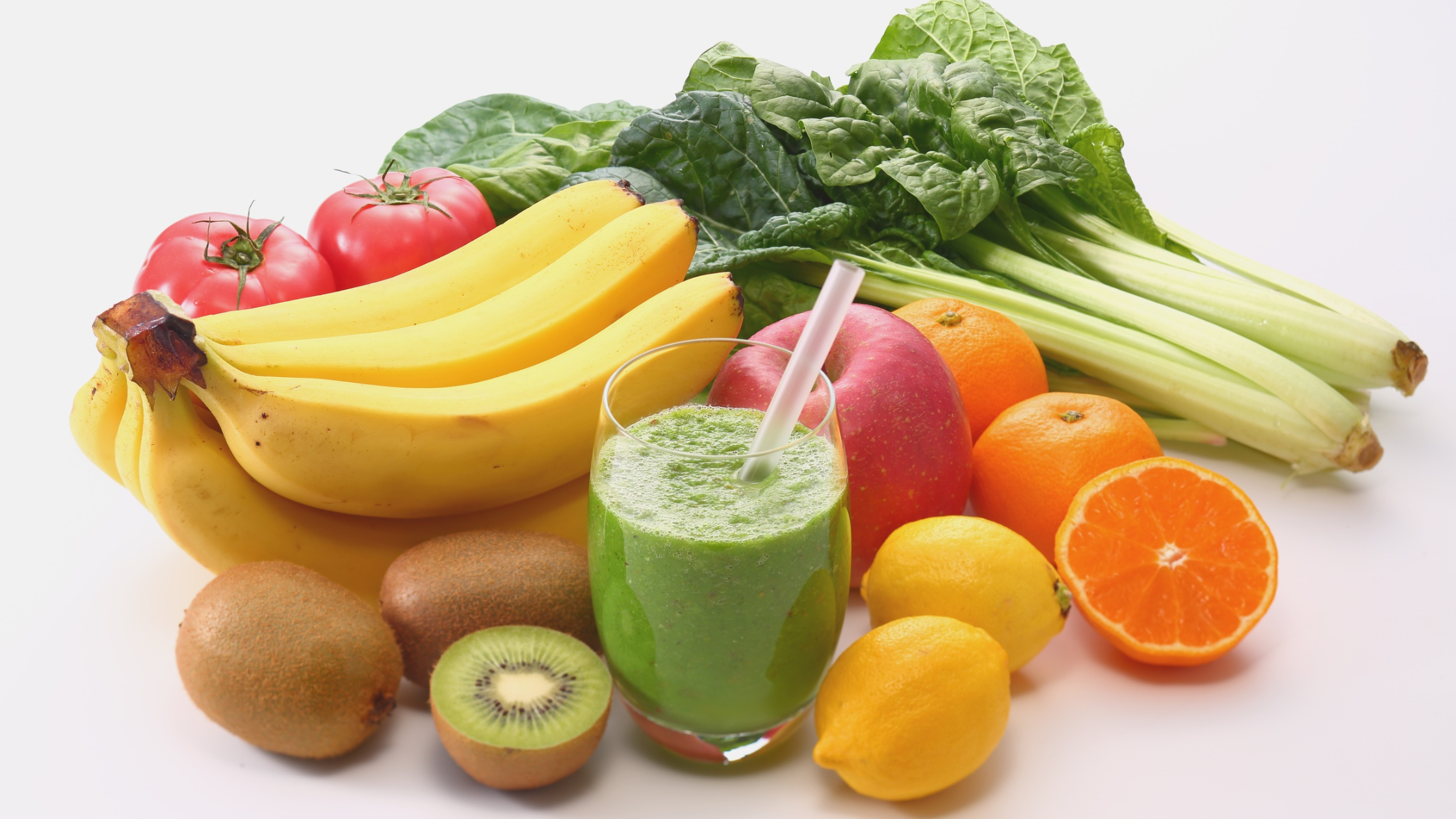
Diet is your most powerful lever. A Mediterranean-style eating pattern — rich in leafy greens, colorful vegetables, whole grains, legumes, oily fish, and olive oil — has been associated with improved IVF outcomes in multiple observational studies. These foods deliver antioxidants, healthy fats, and phytonutrients that work synergistically with your supplements to reduce oxidative damage in the ovaries.
Sleep is underappreciated in the fertility conversation. Poor sleep elevates cortisol and disrupts the hormonal signals that regulate ovulation. Aim for seven to nine hours of quality sleep per night. Reducing blue light exposure in the evening and keeping a consistent sleep schedule can make a measurable difference in reproductive hormone regulation.
Stress management is equally critical. Chronic psychological stress raises cortisol, which directly suppresses the production of GnRH — the hormone that triggers the cascade leading to ovulation. Practices such as mindfulness meditation, gentle yoga, and acupuncture have shown modest but meaningful benefits in fertility-related stress reduction in clinical studies.
Avoiding environmental toxins is another important but often overlooked step. Endocrine-disrupting chemicals found in plastics (BPA), pesticides, and some personal care products can interfere with ovarian function. Switching to glass food containers, choosing organic produce when possible, and reviewing the ingredients in your skincare routine are practical steps that complement your nutritional strategy. Our article on preconception detox supplements for women offers additional guidance on reducing your toxic burden before conception.
Frequently Asked Questions
Can prenatal vitamins alone improve egg quality after 35?
Prenatal vitamins provide essential micronutrients that support egg cell health, but they work best as part of a broader strategy. Pairing them with targeted additions like CoQ10, a nutrient-dense diet, and stress management gives you the most comprehensive support for egg quality.
How long does it take for prenatal vitamins to affect egg quality?
Eggs take approximately 90 days to mature before ovulation, so nutritional changes you make today influence the eggs you will ovulate in about three months. Starting your prenatal and supplement protocol at least three months before trying to conceive is strongly recommended.
Is methylfolate better than folic acid for women over 35?
For many women, yes. Methylfolate is the bioactive form that the body can use directly, bypassing the MTHFR enzyme conversion step. Women with certain gene variants cannot efficiently convert folic acid, making methylfolate the safer and more reliable choice during the preconception period.
Should I take CoQ10 separately if my prenatal already contains it?
Most prenatal vitamins include only 10–50 mg of CoQ10, which is far below the 400–600 mg associated with fertility benefits in clinical studies. If egg quality is your primary concern, a separate high-dose CoQ10 supplement is strongly worth considering alongside your prenatal.
Are there prenatal vitamins specifically formulated for women over 35?
While no prenatal is officially labeled for women over 35, formulas that include methylfolate, choline, higher vitamin D3, and iron as ferrous bisglycinate are generally better suited to the needs of older reproductive-age women. Brands like Thorne and Ritual tend to meet these higher standards more consistently than basic drugstore options.
A Word From Vitamins For Woman
Choosing the best prenatal for egg quality after 35 is one of the most proactive steps you can take for your reproductive health, and the evidence supporting targeted nutritional intervention is more compelling than ever. We encourage you to start your protocol at least three months before trying to conceive, work with a reproductive specialist to personalize your supplement plan, and remember that small, consistent daily choices compound into meaningful biological change. You deserve support that matches the seriousness of your journey.
References
- Ben-Meir A et al. (2015). Coenzyme Q10 restores oocyte mitochondrial function and fertility during reproductive aging. Aging Cell. https://pubmed.ncbi.nlm.nih.gov/26111777/
- Showell MG et al. (2020). Antioxidants for female subfertility. Cochrane Database of Systematic Reviews. https://pubmed.ncbi.nlm.nih.gov/32126830/
- Unfer V et al. (2017). Myo-inositol effects in women with PCOS: a meta-analysis of randomized controlled trials. Endocrine Connections. https://pubmed.ncbi.nlm.nih.gov/28592434/
- Ozkan S et al. (2010). Replete vitamin D stores predict reproductive success following in vitro fertilization. Fertility and Sterility. https://pubmed.ncbi.nlm.nih.gov/19589516/
- Gaskins AJ et al. (2019). Dietary folate and reproductive success among women undergoing assisted reproduction. BJOG: An International Journal of Obstetrics and Gynaecology. https://pubmed.ncbi.nlm.nih.gov/23937929/