
If you have endometriosis and you’re trying to get pregnant, you already know that hope and heartbreak often arrive together. Month after month of tracking cycles, managing pain, and facing uncertainty takes a quiet toll that’s hard to put into words. You may have started researching every possible tool — dietary changes, supplements, alternative therapies — anything that might tip the odds in your favor. Turmeric keeps coming up, and for good reason.
Endometriosis affects roughly 10% of reproductive-age women worldwide and contributes to up to 50% of female infertility cases, according to research published in Human Reproduction Update. The condition involves endometrial-like tissue growing outside the uterus, triggering chronic inflammation, oxidative stress, hormonal disruption, and structural damage to the reproductive organs. These mechanisms, individually and together, can impair egg quality, fallopian tube function, implantation, and overall conception rates.
In this article, we examine what the current evidence actually says about turmeric and curcumin for endometriosis fertility. We cover the biological mechanisms curcumin may target, what clinical and preclinical studies have found, how to use it practically, and where it fits alongside other evidence-based fertility strategies. We also flag the limitations you should know before adding this spice to your supplement routine.
How Curcumin Targets the Biology of Endometriosis
Curcumin is the primary bioactive polyphenol in turmeric (Curcuma longa) and has been studied extensively for its anti-inflammatory, antioxidant, and anti-estrogenic properties. These properties are particularly relevant to endometriosis, a condition driven substantially by estrogen dependence and chronic pelvic inflammation.
One of curcumin’s most well-documented mechanisms is inhibition of NF-κB (nuclear factor kappa-light-chain-enhancer of activated B cells), a key transcription factor that regulates pro-inflammatory cytokines including TNF-α, IL-6, and IL-8. Research published in Reproductive Sciences confirmed that endometriotic lesions express significantly elevated NF-κB activity, and curcumin has been shown to suppress this pathway in human endometrial stromal cells in vitro.
Curcumin also appears to inhibit aromatase, the enzyme responsible for local estrogen biosynthesis within endometriotic tissue. Since endometriosis lesions produce their own estrogen to sustain growth, this aromatase-inhibiting effect may help reduce lesion proliferation. Additionally, curcumin promotes apoptosis (programmed cell death) in ectopic endometrial cells, potentially limiting lesion growth without the systemic side effects of conventional hormonal therapies.
From a fertility perspective, reducing systemic inflammation and oxidative stress matters enormously. Elevated reactive oxygen species (ROS) in the peritoneal fluid of women with endometriosis have been linked to DNA damage in oocytes, impaired fertilization, and poor embryo development. Curcumin’s antioxidant capacity — demonstrated through upregulation of Nrf2 and antioxidant enzymes — may help create a more favorable environment for conception.
- Anti-inflammatory action: Suppresses NF-κB and reduces pro-inflammatory cytokines associated with endometriotic lesion activity.
- Aromatase inhibition: May reduce local estrogen production within endometriotic tissue, limiting lesion self-sustenance.
- Pro-apoptotic effects: Promotes programmed cell death in ectopic endometrial stromal cells in laboratory studies.
- Antioxidant support: Activates Nrf2 pathways to reduce oxidative stress in peritoneal fluid, potentially protecting egg quality.
- Anti-angiogenic properties: May inhibit VEGF-mediated blood vessel growth that feeds endometriotic lesions.
If you’re navigating estrogen dominance alongside endometriosis, curcumin’s dual anti-estrogenic and anti-inflammatory mechanisms make it a particularly interesting candidate for adjunctive support.
What the Research Actually Shows: Clinical and Preclinical Evidence
It’s important to approach the evidence for curcumin in endometriosis with measured optimism. Much of the most compelling data comes from animal models and in vitro studies, with a smaller number of human trials available to date.
A 2021 review published in Phytotherapy Research summarized multiple preclinical studies showing curcumin significantly reduced endometriotic lesion size, volume, and vascularization in rodent models. Lesion reduction ranged from 40% to over 70% compared to controls, with effects comparable in some models to low-dose danazol, a conventional endometriosis treatment. Importantly, curcumin achieved these results without the androgenic side effects associated with danazol therapy.
Human clinical data is more limited but emerging. A randomized controlled trial published in Complementary Therapies in Medicine found that women with endometriosis who received nano-curcumin supplementation for six months reported significant reductions in pelvic pain scores and serum IL-8 levels compared to placebo. While this study did not measure fertility outcomes directly, reducing inflammatory burden is a recognized step toward improving the peritoneal environment for conception.
Oxidative stress markers are another area of investigation. A study in the Journal of Ovarian Research found that curcumin supplementation reduced malondialdehyde (MDA) levels — a marker of lipid peroxidation — in women with reproductive conditions characterized by high oxidative stress. This finding is directly relevant to egg quality, which is a central concern for women with endometriosis pursuing pregnancy. You can also explore how improving egg quality through multiple interventions may compound benefits.
- Animal studies: Consistently show lesion size reduction, decreased vascularization, and anti-proliferative effects in endometriosis models.
- Human RCT data: Nano-curcumin shown to reduce pelvic pain and inflammatory cytokines in women with endometriosis over six months.
- Oxidative stress evidence: Curcumin reduces lipid peroxidation markers relevant to oocyte quality and peritoneal environment.
- Aromatase inhibition studies: In vitro evidence supports curcumin’s ability to suppress CYP19A1 gene expression in endometriotic stromal cells.
- Gap in direct fertility outcome data: No large-scale RCTs yet measuring pregnancy rates or IVF outcomes specifically with curcumin supplementation.
The research trajectory is encouraging, but women should understand that curcumin is being studied as a complementary approach, not a replacement for medical management of endometriosis. Pair it with other evidence-based fertility supplements for a more comprehensive preconception strategy.
Bioavailability Challenges and How to Choose an Effective Supplement
One of the most significant limitations of curcumin is its notoriously poor bioavailability. Standard curcumin is rapidly metabolized, poorly absorbed in the gastrointestinal tract, and quickly eliminated from the body. This means that eating turmeric in food alone — while enjoyable and broadly anti-inflammatory — is unlikely to achieve the serum concentrations studied in most research on endometriosis.
The solution lies in bioavailability-enhanced formulations. Piperine, the active compound in black pepper, is the most widely studied absorption enhancer, shown to increase curcumin bioavailability by up to 2000% in a landmark study published in Planta Medica. Look for supplements that explicitly include piperine (BioPerine is a patented standardized form) alongside curcumin extract.
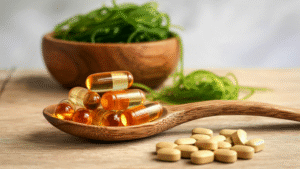
More advanced delivery systems include phytosome complexes (curcumin bound to phosphatidylcholine), nanoparticle curcumin, liposomal curcumin, and water-dispersible forms such as CurcuWIN or Meriva. These formulations show absorption rates 15 to 45 times higher than standard curcumin in comparative pharmacokinetic studies. The nano-curcumin used in endometriosis-specific clinical trials often reflects these enhanced delivery methods, which is a key reason those trials showed measurable biological effects.
Dosing in research studies typically ranges from 500 mg to 2000 mg of curcuminoids daily, often divided into two doses. However, always consult your healthcare provider before starting any new supplement, particularly if you are undergoing fertility treatments, taking blood thinners, or managing other health conditions. Curcumin has mild anticoagulant effects and may interact with certain medications.
For women also managing the hormonal aspects of endometriosis, a hormone-balancing supplement such as Happy Healthy Hippie Go With The Flow Hormone Balance for Women may complement curcumin’s anti-estrogenic effects as part of a broader support plan. Additionally, Rae Wellness Hormone Balance Capsules for Women offer a targeted option that some women find useful alongside anti-inflammatory supplementation.
When selecting any supplement for endometriosis and fertility, third-party testing for purity and potency matters enormously. Choose brands that provide certificates of analysis and are free of heavy metal contaminants — a concern with some turmeric products sourced from regions with higher soil contamination.
Integrating Turmeric and Curcumin Into a Broader Endometriosis Fertility Plan
Curcumin works best as one component of a multi-pronged endometriosis fertility strategy, not as a standalone intervention. Understanding where it fits within the broader picture helps set realistic expectations and maximizes its potential contribution.
From a dietary standpoint, an anti-inflammatory whole-foods diet provides the foundation. Research consistently links diets high in omega-3 fatty acids, cruciferous vegetables, and antioxidant-rich fruits with lower endometriosis symptom severity. Curcumin supplements can amplify these dietary anti-inflammatory signals, particularly during phases where peritoneal inflammation is high. Reducing refined sugars, trans fats, and red meat — all associated with increased prostaglandin-driven inflammation — creates an environment where curcumin’s effects may be more pronounced.
Alongside curcumin, several other supplements have evidence supporting their role in endometriosis-related infertility. N-acetyl cysteine (NAC) has been shown in a clinical trial to reduce endometrioma size and improve fertility outcomes. CoQ10 supports mitochondrial function in oocytes, which is especially relevant for women with endometriosis whose egg quality may be compromised by oxidative stress. You can read more about CoQ10 for fertility to understand how it pairs with curcumin for antioxidant synergy.
Hormonal balance is another pillar. Because endometriosis is an estrogen-driven condition, supporting healthy estrogen metabolism through DIM (diindolylmethane), magnesium, and B vitamins may reduce the estrogenic fuel that drives lesion growth. Nature’s Way DIM Plus Hormone Balance for Women is one option that addresses estrogen metabolism alongside curcumin’s aromatase-inhibiting effects. Women navigating the intersection of hormonal health and fertility may also benefit from exploring supplements that support implantation, particularly if endometriosis has affected the uterine lining.
Stress management, sleep optimization, and moderate exercise all reduce cortisol, which when chronically elevated can worsen inflammatory conditions including endometriosis. A holistic approach that integrates curcumin into a broader lifestyle and supplement strategy is most likely to move the needle meaningfully for fertility outcomes. For women who have been told their ovarian reserve may be affected, exploring options like hormone balance support alongside curcumin may be a worthwhile conversation to have with your reproductive endocrinologist.
Frequently Asked Questions
Can turmeric cure endometriosis or reverse infertility?
No, turmeric and curcumin cannot cure endometriosis or guarantee fertility. Current evidence suggests curcumin may reduce inflammatory and hormonal drivers of the condition, but it functions as a complementary support tool, not a medical treatment. Always work with a reproductive specialist for diagnosis and primary care.
How long does it take for curcumin to affect endometriosis symptoms?
Most clinical studies showing measurable effects used supplementation periods of three to six months. Anti-inflammatory changes in cytokine levels have been observed within six to eight weeks, but meaningful symptom or lesion changes typically require longer-term, consistent use with an enhanced-bioavailability formulation.
Is it safe to take curcumin while undergoing IVF?
This is a question best answered by your reproductive endocrinologist. Curcumin has mild anticoagulant effects and may influence hormone metabolism. Some clinicians recommend pausing certain supplements during stimulation phases of IVF to avoid interference with protocols. Individual guidance is essential before combining supplements with fertility treatments.
What dose of curcumin is used in endometriosis research?
Research studies have typically used doses ranging from 500 mg to 2000 mg of curcuminoids per day, often in enhanced-bioavailability forms such as nano-curcumin, phytosome complexes, or piperine-enhanced formulas. Standard dietary turmeric provides far lower curcuminoid concentrations than those used therapeutically in studies.
Does turmeric affect estrogen levels relevant to endometriosis?
Yes, curcumin has demonstrated aromatase-inhibiting effects in vitro, meaning it may reduce local estrogen synthesis within endometriotic lesions. This estrogen-modulating property is one reason researchers are interested in its potential for managing an estrogen-dependent condition like endometriosis, though human trial data remains limited.
A Word From Vitamins For Woman
The evidence on turmeric and curcumin for endometriosis fertility is genuinely promising, though it remains in early-to-intermediate stages for human clinical confirmation. We believe in giving you honest, research-grounded information so you can make informed decisions alongside your healthcare team. Curcumin is a worthwhile addition to an anti-inflammatory fertility strategy when used in a bioavailable form and paired with comprehensive medical care. You deserve support that is both hopeful and honest — and that’s exactly what we aim to provide.
References
- Arablou T, et al. (2021). The effect of curcumin on the expression of inflammatory and anti-inflammatory markers in endometriotic stromal cells. Phytotherapy Research. https://pubmed.ncbi.nlm.nih.gov/33491301/
- Vallée A, et al. (2019). Curcumin and endometriosis: Review on potential roles and molecular mechanisms. Biomedicine & Pharmacotherapy. https://pubmed.ncbi.nlm.nih.gov/31326296/
- Fattahi A, et al. (2021). Nano-curcumin supplementation reduces serum levels of inflammatory markers and pain in women with endometriosis. Complementary Therapies in Medicine. https://pubmed.ncbi.nlm.nih.gov/34481064/
- Shehzad A, et al. (2013). Curcumin in cancer chemoprevention: Molecular targets, pharmacokinetics, bioavailability, and clinical trials. Archiv der Pharmazie. https://pubmed.ncbi.nlm.nih.gov/23744542/
- Zhu Y, et al. (2022). Oxidative stress and antioxidant therapy in endometriosis-associated infertility: A narrative review. Frontiers in Endocrinology. https://pubmed.ncbi.nlm.nih.gov/35498408/