
A melatonin supplement for egg health has quietly moved from the realm of sleep science into fertility clinics and preconception conversations, and for good reason. Research suggests this hormone does far more than help you fall asleep.
If you have been trying to conceive and feel like your body is not cooperating, you are not imagining the frustration. Egg quality is one of the most quietly influential factors in whether a cycle leads to conception, yet it rarely gets the attention it deserves until something goes wrong. Women share ultrasound printouts and cycle charts, but the conversation about what is happening inside each follicle, at the cellular level, happens far less often.
Oxidative stress is one of the most significant threats to egg quality, and it builds silently through everyday exposures: processed foods, environmental toxins, disrupted sleep, and chronic low-grade stress. The follicular fluid that surrounds a maturing egg is especially vulnerable because it has its own antioxidant defense system, and when that system becomes overwhelmed, the quality of the egg inside can suffer. Inflammation, mitochondrial dysfunction, and DNA fragmentation can all follow.
In the sections ahead, you will find a clear, evidence-based look at how melatonin works inside the ovary, which women may benefit most, how to choose a quality product, and how melatonin fits alongside other fertility-focused nutrients.
How Melatonin Protects Maturing Eggs
Melatonin is produced primarily by the pineal gland and is best known for regulating the sleep-wake cycle. What many women do not realize is that melatonin is also synthesized locally inside the ovary, and the follicular fluid surrounding maturing oocytes contains measurable concentrations of it. This local production appears to serve a very specific purpose: antioxidant protection during the vulnerable window of egg maturation.
Eggs undergoing meiosis, the specialized cell division that prepares them for fertilization, generate significant amounts of reactive oxygen species (ROS). A moderate level of ROS is normal and even necessary for signaling, but excess oxidative stress at this stage can damage the spindle apparatus that separates chromosomes correctly. Errors here lead to aneuploidy, meaning eggs with the wrong number of chromosomes, which is a leading cause of implantation failure and early miscarriage.
A 2017 trial published in the Journal of Ovarian Research found that women undergoing IVF who supplemented with melatonin showed higher fertilization rates compared with controls, with researchers attributing the effect partly to reduced oxidative damage in follicular fluid. Melatonin also appears to support mitochondrial function inside the oocyte. Mitochondria supply the energy needed for fertilization and early embryo division, so protecting them matters enormously for anyone hoping for a viable pregnancy.
Practical steps to support this antioxidant environment alongside melatonin supplementation include the following:
- Prioritize consistent sleep timing to support your body’s own melatonin rhythm before adding a supplement.
- Reduce blue-light exposure in the two hours before bed, as it suppresses natural melatonin production.
- Pair melatonin with CoQ10, which also supports mitochondrial energy in the oocyte. See our guide on the best CoQ10 supplements for fertility for product guidance.
- Discuss timing with your doctor, as some protocols time supplementation to the weeks leading up to a retrieval or natural cycle ovulation.
- Avoid alcohol in the evenings, as it degrades melatonin metabolism and worsens oxidative stress in follicular tissue.
Which Women May Benefit Most From Melatonin for Egg Quality
Not every woman will need to add melatonin to her supplement stack, but certain groups appear to have the most to gain based on current evidence.
Women over 35
Women over 35 face a natural age-related decline in antioxidant capacity within the ovary, and this is precisely the window where additional antioxidant support tends to show the greatest benefit.
If you are also navigating diminished ovarian reserve or low AMH, the rationale for protecting remaining follicles from oxidative damage becomes even more compelling. Our article on low AMH and natural supplement support covers companion strategies worth reading alongside this one.
Women preparing for IVF
Women preparing for IVF or egg freezing cycles are another group that has received research attention. The follicular environment is particularly stressed during ovarian stimulation, when multiple follicles are maturing simultaneously under the influence of exogenous hormones.
Several small trials have examined melatonin supplementation during stimulation protocols, and while results are promising, study sizes remain modest, which is why your reproductive endocrinologist’s input is essential.
Women living with endometriosis
Women with endometriosis may also have higher baseline oxidative stress in peritoneal and follicular fluid, making antioxidant support more relevant.
Additionally, women who work night shifts, travel frequently across time zones, or experience chronic sleep disruption may have lower endogenous melatonin levels overall, which could indirectly affect the follicular environment.
Choosing a Quality Melatonin Supplement for Egg Health
The supplement market is crowded, and melatonin products vary widely in dose, formulation, and quality. Because melatonin is not regulated as a drug in most countries, label accuracy can differ significantly from what is actually in the bottle.
A 2017 study in the Journal of Clinical Sleep Medicine tested melatonin supplements and found that actual content ranged from well below to well above the labeled dose in a majority of products tested, which underscores the importance of choosing brands with independent third-party verification.
For fertility purposes, lower doses are generally preferred over the high-dose products marketed for sleep. Many reproductive specialists work with doses in the lower milligram range rather than the higher doses common on pharmacy shelves, though specific dose guidance must come from your own provider.
Supplements to choose
Natrol Melatonin Fast Dissolve is a widely available option that comes in lower-dose formats and uses a simple ingredient list, which is appreciated by women who are also managing prenatal supplement loads.
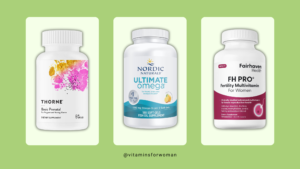
Life Extension Melatonin offers a lower-dose capsule format with a clean formulation and is produced by a brand with a long track record in evidence-based supplementation. For women who prefer a more comprehensive fertility-focused formula that includes melatonin alongside other antioxidants, Fairhaven
Health FH Pro for Women is a product designed specifically for preconception antioxidant support and includes several of the nutrients discussed in this article. Always read the full ingredient list and confirm the formulation is appropriate for your specific situation with your healthcare provider before starting.
Melatonin as Part of a Broader Egg Quality Strategy
Melatonin is best viewed as one part of a broader approach to supporting egg health, rather than a standalone solution. Research into egg quality focuses on several interconnected factors, including mitochondrial energy production, antioxidant protection, hormonal balance, and adequate nutrition.
Some nutrients that may complement melatonin include:
- CoQ10: Supports mitochondrial energy production inside developing eggs and may complement melatonin’s antioxidant effects.
- Alpha lipoic acid: Acts as an antioxidant and helps regenerate other antioxidants, including vitamins C and E.
- Folate: Supports DNA synthesis and cell division, which are particularly important during early embryo development. Women who have questions about folate or folic acid can learn more in our guide on folate versus folic acid when trying to conceive.
- Vitamin D: Adequate vitamin D status has been associated with reproductive outcomes in some observational studies, although supplementation does not necessarily improve fertility in women who are already sufficient.
Lifestyle also matters. A Mediterranean style eating pattern rich in vegetables, legumes, oily fish, olive oil, and other whole foods provides antioxidants and other nutrients that support overall reproductive health.
Stress management is important as well. Chronic stress can affect the hormonal signals involved in reproduction and may interfere with healthy sleep. Aim for seven to nine hours of quality sleep each night and keep your bedroom dark and comfortable.
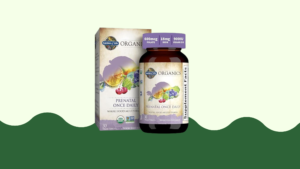
A prenatal can provide the nutritional foundation, while targeted supplements should be added only when there is a clear reason to do so. Thorne Basic Prenatal and Seeking Health Optimal Prenatal are examples of prenatal formulas that provide broad micronutrient coverage, including folate and other nutrients involved in reproductive health.
Frequently Asked Questions
Can I take a melatonin supplement for egg health if I am not doing IVF?
Yes, the antioxidant benefits of melatonin are not exclusive to IVF cycles. Women trying to conceive naturally may also support their follicular environment with melatonin, particularly if oxidative stress, poor sleep, or age-related decline in antioxidant capacity are relevant concerns. Always confirm the approach with your provider first.
Does melatonin affect hormone levels or my menstrual cycle?
At lower doses, melatonin is not typically associated with significant hormonal disruption in women of reproductive age, but high doses taken at the wrong time of day could theoretically interfere with LH pulsatility. This is another reason to use the lowest effective dose and to discuss timing and dose with a knowledgeable clinician before starting.
Is it safe to take melatonin alongside a prenatal vitamin?
For most women in the preconception period, a low-dose melatonin supplement does not interact significantly with standard prenatal vitamin ingredients. However, if your prenatal contains high levels of antioxidants such as vitamin E or C, your provider should review your total intake to ensure you are not over-supplementing any single nutrient category.
A Word From Vitamins For Woman
Supporting your egg health is one of the most meaningful investments you can make in your fertility, and the evidence around melatonin is genuinely encouraging even if more large-scale trials are still needed. We always encourage you to bring this research to your reproductive specialist or pharmacist and build a supplement plan that is tailored to your unique health picture.
References
- Tamura H et al. (2020). Melatonin and female reproduction. Journal of Obstetrics and Gynaecology Research. PMID: 32666560. PubMed
- Reiter RJ et al. (2014). Melatonin, a full service anti-oxidant agent: influence on aging and age-related diseases. Ageing Research Reviews. PMID: 24071587. PubMed
- Tamura H et al. (2008). Oxidative stress impairs oocyte quality and melatonin protects oocytes from free radical damage and improves fertilization rate. Journal of Pineal Research. PMID: 18339124. PubMed
- Batıoğlu AS et al. (2012). The efficacy of melatonin administration on oocyte quality. Gynecological Endocrinology. PMID: 22468726. PubMed
- Harpsoe NG et al. (2015). Clinical pharmacokinetics of melatonin: a systematic review. European Journal of Clinical Pharmacology. PMID: 25380588. PubMed