Green tea, EGCG and fertility may seem like an unlikely pairing, but scientists are paying close attention to how this plant-derived antioxidant interacts with female reproductive health.
There is something quietly heartbreaking about doing everything right, eating well, tracking ovulation, cutting out alcohol, and still feeling like your body is not cooperating. For many women, the missing piece is something invisible: oxidative stress quietly damaging the cells that matter most, including eggs. That frustration is real, and it deserves an honest, evidence-based answer.
Egg quality declines with age partly because mitochondria inside oocytes become less efficient and more vulnerable to free radical damage. Inflammation, environmental toxins, blood sugar dysregulation, and chronic stress all amplify this process. The result is eggs that are harder to fertilise, less likely to implant, and more prone to chromosomal errors. Understanding what drives that damage is the first step toward addressing it.
Below you will find a clear breakdown of what EGCG actually is, what the current science says about its effects on eggs and hormones, how it fits alongside other fertility-supporting nutrients, and practical guidance on how to use it safely.
What Is EGCG and Why Does It Matter for Egg Quality?
EGCG, a compound found in green tea, may support egg quality by helping protect cells from oxidative stress. It also supports the body’s antioxidant defences, may reduce inflammation, and may help maintain mitochondrial function, which is important for egg maturation.
Oxidative stress may contribute to poor egg quality, particularly after age 35. Free radicals produced by normal body processes and environmental factors can damage an egg’s cell membrane, DNA, and mitochondria. Because eggs need a lot of energy to mature, protecting mitochondrial function is especially important.
To include EGCG in your routine:
- Drink one to two cups of green tea daily. Have it between meals because tea can reduce iron absorption.
- If considering EGCG supplements, choose quality tested products and speak with your healthcare provider first. Concentrated extracts may cause liver problems, especially at high doses.
- Include other antioxidants, such as CoQ10 and vitamins C and E, through your diet or supplements when appropriate.
- Avoid smoking, limit alcohol, and eat a balanced diet to help reduce oxidative stress.
For more on another antioxidant studied in fertility, read the best CoQ10 supplements for fertility.
EGCG, Hormonal Balance, and the Follicular Environment
Egg quality is influenced by more than antioxidants. Hormones, the fluid surrounding the developing egg, and the balance between estrogen and androgens all play a role in follicle development and ovulation.
EGCG is being studied for its potential effects on these processes, particularly in women with polycystic Eggs develop inside ovarian follicles, where hormones and surrounding cells help them mature. In women with PCOS, high androgen levels and insulin resistance can interfere with this process and affect ovulation.
EGCG, a compound found in green tea, is being studied for its potential effects on these hormonal and metabolic factors. Some research suggests that green tea extract may help improve insulin sensitivity and reduce testosterone levels, but the evidence in women is limited. It is not yet clear whether these effects translate into better egg quality or improved fertility.
If you have PCOS, EGCG should not replace established treatment. Speak with your healthcare provider before taking concentrated green tea extract, especially if you are trying to conceive or undergoing fertility treatment.
You can also read our guide to N acetyl cysteine for PCOS and fertility to learn about another compound being studied for its potential role in PCOS and reproductive health.
What the Research Actually Says
Most research on EGCG and egg quality comes from laboratory and animal studies. These suggest that EGCG may protect reproductive cells from oxidative damage, but the findings do not establish that it improves fertility in humans.
Researchers have investigated its effects on granulosa cells, which support developing eggs, and on markers of oxidative stress in the reproductive environment. However, stronger human studies are needed to determine whether these effects translate into better egg quality, pregnancy rates, or live birth rates.
The bottom line: EGCG is a promising antioxidant, but it is not a proven fertility treatment. Green tea can be part of a balanced diet, while concentrated EGCG supplements require more caution, especially for women trying to conceive or undergoing fertility treatment.
Building a Supplement Routine Around EGCG
EGCG should not be treated as a standalone solution for egg quality. A balanced preconception routine may include a healthy diet, appropriate prenatal supplementation, and other nutrients when needed.
Nutrients such as CoQ10, vitamins C and E, selenium, and folate have different roles in normal cellular and reproductive function. However, taking more supplements does not necessarily improve fertility, and combining several products can increase the risk of excessive intake or interactions.
If you are considering an EGCG supplement, check the amount of EGCG per serving rather than looking only at the total green tea extract. Speak with your healthcare provider or pharmacist before using concentrated extracts. High doses have been linked to liver injury, particularly when taken on an empty stomach.
Egg development takes several months, which is why preconception health is worth addressing early. However, there is no established timeline showing that taking EGCG for three or four months improves egg quality.
For a broader approach to preconception health, read how to prepare your body for pregnancy in 3 months and how to improve egg quality after 35.
Frequently Asked Questions
How much EGCG is typically found in a cup of green tea?
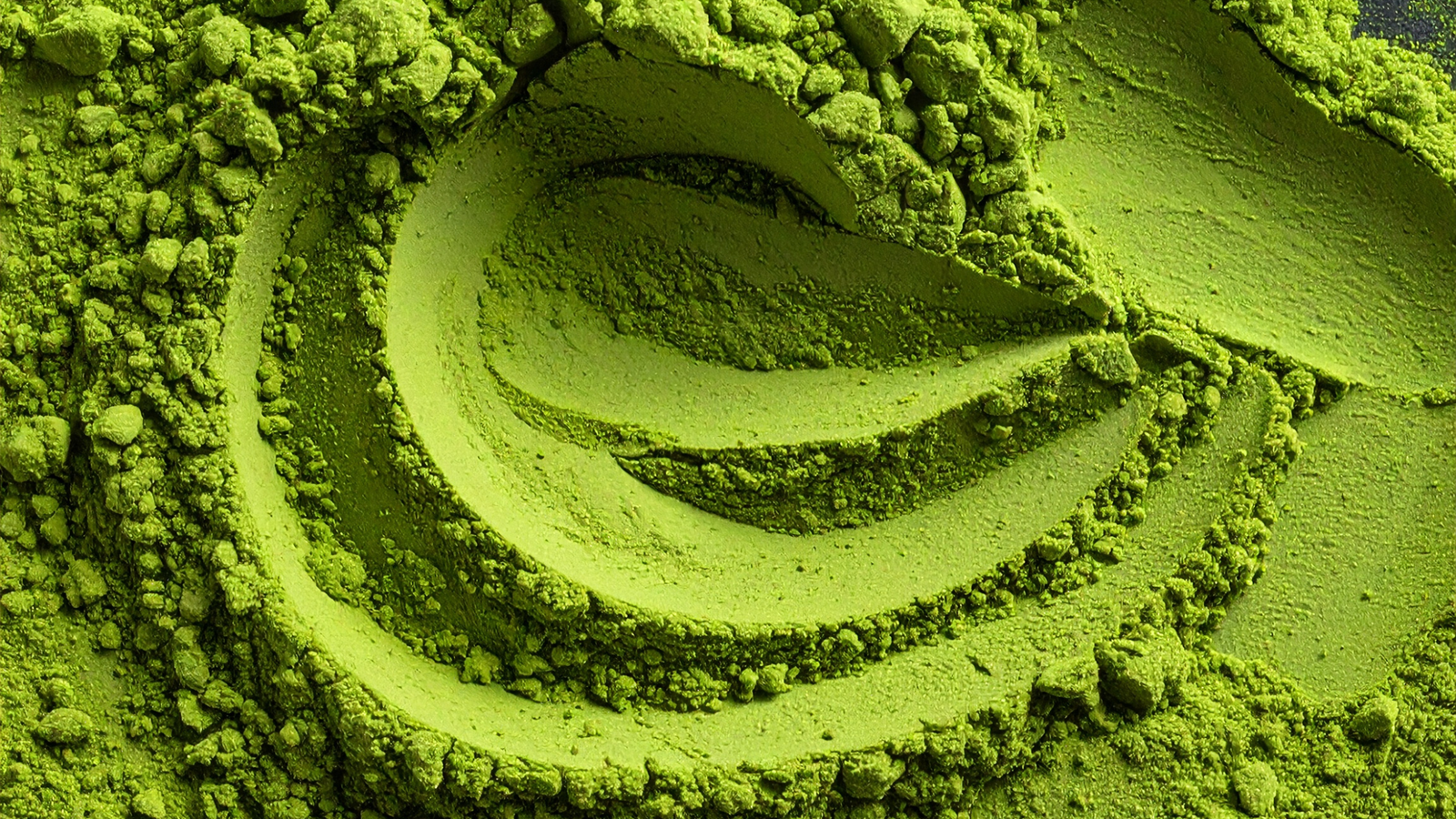
The EGCG content of brewed green tea varies considerably depending on the variety, brewing time, and water temperature. Matcha generally contains more than standard loose-leaf tea. Supplement forms offer more consistent dosing and are useful when dietary intake is unpredictable.
Is it safe to take EGCG supplements while trying to conceive?
For most healthy women, moderate green tea consumption or low-to-moderate dose EGCG supplementation is considered safe preconceptionally. However, high-dose EGCG extracts have been associated with liver stress in rare cases, so staying within label guidelines and consulting a healthcare provider is advisable.
Can I get enough EGCG from food, or do I need a supplement?
Two to three cups of high-quality green tea or one to two servings of matcha daily provides meaningful EGCG through diet. Supplements are useful for consistency and higher standardised doses, but food sources offer additional polyphenols and compounds that supplements may not replicate fully.
A Word From Vitamins For Woman
Green tea EGCG and fertility research is genuinely exciting, and we understand how much you want practical, trustworthy information when you are working so hard to conceive. The science is promising but still developing, and EGCG is best seen as one thoughtful piece of a broader preconception strategy rather than a single answer. Please always speak with your doctor, pharmacist, or reproductive specialist before starting new supplements, especially if you are undergoing fertility treatment or managing a health condition.
References
- Ruder EH et al. (2008). Oxidative stress and antioxidants: exposure and impact on female fertility. Human Reproduction Update. PMID: 18326558. PubMed
- Kort HI et al. (2006). Impact of body mass index values on sperm quantity and quality. Journal of Andrology. PMID: 16400174. PubMed
- Zheng X et al. (2014). Green tea intake lowers fasting serum total and LDL cholesterol in adults: a meta-analysis of 14 randomized controlled trials. American Journal of Clinical Nutrition. PMID: 21715508. PubMed
- Jamilian M et al. (2017). The effects of green tea supplementation on metabolic profiles and androgen levels in women with polycystic ovary syndrome. Experimental and Clinical Endocrinology and Diabetes. PMID: 28407642. PubMed
- Stojkovic M et al. (2001). Mitochondrial distribution and adenosine triphosphate content of bovine oocytes before and after in vitro maturation. Biology of Reproduction. PMID: 11466210. PubMed